Why a Slouched Back Becomes More Common With Age
Getting older often brings positives like greater wisdom and more financial stability. At the same time, it can also come with changes in physical strength, posture, and mobility.
Age-related physical decline is a normal part of aging and can be hard to avoid completely. Still, there are ways to support your body and reduce some of these changes.
One common issue is gradually losing muscle, which can contribute to rounded shoulders, poor posture, and a slouched back. Over time, this can set the stage for back pain, spinal misalignment, and reduced movement.
A slouched posture may also be linked with headaches, weaker joints, poor digestion, and muscle strain.
If you spend long hours at a computer, you may be even more likely to develop a rounded back and poor posture. Left unaddressed, these problems can grow into ongoing pain and other health concerns.
What Causes Poor Posture and Back Slouching
The main issue is often a combination of muscle loss, weak support through the core and back, and too much time spent in positions that encourage slouching.
When the muscles that support your spine, shoulders, and back are not strong enough, it becomes harder to stay upright with good alignment. This can affect posture, flexibility, and full range of motion.
How to Help Un-Slouch Your Back
The good news is that better posture can be built with simple corrective movements you can do at home.
These exercises are designed to help straighten a slouched back while supporting your shoulders and spine. Practicing them regularly can help strengthen your core, back, and shoulders. They may also help improve flexibility, muscle support, and mobility.
4 Exercises to Un-Slouch Your Back
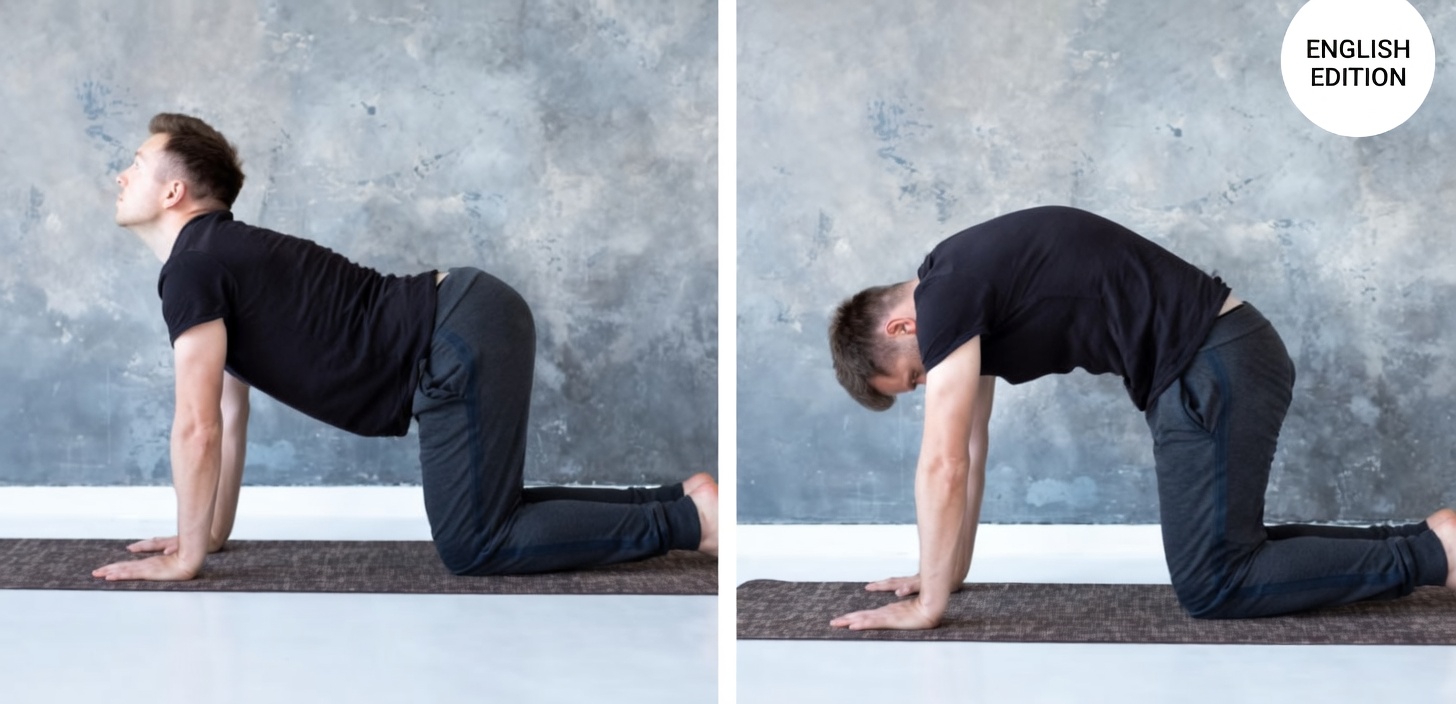
1. Cat/Camel Pose
This well-known yoga movement is a gentle way to work on spinal flexibility and posture.
If you often deal with back pain, this exercise may help relieve aches while encouraging better movement through the spine. As you move, focus especially on your core and upper back and shoulders.
If slouched shoulders are a regular habit for you, this is an exercise worth adding.
- Start on your hands and knees.
- Place your hands under your shoulders and your knees under your hips.
- Slowly let your stomach drop toward the floor while lifting your head back.
- Hold this camel position for 10 seconds.
- Then reverse the movement by rounding your back and tucking your chin toward your chest.
- Hold this cat position for 10 seconds.
- Continue alternating until you complete 10 reps of each position.
2. Foam Roll Upper Back Extension
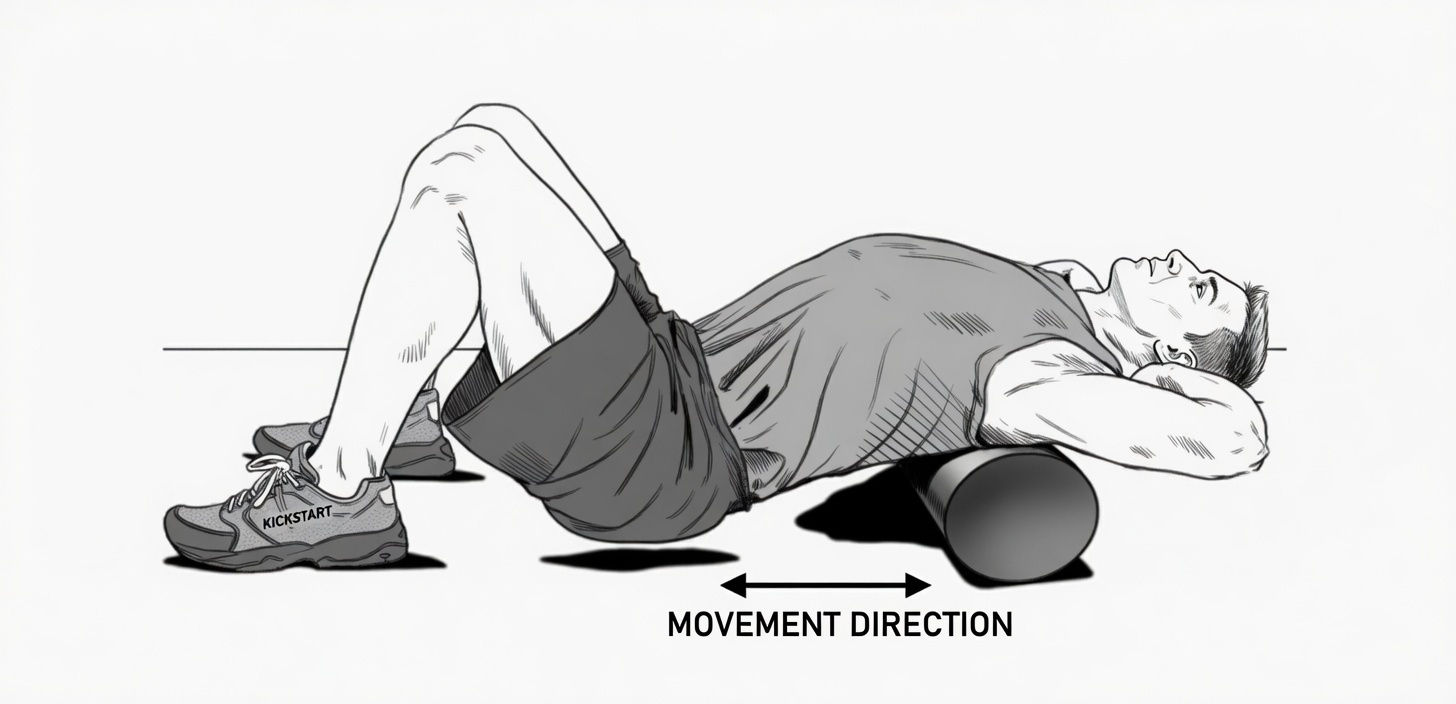
Using a foam roller on the back can help loosen muscles that feel tight or compressed. It may also help restore movement in the thoracic spine and support your back against injury.
If your upper back and shoulders feel stressed, spend 30–60 seconds at a time on the foam roller. As you hold and roll over tight areas, the tension can begin to ease.
- Lie face up on the floor with the foam roller placed horizontally under your body.
- Put your hands behind your head to support your neck and the weight of your head.
- Lift your hips off the floor, keeping them aligned with your upper back.
- Slowly roll along the spine from the middle of your back up toward your upper back and the base of your neck.
- Repeat 8–10 times.
3. Plank
Strong core and back muscles are important for preventing posture problems and future back issues.
Your core supports the spine and acts as the foundation for the muscles that stabilize it. A stronger core can make it easier to maintain better posture, and the plank is a simple place to begin.
This is a gentle exercise that should not add pressure to the back when done properly. As you hold the position, remember to engage your abdominals, glutes, back, and shoulders.
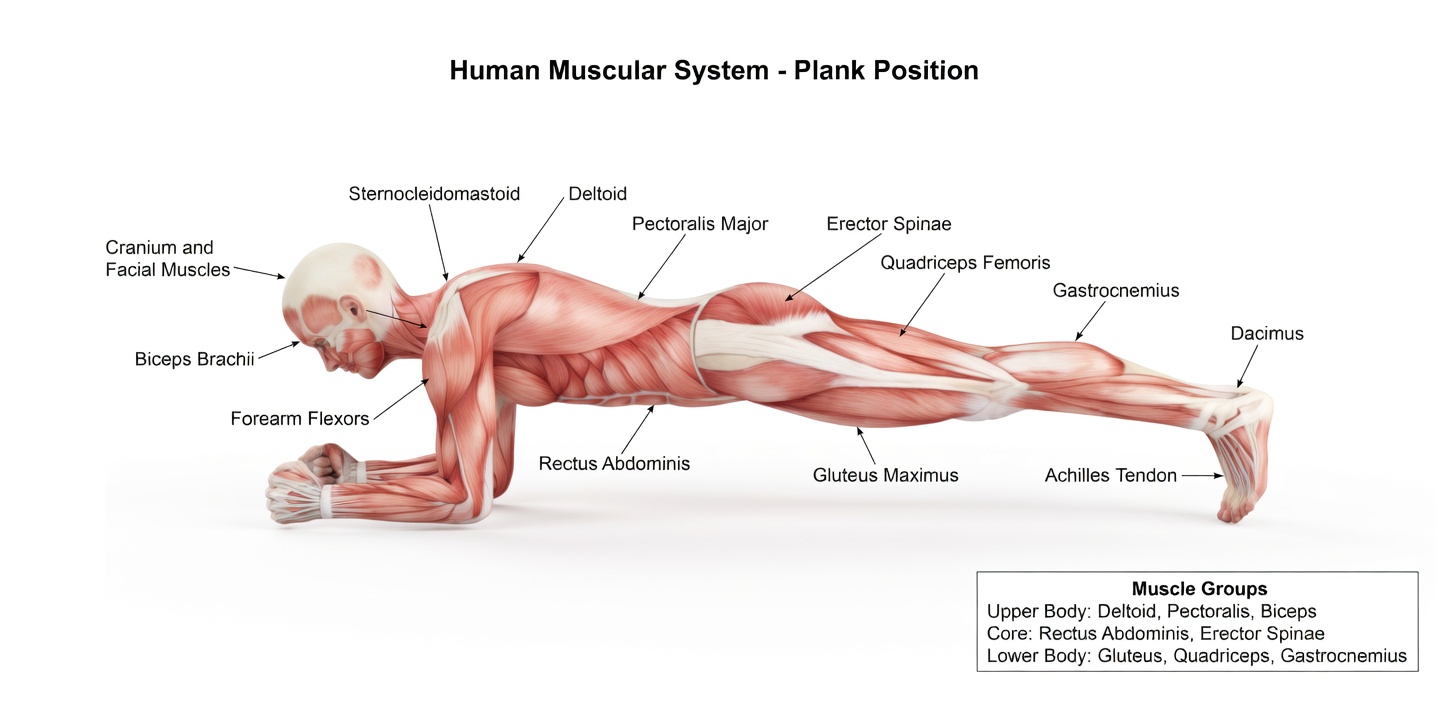
- Begin in a press-up position.
- Bend your elbows and shift your weight onto your forearms instead of your hands.
- Keep your body in a straight line from your shoulders to your ankles.
- Tighten your core by pulling your belly button toward your spine.
- Hold for 60 seconds, or for as long as you can.
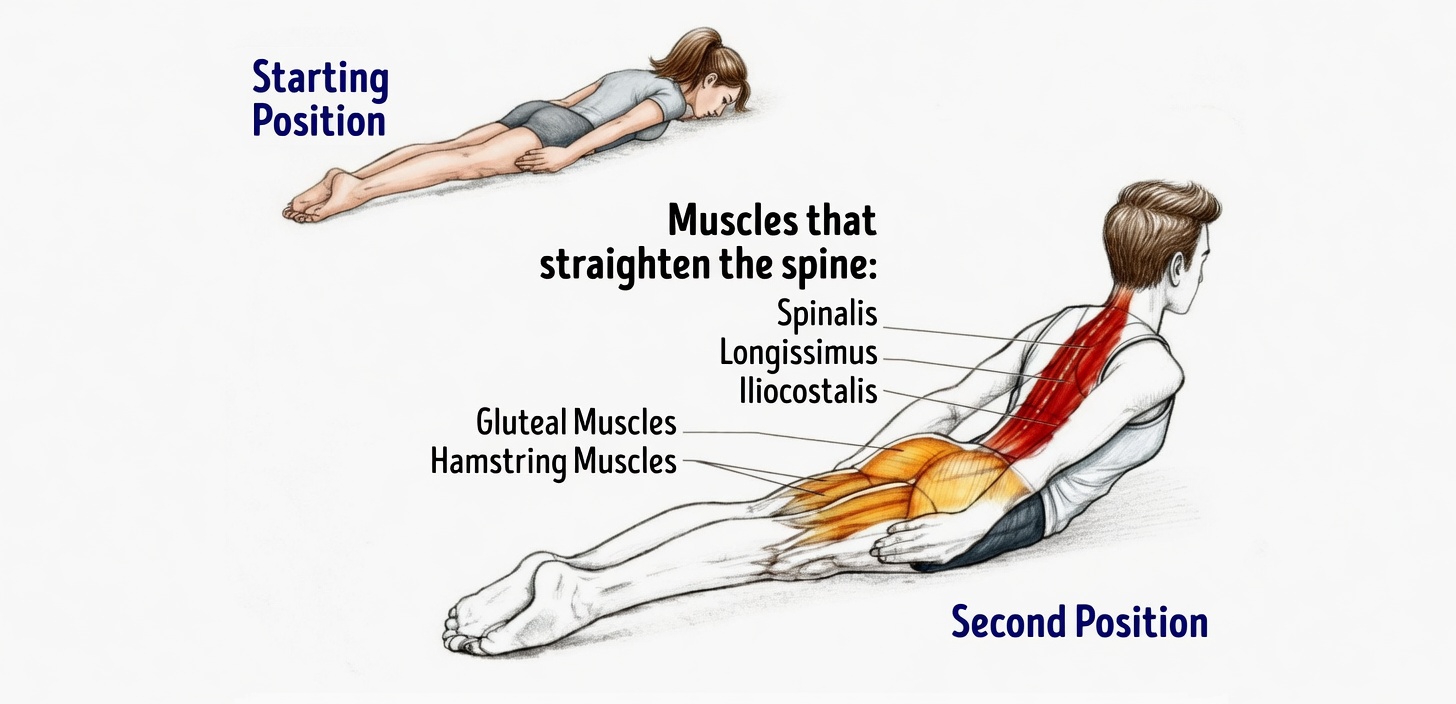
4. Back Extension
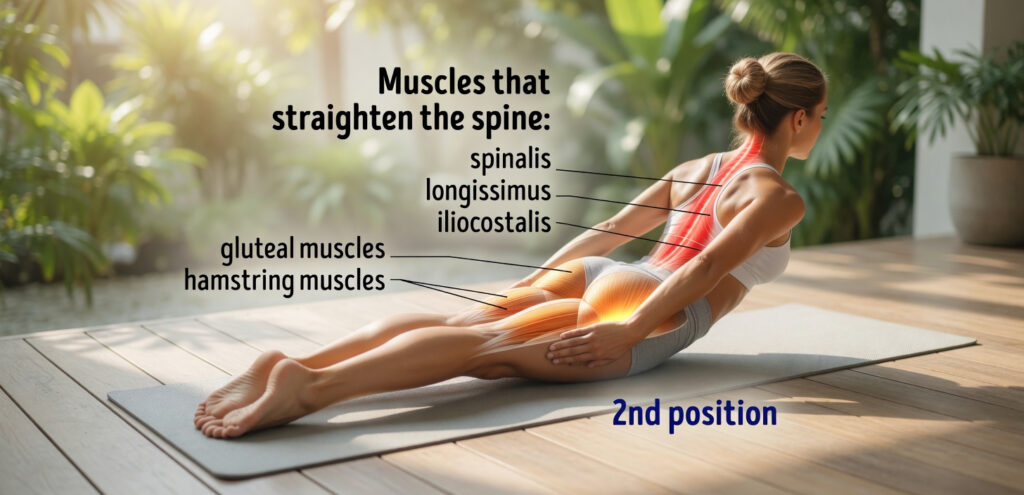
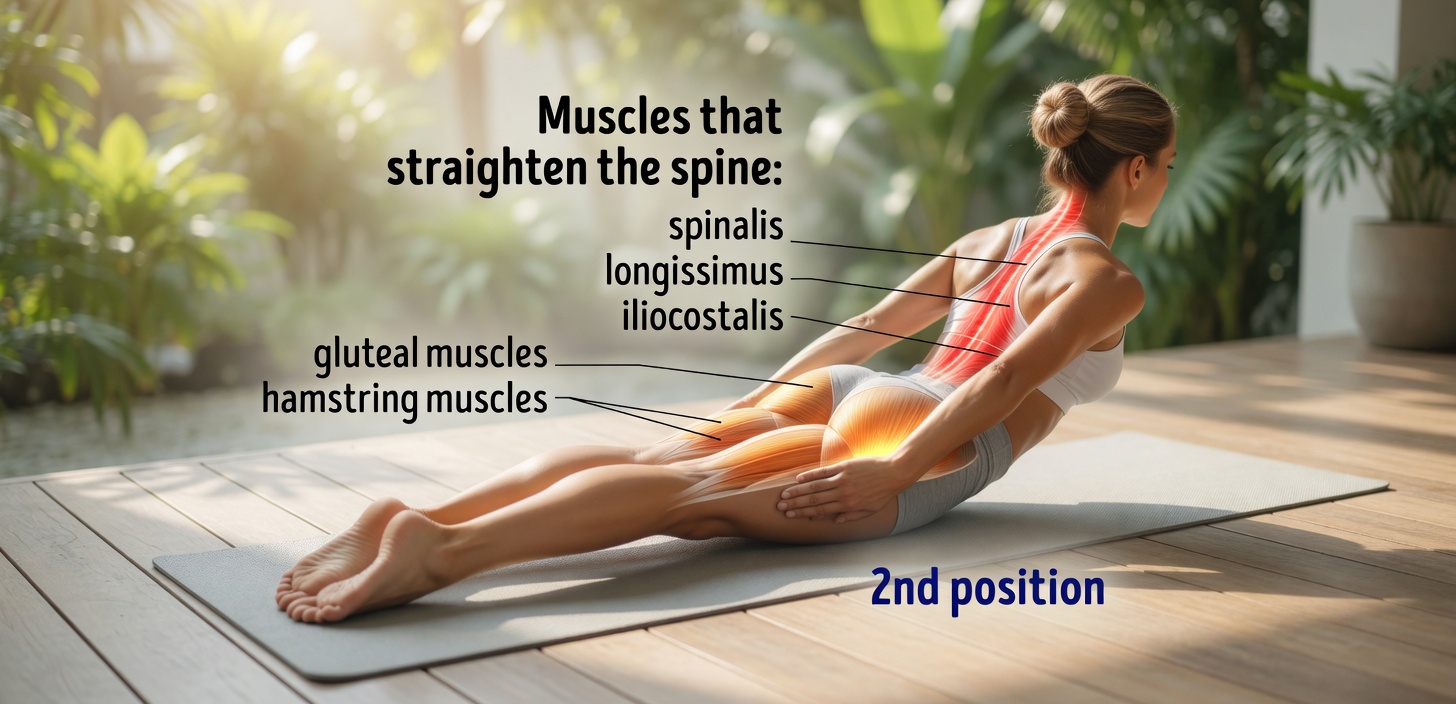
Back extensions can help strengthen the muscles of the back while also improving spinal mobility. This movement can also help counter rounded shoulders and a hunched posture.
It is a useful posture-correcting exercise that you can do at home.
- Lie on your stomach.
- Position your arms below your shoulders with your elbows bent.
- Tighten your core and glutes to help protect your spine during the stretch.
- Slowly lift your upper body off the floor by pressing through your palms.
- Keep your pelvis and hip bones on the floor.
- Only raise yourself as high as feels comfortable.
- If you feel tension in your lower back, return to the starting position and relax.
- Hold for 10 seconds.
- Repeat 8–10 times.
A Simple Way to Support Better Posture
A slouched back can happen naturally with age, and sitting at a computer for long periods can make it worse. But with steady practice, these exercises can help support better posture, stronger muscles, and improved mobility.
Adding these movements to your regular routine may help protect your shoulders and back while making everyday movement feel easier.
Consult a healthcare professional before making changes.