Back Pain Relief: 4 Gentle Stretches to Ease Discomfort
Back pain can happen once in a while or become a long-term issue, and it is more common than many people realize. When discomfort in the lower back shows up, even simple daily tasks can feel harder.
If you need fast relief, adding a few gentle stretches to your routine each day may help reduce intense back pain. Certain movements can loosen tight areas and support the muscles in the lower back.
Why Back Pain Happens
For many people, back pain is linked to too much sitting and a sedentary lifestyle. Long periods of inactivity can leave the muscles that support the spine feeling tight, weak, or underused. Repetitive movements, such as sitting for too long or moving heavy boxes, can also trigger discomfort.
Stretching can be especially helpful in these situations because it helps ease tension and may help prevent pain from coming back. It also becomes more important with age, when natural strength can begin to decline.
These stretches target the muscles and ligaments that support your spine and posture. They can help loosen, decompress, and activate muscles that have become shortened or inactive.
Stretch Safely Before You Begin
Not every stretch is right for a painful back. If you are stretching while already in pain, move carefully and keep safety in mind.
If your back pain is caused by an injury, a medical condition, or another health issue, seek professional help in your area. It is important to follow a routine that fits your individual needs.
As you stretch, pay attention to your body’s limits and be gentle with any inflamed area. Listening to your body can help you gradually release tension and wake up the muscles that need support.
Try to hold each stretch for 30 to 60 seconds and take deep breaths throughout. If your pain continues, be sure to seek medical help in your area.
4 Stretches for Lower Back Pain Relief
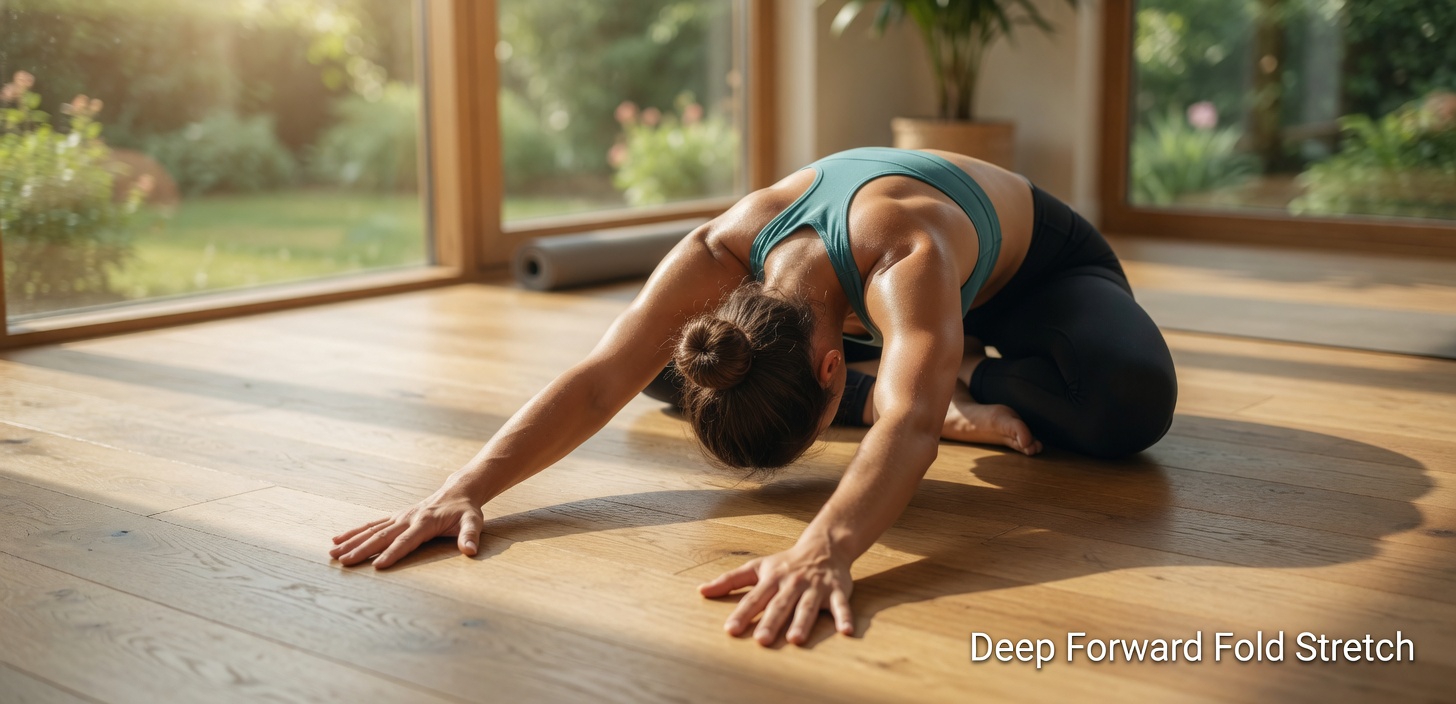
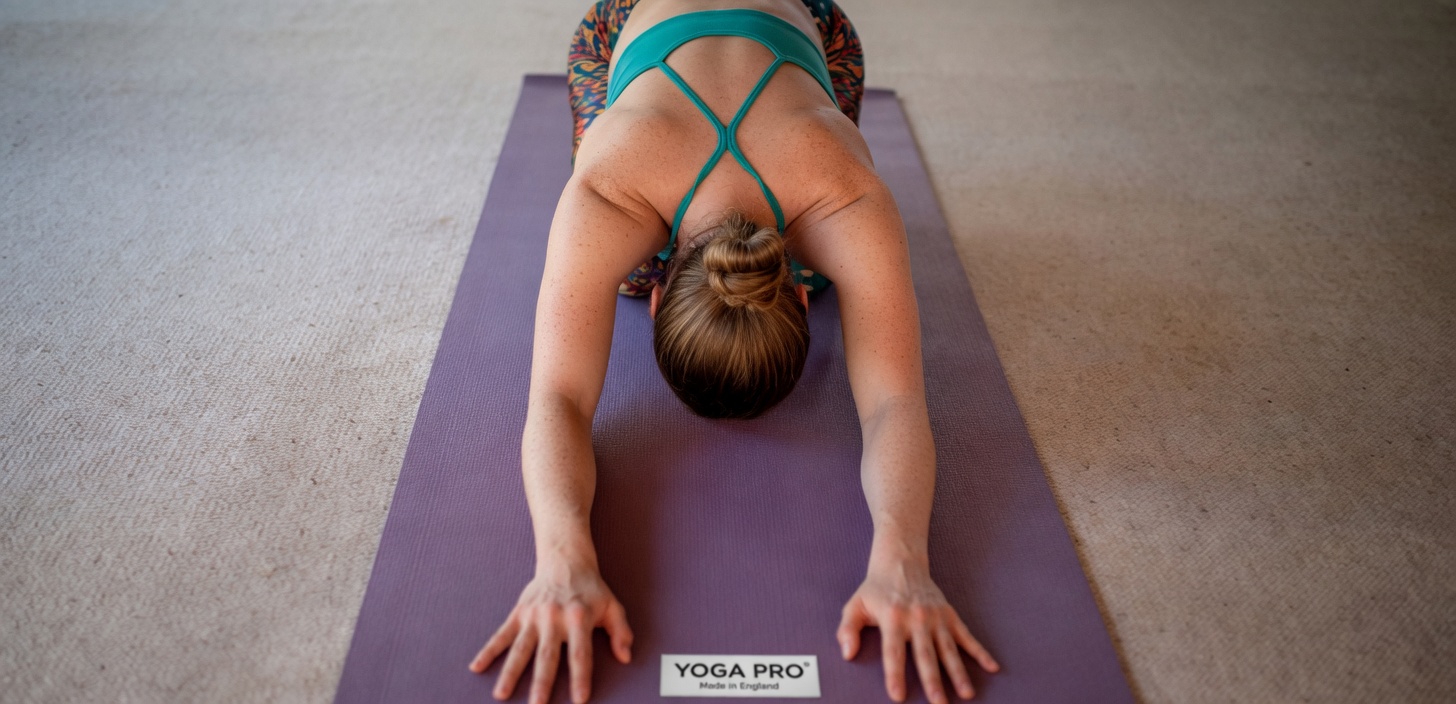
1. Child’s Pose
Child’s Pose is a gentle stretch that can help release tension through the back body.
- Start in a kneeling position.
- Bring your big toes together and separate your knees.
- Sit back on your heels.
- Reach your arms forward and lower your forehead toward the floor.
- Continue reaching your hips back toward your heels while the crown of your head reaches forward.
- Stay here for several slow, deep breaths.
- Each time you exhale, try to let go of tension in your back.
Do this 3 to 5 times per week.
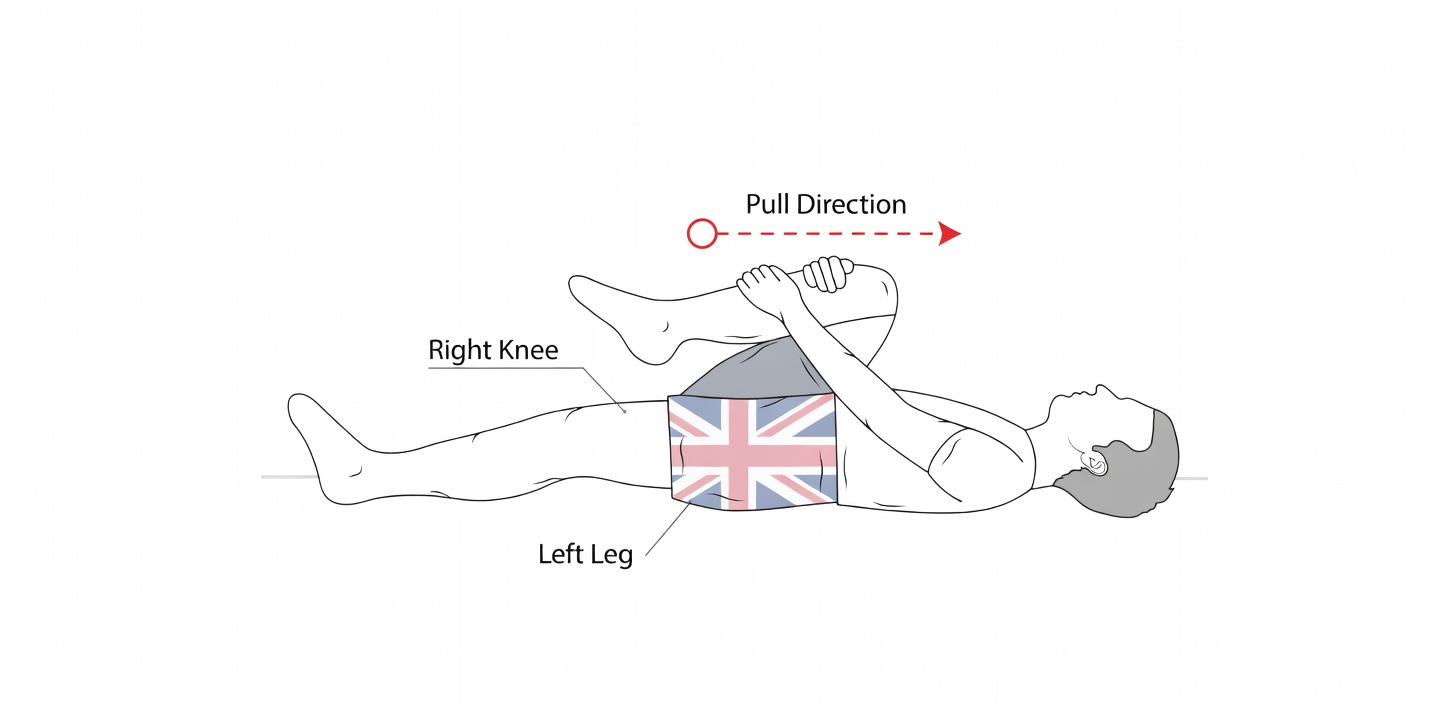
2. Knee-to-Chest Stretch
This simple stretch can gently relax the lower back.
- Lie flat on your back.
- Pull your right knee toward your chest.
- Place both hands on your shin.
- Hold for 30 seconds.
- Repeat 4 times on both sides.
Perform this stretch 3 to 5 times per week.
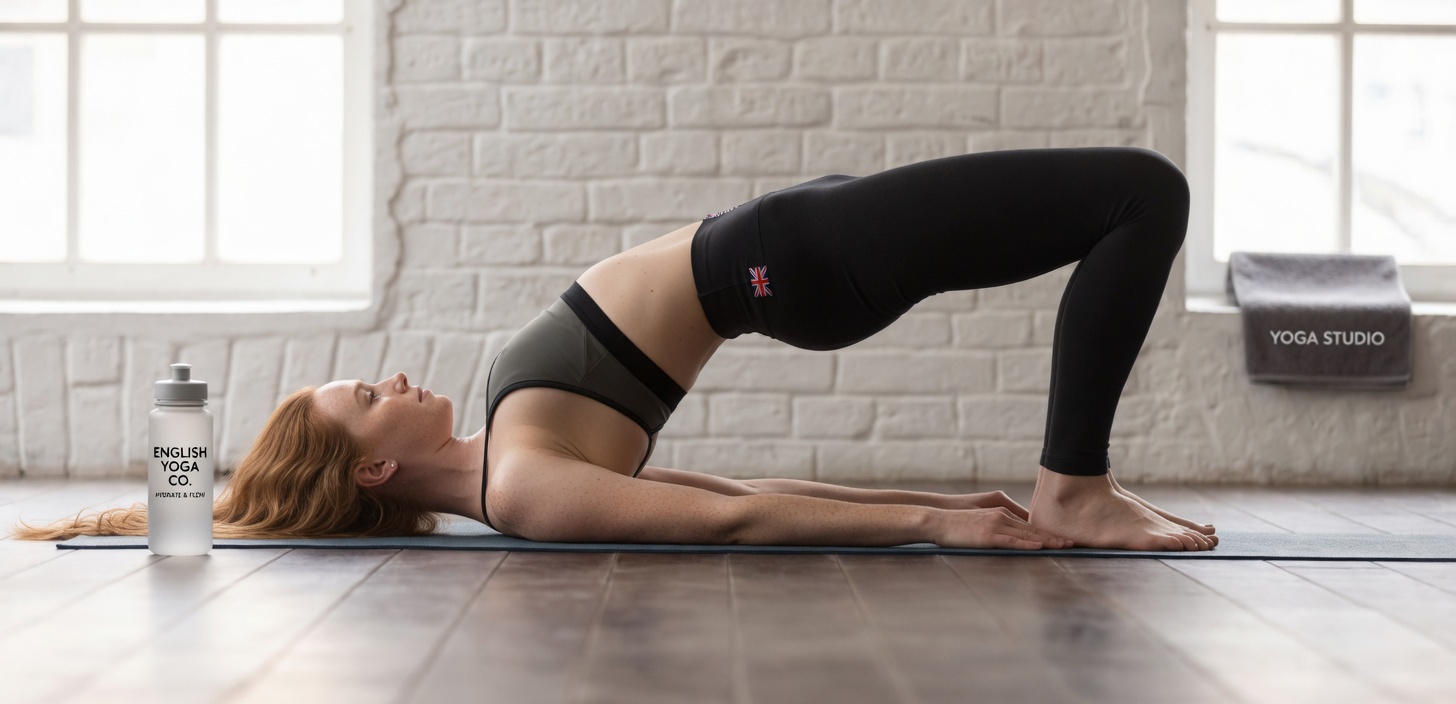
3. Bridge Pose
Bridge Pose helps engage the core and glutes while supporting the lower back.
- Lie on your back on a thick yoga mat.
- Place your feet flat on the mat and bend your knees.
- Adjust your feet so they are about hip-width apart.
- Let your arms rest at your sides and keep your shoulders on the mat.
- Engage your core and glutes.
- Lift your hips until your pelvis lines up with your body.
- Your body should form a straight line from your knees to your shoulders.
- Avoid over-extending your back as you lift.
- Hold at the top for 30 seconds and feel the contraction in your glutes.
- Release slowly.
- If it feels comfortable, you may gently wiggle your hips side to side at the top for an added stretch.
Complete 2 to 3 sets and aim to do this 3 to 5 times per week.
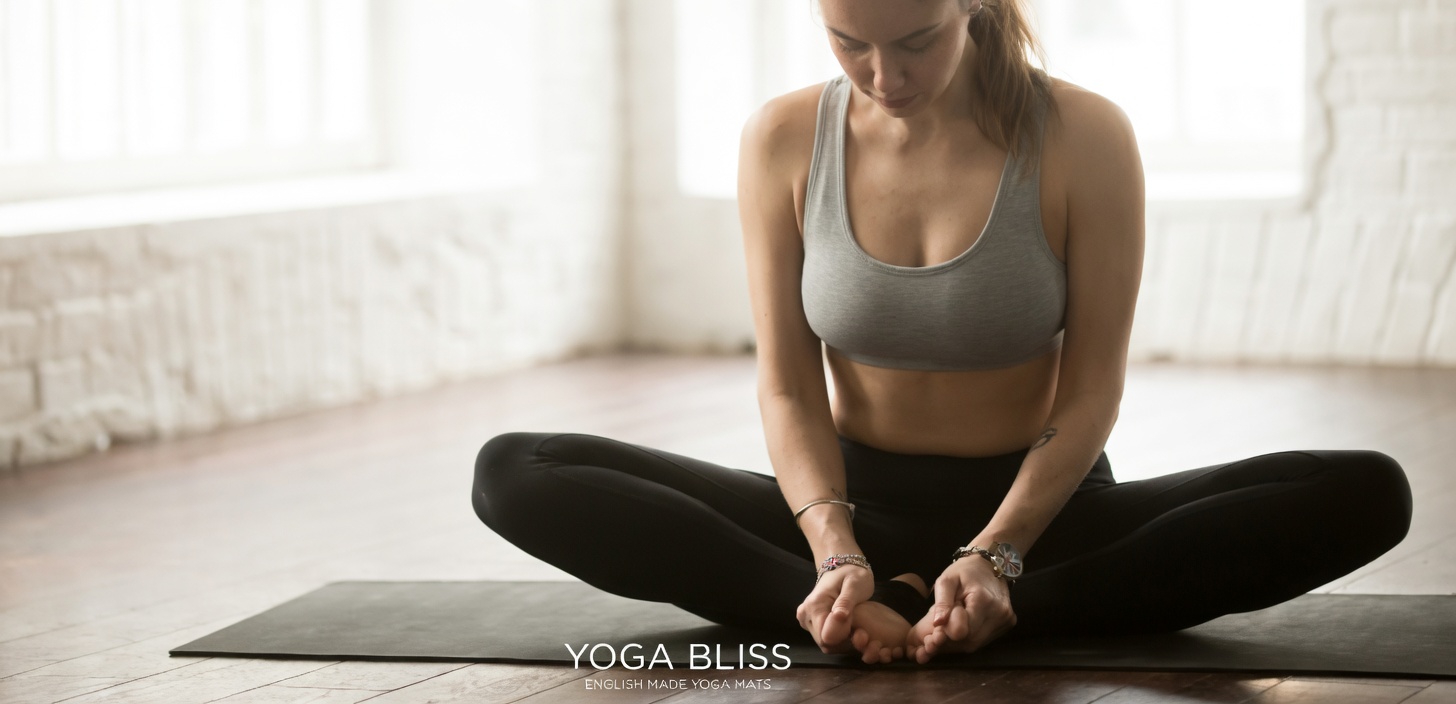
4. Seated Butterfly
Seated Butterfly can help stretch the hip flexors and ease tightness that may contribute to back discomfort.
- Sit on a yoga mat with your knees bent and your feet on the mat.
- Keep your feet together and bring them in closer to your body.
- Let your knees open outward until the soles of your feet touch.
- Hold your feet with your hands.
- Lean forward until you feel the stretch in your hip flexors.
- Hold for 30 seconds.
- Repeat several times.
Practice this stretch 3 to 5 times a week.
A Simple Way to Support Your Back
When back pain is related to prolonged sitting or repetitive movement, gentle stretching may be a simple way to find relief. These four exercises can help reduce tightness, improve movement, and support the muscles around your spine.
Move with care, breathe deeply, and stay within a comfortable range. If the pain does not improve or gets worse, seek medical help in your area.
Consult a healthcare professional before making changes.