Don’t Throw Away the Avocado Pit: A Hidden Source of Nutrition
After you enjoy an avocado, the pit usually ends up in the trash. Yet this often-ignored seed may offer more value than most people realize. Avocado pits contain fiber, antioxidants, and other beneficial plant compounds, making them an interesting option for anyone looking to reduce food waste while adding extra nutrients to their routine.
Why Avocado Pits Are Worth a Second Look
Although they look tough and inedible at first glance, avocado pits can be repurposed into a usable form. When prepared properly, they can contribute additional nutrients to your diet and support everyday wellness goals.
Many people choose to add small amounts to smoothies, where the pit’s nutrients can complement other ingredients. This simple habit may help support:
- Digestion (thanks to fiber)
- Daily energy and vitality
- Immune system support through antioxidant content
How to Make Avocado Pit Powder (Step by Step)
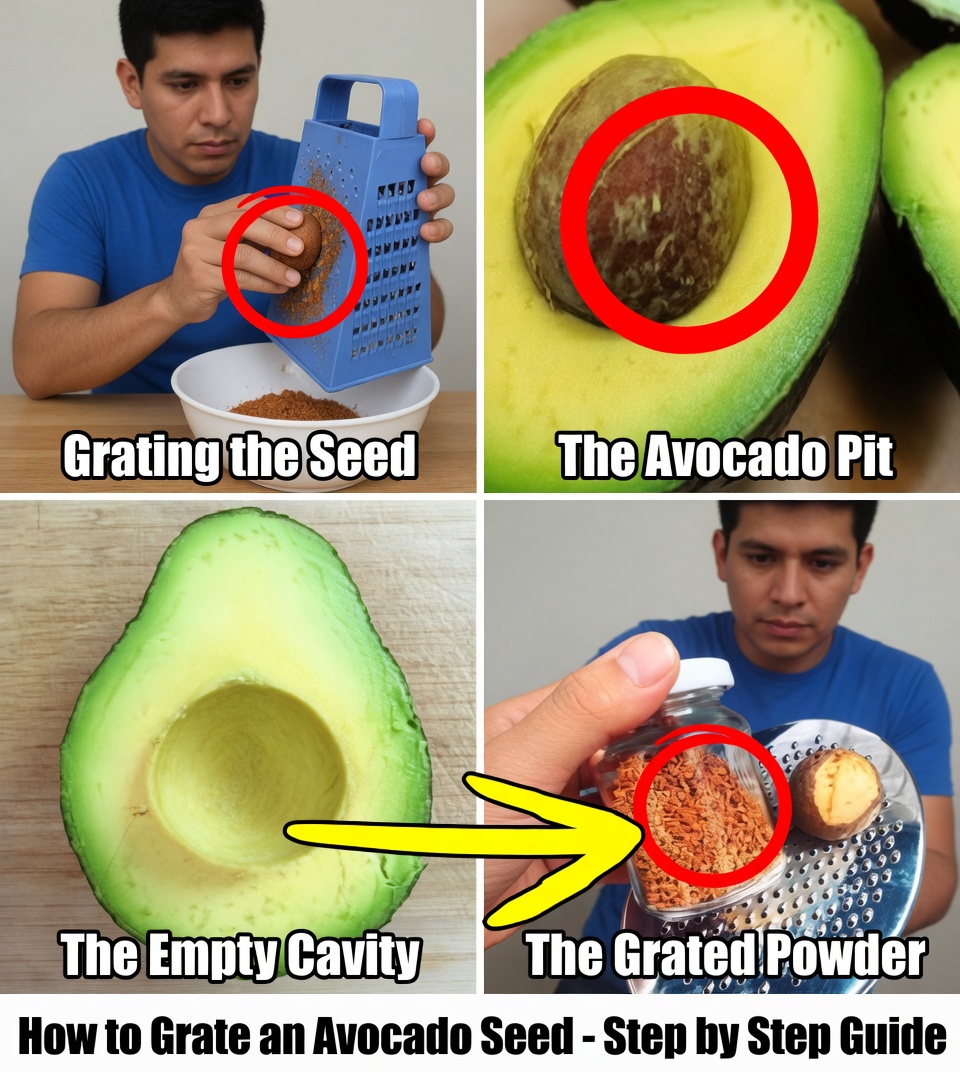
Turning an avocado pit into a usable powder is straightforward. Here’s a simple method to get started:
- Rinse and clean the pit thoroughly after removing it from the fruit.
- Break it down by carefully cutting it into smaller pieces or gently crushing it with a hammer.
- Blend or process the pieces in a blender or food processor until you get a fine powder (make sure the pieces are completely dry).
- Store the powder in an airtight container so it stays fresh for later use.
Practical Ways to Use Avocado Pit Powder
Once you have your powder ready, you can try it in a variety of everyday uses:
- Mix about a tablespoon into your morning smoothie for an added nutrient boost.
- Stir a small amount into salad dressings for a new flavor twist.
- Add it to homemade granola or energy bars to make them more nutrient-dense.
- Use it as a natural dye for sewing, fabric work, or craft projects.
A Simple Step Toward Wellness and Sustainability
Instead of treating the avocado pit as waste, you can view it as a useful byproduct with potential health and lifestyle benefits. With a little preparation, this overlooked seed can become part of a more resourceful, wellness-focused, and sustainable way of living.