8 Simple, Natural Ways to Lower High Uric Acid
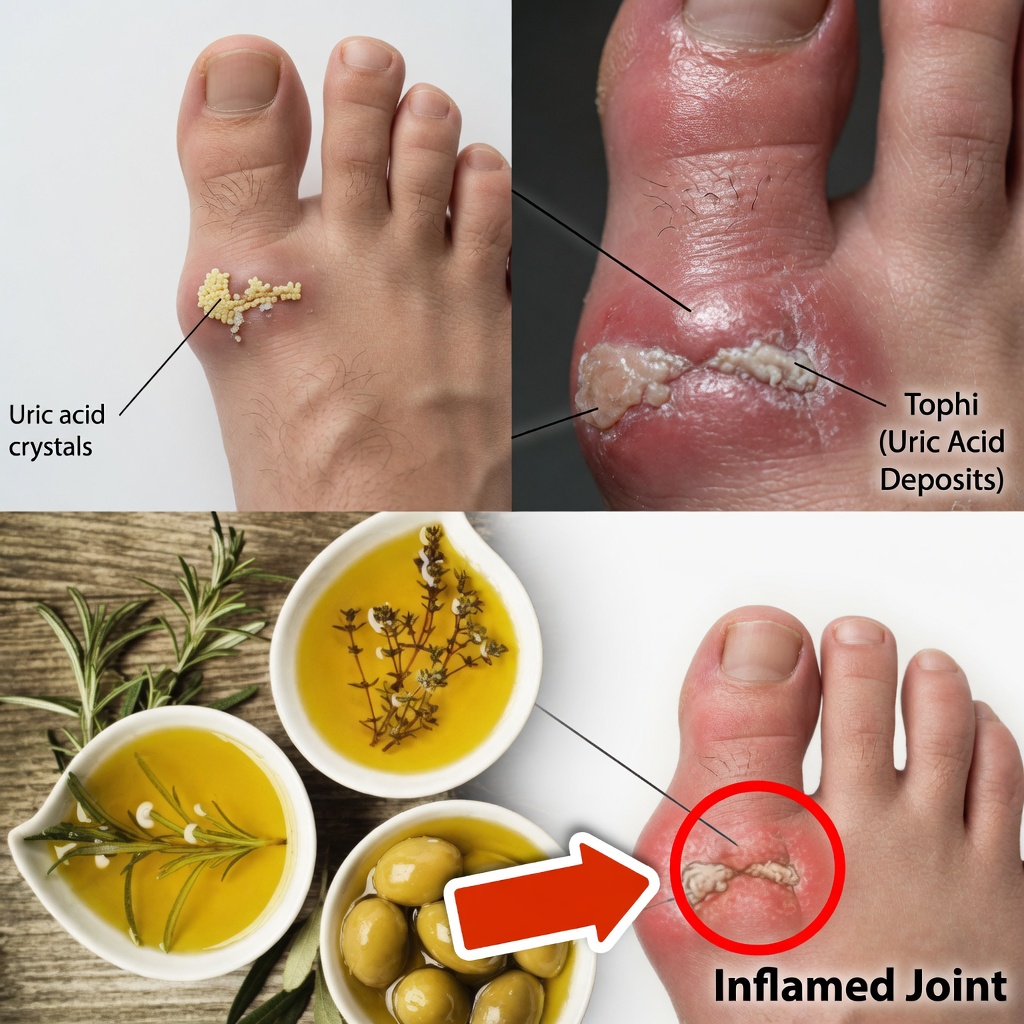
When uric acid levels rise too much, they can contribute to uncomfortable and sometimes serious problems such as gout, kidney stones, and joint pain. The good news is that many people can support healthier uric acid levels with smart, consistent diet and lifestyle changes. Below are eight practical, natural strategies to help your body reduce excess uric acid and feel better overall.
1. Drink More Water to Flush Uric Acid
Staying well hydrated helps dilute uric acid and allows the kidneys to remove it more efficiently through urine.
- Aim for 8–10 glasses of water per day
- If plain water feels boring, rotate in herbal teas or water infused with lemon or cucumber
2. Eat More Fiber-Rich Foods
Dietary fiber supports digestion and regular bowel movements, which can help your body eliminate waste products, including uric acid. Fiber may also help stabilize blood sugar, which can reduce sudden uric acid increases.
Good high-fiber options include:
- Oats and whole grains
- Fruits and vegetables
- Chia seeds and other seeds
3. Reduce High-Purine Foods
Purines are natural compounds found in many foods. When the body breaks purines down, it creates uric acid—so cutting back on high-purine foods can help prevent buildup.
Limit or avoid:
- Red meat
- Organ meats (such as liver and kidneys)
- Shellfish and sardines
- Alcohol, especially beer
Better protein choices:
- Lean poultry (chicken, turkey)
- Eggs
- Plant proteins like tofu and legumes
4. Start the Day with Lemon Water
Lemon juice can support a more alkaline environment in the body, which may make uric acid easier for the kidneys to process. Lemons also contain vitamin C, which is linked to healthier uric acid levels.
Tip:
- Squeeze half a lemon into a glass of warm water and drink it in the morning
5. Cut Back on Sugary Drinks and Processed Sweets
Fructose (common in sugary beverages and many processed foods) can increase the body’s uric acid production. Reducing added sugar can make a real difference over time.
Try to avoid:
- Soda
- Sweetened fruit drinks
- Candy and packaged snack foods
Instead, choose:
- Water or unsweetened herbal tea
- Small amounts of natural sweeteners like honey or stevia (use in moderation)
6. Add Cherries and Antioxidant-Rich Berries
Tart cherries and berries like strawberries and blueberries are rich in antioxidants and may help lower uric acid while also easing inflammation.
Easy ways to include them:
- Snack on fresh cherries
- Drink tart cherry juice regularly
- Add berries to oatmeal, yogurt, or smoothies
7. Try Apple Cider Vinegar (Diluted)
Apple cider vinegar contains acetic acid, which may help support metabolism and kidney function involved in clearing uric acid.
How to use it:
- Mix 1 tablespoon of apple cider vinegar into a glass of water
- Drink once or twice daily
- Always dilute it to help protect your teeth and reduce stomach irritation
8. Exercise Consistently to Support Kidney Function
Regular movement improves circulation and metabolism and helps maintain a healthy weight—both important for managing uric acid buildup. However, very intense exercise can temporarily raise uric acid in some people, so balance matters.
Best moderate options:
- Walking
- Swimming
- Cycling
- Yoga
Goal:
- About 30 minutes per day, most days of the week
Bonus Tip: Manage Stress
Chronic stress can increase inflammation, which may worsen uric acid-related discomfort. Helpful stress-reduction habits include:
- Meditation or mindfulness
- Deep breathing exercises
- Consistent, quality sleep
Conclusion
Lowering excess uric acid naturally is often more achievable than it seems. By drinking enough water, eating more fiber, limiting high-purine and sugary foods, and using simple supports like lemon water, cherries, and apple cider vinegar, you can take steady steps toward better uric acid balance and fewer related issues. Start with a few changes today and build from there for long-term health benefits.