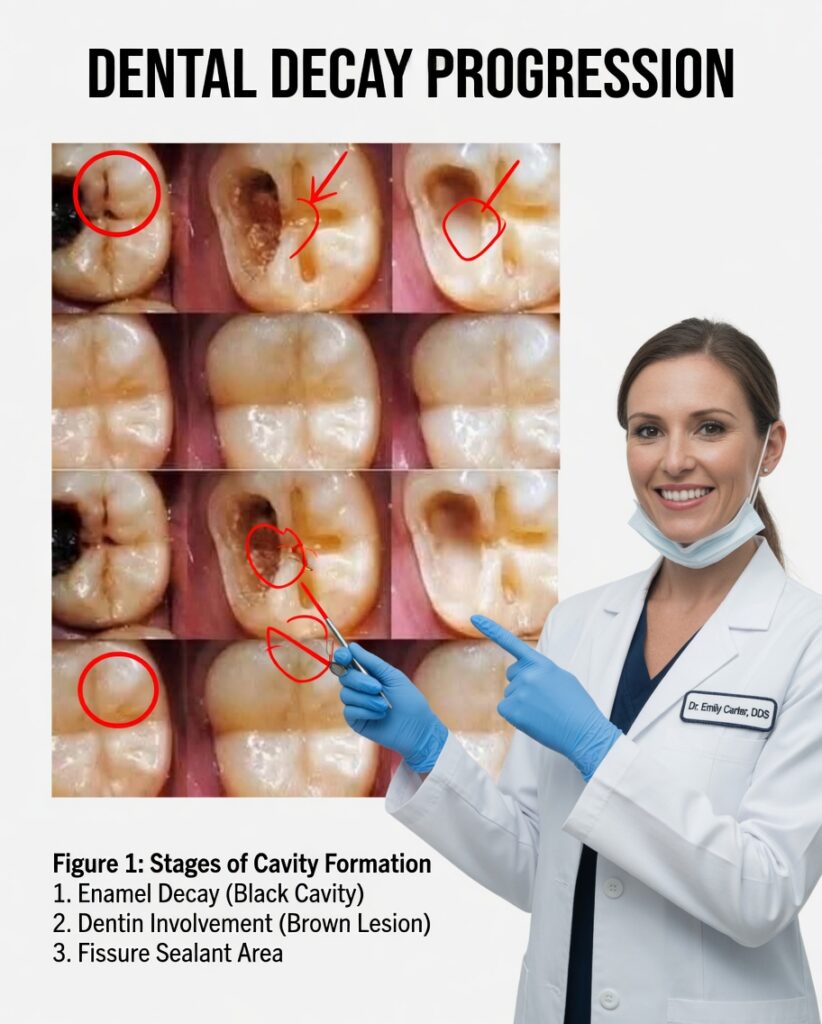
Natural Ways to Improve Dental Health and Prevent Cavities
Strong teeth and healthy gums play a big role in your overall well-being. The good news is that you can support your oral health with simple, natural habits that help protect enamel, reduce plaque, and lower your risk of cavities. By adding the tips below to your daily routine, you can work toward a clean, healthy, bright smile—naturally.
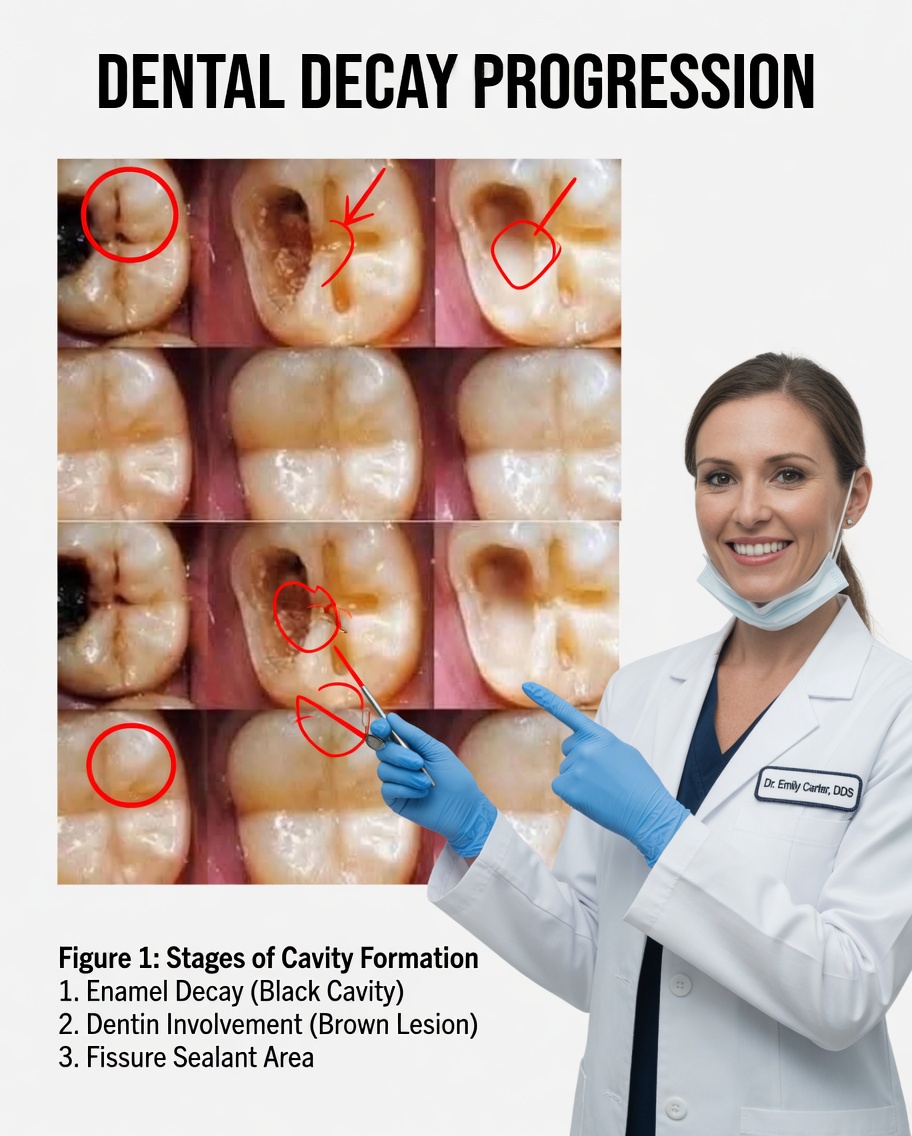
1) Brush and Floss Every Day
Consistent brushing and flossing are the foundation of good oral hygiene.
- Choose a natural toothpaste: Look for fluoride-free options made with ingredients such as neem, tea tree oil, or baking soda.
- Floss daily: Flossing clears plaque and trapped food from between teeth—areas a toothbrush often misses.
2) Try Oil Pulling with Coconut Oil
Oil pulling is a traditional practice that may help reduce bacteria and plaque buildup.
Why it’s useful:
- Helps remove debris and supports a cleaner mouth environment
- May reduce plaque and support cavity prevention
How to do it:
- Take 1 tablespoon of coconut oil.
- Swish gently for 10–20 minutes.
- Spit it out (don’t swallow), then rinse with warm water.
3) Follow a Tooth-Friendly Diet
What you eat affects your enamel and gum health.
Add more of these foods:
- Leafy greens: Provide calcium and folic acid to support enamel and gum tissue
- Crunchy fruits and vegetables: Apples, carrots, and celery can help naturally scrub teeth and stimulate saliva
- Nuts and seeds: Offer minerals like phosphorus and magnesium
Limit these:
- Sugary snacks and desserts
- Acidic drinks (like soda and some juices)
- Sticky foods that cling to teeth
4) Make a Natural Mouthwash at Home
A gentle DIY rinse can help neutralize acids and freshen breath.
Simple recipe:
- 1 cup water
- 1 teaspoon baking soda
- 3 drops peppermint or tea tree essential oil
Swish after meals to help cleanse the mouth and balance acidity.
5) Drink More Water Throughout the Day
Water supports oral health in a surprisingly powerful way.
- Helps rinse away bacteria, acids, and leftover food
- Tip: After sugary or acidic foods, rinse your mouth with water to reduce enamel exposure.
6) Chew Sugar-Free Gum with Xylitol
Xylitol is known for helping reduce the growth of cavity-causing bacteria.
- Promotes saliva production, which helps protect enamel
- Can help lower bacteria linked to tooth decay
7) Support Enamel with a Remineralizing Paste
A simple natural paste may help strengthen enamel over time.
DIY remineralizing paste:
- 2 tablespoons coconut oil
- 1 tablespoon baking soda
- A small pinch of calcium powder
Brush with it a few times per week as part of your routine.
8) Use Clove Oil for Temporary Toothache Relief
Clove oil is widely used for short-term relief due to its natural properties.
- Benefits: Antibacterial support and a soothing, numbing effect
- How to use: Put one drop on a cotton ball and dab gently on the affected area.
9) Add Herbal Support (Neem and Green Tea)
Some herbs are known for supporting oral hygiene.
- Neem: Traditionally used to help reduce plaque and fight bacteria
- Green tea: May help lower inflammation and support a healthier mouth microbiome
10) Don’t Brush Too Hard
Aggressive brushing can wear down enamel and irritate gums.
- Use a soft-bristled toothbrush
- Brush with gentle circular motions, not heavy pressure
11) Get Enough Calcium and Vitamin D
These nutrients work together to support tooth strength.
- Calcium: Helps build and maintain strong teeth
- Vitamin D: Improves calcium absorption
Sources include:
- Dairy foods or fortified plant milks
- Leafy greens
- Safe sunlight exposure
12) Use Activated Charcoal Carefully for Whitening
Activated charcoal may help lift surface stains when used occasionally.
How to use:
- Dip a wet toothbrush into charcoal powder
- Brush gently once a week (avoid overuse)
13) Soothe Gums with Aloe Vera
Aloe vera can help calm irritated gum tissue.
How to use:
- Apply pure aloe vera gel to gums
- Rinse after 10 minutes
14) Reduce Frequent Snacking
Constant snacking—especially on sugary foods—can lead to repeated acid attacks on enamel.
- Aim for balanced meals
- Keep snacks limited, particularly sweet or sticky ones
15) See a Dentist Regularly
Natural oral care works best when paired with professional support.
- Cleanings remove hardened plaque (tartar)
- Check-ups help catch problems early and protect long-term oral health
Quick Natural Toothpaste Recipe (DIY)
Ingredients:
- 2 tablespoons coconut oil
- 1 tablespoon baking soda
- 5 drops peppermint essential oil
- 1/2 teaspoon xylitol (optional)
Instructions:
- Mix everything into a smooth paste.
- Store in a small clean jar.
- Use daily like regular toothpaste.
Final Thoughts
Preventing cavities and improving dental health naturally comes down to consistent daily care, smart food choices, and a few simple natural remedies. With the right habits—like gentle brushing, flossing, hydration, and tooth-friendly nutrition—you can protect your enamel, support healthier gums, and maintain a confident smile.