Why Knee Cartilage Health Matters
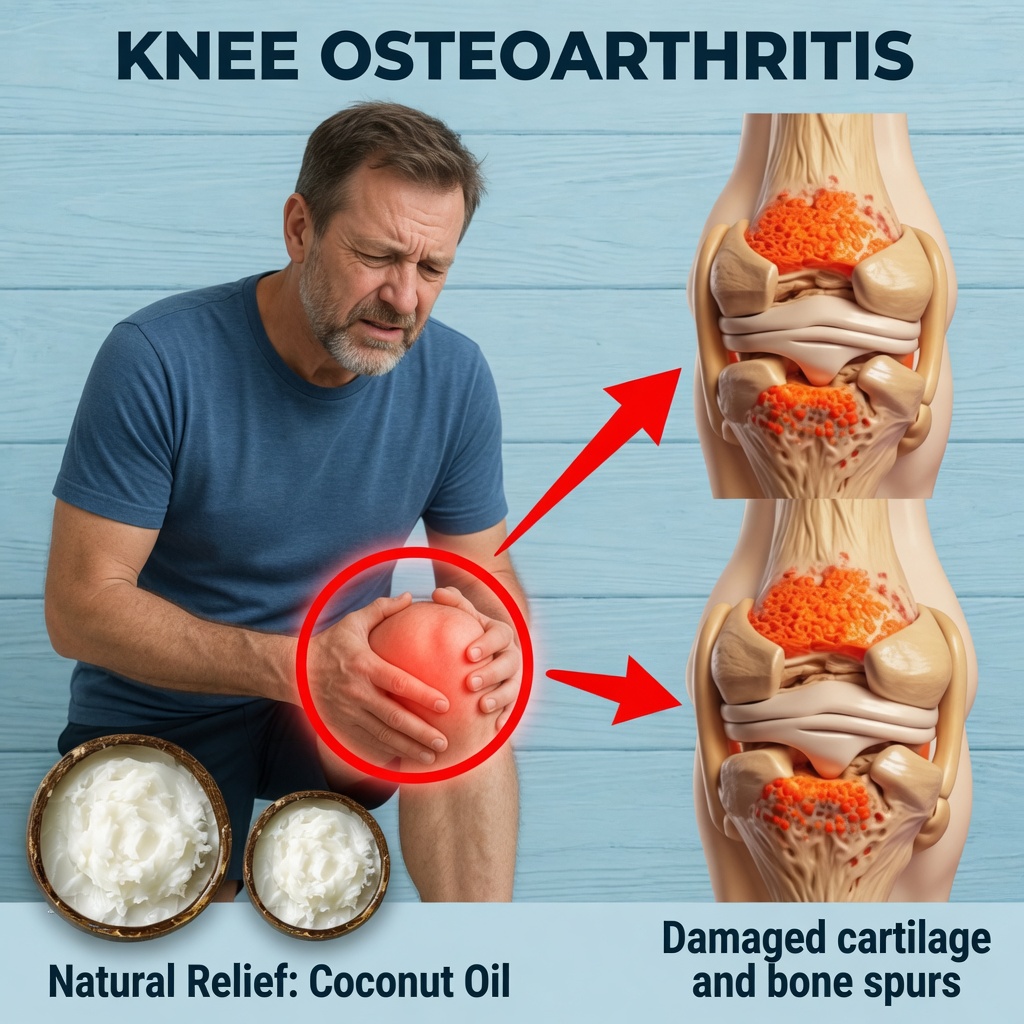
Knee cartilage acts like a natural shock absorber, helping your joints move smoothly while protecting the bones from friction. Over the years, daily wear, sports injuries, and conditions such as osteoarthritis can gradually thin or damage this cartilage. Although cartilage cannot fully regrow on its own, a joint-friendly diet can support collagen production, lower inflammation, and protect cartilage from further breakdown.
Best Foods to Support Knee Cartilage Repair and Joint Health
1. Bone Broth
- How it helps: Bone broth provides collagen, key amino acids, and compounds such as glucosamine that may help support cartilage structure and overall joint function.
- Easy ways to eat it: Sip a warm cup daily or use it as a base for soups, stews, and grains.
2. Fatty Fish (Salmon, Sardines, Mackerel)
- How it helps: These fish are rich in omega-3 fatty acids, known for reducing joint inflammation and supporting lubrication within the joint.
- Easy ways to eat it: Include 2–3 servings per week, or consider a fish oil supplement if recommended.
3. Leafy Greens (Spinach, Kale, Broccoli)
- How it helps: Leafy vegetables offer vitamin K and antioxidants that help protect cartilage from oxidative stress.
- Easy ways to eat it: Mix into smoothies, add to salads, or sauté as a side dish.
4. Citrus Fruits (Oranges, Grapefruit, Lemons)
- How it helps: Citrus is packed with vitamin C, a nutrient essential for collagen synthesis, which is important for cartilage support.
- Easy ways to eat it: Eat whole fruit, add lemon to water, or drink fresh juice in moderation.
5. Nuts and Seeds (Almonds, Walnuts, Chia, Flax)
- How it helps: Many nuts and seeds supply vitamin E and healthy fats, including omega-3s, which can help reduce inflammation and support cartilage protection.
- Easy ways to eat it: Snack on a small handful or sprinkle over yogurt, oatmeal, or salads.
6. Garlic
- How it helps: Garlic contains compounds such as diallyl disulfide, which may help limit inflammatory processes linked to cartilage damage.
- Easy ways to eat it: Cook with fresh garlic regularly or use it in sauces and marinades.
7. Berries (Blueberries, Strawberries, Raspberries)
- How it helps: Berries are rich in polyphenols and antioxidants that can help combat inflammation and support joint tissue health.
- Easy ways to eat it: Enjoy as a snack, blend into smoothies, or add to yogurt.
8. Beans and Lentils
- How it helps: These provide plant protein to support tissue repair plus minerals like zinc, which plays a role in healing and regeneration.
- Easy ways to eat it: Add to soups, stews, grain bowls, and salads.
9. Extra Virgin Olive Oil
- How it helps: Olive oil contains anti-inflammatory compounds and antioxidants that support overall joint health.
- Easy ways to eat it: Use as a salad dressing, drizzle over vegetables, or cook on low-to-medium heat.
10. Green Tea
- How it helps: Green tea delivers catechins, antioxidants that may help reduce inflammation and protect cartilage cells.
- Easy ways to drink it: Aim for 2–3 cups per day, unsweetened.
11. Eggs
- How it helps: Eggs provide high-quality protein and sulfur, both linked to supporting connective tissue and collagen-related processes.
- Easy ways to eat it: Boiled, scrambled, poached, or in an omelet with vegetables.
12. Turmeric
- How it helps: Turmeric contains curcumin, widely studied for its anti-inflammatory properties that may help slow cartilage breakdown.
- Easy ways to eat it: Stir into soups, curries, smoothies, or tea—add a pinch of black pepper to improve absorption.
Tips to Protect Cartilage and Maximize Knee Joint Health
- Stay hydrated: Water helps keep cartilage more elastic and better cushioned.
- Maintain a healthy weight: Less body weight means less pressure on knee cartilage with every step.
- Cut back on ultra-processed foods: Added sugars and trans fats can increase inflammation and worsen joint discomfort.
- Move consistently: Low-impact exercise—such as swimming, cycling, walking, or yoga—supports mobility and strengthens the muscles that stabilize the knees.
Final Thoughts
While damaged cartilage is difficult to fully restore, the right nutrition can make a real difference. By adding these anti-inflammatory, collagen-supporting foods to your routine—along with regular movement, hydration, and healthy weight management—you can help protect your knees, support joint function, and stay active for the long term.