The Tragic Story of Mufasa: From Circus Captivity to a Brief Taste of Freedom
For more than two decades, Mufasa, a powerful and beautiful lion, lived a life defined by cruelty and confinement. While being used by a traveling circus in Peru, he spent much of his existence chained in the back of an aging, rusted pickup truck—a stark symbol of the freedom taken from him. Instead of the space, stimulation, and dignity a wild animal needs, Mufasa endured years of neglect that left visible marks on his body and spirit.
How Mufasa’s Case Came to Light
Mufasa’s ordeal became widely known in 2015, when Animal Defenders International (ADI) found him during a major rescue mission focused on dismantling illegal circus operations in South America. Although Peru had introduced a ban on wild animals in circuses, enforcement moved slowly, and many animals continued suffering out of public view.
Mufasa was among the last animals ADI was able to rescue during this campaign—an outcome that underscored how difficult it can be to turn legal protections into real-world change.
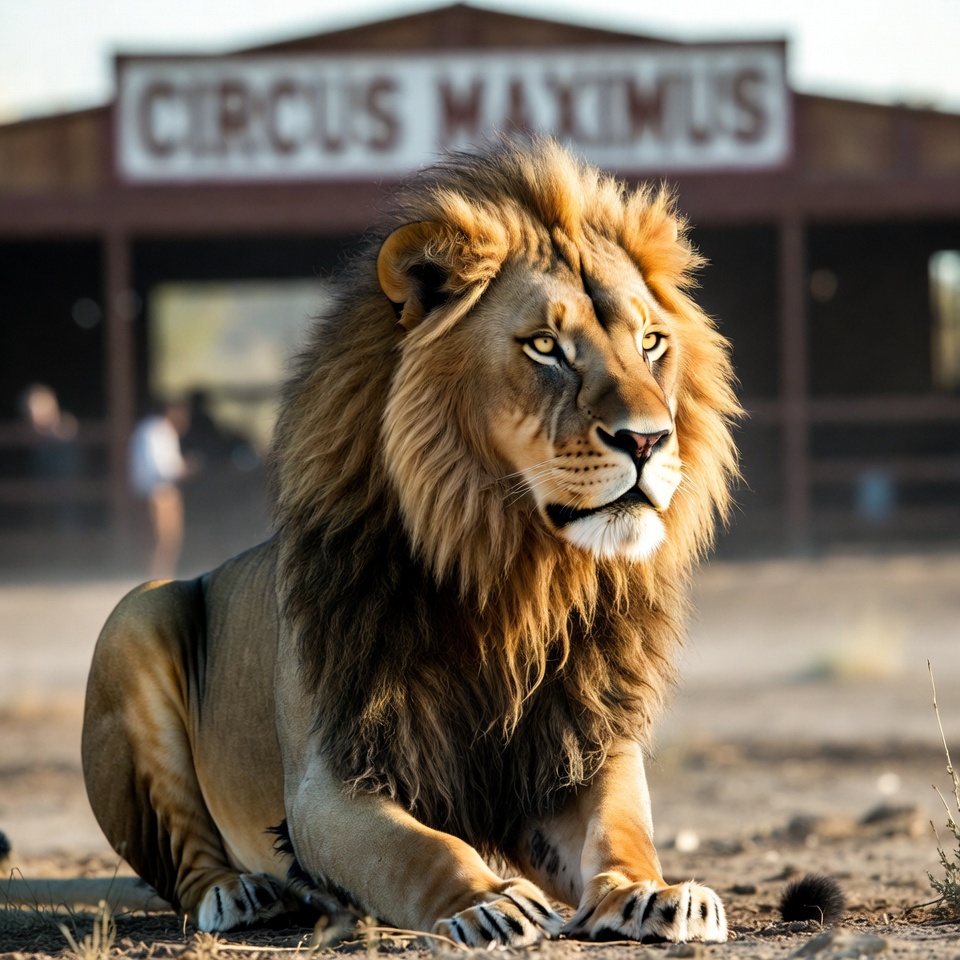
A Lion Kept as Cargo
When rescuers located him, Mufasa was tightly restrained in the truck bed, showing the effects of long-term mistreatment. The vehicle had effectively become his lifelong cage. Years of harsh conditions had left him physically worn and scarred, offering a disturbing glimpse into the realities of wild animal exploitation for entertainment.
His story exposed what audiences often don’t see: behind the performances, animals may be living in chronic stress, restricted movement, and poor welfare conditions.
The Difficult Road to Rescue
Freeing Mufasa was not simple. The circus operators were reluctant to release a lion they had relied on for years. ADI faced weeks of resistance, along with legal hurdles and negotiations, before finally securing his release.
Once rescued, Mufasa was transported to a wildlife sanctuary, where he could spend his remaining time in an environment that looked far more like a natural home than the metal and chains that had defined his past.
First Steps Into a New Life
Footage from the sanctuary captures Mufasa’s early moments of freedom. He cautiously explored his new surroundings—experiencing grass beneath his paws, trees offering shade, and the open sky overhead. Where his expression had once appeared exhausted and resigned, he now showed signs of curiosity and calm.
After more than twenty years of confinement, Mufasa finally experienced the kind of life every wild animal deserves: space, comfort, and peace.
Freedom Came Too Late
Tragically, Mufasa’s new beginning was short. In late 2015, only a few months after his rescue, he died from kidney failure, compounded by old age and the long-term impact of neglect.
Those who saved him were devastated, yet they took some comfort in one important truth: his final months were filled with care, safety, and compassion—things he had been denied for most of his life.
Why Mufasa’s Story Still Matters
Mufasa’s journey remains a powerful reminder of the suffering that can result from using wild animals in circuses and other entertainment settings. His rescue highlights:
- The ongoing need for stronger animal welfare protections
- The importance of enforcing bans on wild animals in circuses
- The critical role of organizations like Animal Defenders International
- A growing global movement to end the exploitation of wild animals
Though his freedom was brief, it was meaningful. Mufasa became a symbol of both animal resilience and the difference that determined, compassionate action can make.
A Legacy of Hope and Accountability
Mufasa’s final chapter was heartbreaking, but it also carried a message that continues to inspire people worldwide: no animal should spend a lifetime in chains for human amusement. His story fuels renewed calls for stronger safeguards, better enforcement, and a future where wild animals are never forced to endure what he did.