Why Mobility Often Gets Worse With Age
Pilates is popular for a simple reason: it helps people move well. We have all seen Pilates instructors who stay fluid and strong at every age. They build mobility without overstretching, and they develop strength without relying on heavy lifting. That balance is what makes Pilates so appealing.
Even so, many people stretch regularly and still do not feel much improvement. When the body is not in proper alignment, stretching tends to be less effective. Over time, poor movement patterns can place more strain on the joints and contribute to chronic pain. Good alignment matters because it helps reduce joint stress and supports better movement throughout the body.
What Causes Stiffness, Strain, and Poor Movement?
A common issue is that people focus only on stretching deeper instead of moving with control. Pilates takes a different approach. It combines stretching, strength, and mobility through controlled movement. Rather than forcing range of motion, it teaches the body how to move well.
This is especially important for the spine, shoulders, core, and hips. If these areas are not working together, the body may compensate in ways that increase lower back strain, shoulder discomfort, or stiffness. Pilates routines are designed to improve mobility while helping the body stay supported at any age.
5 Pilates Moves to Improve Mobility and Support Your Body
1. Spine Reset
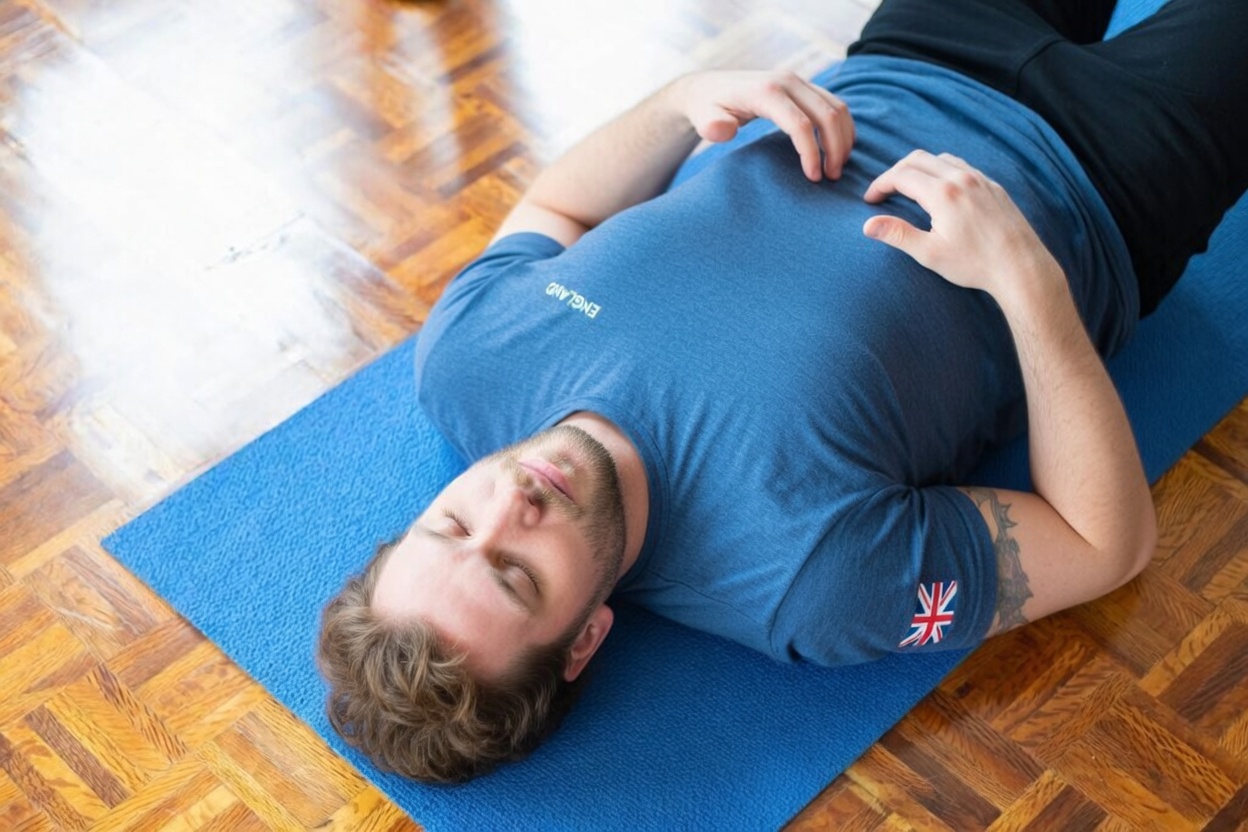
Spinal awareness is a key part of Pilates. Many Pilates exercises rely on understanding the difference between a neutral spine and an imprinted spine.
- Neutral spine means lying on your back so your spine reflects its natural standing posture.
- Imprinted spine means flattening the spine into the floor and removing its natural curve.
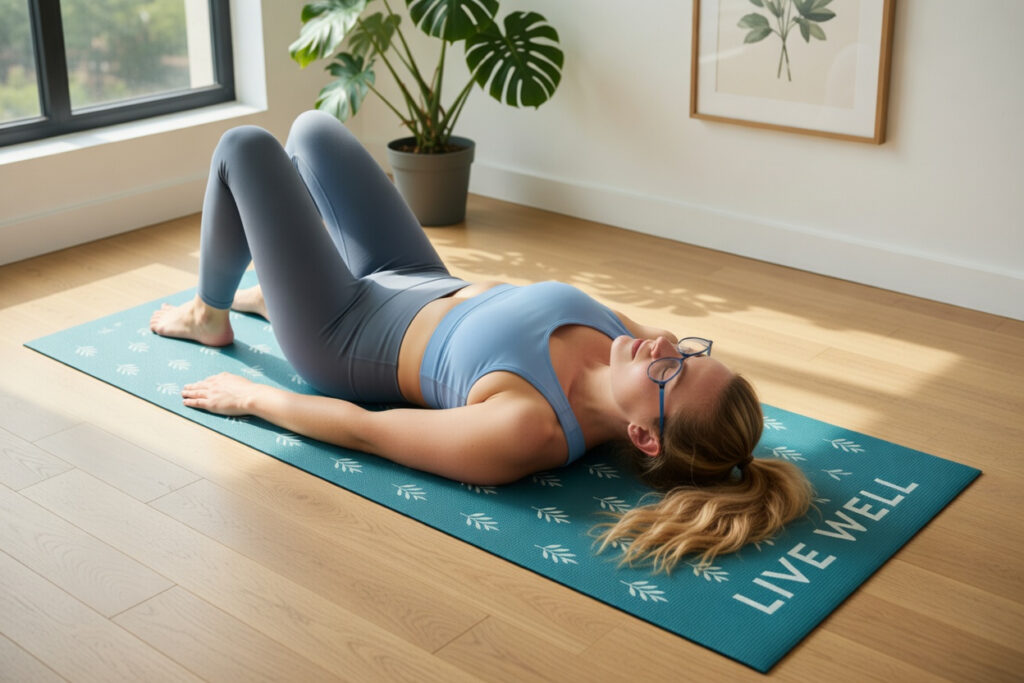
Moving between these two positions can improve spinal control. To practice:
- Lie on your back with your face up.
- Bend your knees and place your feet on the floor.
- Inhale slowly to find a neutral pelvis.
- Exhale and gently press your lower back into the ground.
This action should come from the deep abdominal muscles, not only the glutes. Practicing this movement can help reduce chronic low back pain and improve how the body distributes load.
2. Decompression
In Pilates, movement is often done one vertebra at a time. The goal is not a deeper stretch, but controlled articulation. A slow roll-down can safely improve spinal flexibility while helping decompress the body.
Unlike faster forward folds, this version is more deliberate. It also supports the mind-body connection, which can lead to improvements in both physical and mental health.
To try it:
- Stand tall against a wall.
- Gently nod your chin toward your chest.
- Slowly roll down through the upper back.
- Continue through the middle back.
- Let the lower spine release last.
This movement can improve spinal circulation. Since discs rely heavily on movement, decompression helps them move and function properly. Healthy discs can reduce the risk of back pain. Try five to eight repetitions.
3. Deep Core Activation
Pilates breathing is different from regular belly breathing. Instead of sending the breath only into the belly, Pilates breathing expands the ribs out to the sides. That sideways expansion helps keep the core gently active.
The core plays an important role in spinal stability. Activating it early can help support the back and may help prevent back pain sooner.
To practice:
- Lie on your back.
- Place your hands on your ribs.
- Inhale into the sides of the rib cage until you feel the ribs widen.
- Exhale slowly and draw the lower belly inward.
While doing this, avoid pushing the belly outward or lifting the chest during the exhale. This technique helps improve coordination between breathing and movement. It can also support posture and build endurance in the deep abdominal muscles.
4. Shoulder Blade Control
Shoulder pain often becomes more common with age and can start affecting daily movement. In many cases, poor control of the shoulder blades is part of the problem. Pilates helps strengthen the muscles that stabilize the scapula, and these movements are easy to do at home.
Stable shoulder blades are important because they help reduce joint stress.
To begin:
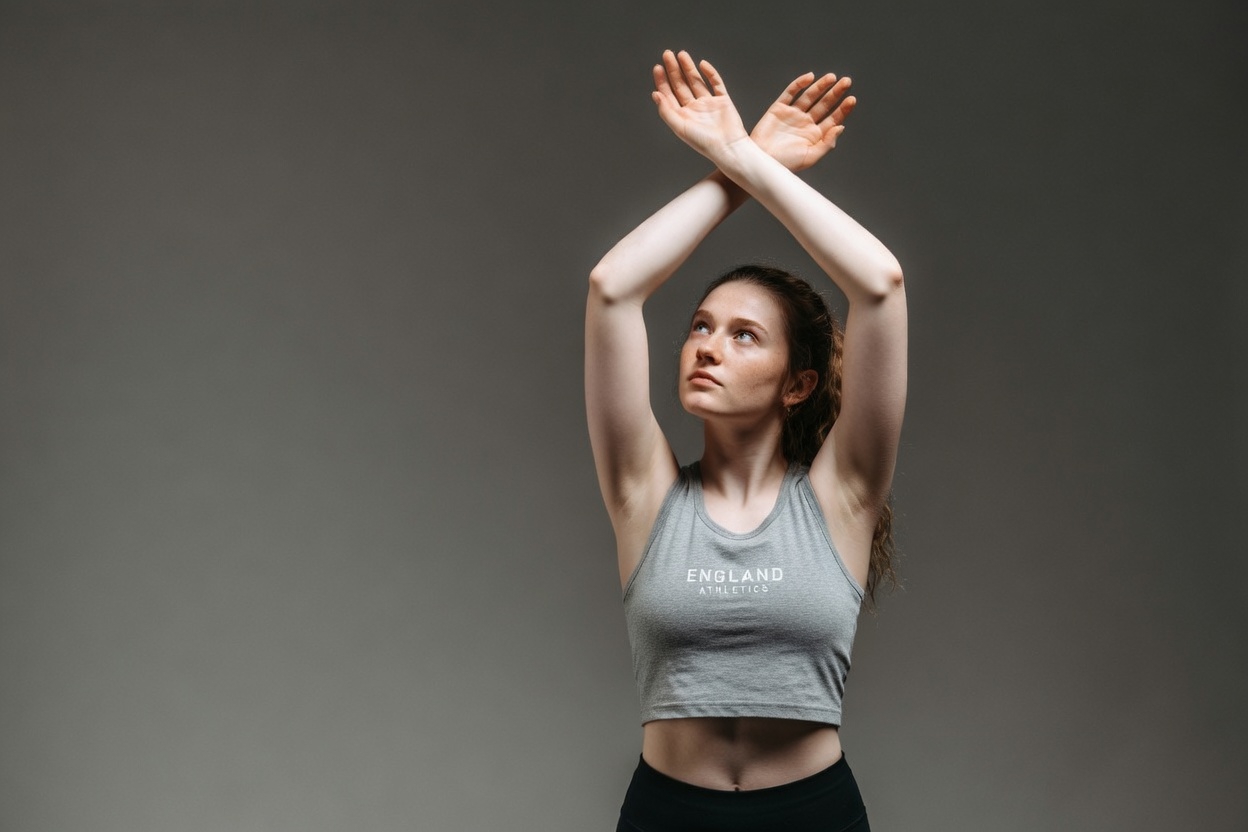
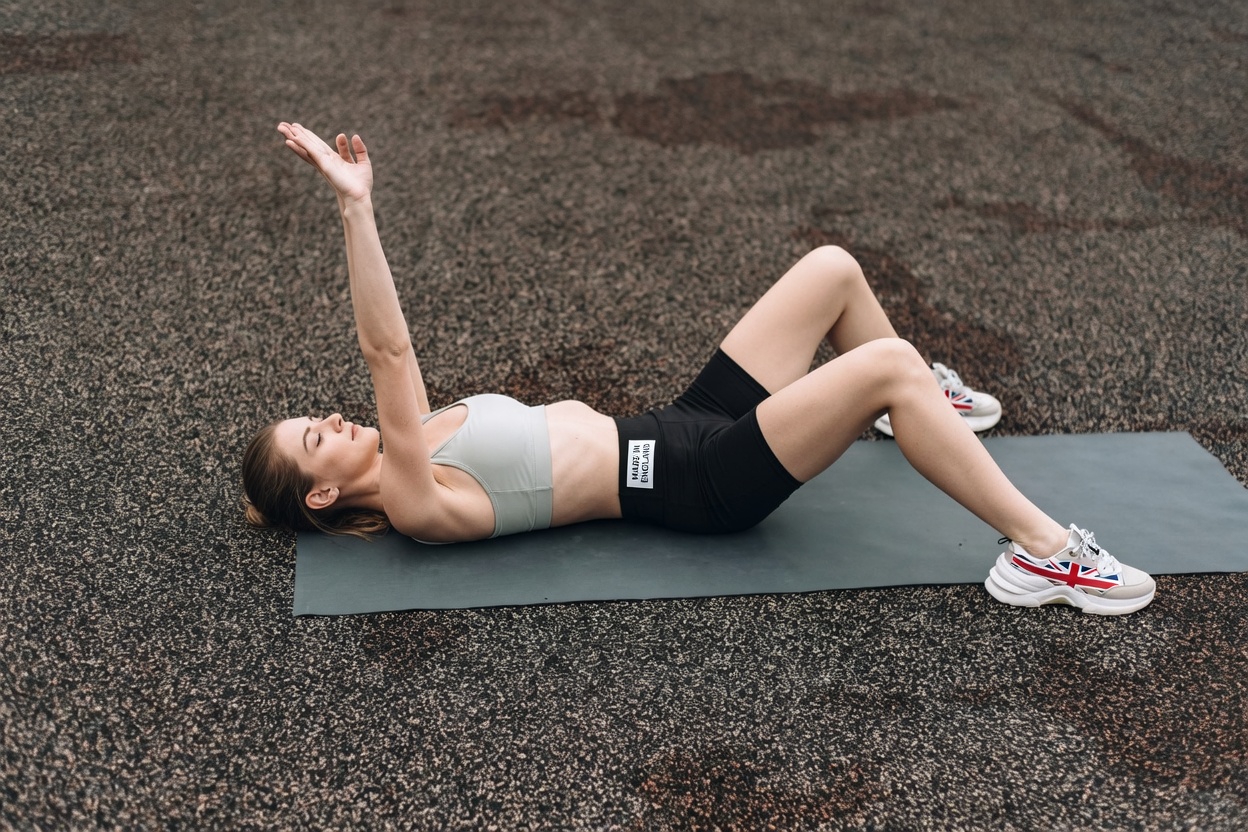
- Lie on your back with your arms lifted.
- Reach your arms gently toward the ceiling.
- Draw your shoulder blades back down.
- Keep your elbows straight.
This can help reduce rounded shoulders, which may put strain on the neck. You can also add slow arm circles while keeping the ribs steady. Be careful not to arch the lower back. Done consistently, these exercises can help keep the shoulders from becoming stiff.
5. Hip Drills
Many people pay attention to spinal movement but forget about the hips. That can be a mistake, because the hips are a major part of mobility. If the spine moves without enough help from the hips, the lower back may take on too much strain.
Pilates teaches you to separate hip movement from spinal movement so both areas receive equal attention.
To try this drill:
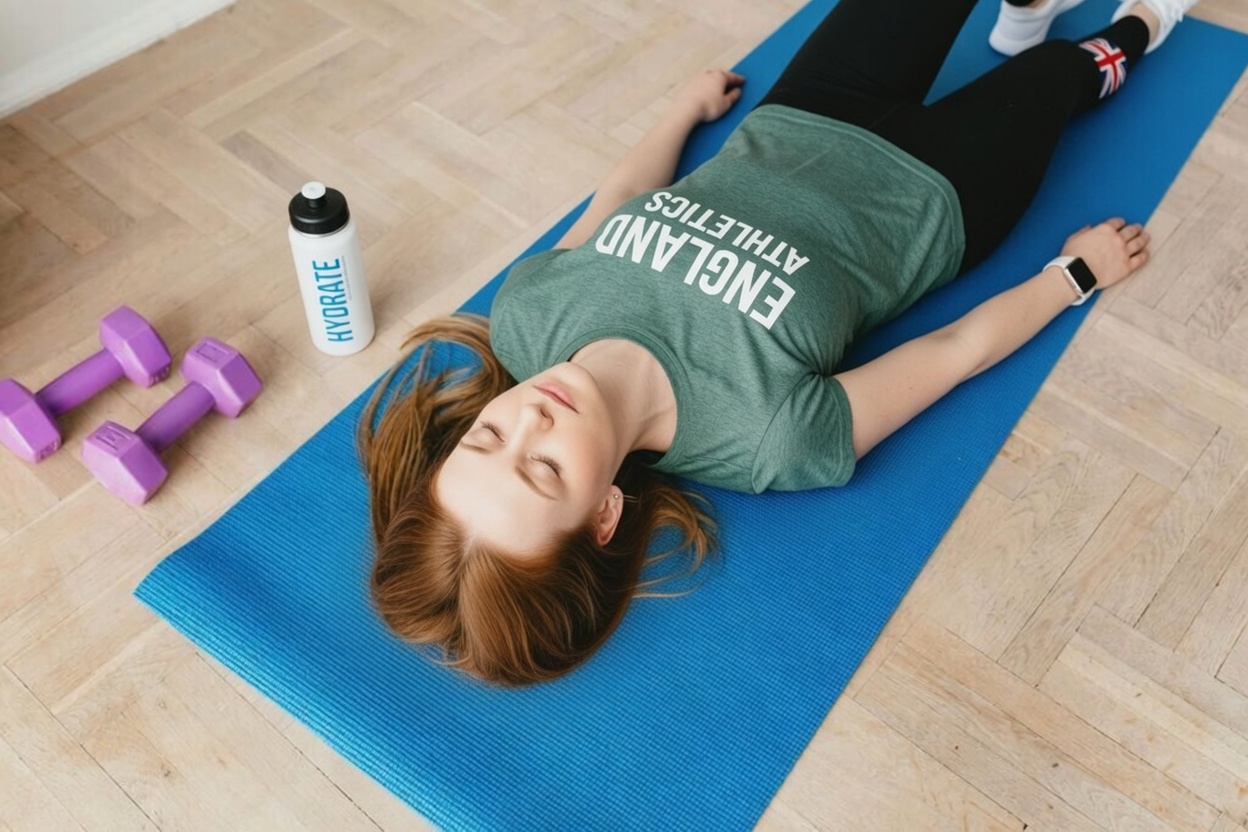
- Lie on your back in a neutral spine.
- Slowly lift one knee toward tabletop.
- Keep the pelvis completely still.
- Avoid rocking or tilting the body.
- Add slow toe taps from this position.
- Control the movement as the foot returns down.
These drills can improve pelvic control and stability, reduce disc pressure, and improve hip mobility. Healthy hip mobility supports walking and running well into older age.
A Simple Way to Stay Mobile
You do not need a complicated workout routine to stay mobile as you get older. Some of the most useful exercises are simple, effective, and require no equipment. A flat mat or another stable surface is enough.
Because these movements can be done at home, they are easier to fit into daily life. You can practice them whenever it works best for your schedule. What matters most is making them a regular part of your routine.
Consult a healthcare professional before making changes.