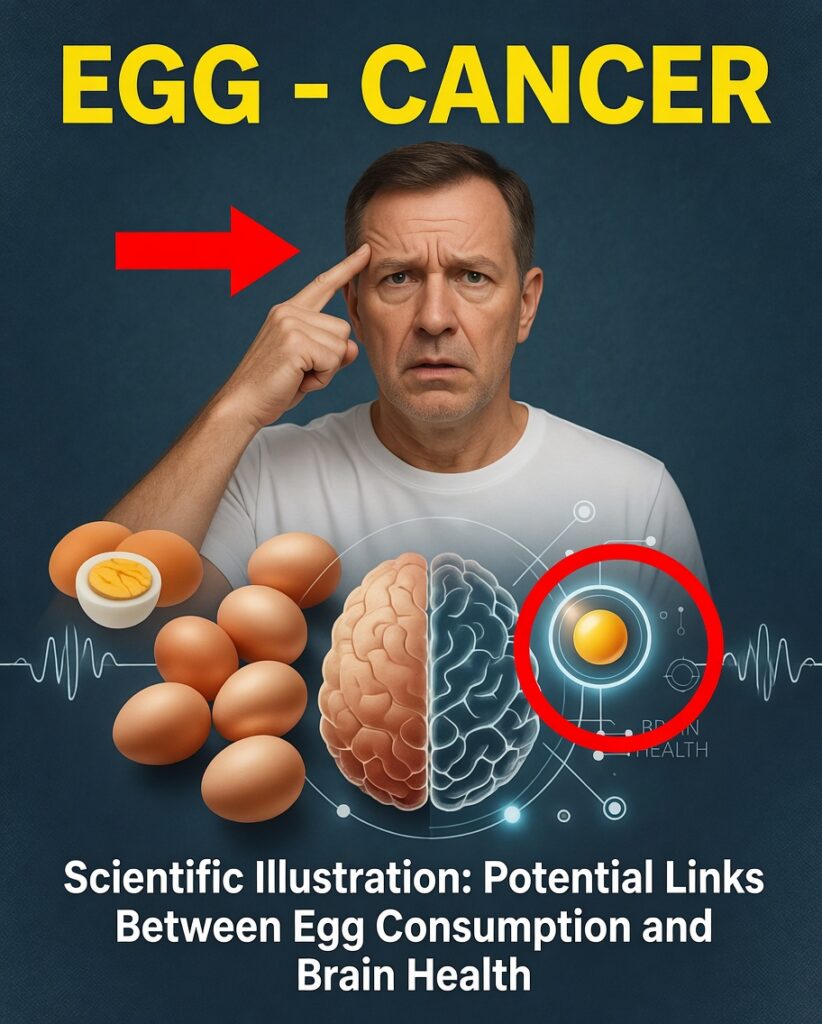
Eggs: A Nutrient-Dense Staple (and Why Pairings Matter)
Eggs are one of the most versatile foods on the planet—easy to cook, affordable, and naturally rich in high-quality protein, key vitamins, and essential nutrients. They fit into breakfast, lunch, and dinner in countless cuisines. However, the overall health impact of an egg-based meal doesn’t depend on eggs alone. Certain foods commonly eaten with eggs can create less healthy meals and may contribute to long-term problems such as inflammation and chronic disease risk.
In this guide, you’ll learn which unhealthy egg combinations to limit and discover three healthy egg recipes that help you get the most nutrition from your plate.
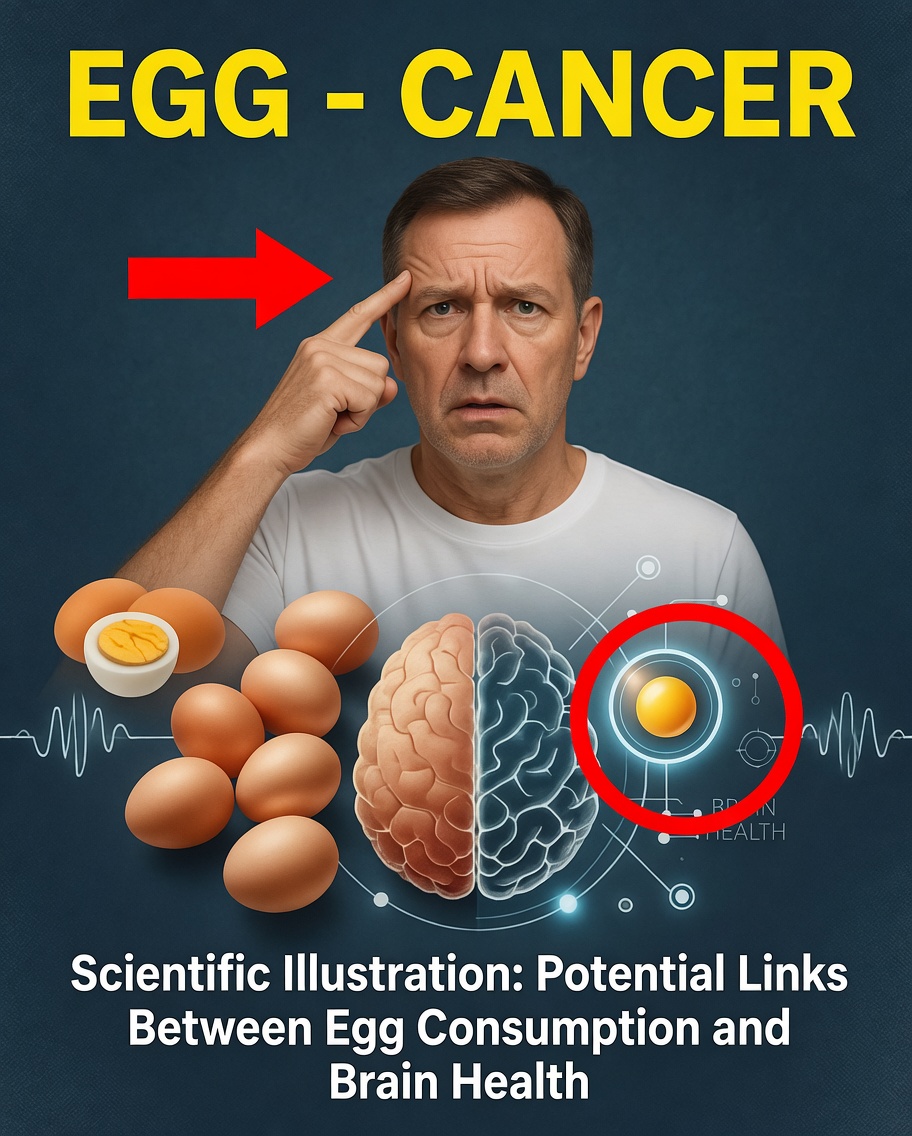
Why Some Egg Combinations Can Be Harmful
Eggs themselves are not the issue. The problem is what happens when eggs are paired with specific foods—especially those that are highly processed, deep-fried, or loaded with added sugar. These combinations can encourage:
- Unhealthy compounds forming during high-heat cooking
- Excess saturated fat and sodium intake
- Blood sugar spikes and ongoing inflammation
- Poorer outcomes for heart and brain health over time
Below are three common pairings that are best kept as occasional treats rather than daily habits.
3 Worst Egg Combinations to Avoid (and Better Alternatives)
1) Eggs and Processed Meats (Bacon, Sausage, Deli Meat)
Eggs and bacon may feel like the “classic” breakfast, but processed meats often contain nitrates and nitrites. When cooked at high temperatures, these can contribute to the formation of nitrosamines, compounds associated with higher health risks when consumed frequently.
Why it’s a problem
- Often high in sodium and saturated fat
- Heating cured meats may increase exposure to potentially harmful compounds
Healthier swap
- Replace bacon/sausage with avocado, tomatoes, or sautéed mushrooms for a more balanced, nutrient-focused meal.
2) Eggs with Deep-Fried Sides (Hash Browns, Fried Potatoes)
Pairing eggs with deep-fried potatoes can turn a nutritious meal into one that’s heavy in calories and low in protective nutrients. Deep-frying may also increase unhealthy fats, which can negatively affect cholesterol levels and overall cardiovascular health.
Why it’s a problem
- Adds excessive unhealthy fats
- Can increase LDL (“bad”) cholesterol and burden heart health
Healthier swap
- Choose roasted sweet potatoes or oven-baked potatoes seasoned with herbs.
3) Eggs and Sugary Pastries (Donuts, Muffins, Syrupy Foods)
When eggs are eaten alongside sugary baked goods or sweetened drinks, the meal becomes a mix of protein plus a high sugar load. This can cause sharp blood sugar fluctuations and may promote inflammation over time.
Why it’s a problem
- High sugar intake can increase inflammation and contribute to fatigue and brain fog
- Often combines sugar with refined flour and unhealthy fats
Healthier swap
- Pair eggs with whole-grain toast, berries, or fresh fruit for steadier energy and better nutrient balance.
3 Healthy Egg Recipes for Better Nutrition
Once you remove the most problematic pairings, eggs become an excellent foundation for a balanced diet. Try these easy, nutrient-forward egg recipes that work for busy mornings or quick dinners.
1) Avocado and Egg Breakfast Bowl
A satisfying bowl that blends protein with healthy fats and fresh produce.
Ingredients
- 2 large eggs
- 1 ripe avocado
- 1/2 cup cherry tomatoes, halved
- 1/4 cup spinach, chopped
- 1 tsp olive oil
- Salt and pepper, to taste
Instructions
- Warm olive oil in a skillet over medium heat.
- Cook the eggs your preferred way (scrambled, fried, or sunny-side-up).
- Add avocado, spinach, and tomatoes to a bowl.
- Top with eggs and season with salt and pepper.
Why it’s healthy
- Eggs provide complete protein
- Avocado adds monounsaturated fats that support heart and brain function
2) Veggie-Packed Egg Muffins (Meal Prep Friendly)
A simple make-ahead option you can customize with whatever vegetables you have.
Ingredients
- 6 large eggs
- 1/2 cup bell peppers, diced
- 1/4 cup broccoli, chopped
- 1/4 cup carrots, shredded
- 1/4 cup cheese, grated (optional)
- Salt and pepper, to taste
Instructions
- Preheat oven to 375°F (190°C) and grease a muffin tin.
- Whisk eggs with salt and pepper.
- Stir in vegetables and cheese (if using).
- Fill each muffin cup about 3/4 full.
- Bake 20–25 minutes until set. Cool slightly before serving.
Why it’s healthy
- Vegetables add fiber, antioxidants, and micronutrients
- Great for steady energy and portion control
3) Egg and Spinach Stir-Fry (Fast Lunch or Dinner)
A quick, savory dish that feels light but delivers real nutrition.
Ingredients
- 3 large eggs
- 2 cups fresh spinach
- 1 garlic clove, minced
- 1 tbsp olive oil
- Salt, pepper, red chili flakes (optional)
Instructions
- Heat olive oil in a pan over medium heat. Sauté garlic until fragrant.
- Add spinach and cook until wilted.
- Move spinach to one side and scramble eggs on the other side.
- Combine, season to taste, and serve warm.
Why it’s healthy
- Spinach contributes iron and antioxidants
- Eggs add protein for fullness and muscle support
Tips for Cooking Eggs the Healthy Way
- Choose fresh eggs: Use clean shells and check dates; avoid cracked eggs.
- Don’t overcook: Excess heat can increase oxidized cholesterol and reduce quality.
- Use smarter cooking methods: Prefer boiling, poaching, or light pan-cooking over deep-frying.
- Flavor with herbs and spices: Try turmeric, black pepper, oregano, paprika, or garlic instead of sugary sauces or highly processed condiments.
Final Takeaway
Eggs can be a powerful part of a healthy diet—especially when paired with vegetables, whole foods, and healthy fats. For better long-term wellness, limit combinations like processed meats, deep-fried sides, and sugary pastries, and choose balanced meals like the recipes above.
Make your egg meals work for you by building plates that support heart health, brain health, and stable energy.