
Castor Oil and Baking Soda: A Folk Remedy Overview (Benefits, Uses, and Safety)
A popular home-remedy idea in natural health circles combines castor oil and baking soda. Supporters say this duo may help with minor skin irritation, everyday aches, and even gentle “detox” support. That said, strong scientific evidence is limited, and this mix should not be treated as a replacement for medical care. For persistent symptoms, worsening discomfort, or any serious condition, speak with a qualified healthcare professional.
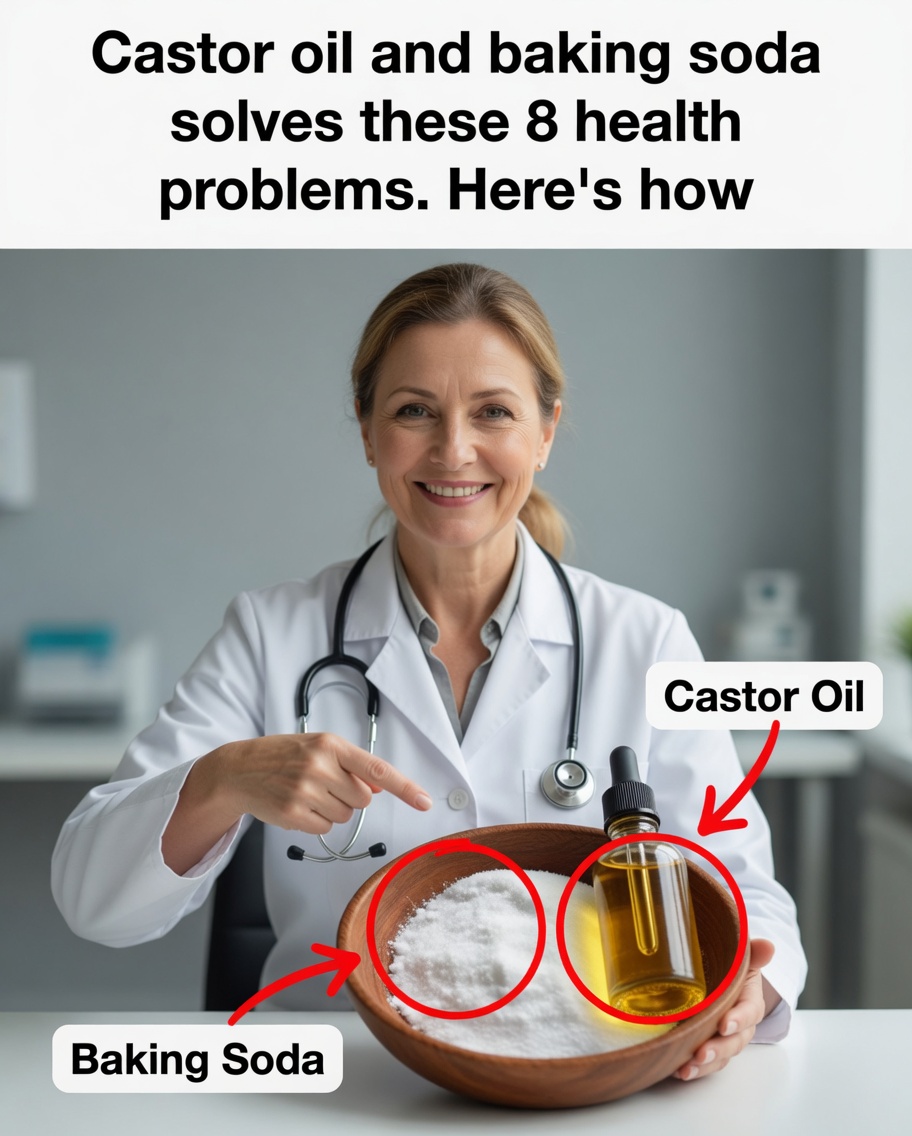
Why People Combine Castor Oil and Baking Soda
Castor oil (topical use)
Castor oil is frequently used in DIY skincare and traditional wellness routines because it is:
- High in ricinoleic acid: Often associated with soothing, anti-inflammatory effects that may ease minor discomfort and calm irritated skin.
- Naturally moisturizing: Helps reduce dryness and may support the skin barrier during mild irritation.
- Used in castor oil packs (anecdotal): Some people apply warm castor oil packs to encourage relaxation and “lymphatic support,” though clinical proof is not robust.
Baking soda (sodium bicarbonate)
Baking soda is a common household ingredient with topical uses, including:
- Alkaline action: May help balance the skin surface for certain irritation triggers.
- Gentle exfoliation: Works as a mild abrasive, helping lift dead skin when used carefully.
- Mild cleansing effect: Sometimes described as lightly antiseptic, though it can also be irritating for sensitive skin if overused.
Potential Uses and Simple DIY Recipes
1) Castor Oil + Baking Soda Paste (for mild skin irritation)
May be used for:
- Small itchy or irritated spots
- Rough, dry patches (limited areas)
Ingredients:
- 1 tablespoon castor oil
- 1 teaspoon baking soda (adjust as needed)
Directions:
- Make a paste: Mix castor oil with baking soda until it becomes spreadable.
- Too thick? Add a few drops of castor oil.
- Too runny? Add a pinch more baking soda.
- Apply gently: Spread a thin layer over the area.
- Wait: Leave on for 10–15 minutes.
- Remove: Rinse with lukewarm water or wipe off with a damp cloth.
How often: Once daily or a few times per week. Stop if redness, burning, or irritation increases.
2) Castor Oil Pack + Baking Soda Rinse (for soothing everyday aches)
May be used for:
- Mild muscle soreness
- Minor joint discomfort
- Relaxation and “detox-like” support (mainly anecdotal)
Ingredients:
- 2–3 tablespoons castor oil
- Cotton flannel or a soft cloth square
- Plastic wrap or a plastic bag (to protect clothing/bedding)
- Heating pad or hot water bottle
- 1 teaspoon baking soda (for a rinse)
Directions:
- Prepare the pack: Saturate the cloth with castor oil until well soaked (but not dripping).
- Place it on the area: Common areas include the lower abdomen or lower back (avoid broken or highly sensitive skin).
- Cover: Add plastic wrap to prevent stains.
- Apply warmth: Place a heating pad or hot water bottle on top and relax for 30–60 minutes.
- Rinse afterward: Mix 1 teaspoon baking soda into 1 cup warm water. Wipe the area with a cloth to remove leftover oil and help soothe the skin.
How often: About once or twice weekly, or based on guidance from a practitioner.
3) Castor Oil + Baking Soda Scrub (for rough skin areas)
May be used for:
- Dry, rough elbows or knees
- Thick skin on feet (gentle exfoliation)
Ingredients:
- 1 tablespoon castor oil
- 1 tablespoon baking soda
- Optional: 2–3 drops essential oil (e.g., lavender or peppermint) for scent
Directions:
- Mix: Stir until you get a grainy scrub texture.
- Use on damp skin: Massage lightly in circular motions on rough areas.
- Don’t over-scrub: Baking soda can be abrasive—gentle pressure is key.
- Rinse and moisturize: Rinse with warm water, pat dry, and apply moisturizer if needed.
Important Safety Notes and Precautions
- Patch test first: Try a small amount on the inner wrist or forearm and wait 24 hours to check for irritation.
- Not a medical treatment: Do not rely on this for chronic pain, severe skin conditions, infections, or systemic illness.
- Avoid sensitive or broken skin: Keep away from eyes, mucous membranes, and open cuts—both ingredients can cause stinging or irritation.
- Stop if symptoms worsen: Burning, increased redness, swelling, or rash are signs to discontinue and consider medical advice.
- Store properly:
- Keep castor oil in a cool, dry location.
- Store baking soda away from moisture.
- Make pastes/scrubs in small batches to reduce contamination risk.
- Results vary: Some people notice softer skin or temporary comfort; others may see little benefit.
Bottom Line
Using castor oil and baking soda is a simple DIY approach that some people find helpful for minor skin concerns, rough patches, or gentle soothing routines. However, the benefits—especially “detox” claims—are largely based on personal experience rather than strong scientific evidence. For long-term health, prioritize proven self-care (sleep, movement, balanced diet) and seek professional medical guidance when symptoms are persistent or serious.