Lemon and Varicose Veins: What It Can (and Can’t) Do
Lemon is sometimes mentioned in home remedies for varicose vein relief, usually because of its antioxidant content and refreshing feel when used on the skin. Still, it’s important to keep expectations realistic: varicose veins are a circulation and valve issue, and they often need a broader, evidence-based plan to manage symptoms and appearance.
Varicose Veins: A Quick Explanation
What Are Varicose Veins?
Varicose veins are enlarged, twisted veins—most often seen in the legs—caused by weakened vein valves and reduced blood flow efficiency. They can lead to:
- Leg heaviness or aching
- Swelling
- Visible bulging veins and cosmetic concerns
Common Causes and Risk Factors
Several factors increase the likelihood of developing varicose veins, including:
- Family history and genetics
- Jobs that require long periods of standing or sitting
- Pregnancy and hormone fluctuations
- Aging
- Excess body weight and limited physical activity
When to See a Healthcare Professional
Medical advice is especially important if you notice:
- Persistent or worsening pain
- Skin discoloration, irritation, or changes around the veins
- Symptoms that interfere with daily activities
A clinician may recommend treatments such as compression stockings, sclerotherapy, laser therapy, or, in more advanced cases, surgical options.
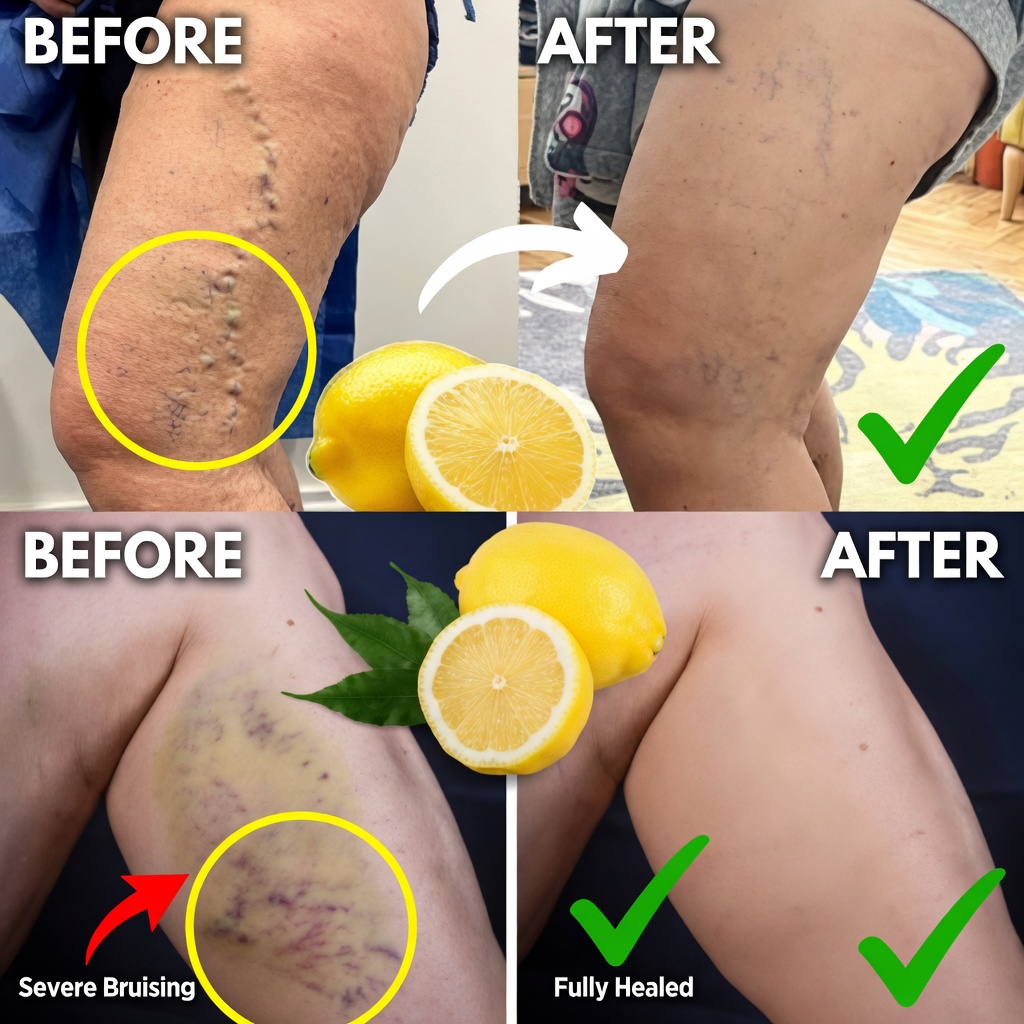
The Potential Role of Lemon for Vein Health
Lemon’s Nutrients and Why People Consider It
Lemon contains compounds often linked to general vascular wellness, such as:
- Vitamin C: supports collagen production, which helps maintain the structure of blood vessel walls
- Flavonoids and antioxidants: may help reduce oxidative stress, a factor associated with many vascular concerns
These benefits support overall health, but they do not specifically “fix” faulty vein valves.
Topical Lemon Use: What to Know
Some DIY routines suggest applying diluted lemon essential oil or lemon-based mixtures to the skin. The goal is usually:
- A temporary tightening or “toning” sensation
- A cooling, refreshing feel that may briefly ease discomfort
Important safety note: Lemon juice or essential oils can irritate skin, and lemon can also increase sun sensitivity (photosensitivity). Applying lemon products and then exposing the area to sunlight may raise the risk of redness or discoloration.
Drinking Lemon Water
Adding lemon juice to water can provide a modest boost of:
- Vitamin C
- Antioxidants
This habit may support general health, but it will not reverse varicose veins. Think of lemon water as a small addition to a larger circulation-friendly routine—not a treatment on its own.
Realistic Expectations: Lemon Is Not a Varicose Vein Cure
- No proven direct effect: There’s no strong scientific evidence that lemon—whether eaten or applied—can significantly reduce varicose veins.
- At most, mild support: Lemon may offer gentle wellness benefits and short-term comfort for some people.
- Helpful only as a complement: Lifestyle habits and medical therapies typically make a much bigger difference than any single food or home remedy.
More Effective and Safer Options for Varicose Vein Relief
Evidence-Based Medical Treatments
Common medical approaches include:
- Compression stockings: encourage better blood flow and may reduce swelling and discomfort
- Sclerotherapy or laser treatments: minimally invasive procedures that can lessen visible veins and symptoms
- Surgery: reserved for more severe or advanced vein disease, based on specialist assessment
Lifestyle Strategies That Support Circulation
Daily habits can play a meaningful role in symptom control:
- Regular exercise (walking, swimming, cycling) to improve circulation
- Leg elevation to reduce pressure in the lower limbs
- A balanced, fiber-rich diet with plenty of fruits and vegetables for cardiovascular support
Bottom Line
Lemons provide vitamin C and antioxidants, which can support overall wellness and may contribute to general vascular health. However, there’s no reliable evidence that lemon can meaningfully treat or reverse varicose veins. Topical lemon use is unlikely to do more than offer brief comfort—and it can cause irritation or sun sensitivity.
For lasting improvement, focus on medically supported treatments and practical lifestyle changes. If your varicose veins are painful, worsening, or affecting your confidence or comfort, a healthcare professional can help you choose the most appropriate option. Lemons can still be part of a healthy routine—just not a standalone solution for varicose veins.