Rosemary and White Wine: A Traditional Infusion for Heart and Circulation Support
A simple infusion of rosemary and dry white wine is a long-standing home remedy often associated with cardiovascular wellness. Supporters believe it can encourage healthy blood flow, help keep blood vessels clear and flexible, and calm inflammation—all key factors in overall heart health. By combining rosemary’s natural antioxidants with the beneficial plant compounds found in white wine, this elixir is viewed as an easy, natural addition to a heart-friendly routine.
Why Combine Rosemary and White Wine?
Rosemary (Rosmarinus officinalis)
Rosemary is widely used in traditional wellness practices and is valued for its protective plant compounds.
- High in antioxidants: Compounds such as rosmarinic acid and various flavonoids help defend blood vessels from oxidative stress.
- Anti-inflammatory support: May help reduce inflammation in the circulatory system, supporting smoother blood flow.
- Circulation-friendly properties: Often associated with improved circulation and support against unwanted buildup in arteries.
White Wine
In moderation, dry white wine contains natural compounds that may contribute to heart health.
- Polyphenols (including resveratrol): Plant-based compounds linked to better circulation and healthier cholesterol balance.
- May support healthy clotting: Often described as having a mild “blood-thinning” effect, which may help lower clot-related risks.
- Supports detox processes: Can assist the body’s natural processing of fats and toxins, particularly via liver function.
Potential Benefits of Rosemary Infused in White Wine
This blend is believed to work best through a combined effect of both ingredients.
- Helps cleanse blood vessels: May support reduced plaque buildup and improve vessel elasticity over time.
- Promotes circulation: Rosemary is traditionally used to stimulate blood flow, while wine’s compounds may support oxygen delivery.
- May reduce inflammation: Both rosemary and wine contain anti-inflammatory elements, which can matter for long-term heart health.
- Supports cholesterol balance: Often associated with improving the balance between LDL (bad cholesterol) and HDL (good cholesterol).
- Encourages relaxation: Small amounts of wine plus rosemary’s calming reputation may help ease stress, a known contributor to heart strain.
How to Make Rosemary in White Wine
Ingredients
- 1 bottle (750 ml) dry white wine (organic, if possible)
- 5–6 sprigs fresh rosemary (or 2 tablespoons dried rosemary)
- Optional: 1–2 teaspoons honey (for a softer taste)
Instructions
-
Clean the rosemary
- Rinse the sprigs well to remove dust or debris.
-
Combine
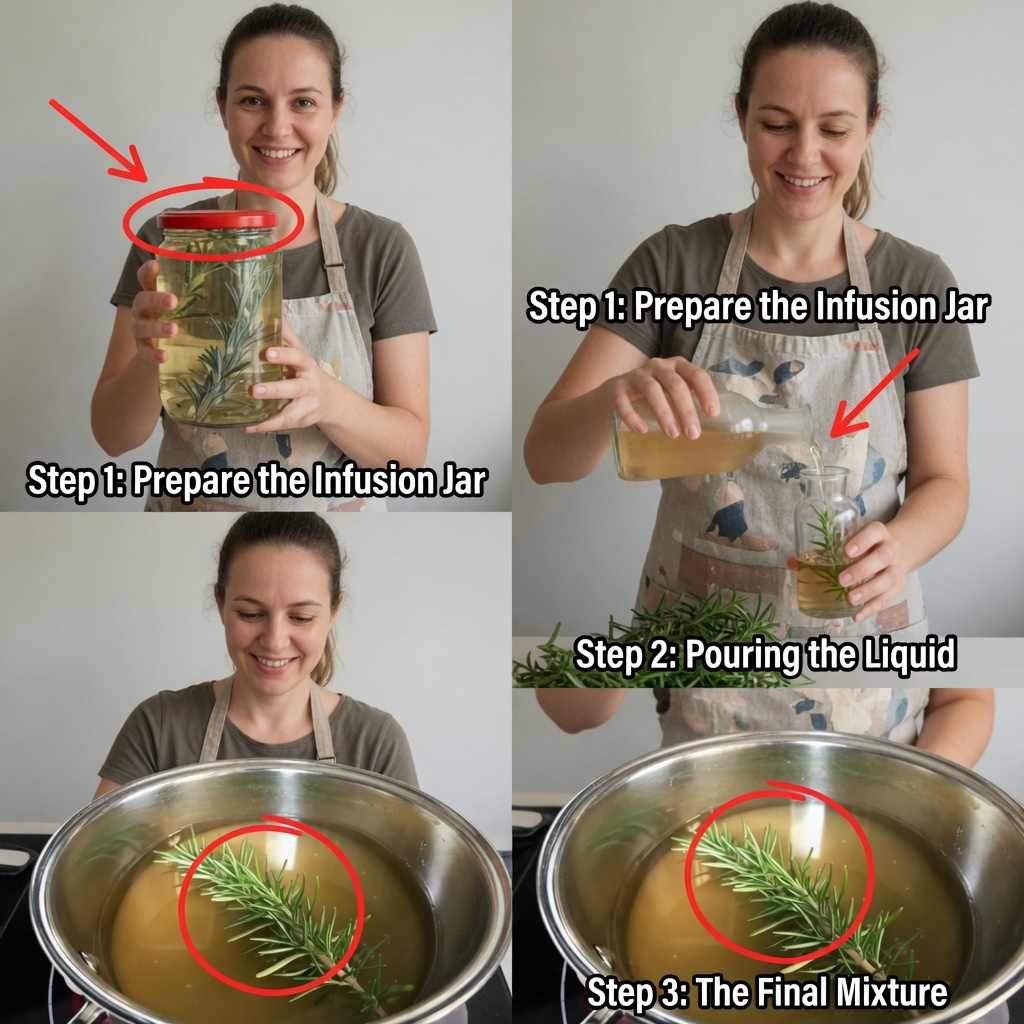
- Pour the white wine into a clean glass jar or bottle.
- Add the rosemary sprigs (or dried rosemary).
-
Infuse
- Seal tightly and store in a cool, dark place for 5–7 days.
- Shake gently once per day to help the flavors and compounds blend.
-
Strain and store
- After about a week, strain out the rosemary.
- Transfer the infused wine to a clean bottle and keep it refrigerated.
How to Use This Remedy
- Drink one small serving daily (about 50–100 ml), ideally with a meal.
- Many traditional approaches suggest using it consistently for 2–3 weeks to support circulation and vascular function.
Precautions and Safety Notes
- Use moderation: Limit intake to one small glass per day to avoid excess alcohol.
- Check with a healthcare professional if you:
- are pregnant,
- have liver conditions,
- take medications (especially blood thinners or heart-related prescriptions).
- Alcohol-free option: Replace wine with white grape juice to keep the infusion-style approach without alcohol.
Why People Believe It Works
The rosemary-and-white-wine infusion is popular because it combines two ingredients often linked with antioxidant protection, better circulation, and reduced inflammation. For those who tolerate alcohol and use it responsibly, it’s seen as a natural, traditional way to support the heart and blood vessels as part of a balanced lifestyle.