A Natural, Budget-Friendly Way to Manage Nail Fungus With Bay Leaves
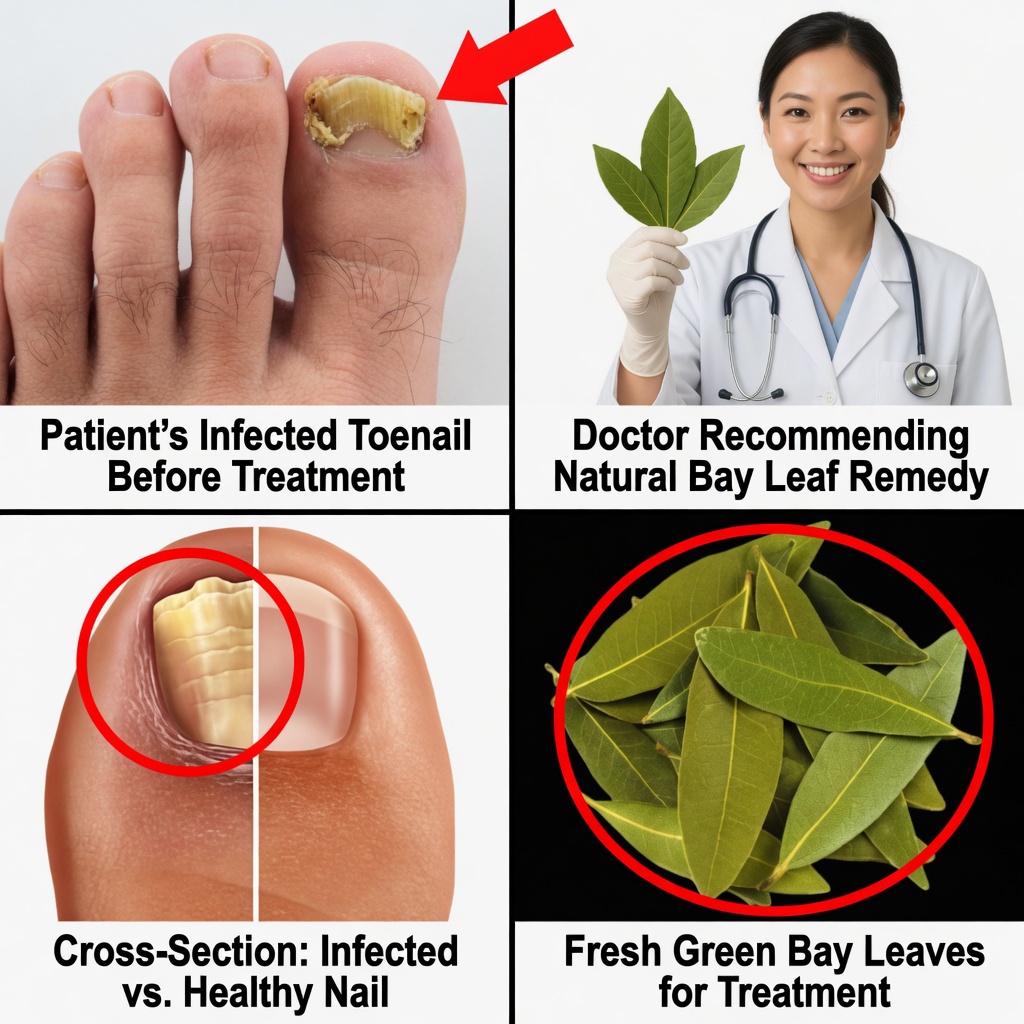
Nail fungus is a stubborn and often frustrating problem, and pharmacy treatments can be expensive. If you’re looking for a more affordable, natural option, bay leaves are worth considering. They’re easy to find, simple to use at home, and traditionally valued for their antifungal benefits.
Why Bay Leaves May Help
Bay leaves contain plant compounds such as eugenol, which is known for antifungal and antibacterial activity. These properties may help slow down the growth of the organisms that contribute to fungal nail infections, especially when used consistently as part of a regular routine.
How to Use Bay Leaves for Nail Fungus
1) Bay Leaf Tea Soak
Ingredients
- 5–10 dried bay leaves
- 1 liter of water
Preparation
- Bring the water to a boil.
- Add the dried bay leaves and simmer for about 20 minutes to release the leaves’ natural compounds.
- Let the liquid cool until it’s warm and comfortable on the skin.
How to apply
- Soak the affected nails for 20 minutes.
- Repeat daily, since regular use is essential for noticeable improvement.
2) Bay Leaf Paste Application
Ingredients
- A handful of fresh bay leaves
- A few teaspoons of water (enough to make a paste)
Preparation
- Crush or grind the fresh bay leaves using a mortar and pestle (or a small blender/processor).
- Add small amounts of water until a spreadable paste forms.
How to apply
- Spread the paste directly over the affected nail.
- Cover with gauze or a bandage, then leave it on for a few hours or overnight.
- Rinse with warm water.
- Apply once a day.
Extra Tips to Improve Results
- Keep nails dry: Fungal organisms multiply more easily in damp conditions. Dry feet and hands thoroughly after bathing or soaking.
- Maintain nail hygiene: Trim nails regularly and keep them clean. Disinfect clippers, files, and other tools before and after use to avoid spreading the fungus.
- Support your immune system: A balanced diet rich in vitamins and antioxidants can help your body respond better to fungal issues.
Precautions to Keep in Mind
- Do a patch test first: Try a small amount of bay leaf tea or paste on your skin to check for irritation or allergy.
- Talk to a healthcare professional if needed: If symptoms don’t improve, worsen, or become painful, seek medical advice. Persistent nail fungus can sometimes be linked to other health concerns.
Final Thoughts
Using bay leaves for nail fungus can be a practical, low-cost approach, especially if you’re consistent and patient. Natural remedies often take time, so stick with the routine and monitor your progress.
Enjoy.