Introduction
In today’s fast-changing skincare world, more people are turning to natural anti-aging remedies—and coconut oil is one of the most popular choices. Known for its beauty and wellness benefits, coconut oil has earned a reputation as a simple, effective way to support softer, smoother, more youthful-looking skin.
As interest in clean beauty grows, many want alternatives to products packed with harsh chemicals. Coconut oil stands out for its ability to moisturize deeply, nourish the skin, and help minimize the visible look of fine lines and wrinkles.
Wrinkles are a natural part of aging, but they can be made more noticeable by everyday factors such as sun exposure, pollution, dehydration, and lifestyle habits. Using nutrient-rich, plant-based ingredients consistently can help offset some of these effects. Coconut oil contains medium-chain fatty acids and antioxidants, which support the skin’s barrier and help improve overall skin comfort and texture.
One reason coconut oil is so effective in skincare is its ability to lock in moisture. Better hydration often means improved elasticity, which helps skin appear plumper and more supple—two key factors in reducing the appearance of wrinkles.
Beyond moisture, coconut oil also offers antimicrobial and anti-inflammatory properties, which can calm irritation and support healthier-looking skin over time. With regular use, a coconut oil-based cream may help your complexion look more refreshed and radiant.
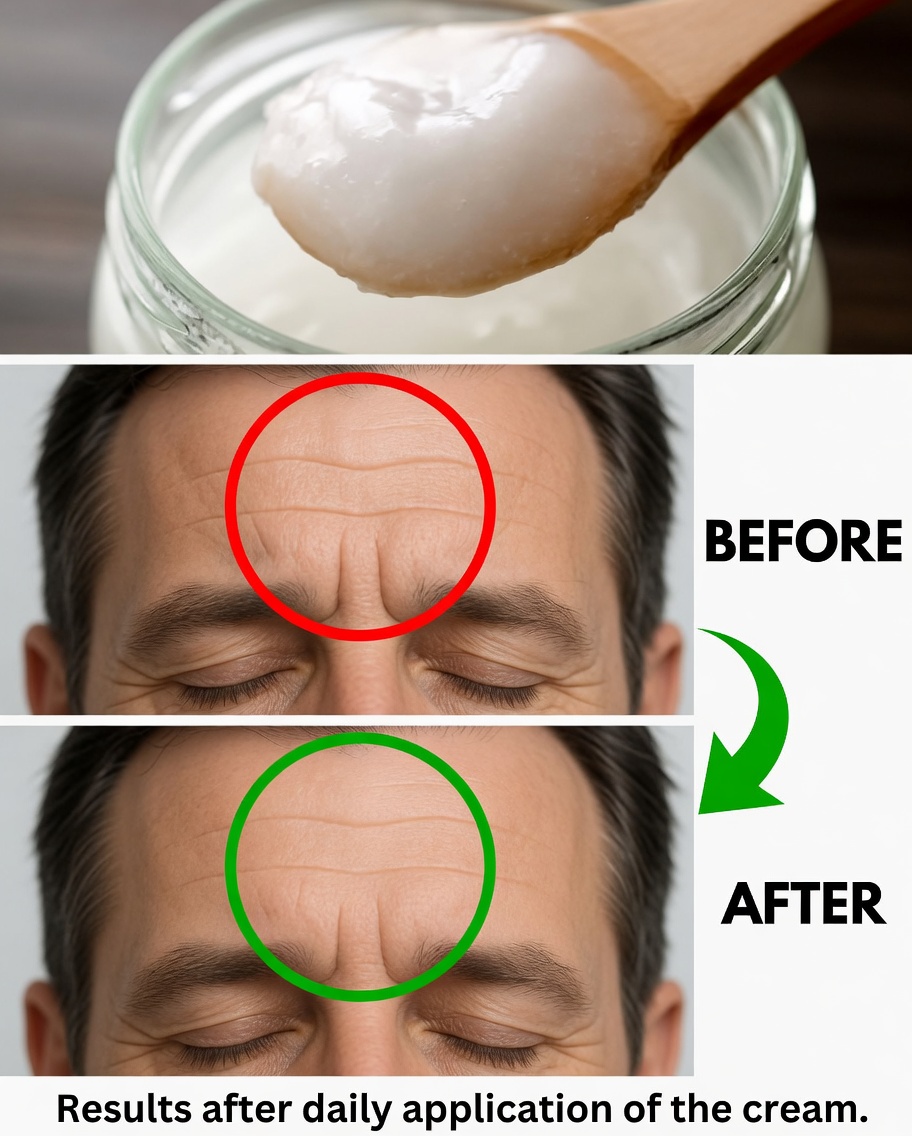
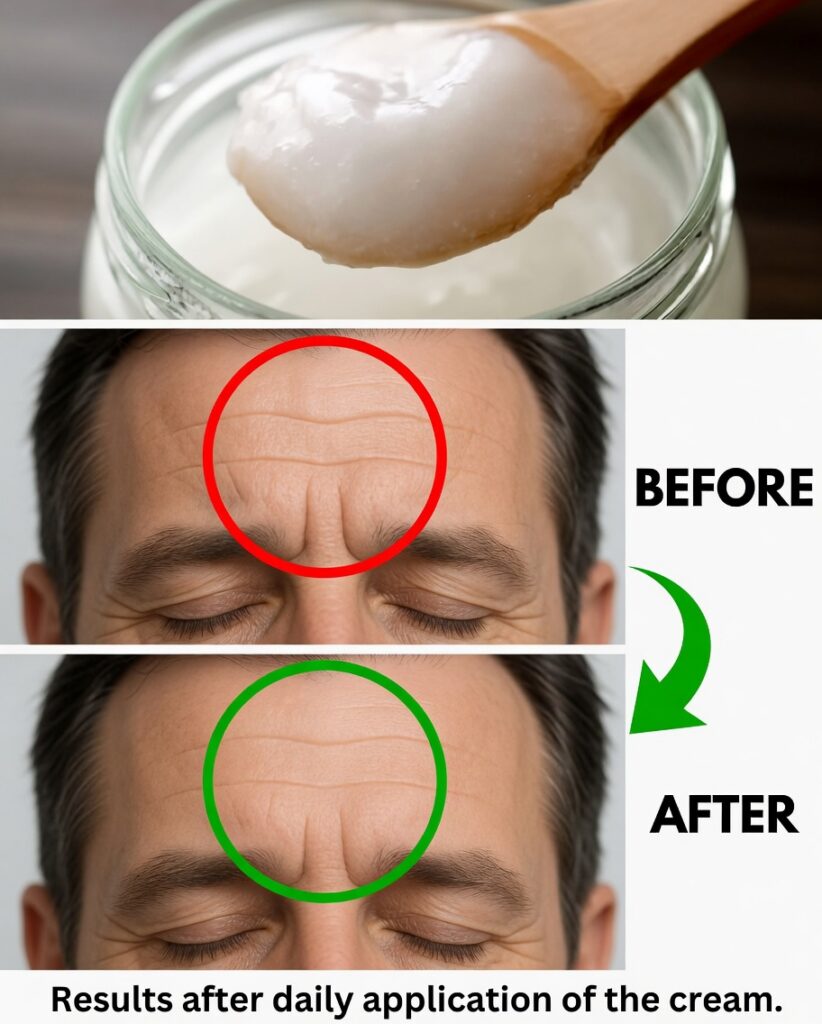
Another major benefit: you can make your own DIY wrinkle-reducing cream at home. This gives you complete control over the ingredients, lets you tailor the formula to your skin’s needs, and ensures you’re using a product crafted with care. When you combine coconut oil with other natural additions—like vitamin E, honey, and skin-loving carrier oils—you can build a richer blend with even more benefits.
In this guide, you’ll learn how to create a Natural Coconut Oil Wrinkle-Reducing Cream with easy-to-follow steps, a clear ingredient list, and practical tips to help you get the best results.
Ingredients
- Coconut Oil (1/2 cup): The main base, packed with fatty acids and antioxidants for deep moisturization.
- Shea Butter (1/4 cup): Boosts hydration and helps support skin softness and elasticity.
- Almond Oil (2 tablespoons): Lightweight and fast-absorbing, delivering skin-friendly vitamins.
- Vitamin E Oil (1 teaspoon): A strong antioxidant that supports skin protection and helps fight visible aging signs.
- Lavender Essential Oil (10 drops): Adds a calming scent and supports skin-soothing care.
- Frankincense Essential Oil (10 drops): Commonly used in anti-aging skincare to help improve the look of uneven texture and fine lines.
- Jojoba Oil (1 tablespoon): Similar to natural sebum, making it an excellent balancing moisturizer.
- Beeswax (1 tablespoon): Thickens the cream and helps create a moisture-sealing barrier.
- Rosehip Oil (1 tablespoon): Rich in vitamins and essential fatty acids that support smoother-looking skin.
- Honey (1 tablespoon): A natural humectant that helps retain moisture; also supports skin clarity.
Instructions
- Prepare everything first: Measure and set out all ingredients so the process is quick and smooth.
- Make a double boiler: Add water to a pot and heat on medium. Place a heat-safe bowl on top (without letting it touch the water).
- Melt the base: Add coconut oil and shea butter into the bowl. Stir gently until fully melted.
- Cool slightly: Remove the bowl from heat and let it cool for a minute or two (this helps protect delicate oils).
- Add nourishing oils: Mix in almond oil, jojoba oil, rosehip oil, and vitamin E oil until evenly blended.
- Thicken if desired: Stir in beeswax and mix until completely melted and smooth.
- Add essential oils: Blend in lavender and frankincense essential oils.
- Combine thoroughly: Stir until the mixture looks uniform and silky.
- Pour into a container: Transfer the warm mixture into a clean, sterilized jar while it’s still easy to pour.
- Let it set: Cool at room temperature, or refrigerate briefly to speed up thickening.
- Store and use: Close the lid tightly and keep the cream in a cool, dark place.
How to Make (What to Expect During the Process)
Making your own coconut oil anti-wrinkle cream is straightforward, especially when you start with high-quality ingredients. For best results, choose organic, unrefined oils whenever possible, since additives and heavy processing can reduce skin benefits.
The double boiler method is important because it uses gentle heat. This helps preserve the natural properties of butters and oils, which can break down if overheated. As coconut oil and shea butter melt, stir occasionally to keep the texture smooth.
Once the base is liquid, you’ll blend in the lighter oils. Jojoba and almond oil improve absorption and reduce greasiness, while vitamin E adds antioxidant support. Rosehip oil enhances the formula with additional nutrients that promote a more even-looking texture.
If you want a richer, more balm-like cream, beeswax is the key. It adds structure and helps your skin hold onto moisture longer—especially helpful in dry climates or during colder months.
After pouring the mixture into your jar, it will gradually firm up as it cools. Once solidified, it should feel smooth and easy to apply without separating.
For best freshness, keep the jar away from heat and sunlight. With consistent use, this homemade cream can support better hydration and a visible improvement in the look of fine lines over time.
Tips for Best Results
- Use premium ingredients: Choose unrefined coconut oil and high-quality, additive-free oils for the most skin benefits.
- Patch test essential oils: Apply a tiny amount to your inner arm first, especially if you have sensitive skin.
- Adjust thickness: Add slightly more beeswax for a firmer balm, or reduce it for a softer cream.
- Apply to slightly damp skin: Using it after cleansing (while skin is still a bit damp) can improve absorption and hydration.
- Store correctly: Keep the cream cool, dark, and dry to help maintain freshness and effectiveness.