Retirement Can Feel Harder Than Expected
Retirement does not mean life is over. In many ways, it can be one of the most enjoyable stages of life when supported by the right habits. It offers the chance to explore interests you may not have had time for before and to create a healthy routine that truly fits you.
Still, this transition can be difficult. For many years, work brought daily structure and regular social interaction. After retirement, that built-in routine often disappears. While extra free time may sound appealing at first, too much unplanned time can begin to feel dull, stressful, or even lonely. Some people feel restless or isolated, and these changes can affect mental health.
Why Retirement Can Affect Your Well-Being
A major challenge in retirement is the sudden loss of routine, connection, and purpose. When days no longer have structure, it becomes easier to stay home, move less, and feel disconnected from others. Over time, that can make life feel less meaningful.
The good news is that these feelings are normal, and there are practical ways to make retirement easier and more fulfilling. The right hobbies can help you keep a routine, stay social, and support mobility in everyday life. In many ways, they can feel like a form of therapy.
Hobbies That Support Mind and Body in Retirement
1. Gardening
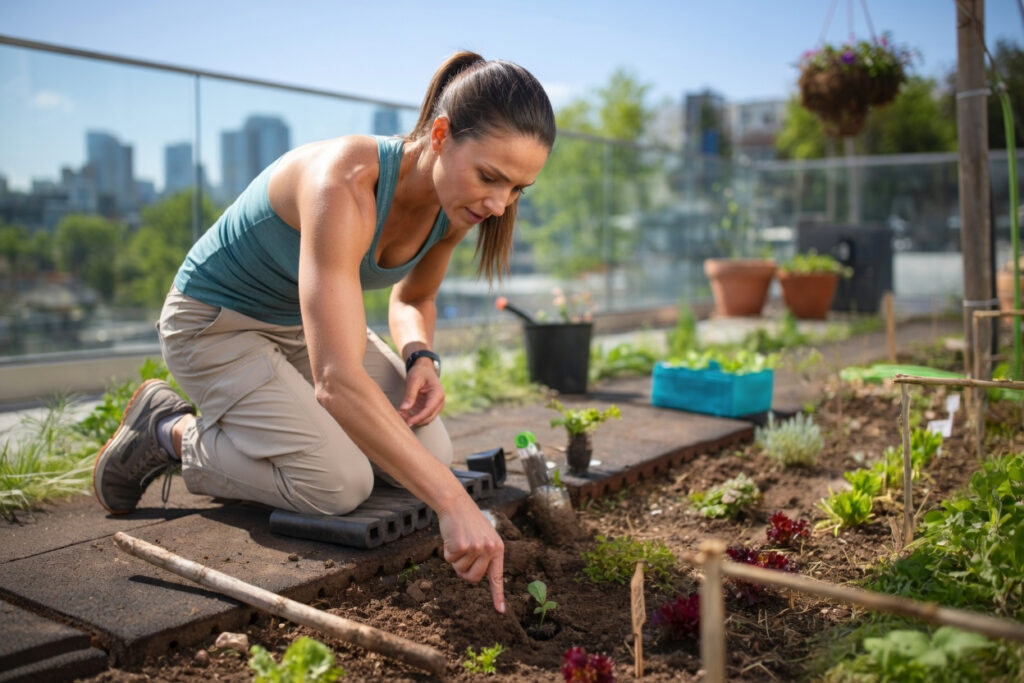
Gardening is a simple way to spend more time outdoors and enjoy fresh air. After retirement, hobbies that encourage you to leave the house can be especially helpful. Sunlight supports vitamin D levels and can help lift mood and support immune health. Being in nature has long been linked to lower stress hormones, and even working with soil can have a positive effect on how you feel.
Another benefit of gardening is consistency. Plants need ongoing care, and checking on them each day creates structure and a sense of purpose. Watching them grow over time can also feel deeply rewarding. Tasks like watering, trimming, and planting can promote mindfulness and help ease anxiety. It’s no coincidence that gardening is mentioned as one reason 80-year-olds in Japan outlive us all.
2. Walking Groups
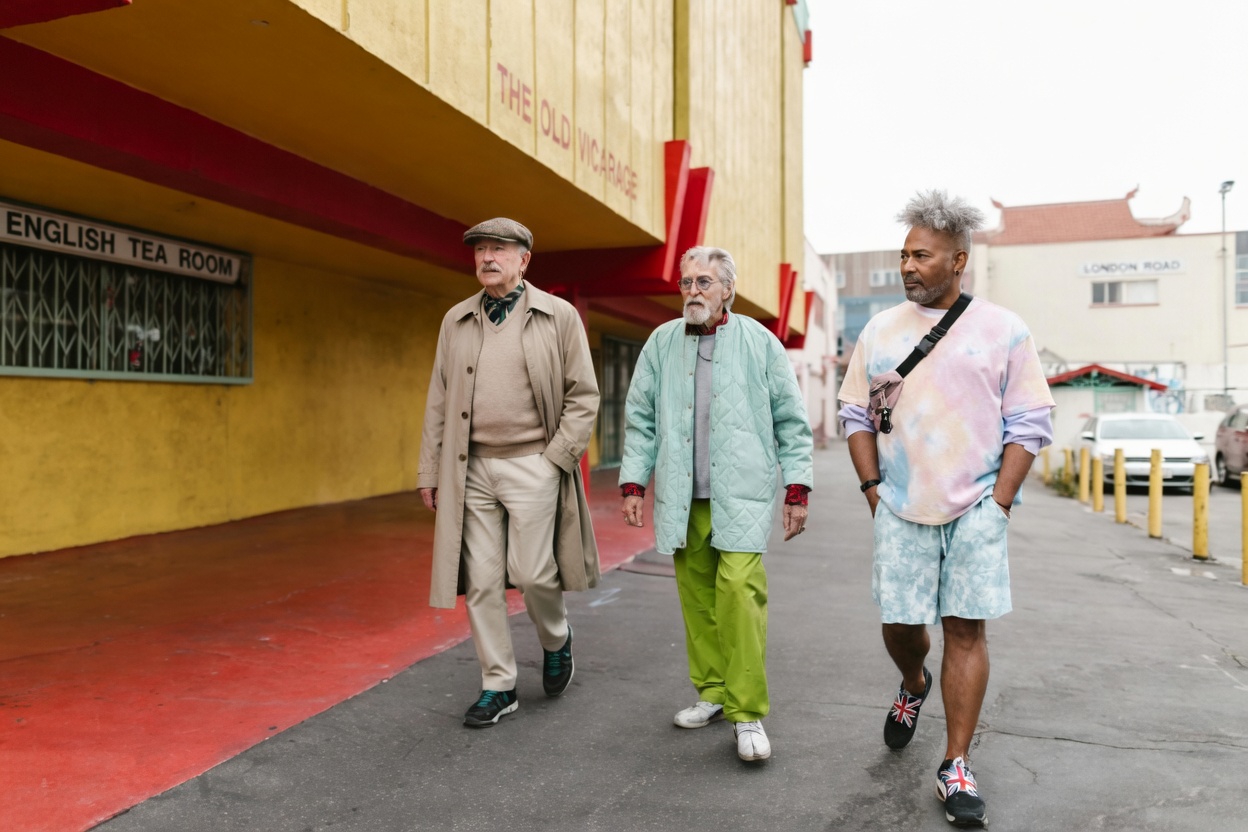
Walking is often overlooked, even though it offers benefits for both physical and mental health. It is a low-impact and safe form of exercise for people of all ages. After retirement, it can be easy to fall into the habit of staying indoors, which makes regular movement harder to maintain.
Walking groups can help by combining exercise with social connection. They give you a reason to get out, create accountability, and may lead to new friendships. Walking also naturally increases endorphins, which can improve mood. Beyond that, it can reduce joint stiffness and increase blood flow to the brain, which may support memory.

If joining a group feels like too much at first, you can begin at home. Treadmill workouts are also an option and can support heart health.
3. Learning a Musical Instrument
Retirement can be the perfect time to learn something new. You do not need to aim for perfection. What matters is enjoyment, progress, and giving yourself a new challenge. Learning music stimulates the brain, and developing a new skill creates new neural pathways. This kind of mental activity helps support cognitive function and can improve memory.
Playing an instrument also benefits the body. It can strengthen fine motor skills, improve coordination through finger movement, and sharpen focus as you learn to read music. There are many YouTube videos available to help you get started, and in-person lessons can also provide a valuable sense of community. Few things feel better than making music you enjoy.
4. Volunteering
One of the most common struggles after retirement is losing a sense of purpose. That loss can have a negative effect on mental health. But purpose can be rebuilt. For many people, volunteering becomes a meaningful new direction.
Helping others can bring a strong sense of meaning and structure, and it can act as a form of mental therapy. Volunteering also encourages social connection, strengthens community, boosts self-worth, and helps reduce loneliness. Staying socially involved can support mental health, and giving back can be one of the most fulfilling parts of retirement.

5. Yoga
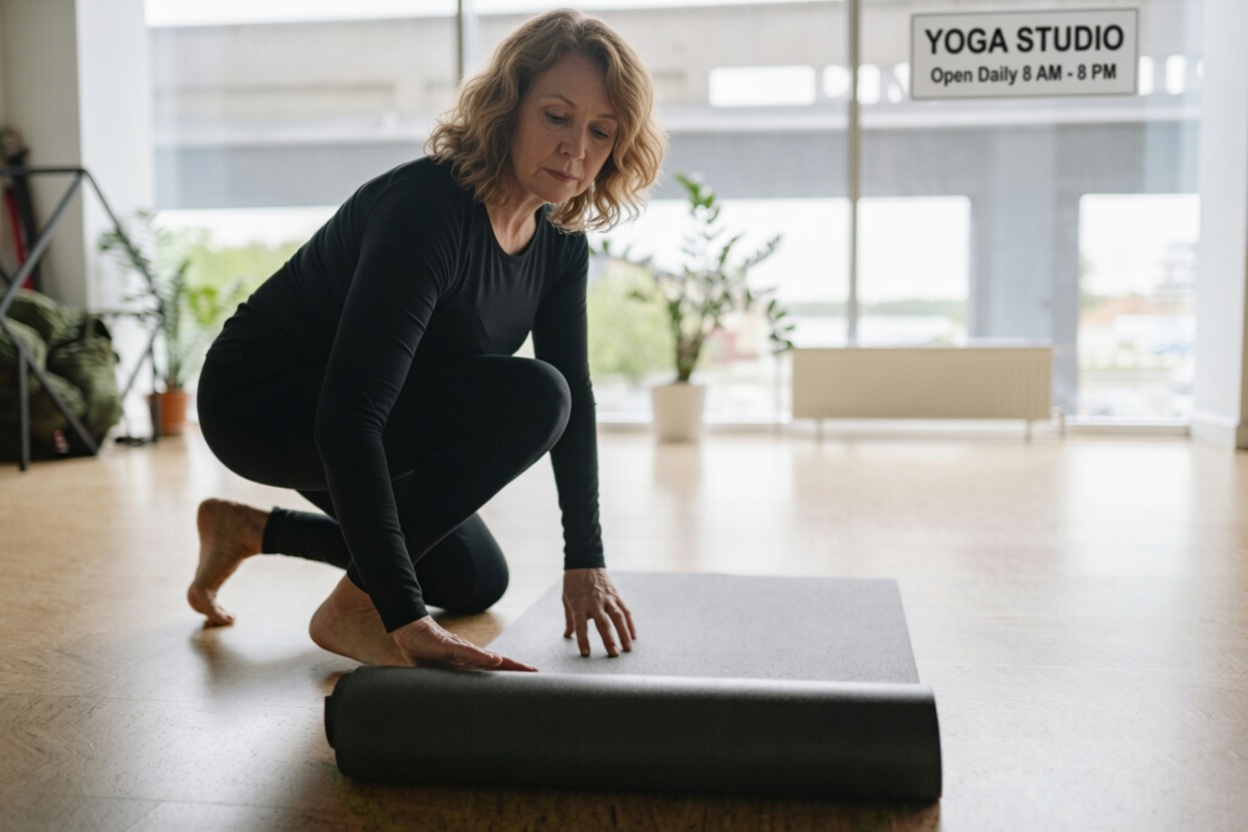
As people get older, exercise becomes even more important. Joint pain and muscle loss are more common with age, but that does not mean flexibility is gone for good. Yoga offers gentle movements that can work for all ages, helping improve flexibility and support joint health.
The benefits are not only physical. Yoga can leave you feeling calm, grounded, and relaxed. Starting your morning with yoga may help you feel more energised and happier throughout the day. It can also help relax the body and improve sleep quality. And if getting up feels difficult, there are gentle yoga poses that can be done right in bed.
A Simple Way to Enjoy This New Chapter
Retirement is the start of a new chapter, not the end of one. It is a time to reconnect with yourself, stay involved with others, and build a life that feels both active and meaningful.
Hobbies such as gardening, walking, playing music, volunteering, and yoga can help support physical health and mental well-being. They can create routine, build community, protect cognitive function, and help you maintain mobility. Staying engaged and open to new interests can make retirement more enjoyable and rewarding.
Consult a healthcare professional before making changes.