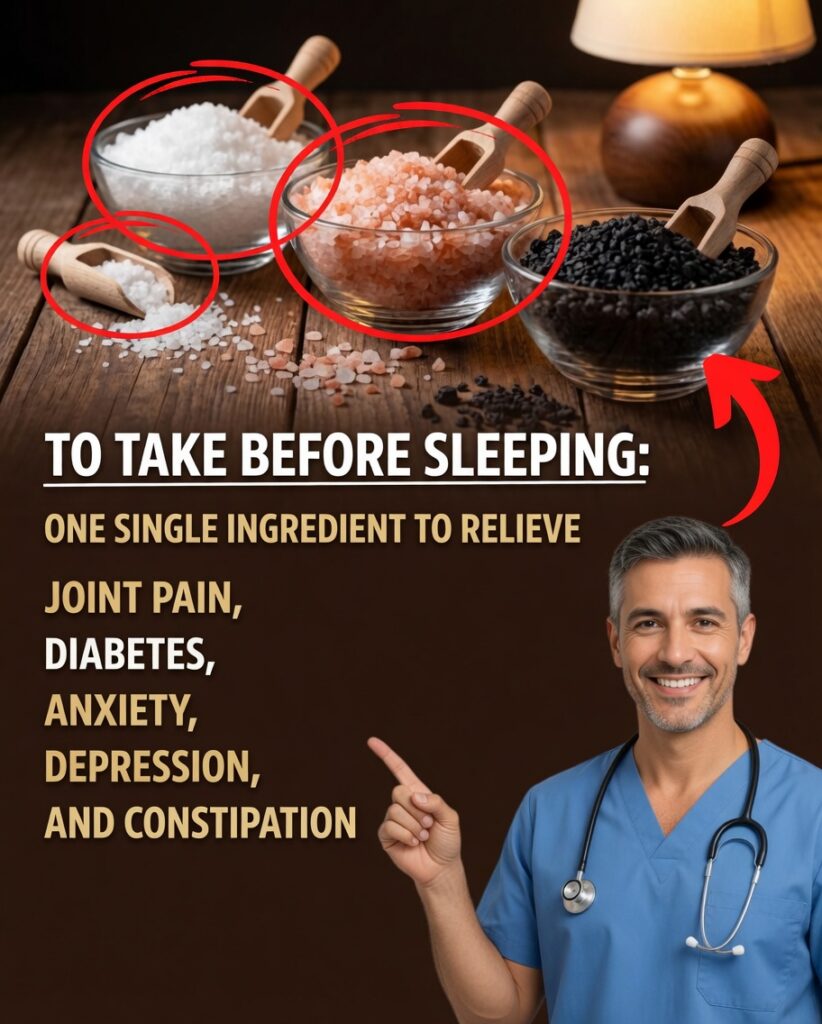
Magnesium: An Essential Mineral, Not a Miracle Cure
Magnesium is one of the most important minerals for the human body—but it’s crucial to keep expectations realistic. It is not a “miracle solution” that can fix every health issue.
This key nutrient supports over 300 biochemical processes. It helps the body maintain healthy muscle function, supports the nervous system, contributes to blood pressure regulation, and plays a role in keeping bones strong.
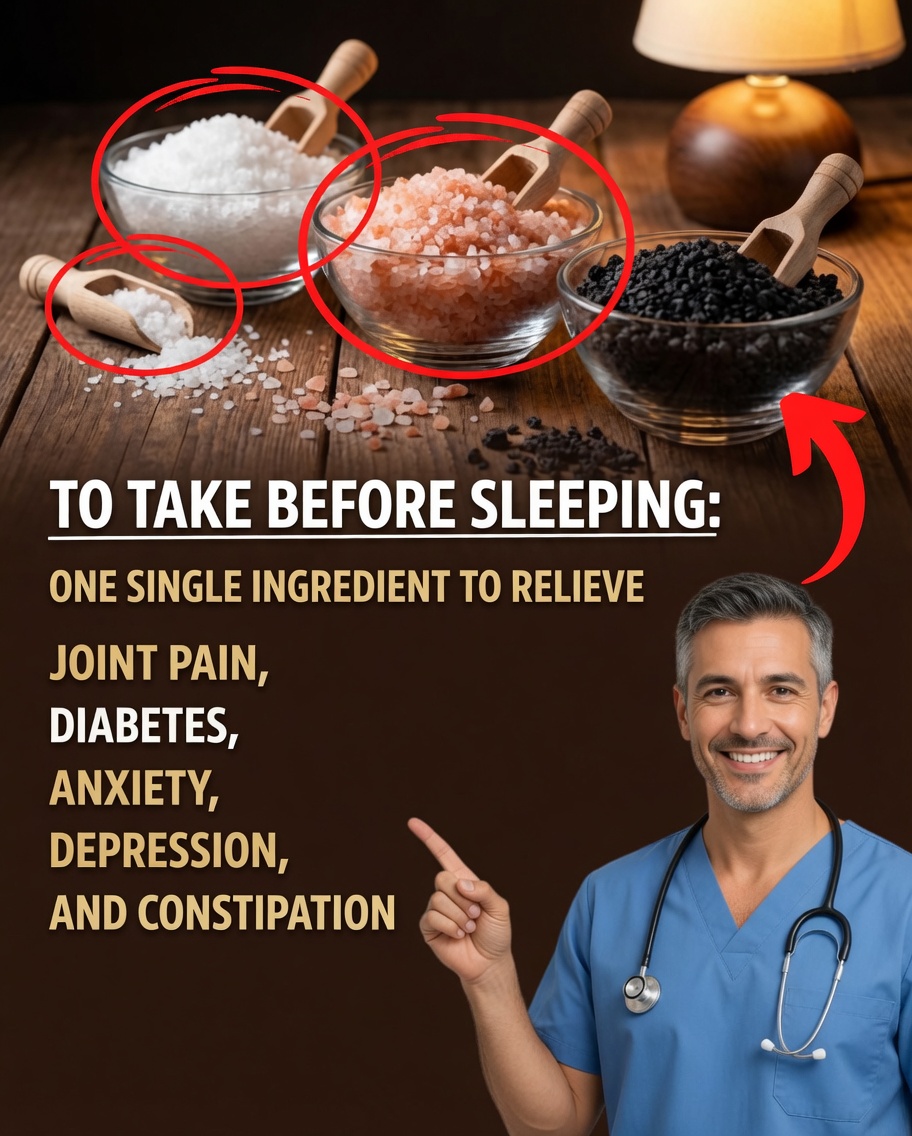
That said, it can be risky to assume magnesium alone can treat or prevent complex conditions such as diabetes or depression. Believing so may lead some people to delay proper medical care, which can make symptoms worse over time.
The Real Benefits: What Magnesium Can (and Can’t) Do
When magnesium levels are low, you may notice symptoms such as:
- Fatigue
- Muscle cramps
- Constipation
- Irritability
In these cases, magnesium supplementation may help reduce discomfort—not because it’s magic, but because it helps restore the body’s normal balance.
For most people, the best way to get enough magnesium is still a natural, varied, balanced diet.
A Simple Recipe to Boost Magnesium Naturally
Energizing, Calming Green Smoothie
Ingredients:
- 1 handful of fresh spinach (a natural source of magnesium)
- 1/2 avocado (high in magnesium and healthy fats)
- 1 banana (adds potassium and magnesium)
- 1 tablespoon pumpkin seeds (one of the richest magnesium foods)
Preparation
- Add all ingredients to a blender.
- Pour in 1 cup of water or plant-based milk.
- Blend until smooth and creamy.
Best Time to Drink It
Have it about one hour before bedtime, as it can help relax the body and support deeper, more restorative sleep.
Extra Tip: Add More Magnesium-Rich Foods to Your Diet
Include these magnesium foods regularly:
- Oats
- Almonds
- Pure cocoa
- Black beans
- Kale
Important Note
This article is for informational purposes only and does not replace professional medical advice.
If you have ongoing symptoms or suspect a magnesium deficiency, speak with your doctor before taking magnesium supplements.