Guava and Eye Health: A Natural Tropical Ally for Clearer Vision
A tropical fruit as familiar as guava can be an unexpected support for eye health. Long used in natural wellness traditions, guava is valued for helping ease mild eye discomfort and supporting overall visual wellbeing.
If you’re looking for natural ways to care for your eyes, this guide explains how guava may help, offers practical methods you can try, highlights benefits backed by nutrition science, and lists the key safety precautions you should follow.
Why Guava Is So Beneficial for Eye Health
Guava is more than a tasty fruit—it’s a nutrient-dense powerhouse with properties that can support vision. Thanks to its antioxidant, anti-inflammatory, and traditionally recognized antimicrobial compounds, guava has earned a place in many natural self-care routines.
High in Antioxidants and Vitamin C
Guava is among the richest natural sources of vitamin C, often exceeding many citrus fruits. Vitamin C works as a strong antioxidant that helps protect delicate eye tissues from free radical damage, which is linked to premature aging and issues such as cataracts.
Guava also contains additional protective antioxidants, including flavonoids and lycopene, which may help lower oxidative stress affecting the retina and other sensitive eye structures.
Naturally Anti-Inflammatory
Inflammation is a common trigger for eye discomfort, including puffy eyelids, eye strain, and irritation after long hours on screens.
The flavonoids found in guava are known for their calming, anti-inflammatory effects, which may help soothe minor irritation around the eye area.
Traditional Antimicrobial Use (Especially the Leaves)
Guava leaves contain compounds that have been used traditionally to help reduce the risk of mild external irritations.
They are not a substitute for medical treatment, but may be used as a supportive option—only when strict hygiene and safety steps are followed.
How to Use Guava for Eye Support (Safely)
Guava does not treat serious eye diseases, but it may help relieve mild discomfort and support long-term eye wellness. Below are three practical approaches, ranked from gentlest to more caution-required.
1) Guava Leaf Compresses (For Tired, Puffy Eyes)
This method is often used for eyelid fatigue or after extended screen time.
How to prepare
- Rinse 5–6 fresh guava leaves thoroughly.
- Boil them in 500 ml of water for 10 minutes.
- Strain very well and let the liquid cool until lukewarm (never hot).
How to apply
- Soak a sterile gauze pad or a very clean cloth in the filtered liquid.
- Place gently over closed eyes for 5–10 minutes.
- You can repeat up to twice daily if needed.
Warning
- Never use cloudy, poorly filtered liquid near your eyes—contamination risk is real.
2) Extremely Cautious Use of Highly Diluted Extracts
Some traditional practices mention using very diluted extracts, but this approach requires medical-level hygiene and sterilization. It is not recommended for non-professionals.
Important
- If you feel burning, pain, increased redness, or notice blurred vision, stop immediately and consult an eye specialist.
3) Guava Eye-Contour Creams or Serums (Safest Topical Option)
The safest topical route is using guava around the eyes, not inside them.
Eye-area products containing guava extract may help:
- Support hydration
- Reduce puffiness
- Brighten the under-eye area
How to use
- Apply a small amount to clean skin.
- Tap or massage gently with fingertips.
- Avoid direct contact with the eyes.
Essential Safety Precautions
- Strict hygiene: never put non-sterile preparations directly into the eye.
- Patch test first: test any new product or plant-based preparation on skin before using near the eyes.
- Stop if irritation occurs: redness, burning, swelling, or blurry vision should prompt medical advice.
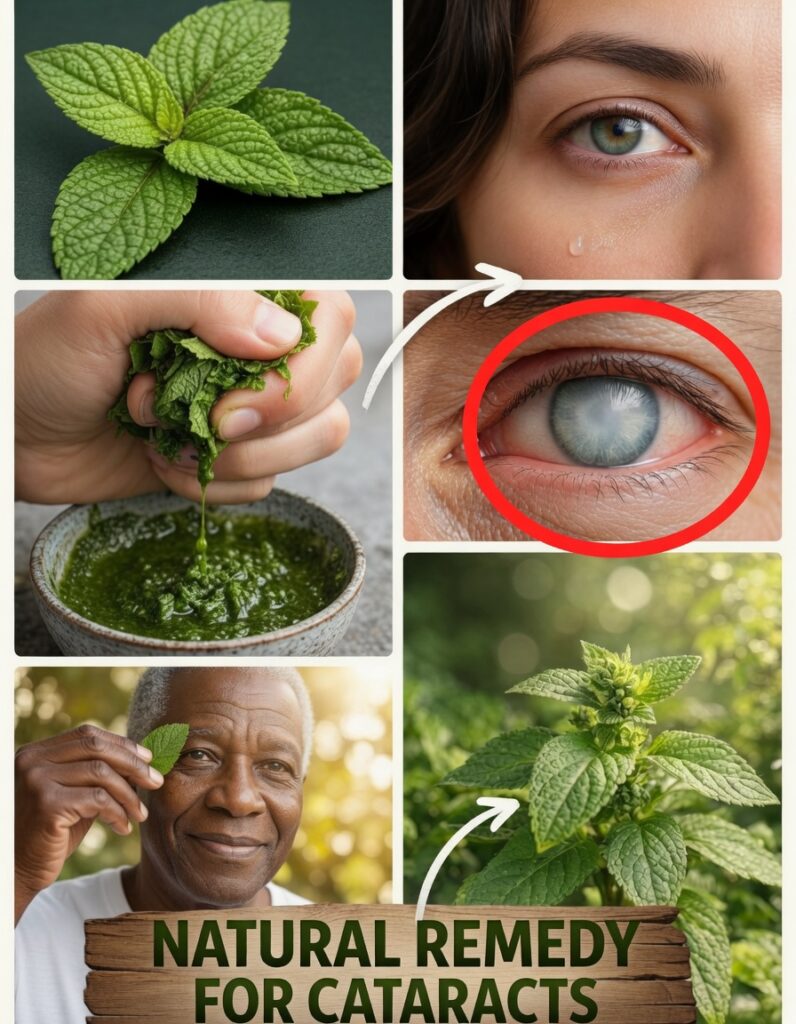
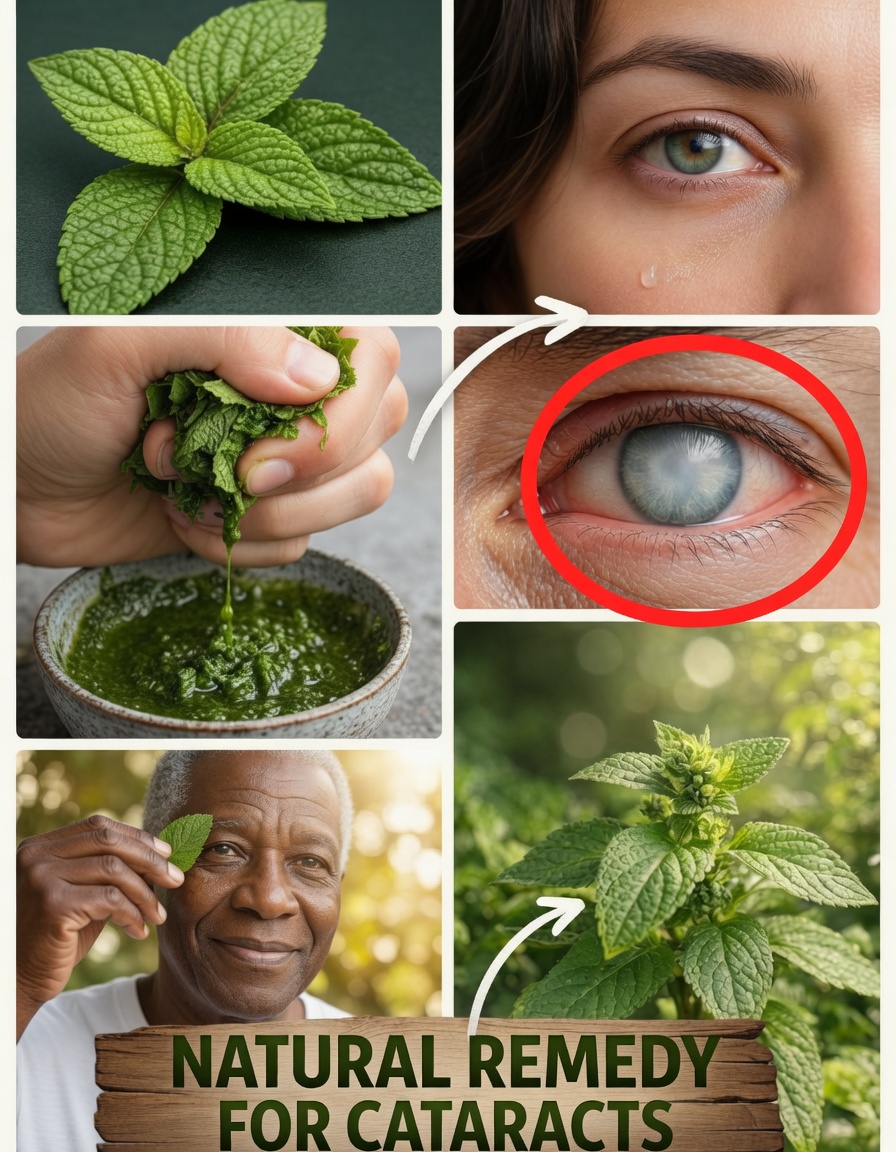
- Not a replacement for treatment: guava does not treat glaucoma, cataracts, infections, or other serious eye conditions.
What Does Science Say About Guava and Vision?
Clinical research on applying guava preparations directly to the eyes is limited. However, nutrition science strongly supports guava’s value because it contains:
- Vitamins A and C
- Flavonoids
- Beta-carotene
- Other antioxidants that help protect cells from oxidative stress
These nutrients are associated with supporting retinal health and may help lower risk factors linked to oxidative damage, including concerns related to age-related macular degeneration.
Key takeaway: guava supports eye health primarily through dietary intake; topical use should be cautious and minimal.
Eat Guava Regularly to Support Long-Term Eye Health
The most reliable and effective way to benefit from guava is simply to include it in your diet.
Easy ideas
- Add fresh guava to fruit salads or blend it into smoothies.
- Try a simple “Vision+” smoothie:
- ripe guava + a small carrot + spinach + water
- Build a colorful plate: nutrients like vitamin C, beta-carotene, lutein, and flavonoids work together to support vision over time.
Conclusion: Guava as a Gentle, Natural Support for Eye Wellness
Guava is far more than a tropical snack—it’s a natural source of protective nutrients that can help reduce oxidative stress, nourish the body, and potentially soothe mild irritation when used correctly.
Whether you choose guava through healthy eating, eye-area skincare, or gentle leaf compresses, it offers a refreshing, natural approach to supporting visual comfort.
Eyes are sensitive—always prioritize hygiene, use caution, and seek medical guidance whenever symptoms are persistent or severe.