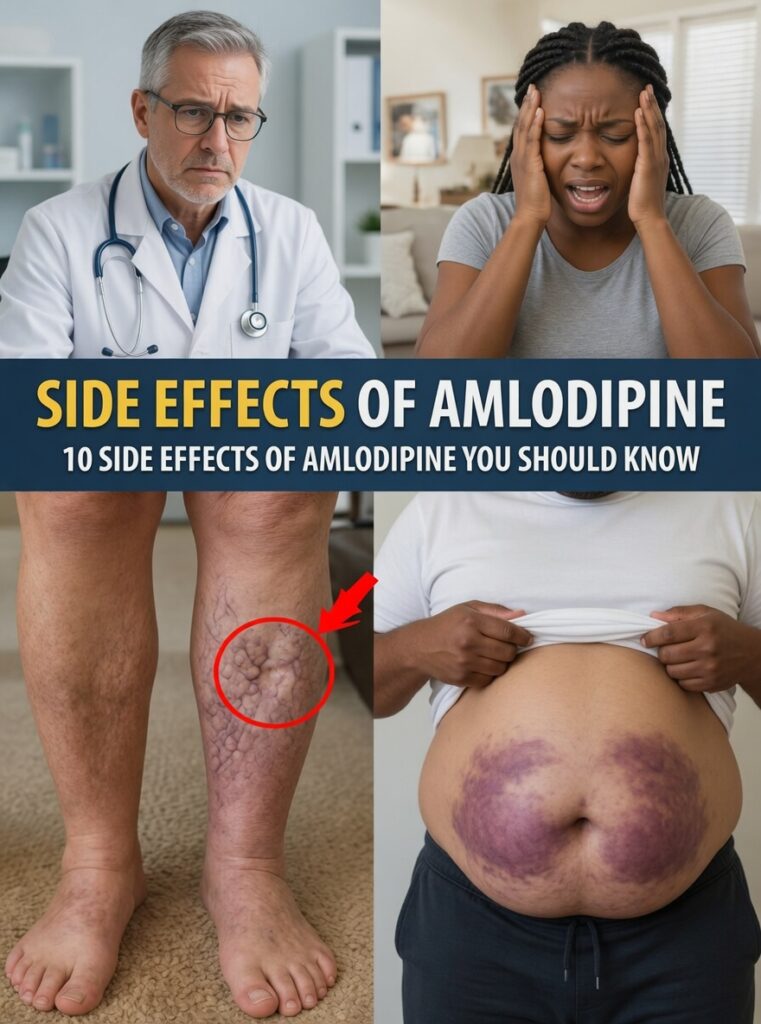
10 Signs Your Body May Be Reacting to Amlodipine — and Simple Ways to Ease Them Naturally
You may be taking amlodipine to keep your blood pressure under control, but lately you’ve noticed swollen ankles by the end of the day or fatigue even after a full night’s sleep. These changes can feel annoying—and sometimes worrying—especially when you’re doing your best to protect your health. Many people using this medication report similar symptoms and wonder: Is this normal, or should I talk to my doctor?
What surprises many patients is that while amlodipine is widely prescribed, some side effects aren’t fully discussed during quick appointments. Below, you’ll find the 10 most common amlodipine side effects and practical, everyday strategies to manage them. Read to the end—there’s an important detail that can make your routine much easier.
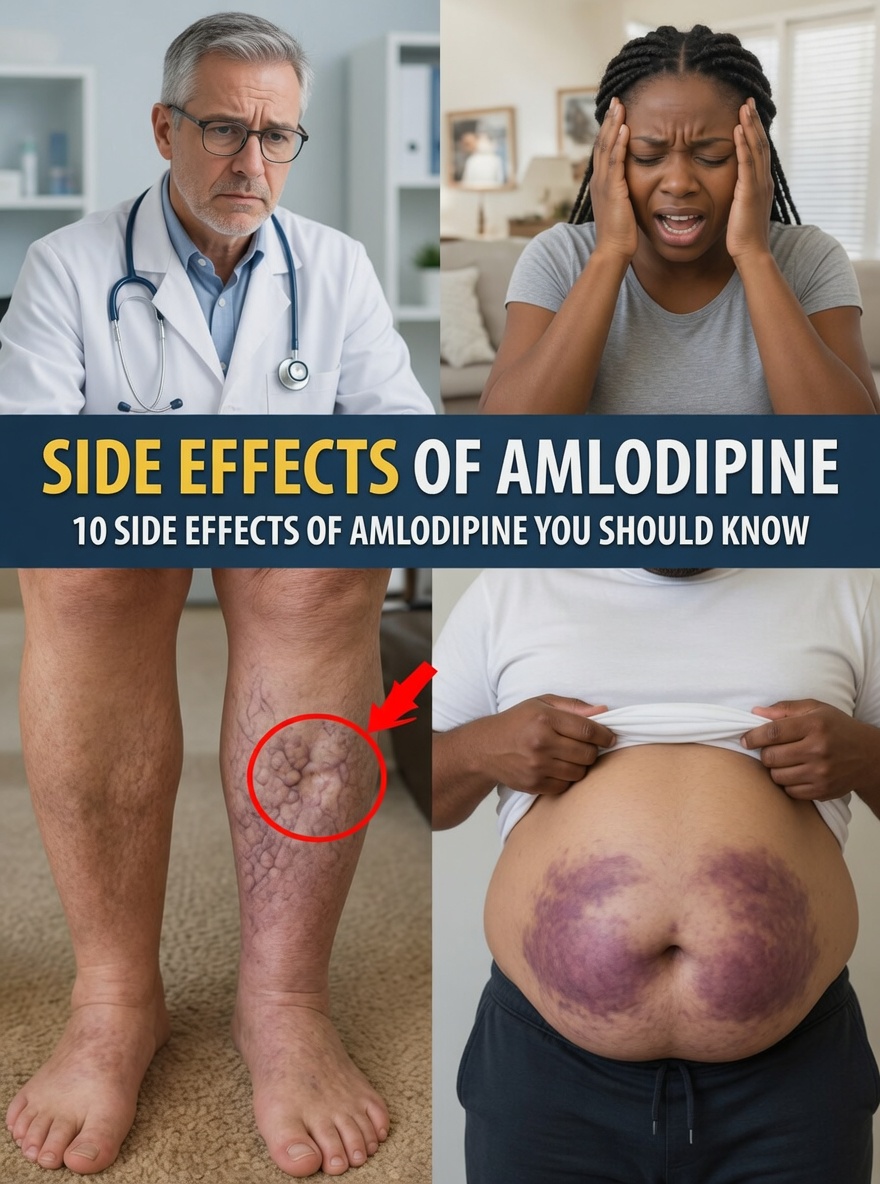
What Is Amlodipine, and Why Can Side Effects Happen?
Amlodipine is a calcium channel blocker, a type of medication that relaxes blood vessels. When the vessels open more easily, blood flows with less resistance, helping keep blood pressure stable.
Because it changes how your blood vessels dilate, your body may need time to adjust. Some people experience fluid retention or other temporary reactions. In most cases, symptoms are mild and improve over time—but responses vary from person to person.
1) Swelling in the Ankles and Legs (Edema)
This is one of the most common effects. You might notice tighter shoes, sock marks, or puffiness around the ankles. It often happens due to fluid pooling in the lower legs.
What may help:
- Elevate your legs when resting
- Avoid sitting or standing still for long periods
2) Dizziness
Some people feel lightheaded, especially when standing up quickly.
What may help:
- Stand up slowly (especially from bed or a chair)
- Stay well-hydrated throughout the day
3) Warmth or Facial Flushing
A sudden feeling of heat, facial redness, or flushing can occur.
What may help:
- Cut back on caffeine if you notice a pattern
- Limit spicy foods if they trigger flushing
4) Headaches
Headaches are common when starting the medication and often fade as your body adapts.
What may help:
- Drink enough water
- Prioritize rest, especially in the first weeks
5) Unusual Tiredness or Low Energy
You may feel drained even after sleeping well. This can be frustrating when you’re trying to stay active.
What may help:
- Gentle walks to support circulation and energy
- Balanced meals with consistent meal times
6) Palpitations
You might notice a racing heartbeat or an irregular sensation in your chest.
Important: If palpitations come with chest pain, severe shortness of breath, fainting, or intense pressure, seek medical care urgently.
7) Nausea or Stomach Discomfort
Mild nausea or an unsettled stomach can happen.
What may help:
- Take amlodipine with food (if your clinician says it’s okay)
- Avoid heavy, greasy meals if they worsen symptoms
8) Gum Changes (Swelling or Bleeding)
Some people develop gum swelling or bleeding when brushing.
What may help:
- Keep excellent oral hygiene (brushing and flossing gently)
- Schedule regular dental checkups, especially if symptoms persist
9) Muscle Issues (Cramps, Stiffness, Weakness)
Muscle cramps, tightness, or weakness can appear in some cases.
What may help:
- Maintain hydration
- Add light stretching to your routine
10) Sleep Changes
You may struggle with insomnia or feel unusually sleepy during the day.
What may help:
- Create a consistent bedtime routine
- Reduce screen time and stimulants close to bedtime
Practical Day-to-Day Tips
To manage potential amlodipine side effects more smoothly, try the following:
- Track your symptoms and note patterns (time of day, meals, activity, stress)
- Elevate your legs regularly if swelling is a problem
- Stay consistent with healthy habits (movement, hydration, balanced meals)
- Speak openly with your doctor about what you’re experiencing
- Monitor your blood pressure regularly, as recommended
What Many People Wish They Knew Earlier
Small lifestyle adjustments can make a big difference—especially for swelling, fatigue, and sleep changes. The key is to pay attention to your body and communicate clearly with your healthcare provider, so your treatment supports both your blood pressure and your quality of life.
Frequently Asked Questions
How long do side effects last?
Many side effects improve within days to a few weeks, though this depends on the person and the dose.
Can I stop taking amlodipine on my own?
No. Do not stop or change your medication without medical guidance.
Are there natural ways to reduce swelling?
Often, yes. Leg elevation, reducing salt, and staying active can help support fluid balance.
Disclaimer: This article is for informational purposes only and does not replace professional medical advice. Always consult a qualified healthcare professional before making changes to your medication or treatment plan.