Foods That Can Contribute to Plaque Buildup in Arteries
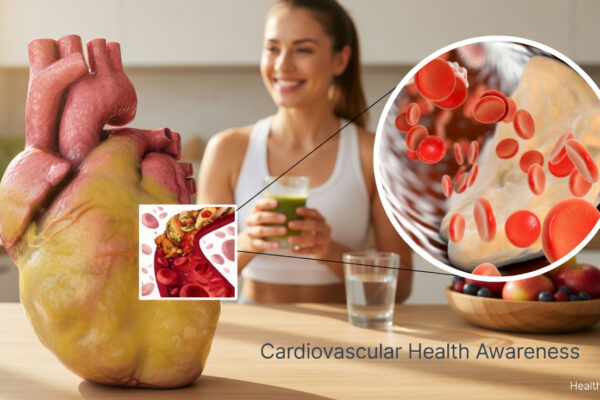
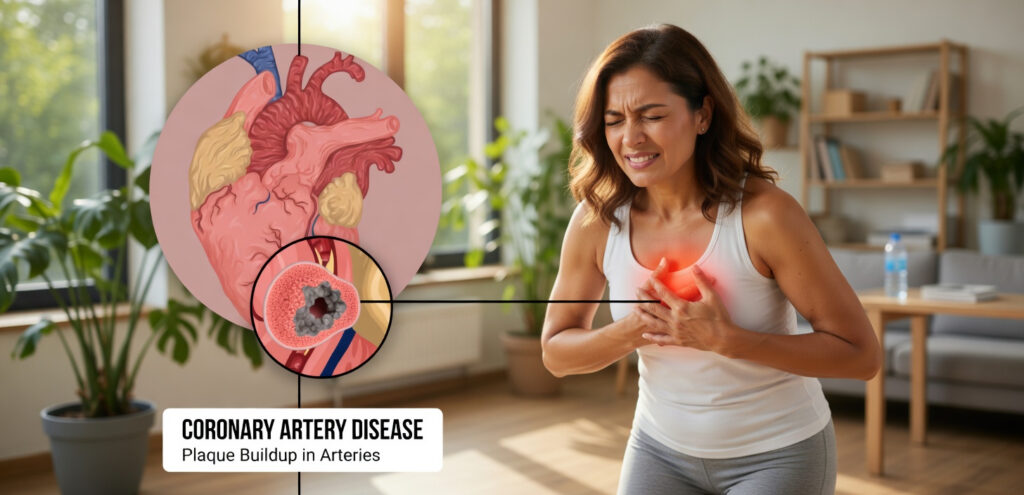
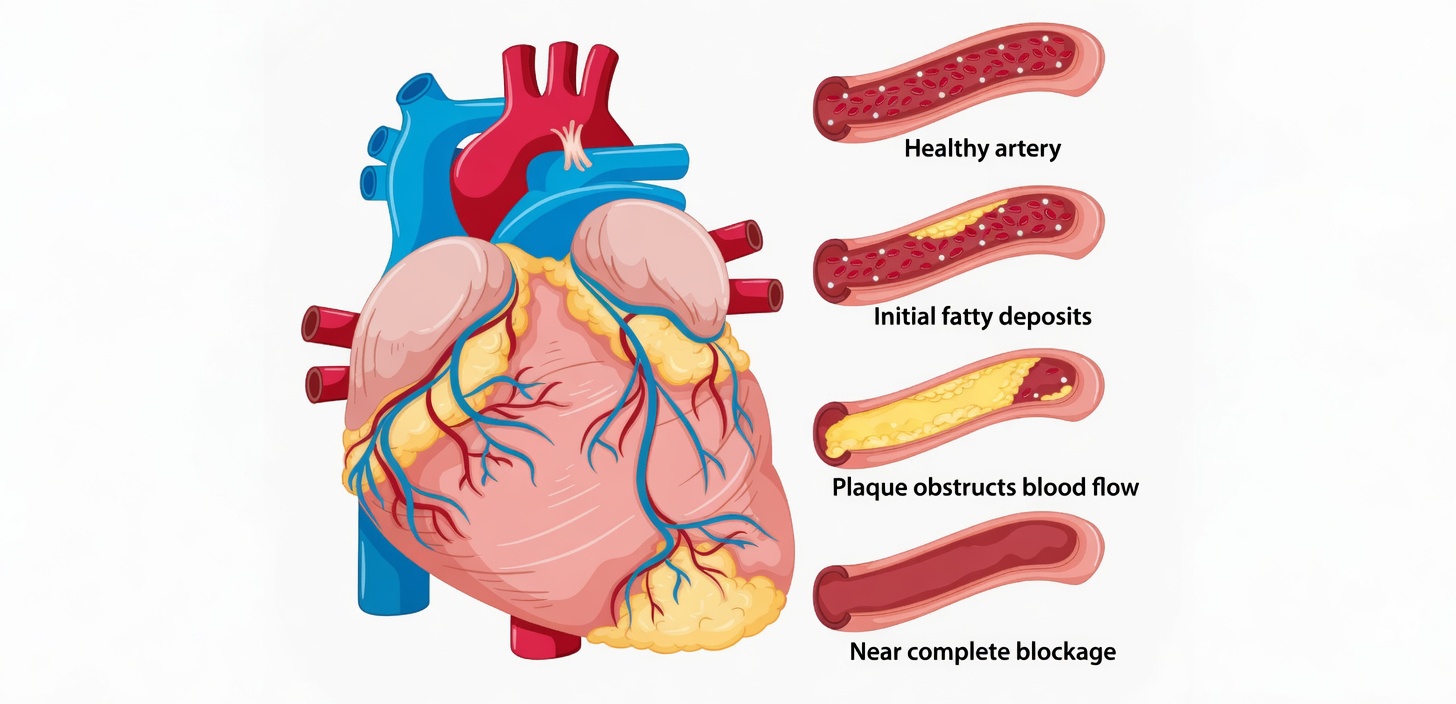
Plaque in the arteries is made up of fatty deposits, including cholesterol and other substances. As this buildup increases, it can narrow the arteries, reduce blood flow, and raise the risk of serious heart problems.
Most people already know that diet affects heart health. Still, understanding which foods may promote plaque buildup can make it easier to protect your heart and arteries. The good news is that heart-friendly eating does not have to be complicated.
One simple place to begin is by cutting back on foods that may contribute to clogged arteries and choosing healthier options more often.
What Causes Plaque Buildup in the Arteries?
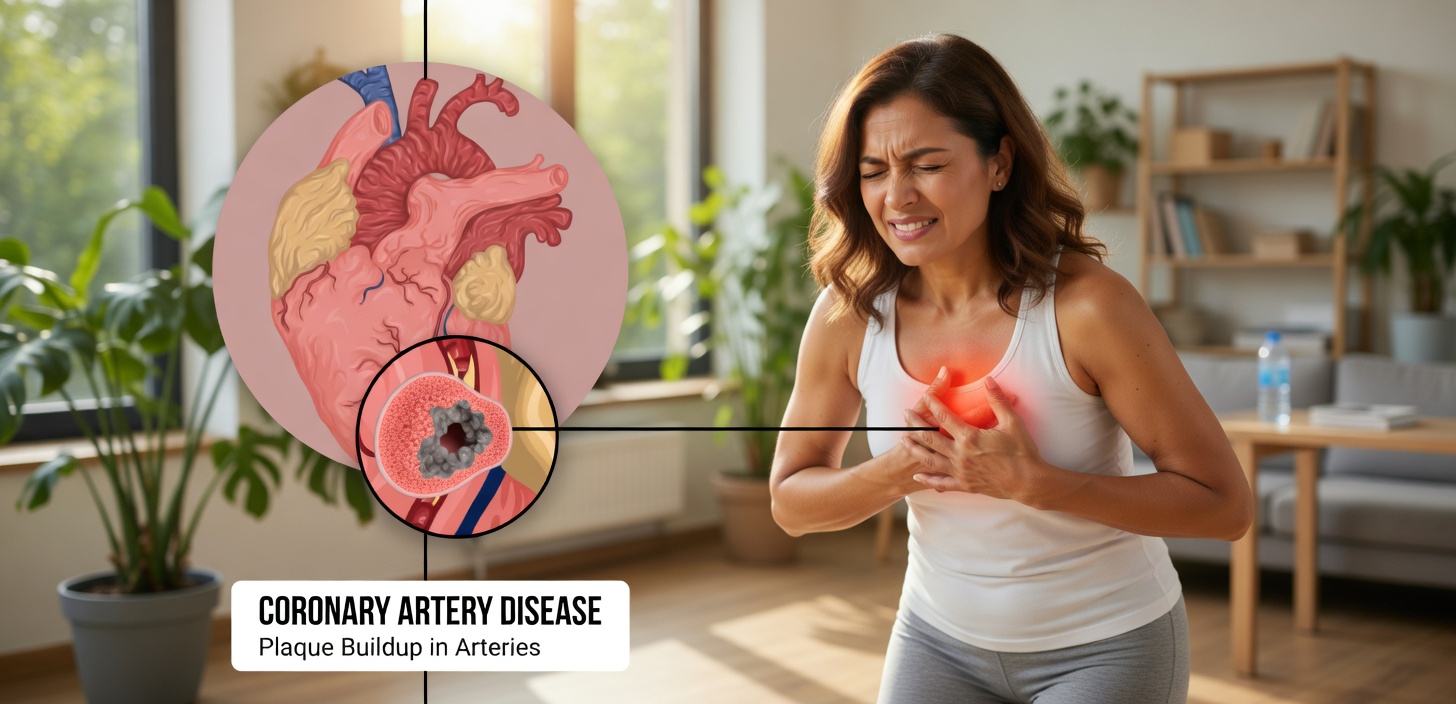
Plaques form inside artery walls and can gradually thicken them over time. These deposits are made of cholesterol and other substances such as calcium.
As plaque grows, it can block blood flow and trigger inflammation. In more severe cases, this buildup may lead to blood clots, heart attack, stroke, and other heart diseases.
High blood pressure and high cholesterol are linked to plaque buildup. Certain foods can raise cholesterol levels, which is why food choices matter so much for long-term heart health.
Experts know that foods high in low-density lipoprotein, or LDL, are among the foods that can promote plaque buildup. On the other hand, foods associated with high-density lipoprotein, or HDL, work in the opposite way by helping remove cholesterol and reducing plaque buildup in the arteries.
5 Foods That May Plaque Your Arteries
If you want to lower your risk, these are some of the main foods to avoid or limit.
1. Fatty Steak
A marbled, fatty steak may be flavorful, but it is also high in saturated fat. Saturated fat is one of the worst types of fat for heart health, and fatty cuts of steak contain a lot of it.
Experts recommend keeping saturated fat to less than 10% of daily calories. On a 2,000-calorie diet, that equals about 200 calories or 22 grams of saturated fat per day.
A 291-gram ribeye steak contains 28 grams of saturated fat, which is already above that daily amount.
A better choice is a leaner cut, such as sirloin, to help reduce unhealthy fat intake.
2. Heavy Cream
Dairy products can also be high in saturated fat, and heavy cream is one of the biggest offenders.
Just 1 ounce of heavy cream contains 7 grams of saturated fat, which is more than 35% of the daily recommended amount mentioned above.
If you use heavy cream often in cooking, it may help to swap it for non-dairy options such as oat, almond, or soy milk.
3. Sausages
Sausages are a common breakfast food and a source of protein, but eating too many can also increase saturated fat intake.
According to USDA information, 1 sausage link (100 grams) can contain up to 8.71 grams of saturated fat.
If you still want sausage, choosing chicken or turkey sausage may help reduce LDL.
4. Cream-Based Dressings
Avoiding artery-clogging foods is not only about cutting back on red meat, dairy, and processed meats. Some conventional dressings also contain ingredients that can add more saturated fat to your meal.
Cream-based dressings may include both dairy and oils such as palm oil and palm kernel oil. This combination can turn an otherwise healthy salad into a higher-risk meal for your heart.
When buying dressings, check the label and pay attention to the saturated fat content.
5. Butter
Butter is another food to watch. It is an animal fat made from churned cream, and most butter products are made from cow’s milk.
It may be a favorite on toast or in cooking, but using too much can raise LDL and potentially contribute to clogged arteries.
1 tablespoon of butter contains 7 grams of saturated fat. If you use 3 tablespoons on toast in the morning, that adds up to 21 grams.
Butter does not have to be avoided completely, but being mindful of how much you use can help protect your heart and lower your risk of heart disease.
A Simple Way to Protect Your Heart
Plaque buildup in the arteries can become dangerous over time, especially when high cholesterol and high blood pressure are involved. Because certain foods can raise LDL, paying attention to everyday choices can make a real difference.
Reducing foods high in saturated fat, such as fatty steak, heavy cream, sausages, cream-based dressings, and butter, is a practical step toward better heart health. Choosing leaner cuts of meat, lighter alternatives, and checking food labels can help you cut back without making your diet overly complicated.
Consult a healthcare professional before making changes.