Rounded Shoulders and Forward Head Posture: 7 Exercises That Can Help
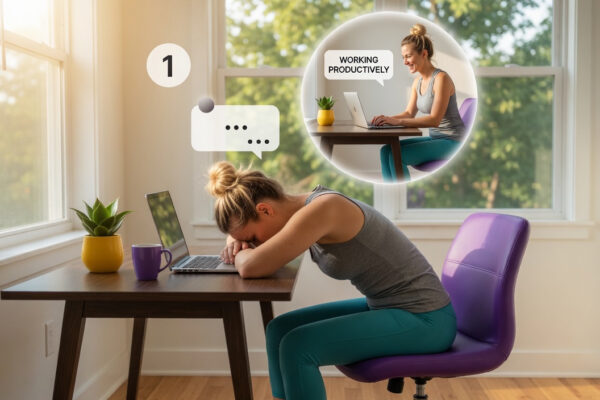
Rounded shoulders are a common problem for many people today. This posture can create major tension in the neck and upper back, and it may also increase the risk of injuries such as rotator cuff tears.
The good news is that a few simple stretches and strengthening exercises can help improve rounded shoulders over time. These movements can also support better alignment if you tend to have forward head posture.
The Problem: Rounded Shoulders and Forward Head Posture
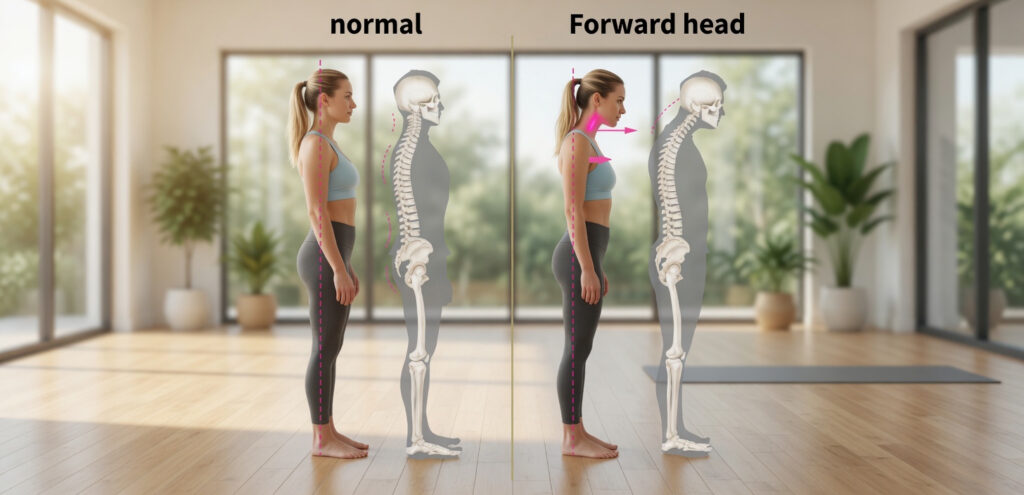
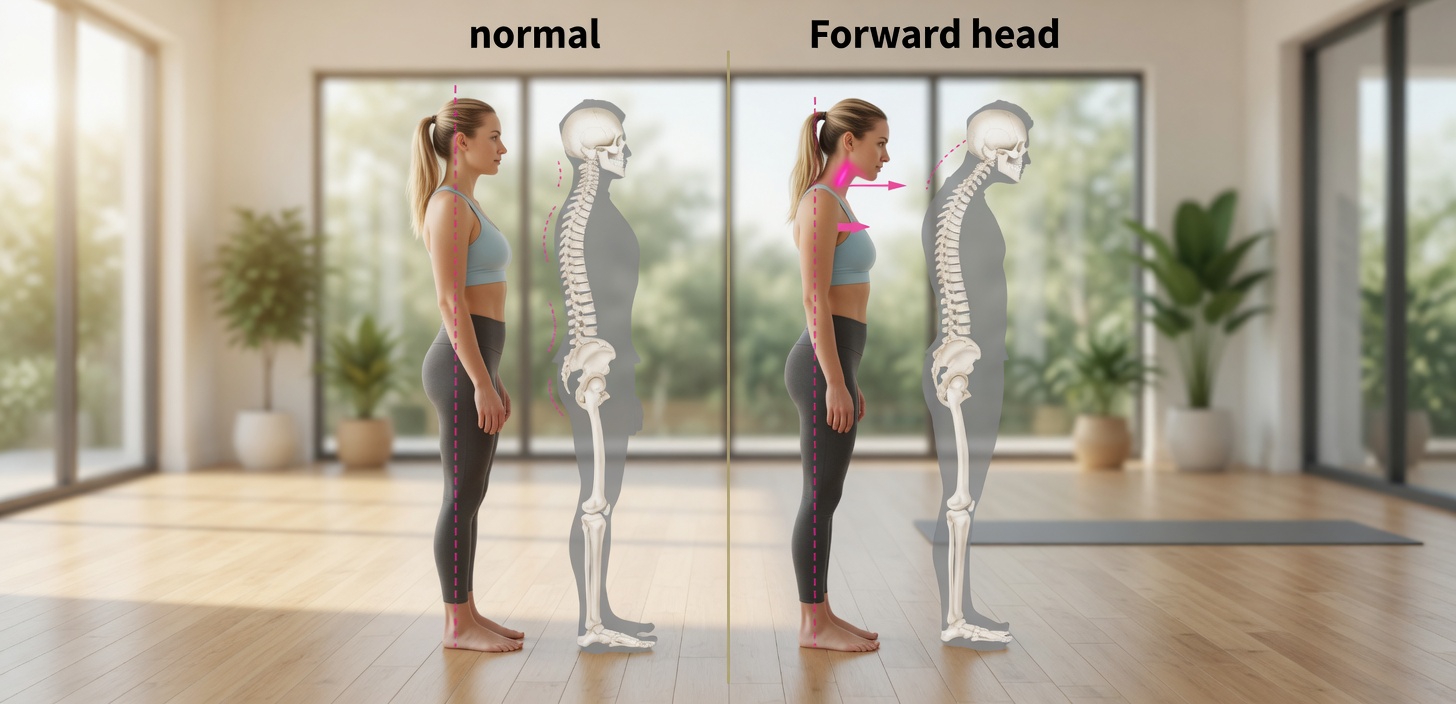
Rounded shoulders often show up along with forward head posture, also called FHP. When these two issues happen together, they place a great deal of strain on the upper body and can contribute to many orthopedic problems.
You may also notice stiffness, discomfort, or limited motion when trying to improve your posture. That can feel frustrating at first, but it often gets better with continued practice.
The Cause: Daily Habits and Slumped Posture
For many people, everyday routines naturally encourage rounded shoulders and FHP. Time spent sitting in the car, at a desk, or relaxing at home can push the body into poor posture again and again.
Some people use corrective tape to remind the back and shoulder muscles to move away from a slouched position. Others may use orthopedic cushions or similar sitting aids. These options can be helpful, and there is nothing wrong with using them.
Still, exercise is one important part of truly reversing rounded shoulders.
The Solution: 7 Exercises for Rounded Shoulders and FHP
These exercises can help improve mobility, strengthen key muscles, and support better posture. If your range of motion feels limited at first, try not to worry. With regular practice, that usually improves.
A good goal is to perform these exercises 3 to 4 times per week.
1. Cat-Camel
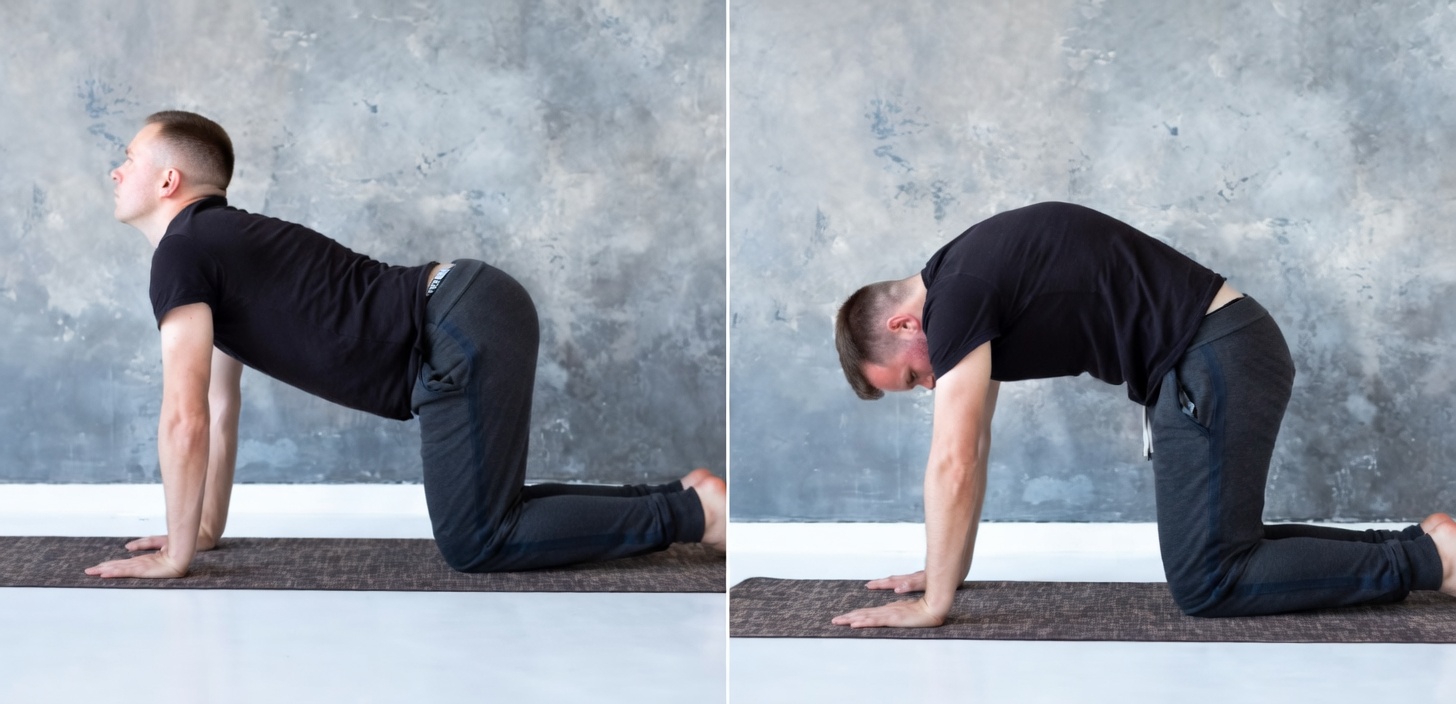
The cat-camel is a gentle movement often used in yoga. It is simple, accessible, and effective for improving spinal mobility.
How to do it:
- Start on your hands and knees.
- Place your hands directly under your shoulders and your knees directly under your hips.
- Let your stomach move toward the floor while extending your head backward.
- Hold this camel position for 10 seconds.
- Then round your back and tuck your chin toward your chest to move into the cat position.
- Hold for 10 seconds.
- Keep alternating until you complete 10 reps of each pose.
2. Bird Dog
Bird dog is a strong choice for improving spinal stability. It works the small muscles in the spine called multifidi, which help fine-tune spinal movement.
Keeping these muscles strong may help you manage many types of back pain and support better posture.
How to do it:
- Begin on your hands and knees in the same setup used for cat-camel.
- Reach your right arm straight forward in line with your trunk.
- At the same time, extend your left leg straight back in line with your trunk.
- Your body should form a straight line from your right fingertips to your left toes.
- Hold for 10 seconds.
- Return to the starting position.
- Complete 10 reps per set for 3 sets per session.
3. “No Monies”
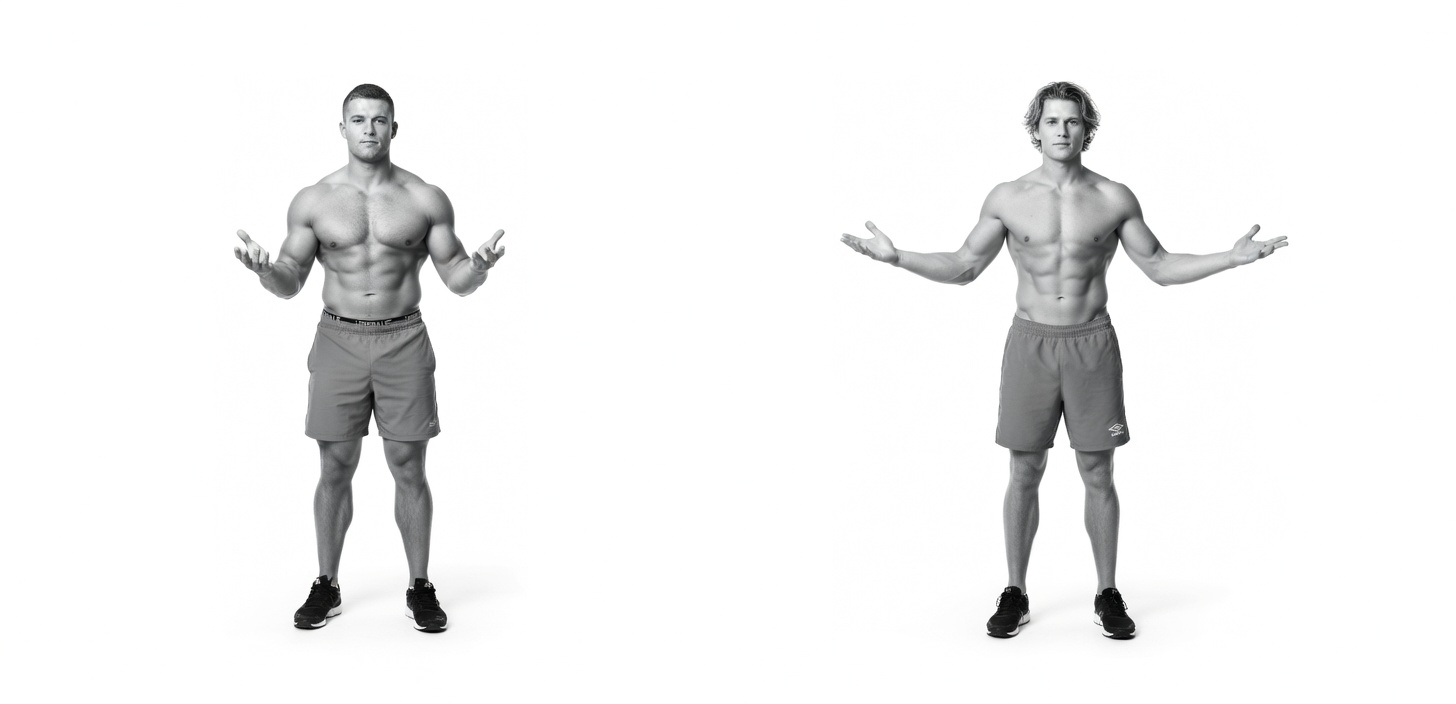
This exercise is also known by other names, including bilateral external rotation. It is especially useful for rotator cuff strengthening, and all you need is a resistance band.
How to do it:
- Stand tall holding a resistance band with both hands.
- Keep your palms facing upward and your elbows bent to 90 degrees.
- Pull the band by rotating your hands outward.
- Keep your elbows close to your sides.
- Once you reach the end of the motion, slowly return to the starting position.
- Perform 3 sets of 10 reps per session.
4. Prone T’s
Prone T’s are part of the alphabet-style shoulder exercises, along with A’s, W’s, and Y’s. These movements are excellent for rotator cuff strength, shoulder stability, and overall shoulder health.
How to do it:
- Lie on your stomach with your arms straight out to the sides.
- Lift your hands toward the ceiling.
- As you lift, try to squeeze your shoulder blades together.
- Slowly lower your hands back down.
- Complete 3 sets of 10 reps per session.
5. Bent-Over Dumbbell Shoulder Extension
For this movement, use light dumbbells or anything around the house that provides a few pounds of resistance.
Like prone T’s, this exercise can help build rotator cuff strength, triceps strength, and general shoulder stability.
How to do it:
- Stand with your feet about hip-width apart.
- Hold one weight in each hand.
- Bend forward at the waist until your trunk is about parallel to the ground.
- Keeping your elbows straight, lift your hands backward and toward the ceiling.
- Move as far as you comfortably can.
- Slowly return to the starting position.
- Complete 3 sets of 10 reps per session.
6. Prone Swimmers
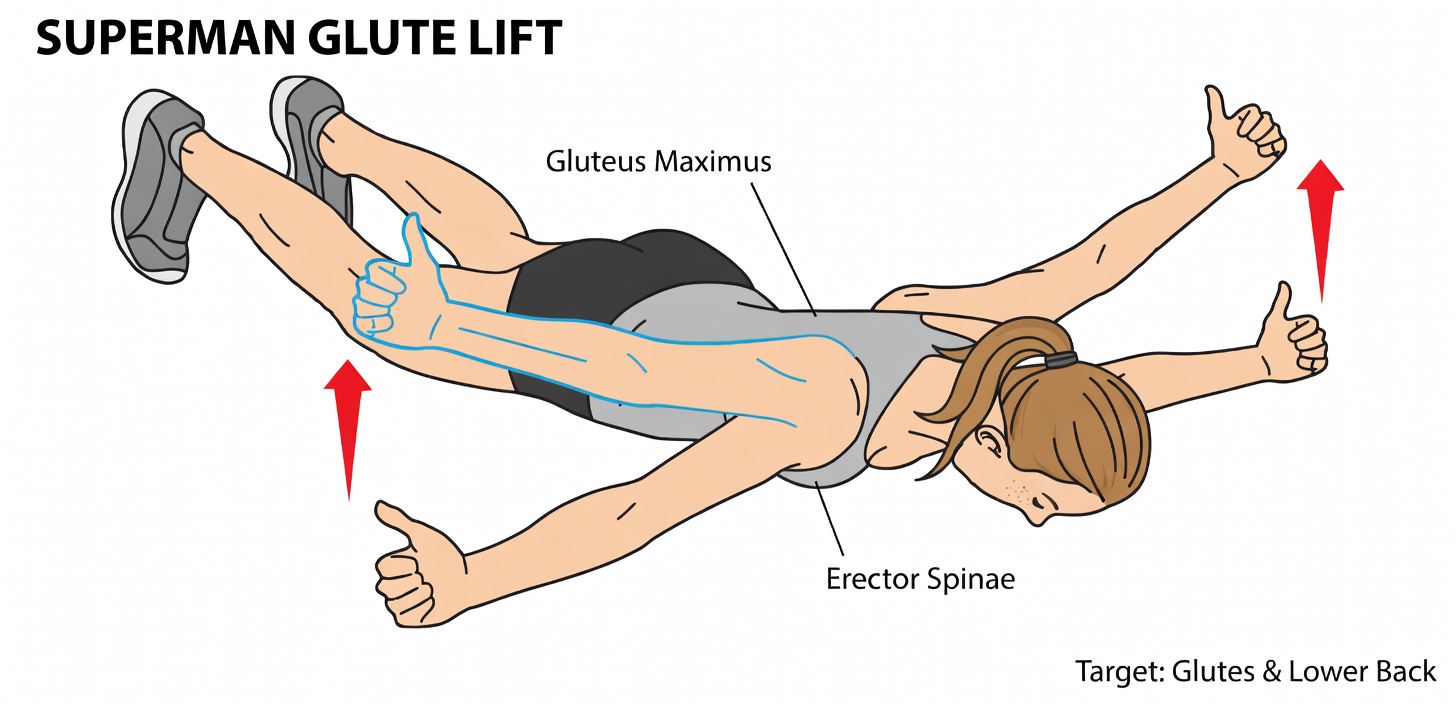
This exercise copies the freestyle swimming motion to use many of the same muscles. Swimmers often have very strong core and shoulder muscles, and if you have access to a pool, swimming a few laps using different strokes a few times each week can greatly reduce rounded shoulders.
How to do it:
- Lie on your stomach with your arms overhead and your legs straight behind you.
- Extend your back so your chest, arms, and legs lift off the floor.
- Raise your left arm higher while lifting your right leg at the same time.
- Alternate sides in a swimming-like motion.
- Do 15 reps per side for 3 sets per session.
7. Chest-Opener Stretch
This final stretch targets the chest muscles and the front of the shoulders. You will need a towel or a dowel rod.
How to do it:
- Hold the towel with both hands.
- Keep your palms facing down.
- With straight elbows, pull the towel apart as much as you can.
- At the same time, lift your arms up and over your head.
- Hold the stretch for 10 seconds.
- Repeat 10 times per session.
Final Thoughts
Rounded shoulders are a widespread issue, but they can be improved. With consistent work, these exercises can help you take an important step toward correcting posture and reducing the strain that comes with slumping.
If you are dealing with serious shoulder, neck, or upper back problems, be sure to visit a qualified professional for a thorough evaluation.
Consult a healthcare professional before making changes.