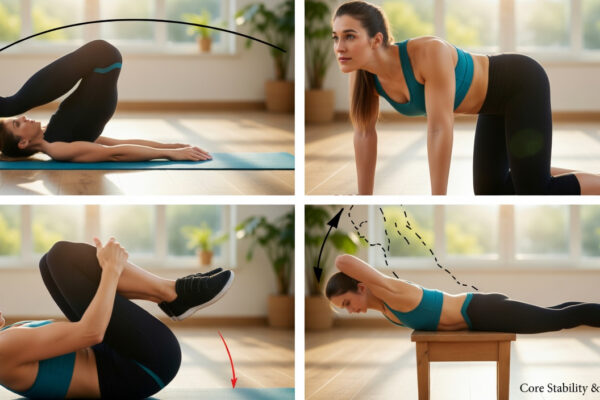
Upper Back and Neck Pain: Why It Happens and What Can Help
An achy neck and pain in the upper back can make everyday life feel uncomfortable. When it feels like you are carrying the weight of the world on your shoulders, built-up tension is often part of the problem.
Upper back pain is becoming more common, especially as more people spend long hours hunched over a phone or sitting at a desk. Staying in that hunched posture for too long can cause tension and stress to build in the neck, shoulders, and upper back.
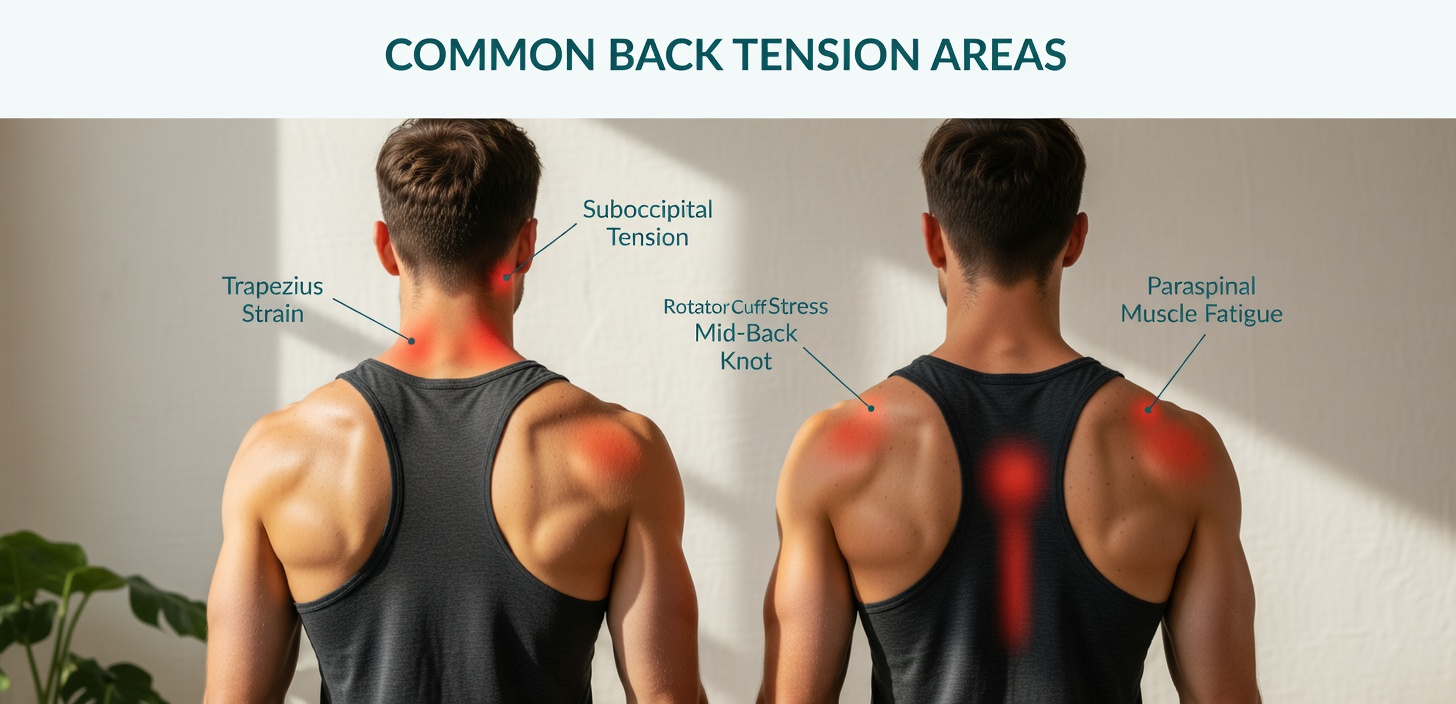
Over time, that tightness can turn into an aching back, stiff shoulders, possible headaches, and poor posture. The good news is that a few simple stretches done regularly can help relieve pain and improve how this area feels.
What Causes Tension in the Upper Back?
The upper back starts at the base of the neck, so tension in this region often affects everything from the neck down to the mid-spine. When the body stays in a rounded, forward position for hours at a time, the muscles in this area can become tight and stressed.
That is why discomfort in the upper back often shows up along with shoulder tightness and neck stiffness. As this pattern continues, it can contribute to posture problems and make the area feel even more restricted.
A Simple Foam Rolling Routine for Relief
These restorative foam rolling exercises can help release tension in the neck, shoulders, and upper back. They can also help you relax and de-stress.
Spending just a few minutes, 3 to 4 times a week, may help ease upper back pain and reduce tension in that area.
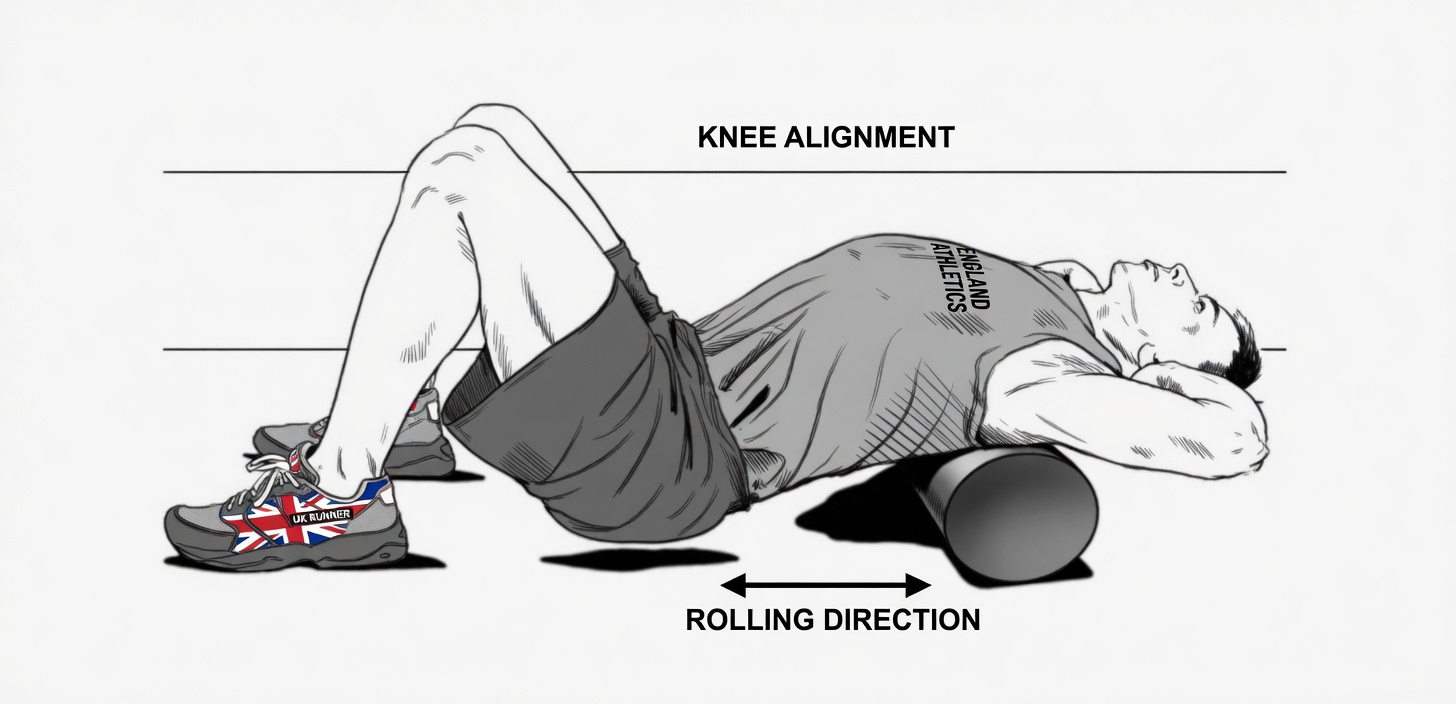
1. Foam Roll Upper Back Extensions
This movement helps lengthen and stretch the muscles of the upper and mid-back. It also helps bring movement back to the thoracic spine in the mid-back.
How to do it
- Lie face up on the floor with the foam roller placed horizontally under your body.
- Put your hands behind your head to support your neck and hold the weight of your head.
- Lift your hips off the floor, keeping them in line with your upper back.
- Slowly and gently roll along the spine from the mid-back up to the upper back, near the base of the neck.
- Repeat 8 to 10 times.
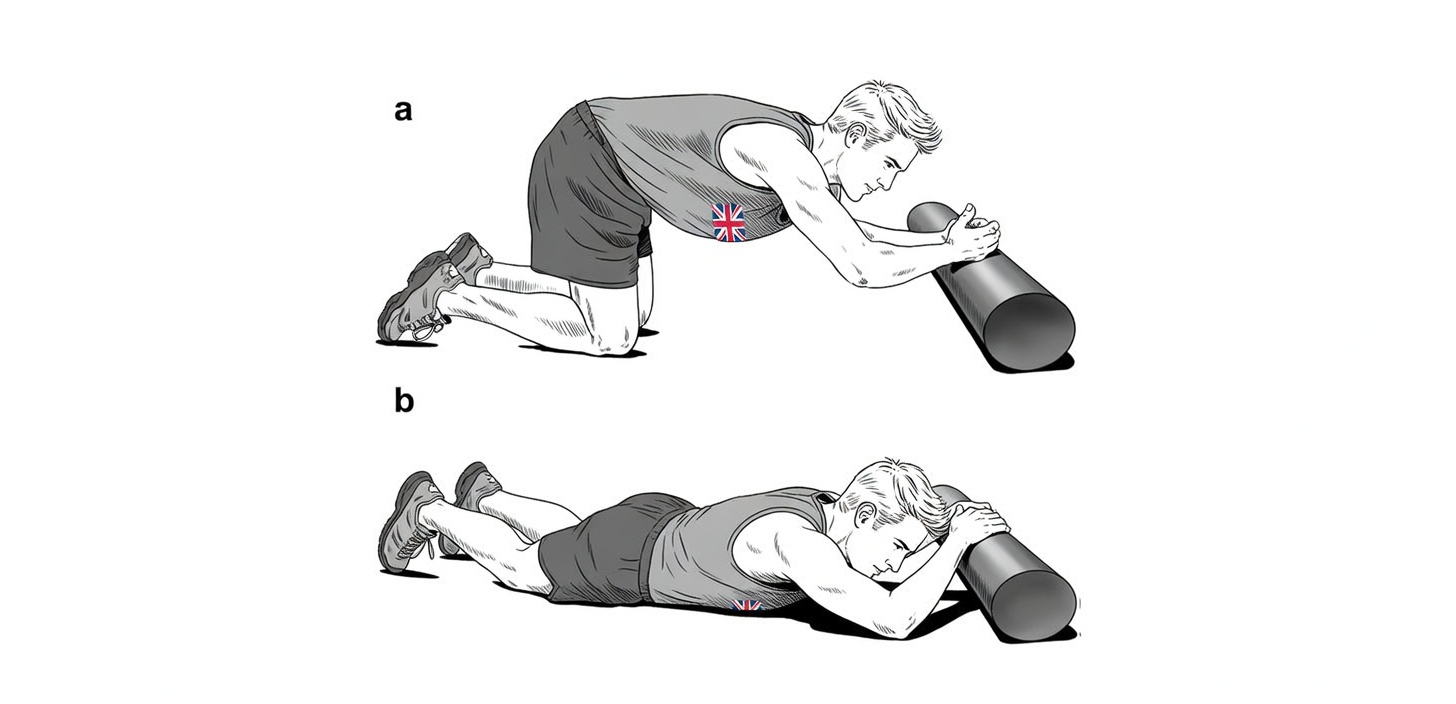
2. Foam Roll Mid-Upper Back
This exercise stretches the chest and helps open the shoulders. If your shoulders have been feeling especially tense, this can be a helpful addition to your routine.
How to do it
- Kneel on the floor and place both hands in front of your body.
- Rest a foam roller under your forearms.
- Inhale and round your back to begin.
- Exhale and lower your mid-back toward the floor, similar to the cat and cow movement in yoga.
- Focus on the stretch through the mid-back.
- Continue for 10 repetitions to stretch the chest and mid-back.
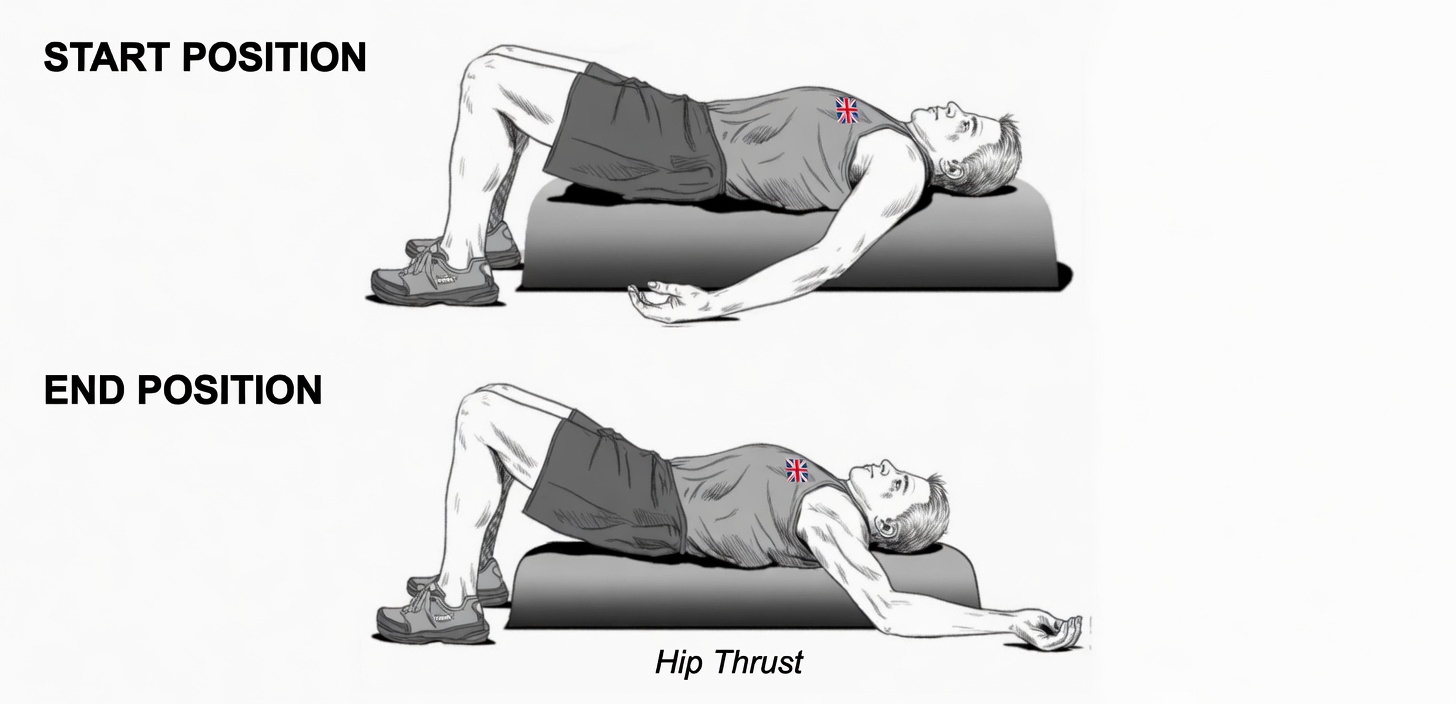
3. Foam Roll Spine
This is a calming stretch that can help improve posture while stretching tight shoulders and pecs.
How to do it
- Lie on your back vertically along the foam roller.
- Plant your feet on the floor for balance and support.
- Place your hands by your sides with your palms facing up.
- Tuck your chin to stretch the back of your neck.
- Gently press your mid-back into the roller to avoid too much curve in your back.
- To open the chest, inhale and open your lungs, then exhale and gently press your back into the foam roller.
- To open the shoulders, raise your arms above your head.
- Bring your shoulder blades together, then release.
- Repeat 8 to 10 times until you feel the stretch from the upper back into the neck.
The Bottom Line
If neck and upper back pain have been making you feel stiff and uncomfortable, daily stretching and foam rolling can go a long way. Since these exercises target the muscles from the base of the neck to the mid-spine, they can help undo tension caused by too much time spent hunched over.
A few minutes of practice several times a week may help ease pain, reduce tightness, and support better posture.
Consult a healthcare professional before making changes.