How to Stop Procrastinating
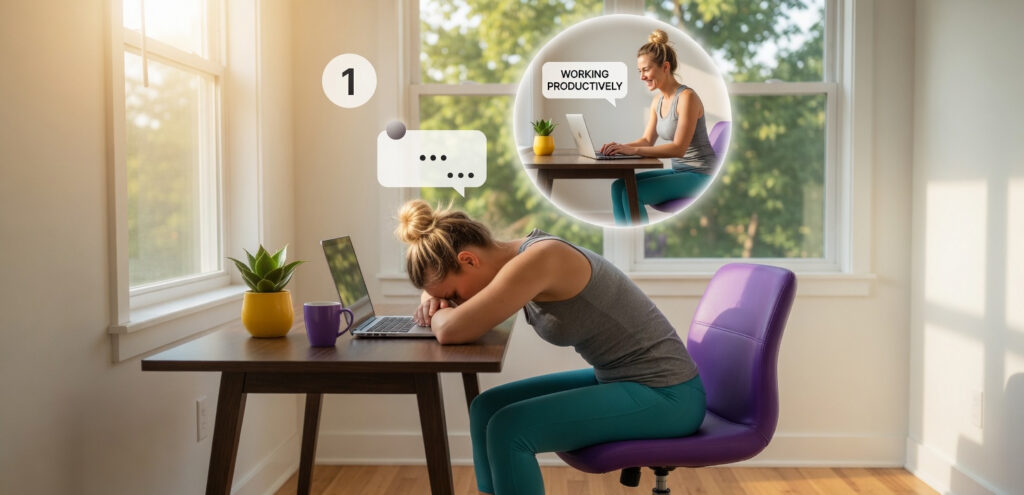
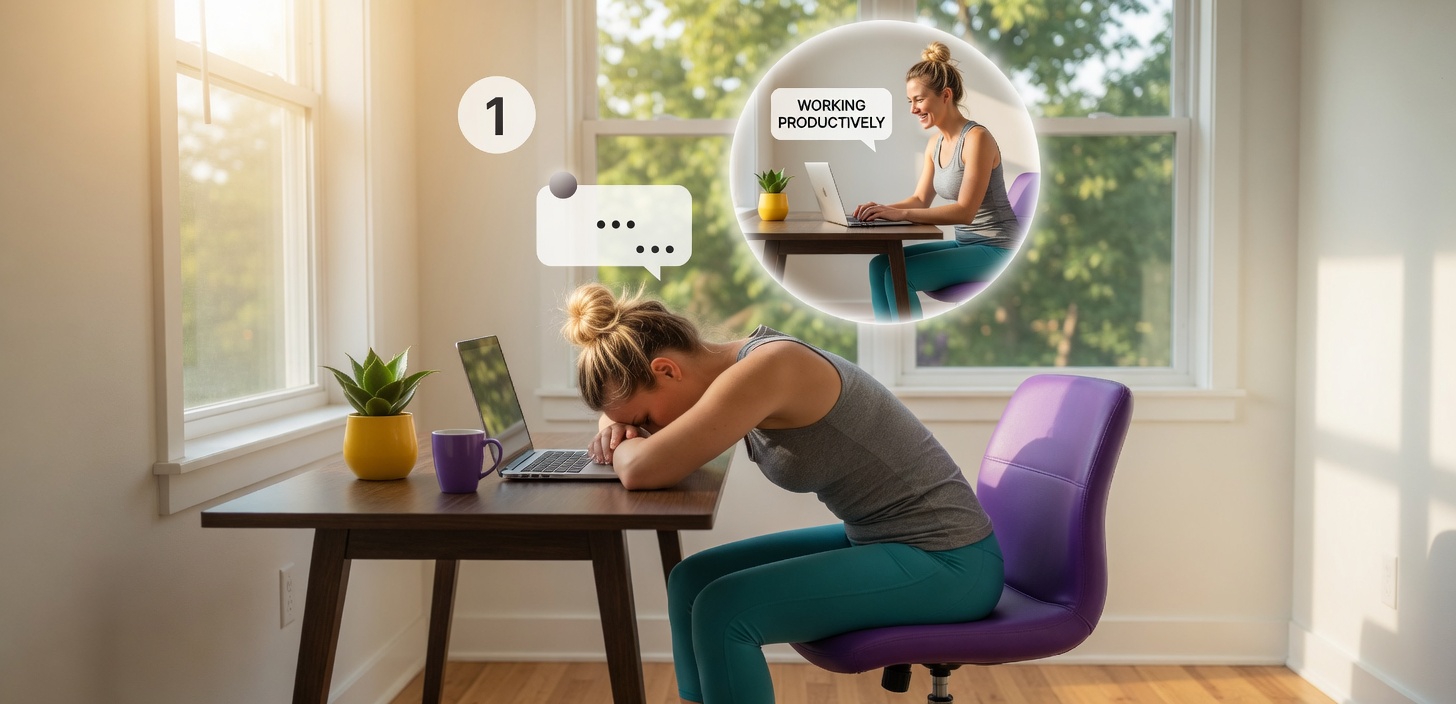
Procrastination can trigger guilt fast. One moment, you plan to handle an important task first thing in the morning, and before you know it, that same task has been pushed to later in the week.
For many people, unfinished work starts to pile up, and that growing stack can make the guilt even heavier. It becomes a frustrating loop: delay the task, feel bad about it, then feel even less able to begin. Over time, that cycle can leave you feeling powerless and not good enough.
The encouraging part is this: it does not have to stay that way. There is a practical way to break the pattern.
Why Procrastination Happens
If you procrastinate often, you probably are not avoiding just one thing. It is usually a mix of small tasks you cannot seem to finish and bigger responsibilities that keep getting pushed aside.
One study describes procrastination as “short-term mood repair.” In simple terms, procrastination is often linked to self-emotion regulation. That means there can be a mental block that makes starting feel uncomfortable, so you avoid the task to feel better in the moment.
The problem is that looking at a long list of delayed tasks is not motivating at all. It can drain your energy and make self-control even harder. That is why trying to tackle everything at once usually does not work.
The Solution: 3 Simple Steps to Beat Procrastination
1. Pick One Thing
Start by choosing one task.
If you have several things you have been avoiding, do not try to handle them all at once. Pick the one task that will bring the biggest sense of relief when it is done and have the greatest effect on the bottom line.
Then decide exactly when you will do it. Give it a deadline and block out enough time to complete it.
Focusing on one task at a time makes it easier to face procrastination directly. And if distractions show up, you can guide your attention back to that one clear priority.
2. Do Nothing Else
Procrastination gets easier when there are plenty of other things available to pull your attention away.
Instead of finishing a research paper, you might suddenly decide it is the perfect time to dust your desk. Or rather than working on the next sales pitch, you may choose to take your car to the wash.
It is easy to come up with distractions that sound productive. That is why a helpful rule is this: either work on the task or do nothing.
If you do not feel motivated, do not replace the important task with another activity. Do not give yourself a “useful” distraction. Only allow yourself two options:
- Work on the task
- Do nothing
That removes the escape route that procrastination depends on.
3. Just Start
This is the most important step: just start.
Do not give yourself too much time to sit and think about the project before beginning. The more space you give your feelings and emotions, the harder they can become to overcome.
For many people, procrastination feels worst before they begin. It is often the overthinking and overanalyzing that creates paralysis.
When procrastination shows up, it helps to think less and begin faster. Quiet the internal noise and take the first step. Once you get started, the task may not seem nearly as bad as you imagined.
Final Thoughts
Procrastination can feel like a constant source of guilt, but it is possible to break the cycle.
- Choose one task
- Remove other distractions
- Just begin
That simple approach can help you move from avoidance to action and finally stop procrastinating for good.
Consult a healthcare professional before making changes.