Worried About Brain Health as You Age?
Many people want to do everything they can to support a healthy brain over time. One of the biggest fears people report is developing a brain-related condition, such as Alzheimer’s disease or a movement disorder.
Because of this concern, researchers have spent the past few decades exploring ways to support better brain health. Even with today’s scientific progress, the brain is still not fully understood. Still, there is encouraging evidence that simple daily habits may help support brain function.
What May Affect Brain Function?
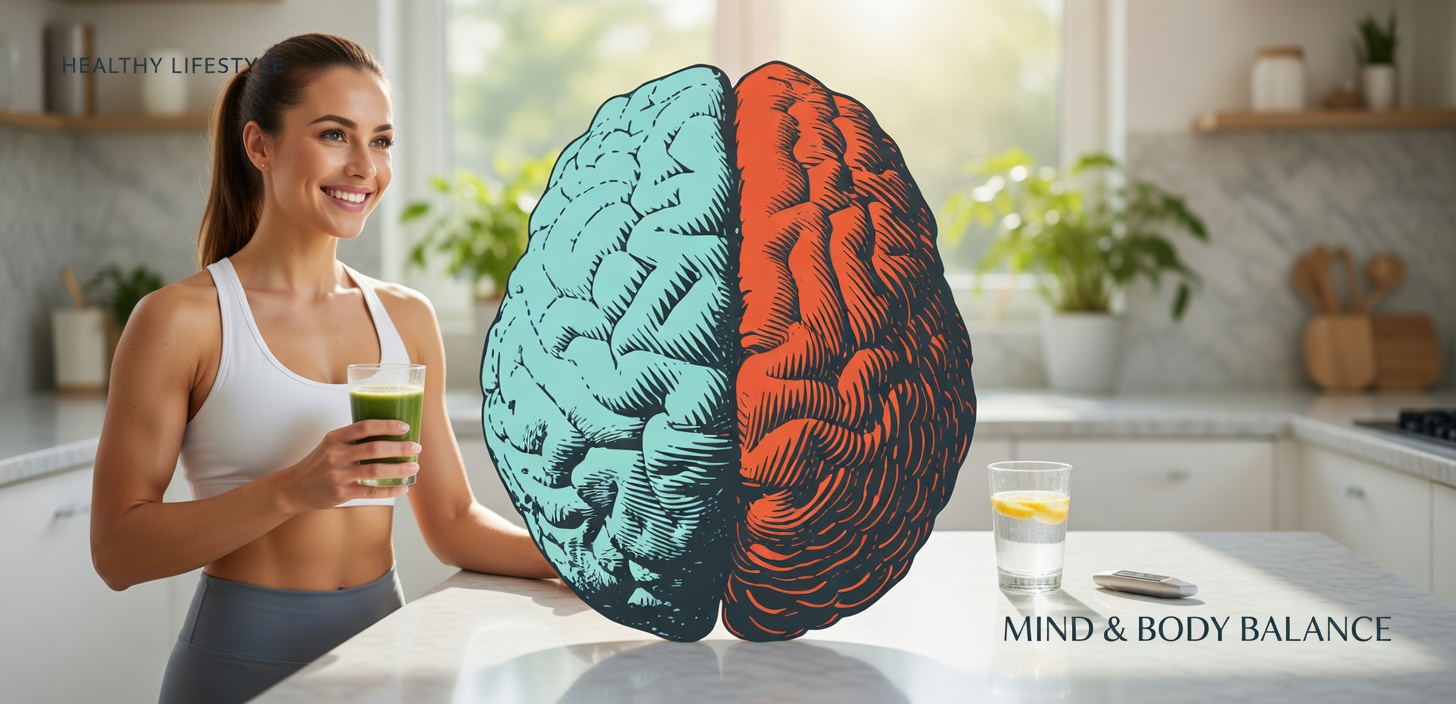
Brain health appears to be influenced by the choices we make every day. Physical activity, food quality, and mental habits all seem to play a role.
For example, a 2020 study by Li and Spitzer highlighted possible benefits of sustained running for brain function. In that research, mice that exercised on a treadmill for prolonged periods showed detectable changes in certain parts of the brain. These areas are often linked to movement disorders when they do not function well.
This does not yet prove the same effect in humans, but it gives researchers a starting point for exploring whether sustained running, or cardio exercise more broadly, could help reduce the severity of movement disorders and other brain problems in people.
Diet may also matter. While the idea of an “ideal” human diet remains debated, one point seems to be widely accepted: limiting nutrient-deficient foods is a smart step. In addition, mindfulness and meditation may also support better brain function, even though the exact reason is still unclear.
3 Simple Brain Exercises to Support Healthy Aging
1. Exercise Regularly
Exercise has long been connected with better brain function. Weight lifting, yoga, running, and other forms of movement are strongly associated with improved cognitive performance.
A simple way to think about exercise minimums for good health is:
- 150 minutes of moderate-intensity cardio exercise each week
- 2–3 days of total-body resistance training each week
- 2 or more days of total-body flexibility training each week
This shows that staying healthy does not always require an extreme routine. A consistent mix of cardio, strength work, and flexibility training may go a long way.
2. Cut Back on Nutrient-Deficient Foods
Nutrition can be a complicated topic, but this part is fairly straightforward: try to reduce foods that offer very little nutritional value.
Examples include:
- Candy
- Cookies
- Similar nutrient-deficient foods
Instead, aim to eat more nutrient-dense foods, especially whole foods such as:
- Meats
- Vegetables
- Fruits
- Nuts
- Seeds
These foods give the body, including the brain, the tools it needs to function at its best.
3. Practice Mindfulness or Meditation
Along with movement and nutrition, meditation is another simple habit that may help boost brain function.
Even just a few minutes a day of meditation or mindfulness may greatly support brain health. If you are new to it, keep it simple:
- Sit quietly without distractions.
- Focus on your breathing.
- Continue for ten minutes a day.
- Try it for two weeks and notice how you feel.
The exact reason this may help brain health is still unknown. However, meditation has been practiced for centuries and has been linked with calmer states of mind and better cognitive performance in many of our ancestors.
The Bottom Line
If you want to age well and support your brain, a few simple habits may help:
- Exercise consistently
- Limit nutrient-deficient foods
- Practice mindfulness or meditation
These steps are simple, practical, and backed by encouraging evidence. If you want to improve brain health and function, these are great places to start.
Consult a healthcare professional before making changes.