
Trouble Sleeping at Night? It May Not Be “Just Aging”
Many people lie awake, toss and turn, and assume poor sleep is simply part of getting older. But that doesn’t have to be the case. Everyone deserves restful sleep at any age.
Sleep becomes even more important as the years go by. During the night, your body resets. When you sleep well, you’re more likely to wake up feeling refreshed and energized the next day.
What May Be Causing Restless Sleep
As we age, sleep patterns naturally shift, and deep sleep tends to decrease. But age is not the only reason sleep may suffer.
Stiff muscles and tight joints can create discomfort, even while you’re asleep. That discomfort can interrupt deep sleep and leave you changing positions all night. Over time, this can turn into years of poor rest.
Stiffness also affects how your body feels at bedtime. If muscles stay tense, your body has a harder time relaxing. That can keep your nervous system alert instead of calm.
Why Mobility Before Bed Can Help
Gentle mobility work can ease stiffness and lower muscle tension. When your muscles relax, your body feels safer and more comfortable. That sense of ease helps calm the nervous system, which can support better sleep quality.
Mobility also helps with blood circulation and may reduce inflammation. The goal is not an intense workout before bed. Slow, easy movement is enough to help your body unwind.

Bedtime Mobility Routine to Support Better Sleep
These simple movements are meant to help your body release tension before sleep.
1. Gentle Spine Reset
Your spine carries a lot of stress during the day. Sitting for long periods can compress the lower back and affect posture. Poor posture may also tighten the chest muscles, which play a role in breathing. If your body struggles to breathe well during sleep, you may wake up tired.
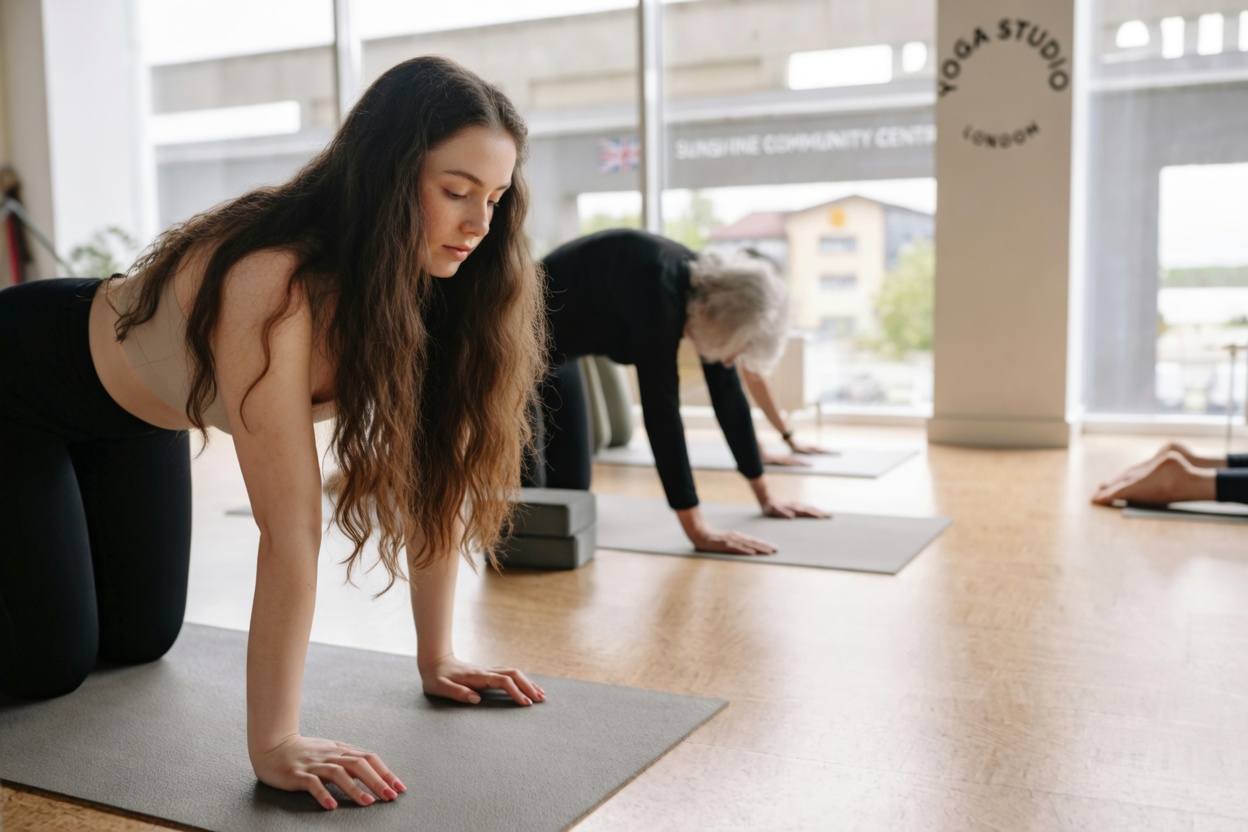
Try slow cat-cow movements to gently reset the spine. Bedtime yoga-style movements can be especially calming. Keep the motion smooth and gentle rather than forceful. You can also add easy seated twists to improve rotation. Finish with child’s pose to help relax the lower back.

2. Hip and Lower Back Release
Tight hips are common with age, especially if you spend much of the day sitting. Sitting can shorten the hip flexors, which may pull on the lower back and create tension. That tension can interfere with sleep.
Start with gentle hip circles to encourage joint lubrication. Better-lubricated joints tend to feel less friction during movement. Then try a kneeling hip flexor stretch, staying gentle so you don’t strain anything. Finish with a seated figure-four stretch to target the glutes and release lingering tension.
3. Shoulder and Chest Openers
As the years pass, the shoulders often start to round forward. Tight shoulders and chest muscles can limit lung expansion, which may affect breathing during the night.
Begin with simple wall chest stretches, holding each one for about 20 to 30 seconds without pushing too far. Then add gentle arm circles to improve shoulder mobility. If it feels comfortable, try a doorway stretch to open the front of the body. Opening the chest can help improve oxygen intake.
4. Ankle and Foot Mobility
Good circulation matters for quality sleep. Poor circulation can cause discomfort during the night, and circulation tends to slow with age.
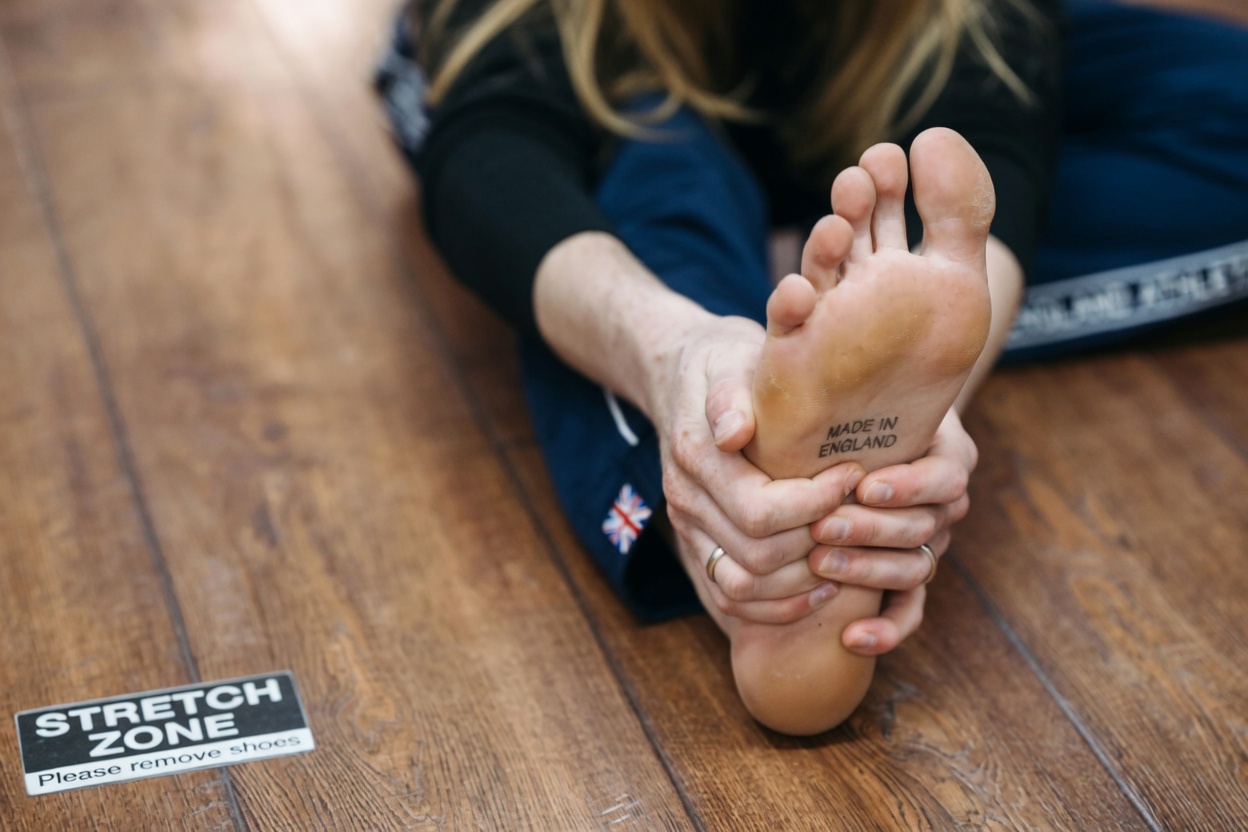
Start with ankle circles, then slowly flex and point your feet. This helps activate the calf muscles, which support blood flow through the lower body. Better blood flow may also help reduce leg cramps. Add toe spreads, then move into gentle calf stretches. Foot and ankle mobility supports movement during the day and may also help you sleep better at night.
5. Nervous System Wind-Down
All of these movements support one important goal: helping your nervous system settle down. Quality sleep is easier when your body feels calm and comfortable. Stress keeps the body alert, making it harder to fully rest.
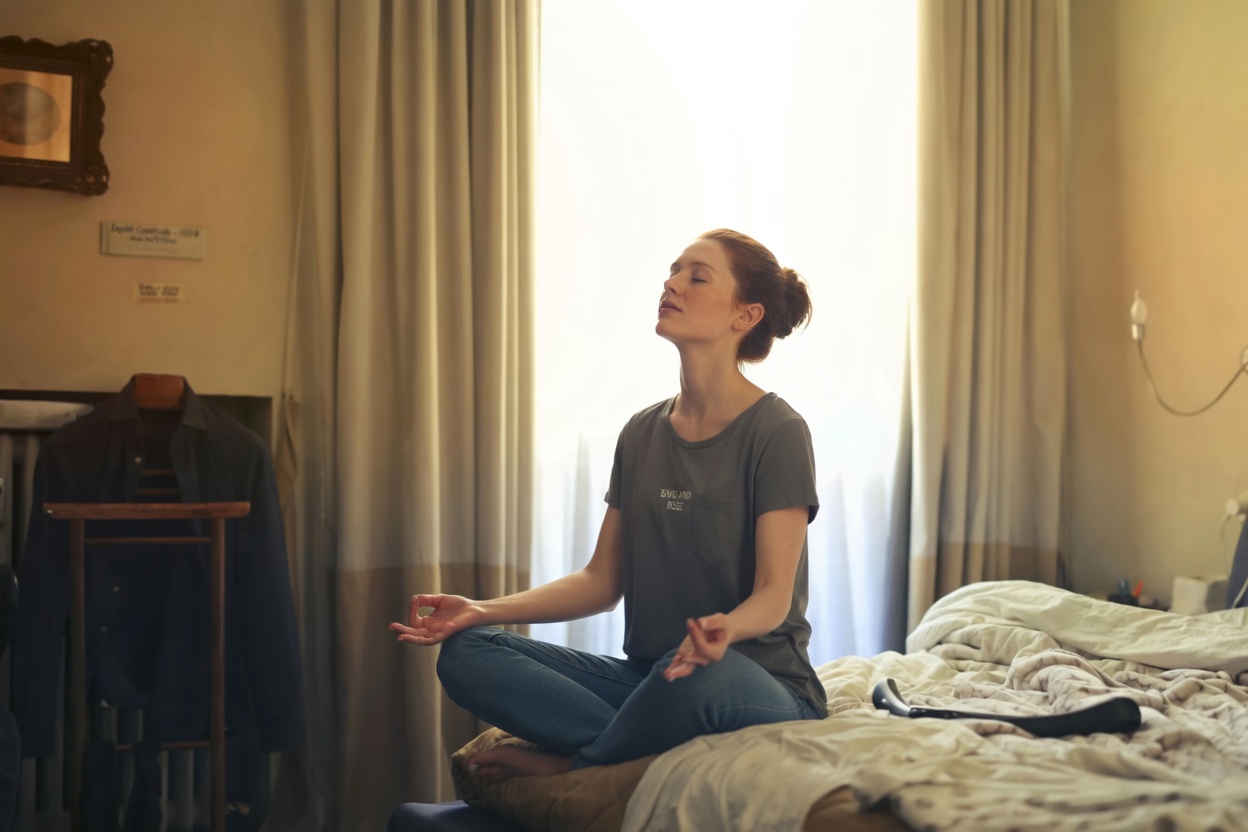
Start with slow diaphragmatic breathing. Let your exhales last longer than your inhales, since longer exhales can help lower your heart rate. You can also add gentle rocking on your back to soothe the spine.
Final Thoughts
Sleep quality is influenced by many things, including your breathing, posture, and muscle tension. These bedtime mobility exercises help address the issues that can contribute to restless nights. With a simple nightly routine, your body may begin to feel calmer, looser, and more ready for sleep.
Mobility does not decline only because of age. It also decreases when it isn’t used regularly. That’s why staying limber becomes even more important over time. These gentle movements can help you sleep more comfortably through the night while also supporting better movement during the day.
Consult a healthcare professional before making changes.