Tight Hips and Hamstrings: Why They Hurt and How to Loosen Them
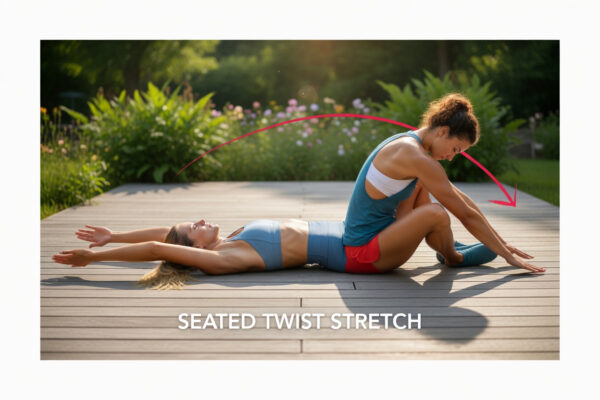
Tight hips and hamstrings can make everyday movement harder. They may contribute to hip and back pain, reduce mobility, and affect posture.
Stretching these areas regularly can help ease tightness and discomfort. It can also support smoother daily movement, improve range of motion, and encourage better posture.
What Causes Tight Hips and Hamstrings?
One common reason for tight hip flexors is spending too much time sitting without stretching. Sitting for long periods can change posture and lead to a forward-tilting pelvis, called an anterior pelvic tilt.
Some research suggests that about 75% of women and 85% of men have this forward pelvic tilt without noticing symptoms.
If you have an anterior pelvic tilt, you may feel tightness in the hamstrings, quads, and front of the pelvis, along with the back, glutes, and abs. This can play a role in back pain, hip pain, knee pain, and reduced flexibility in the hips and knees.
A Simple At-Home Solution
The good news is that there are stretches and exercises you can do at home without equipment to help loosen your hips and hamstrings. These movements may also help bring your pelvis back toward a more comfortable, pain-free position.
As with any stretching routine, remember to breathe through each movement and never force yourself into sharp pain. Move slowly, and keep in mind that flexibility improves over time.
8 Stretches and Exercises for Tight Hips and Hamstrings
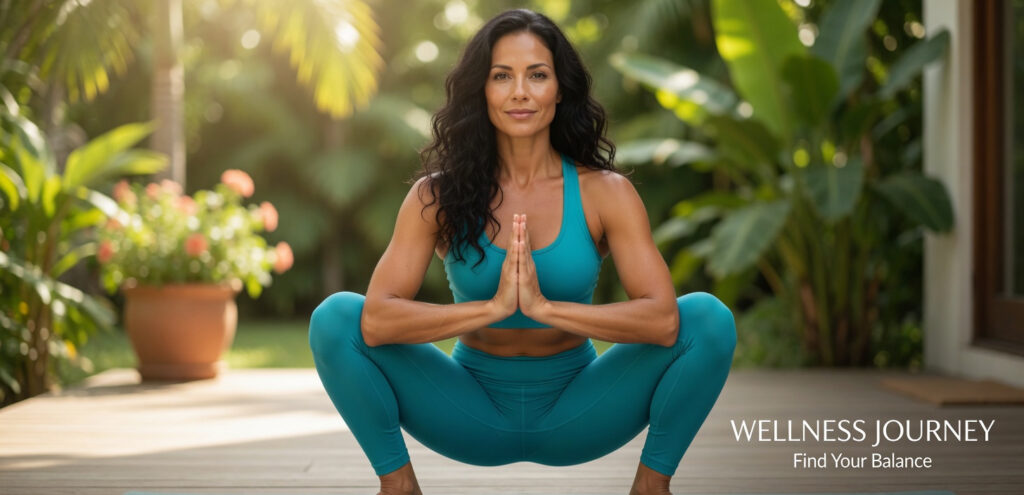
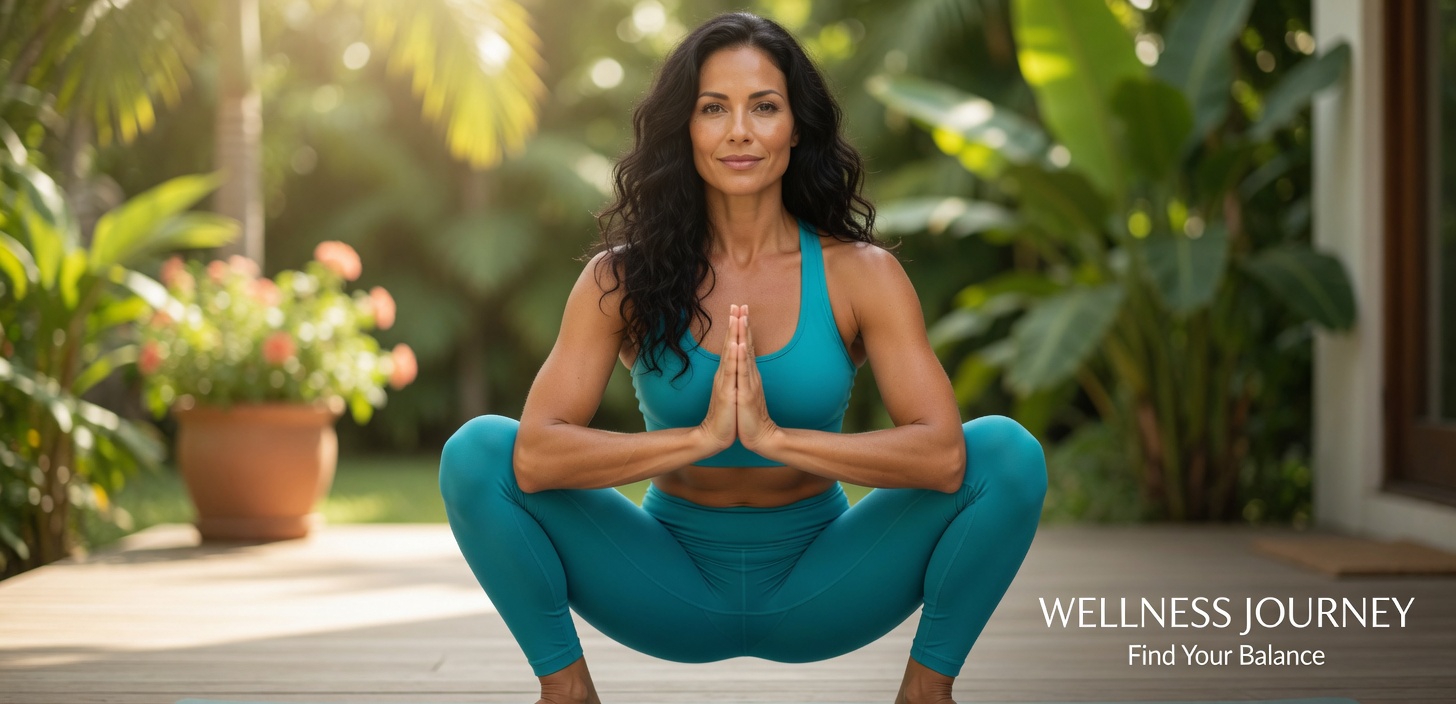
1. Deep Squat
The deep squat is a full-body stretch that helps loosen the hips, glutes, and hamstrings, along with other muscles in the lower body.
- Stand with your feet a little wider than hip-width apart.
- Bring your palms together in front of you.
- Bend your knees and push your hips back.
- Keep your back neutral as you lower toward the floor.
- Press your elbows gently against your knees to open the hips.
- Hold for a few deep breaths, then slowly rise back up.
Repeat 2 more times.
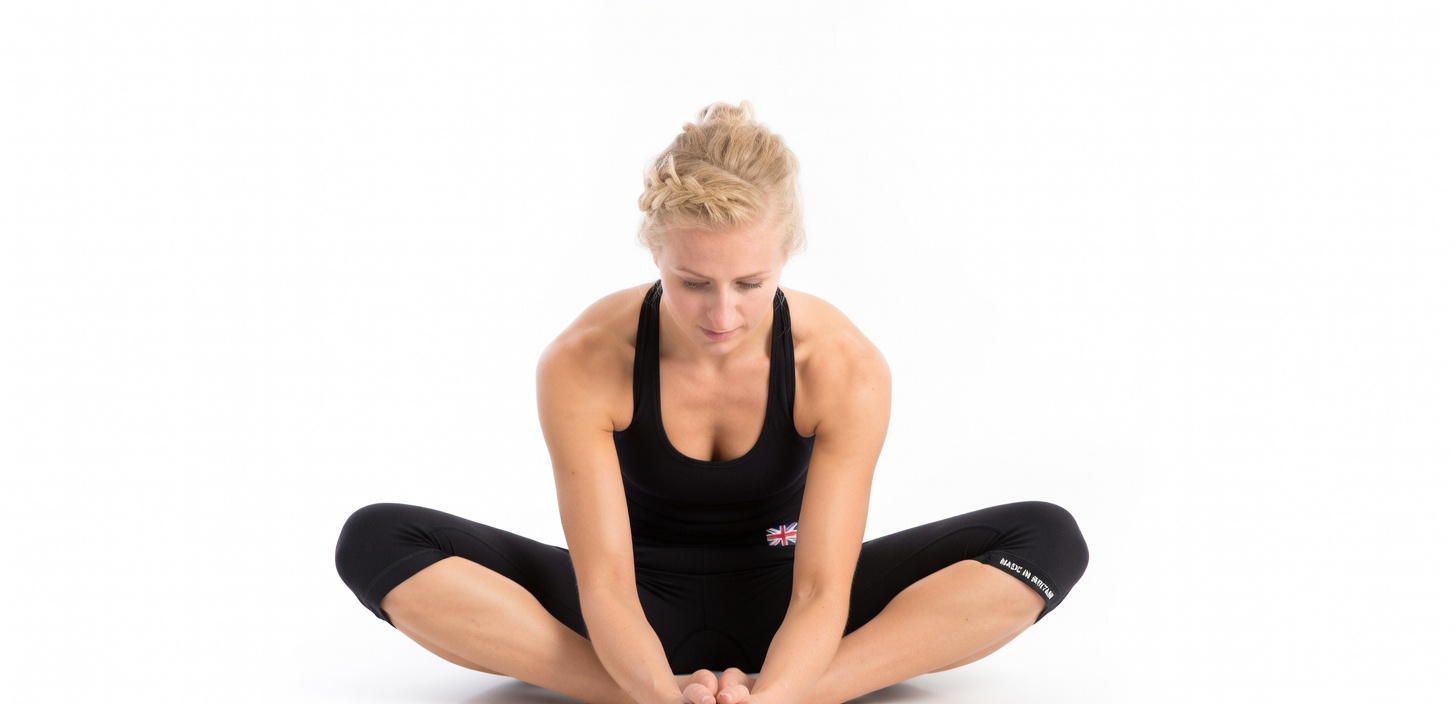
2. Butterfly Stretch
This seated floor stretch helps open the inner thighs and hip flexors.
- Sit on a yoga mat and place the soles of your feet together.
- Let your knees fall open toward the floor.
- Keep your back neutral and slowly fold forward.
- You do not need to reach the floor—pause where you feel the stretch and breathe.
- Slowly return to the starting position.
Repeat 2 more times.
3. Piriformis Stretch
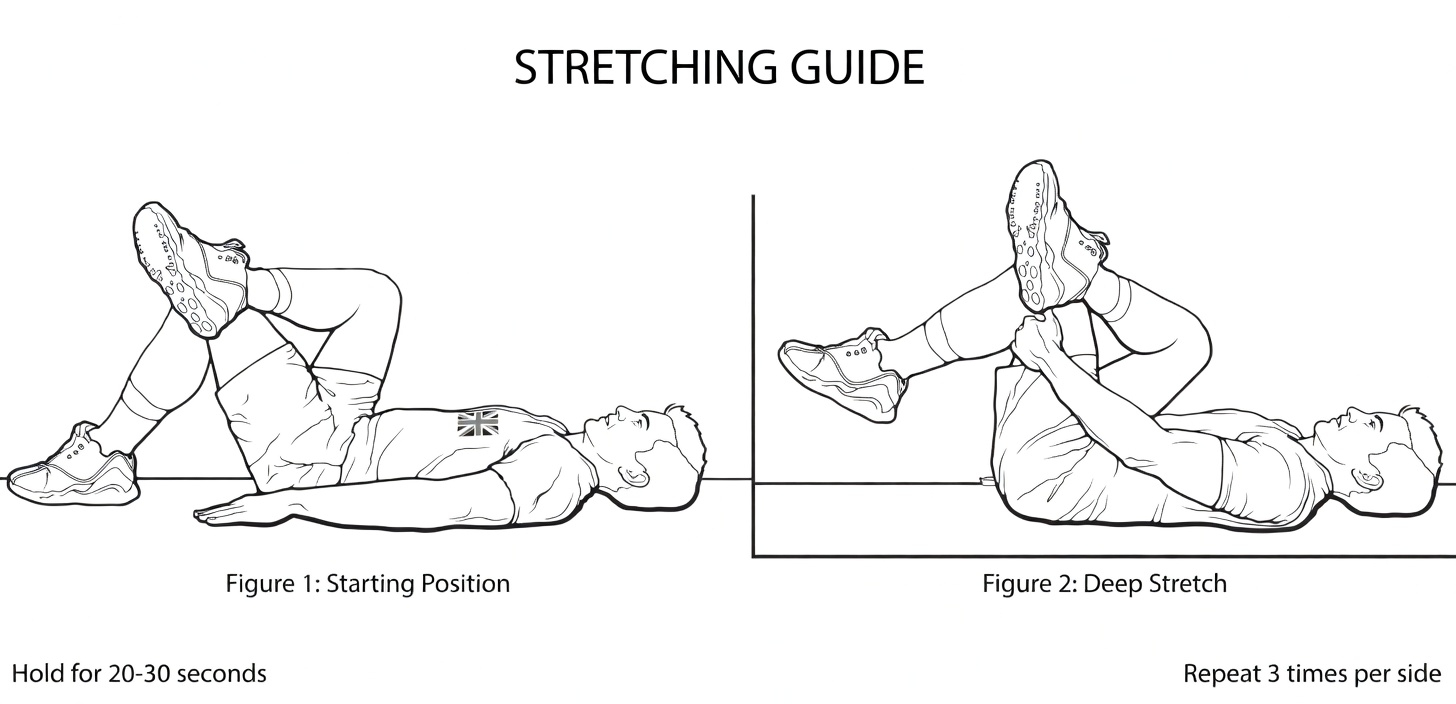
The piriformis stretch targets the hips, glutes, and piriformis muscle. It can also be helpful if you have sciatica nerve pain along with back and hip discomfort.
- Lie on your back with both knees bent.
- Cross your left ankle over your right knee to create a figure-four shape.
- Clasp your hands behind your right hamstring.
- Gently pull your right leg toward your torso.
- You should feel the stretch in the left side.
- Hold for a few deep breaths, then switch sides.
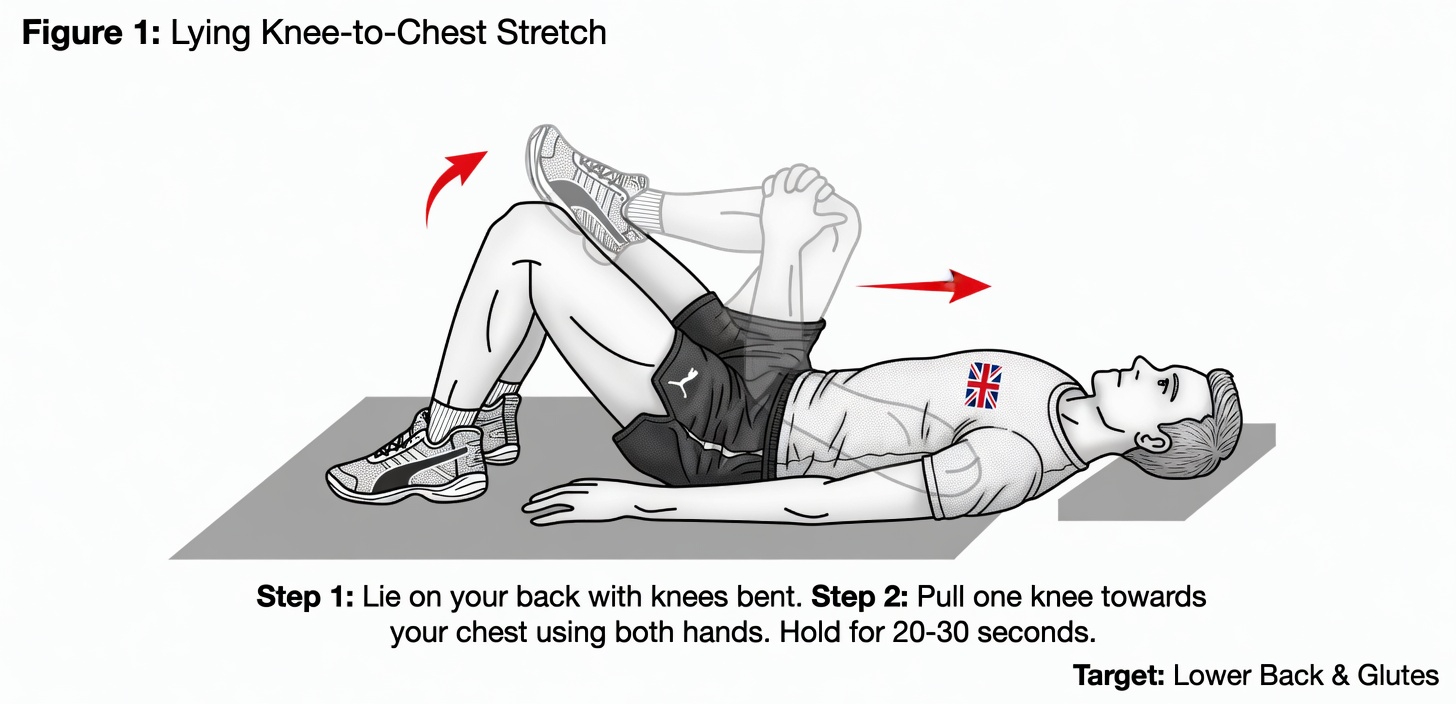
4. Knee-to-Chest Stretch
This stretch can help ease lower back pain. Tight lower back muscles are often a major cause of back pain. It also increases blood flow to the back and promotes healing.
- Lie on your back on a yoga mat with both knees bent and feet flat.
- Bring your left knee toward your chest.
- Hold behind your thigh or around your shin.
- Gently pull your knee toward your head.
- Hold for 10 seconds.
- Repeat on the right side.
Alternate sides for 2 sets of 5 repetitions, with a 1-minute rest between sets.
5. Pigeon Pose
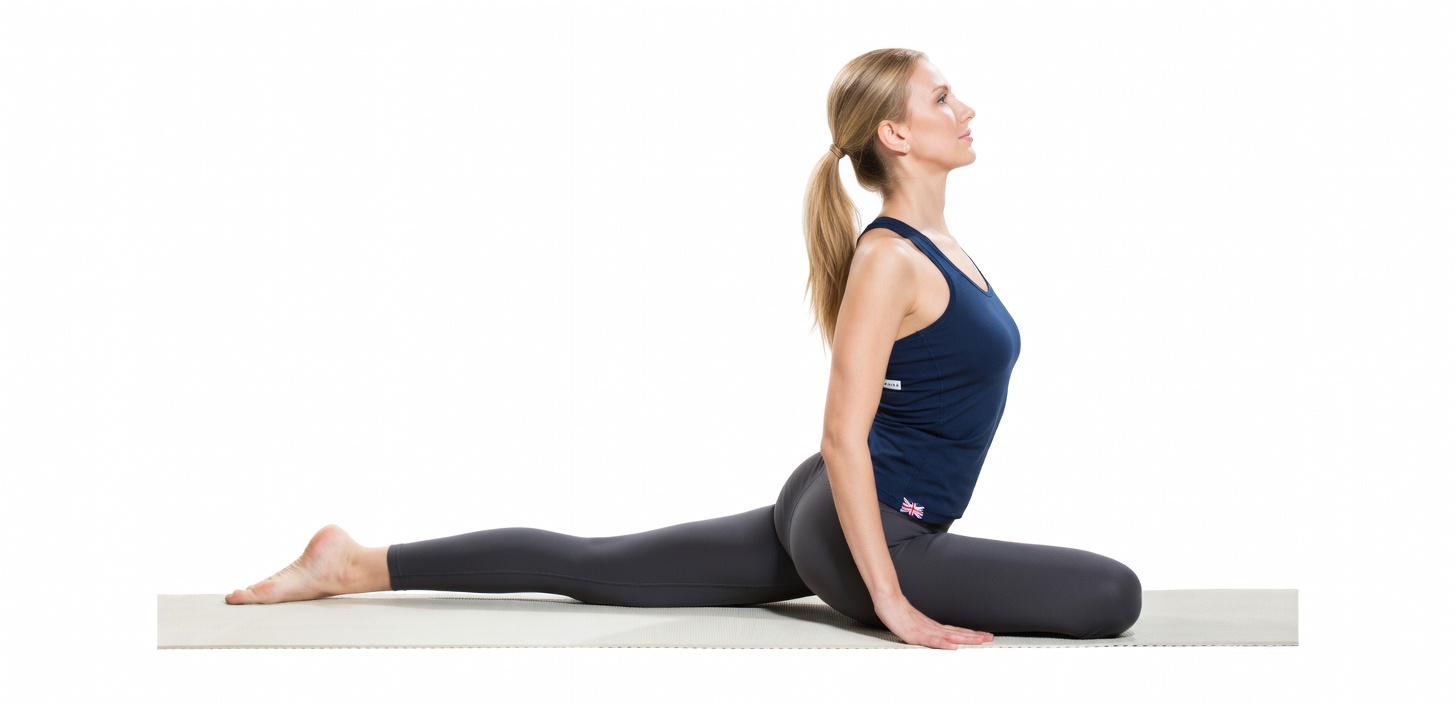
Pigeon pose is a hip flexor stretch that loosens the hip rotators and encourages flexibility in the lower body.
- Begin seated with your right knee bent in front of you and your left leg extended behind you.
- Slowly slide your left knee farther back as you move your right ankle forward.
- Your right knee should point to the right side, and your right ankle should point to the left side.
- Take a few deep breaths and walk your hands forward.
- Let your chest sink deeper into the stretch.
- Stay here for 5 to 10 slow breaths.
- Release and repeat on the other side.
6. Pelvic Tilt
This movement helps stretch the pelvis and inner hip flexor muscles.
- Lie flat on a yoga mat with your knees bent and feet flat on the mat.
- Tighten your core.
- Gently roll your pelvis to flatten the natural curve in your back.
- Hold for 5 seconds, then release.
Repeat 2 to 3 times.
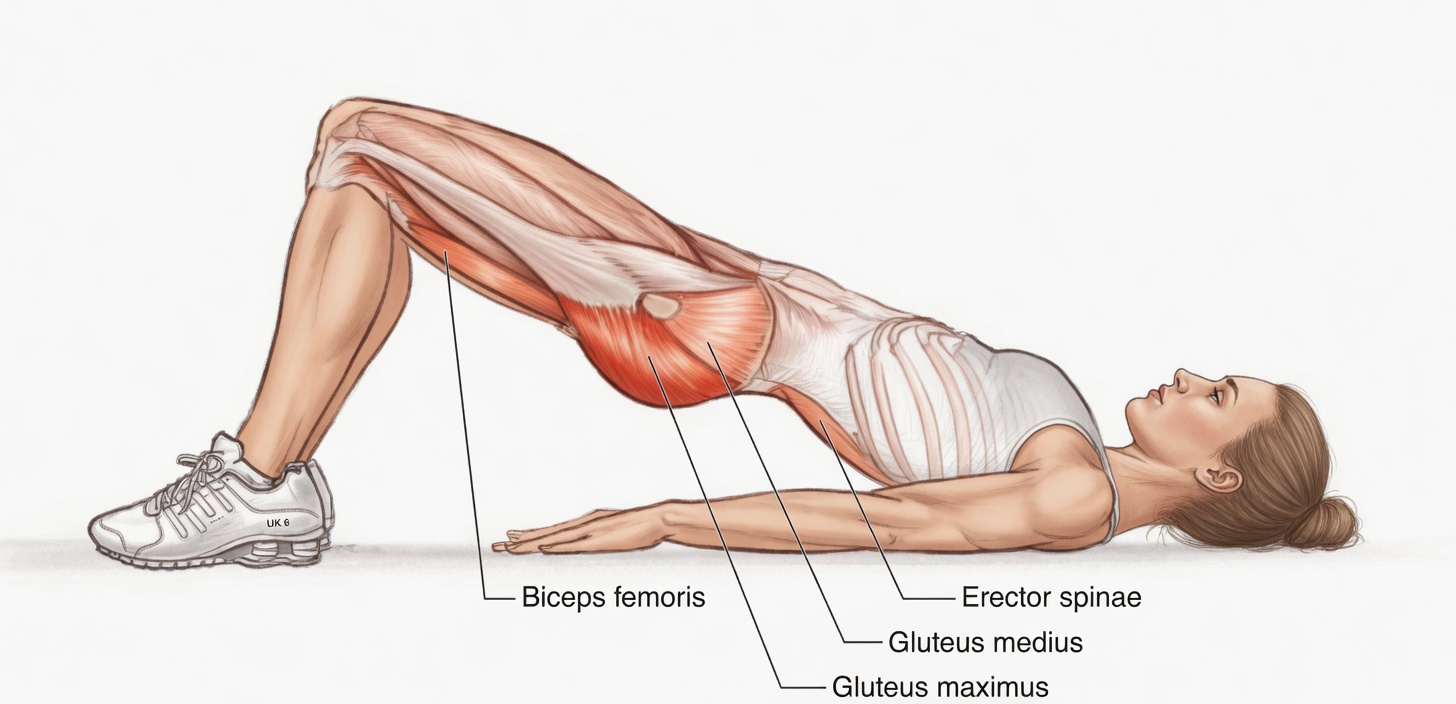
7. Hip Bridge
The hip bridge works the pelvis, hip flexors, and hamstrings. It also helps build strength in the glutes, back, and core.
- Lie on your back with your knees bent and feet flat on the floor.
- Keep your arms at your sides with palms facing down.
- Engage your core by gently drawing your belly button toward your spine.
- Lift your hips until they are in line with your shoulders and hips.
- Keep your back straight and your glutes active.
- Hold for 5 seconds, then lower down.
Repeat 5 times.
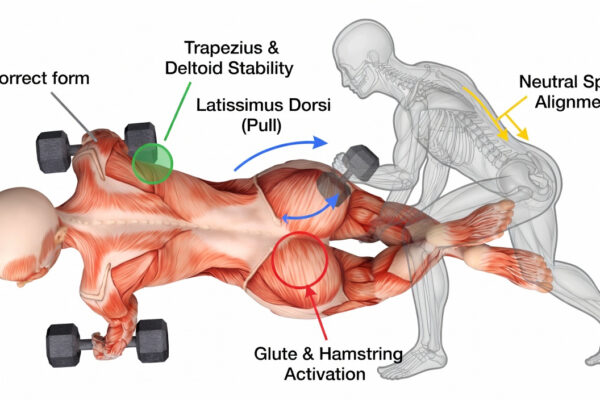
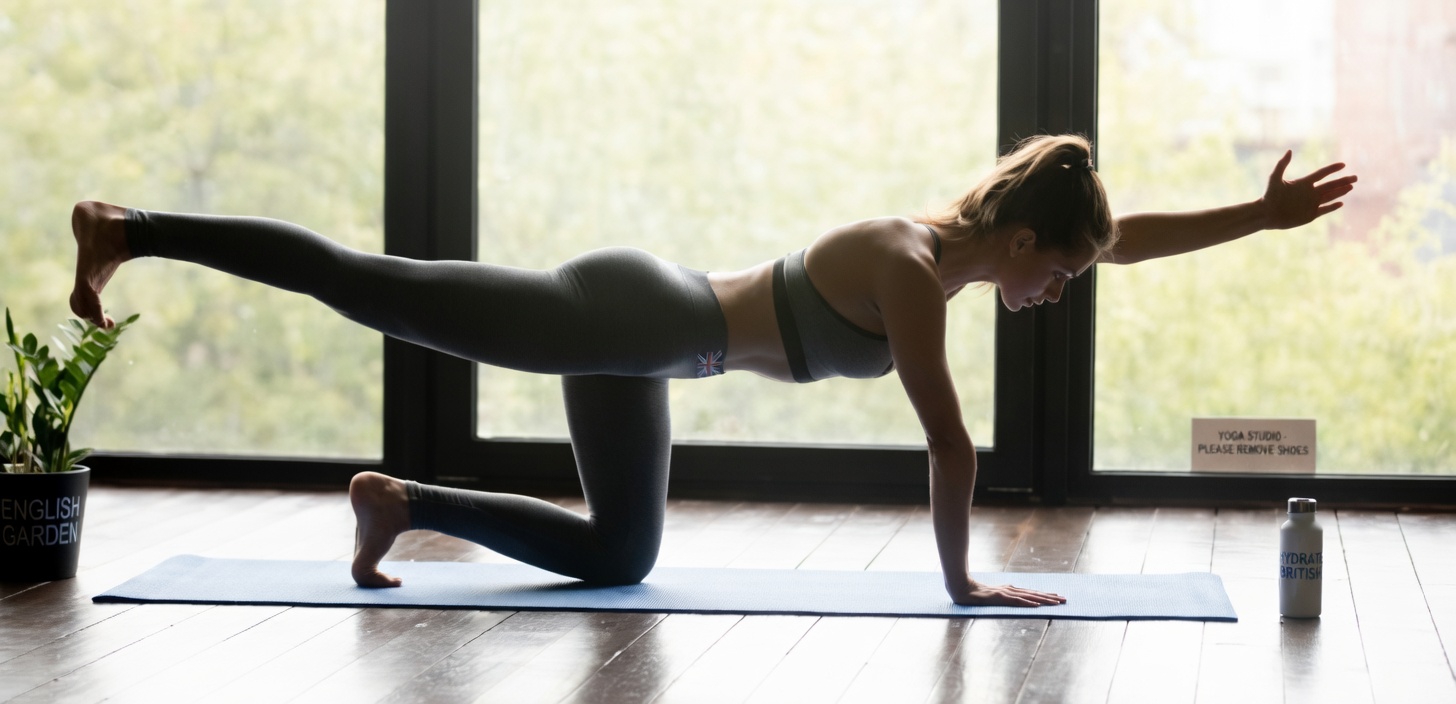
8. Bird Dog
Bird dog is a full-body exercise that engages the erector spine and helps promote better posture. It also activates the glutes, hamstrings, hips, and core.
- Start on your hands and knees.
- Place your hands shoulder-width apart and your knees hip-width apart.
- Keep your back neutral and your abs engaged.
- Lift your right arm and left leg a few inches off the floor to begin.
- Balance carefully using your core as you raise your arm and leg to shoulder height.
- Hold for a few seconds, then return to the starting position.
- Repeat on the other side.
Final Thoughts
Tight hips and hamstrings can affect posture, flexibility, and comfort in the back, hips, and knees. Long hours of sitting may be one reason this happens, especially when it contributes to anterior pelvic tilt.
A steady stretching routine can help loosen these muscles, improve movement, and support a more comfortable body position. Go slowly, breathe with each stretch, and avoid pushing into sharp pain.
Consult a healthcare professional before making changes.