Are You Unknowingly Feeding Cancer?
What follows may feel unsettling, but as a health educator I would be irresponsible not to say it clearly: every day, millions of people are eating common foods that can directly support the growth of cancer cells in their bodies.
These aren’t exotic or obviously “dangerous” items. Many are everyday staples, sold as convenient, harmless, or even “healthy.” Yet research shows that what you put on your plate can do two very different things: either support your body’s natural defenses or provide fuel that helps malignant cells grow and spread.
Based on insights shared by Dr. Veller, this article exposes five widely consumed foods and ingredients that create a fertile ground for cancer. The fourth and fifth are especially concerning—and you will likely find them in your own kitchen right now.
Do We All Have “Sleeping Cancer” in Our Bodies?
People often ask whether everyone carries a sort of “dormant cancer” that can wake up at any time. The reality is nuanced but crucial to understand.
At this moment, trillions of cells in your body are dividing and renewing. Your skin, the lining of your intestines, urinary tract, and respiratory system are constantly being rebuilt. This process is essential for life—but it is not flawless.
During cell division, errors can occur. Instead of a perfectly healthy new cell, a defective or abnormal cell may appear. If these atypical cells begin to multiply without control and find conditions that favor their survival, a tumor can develop. This is not a rare event—scientific data suggests that roughly one in three people will face some type of cancer during their lifetime.
Here is the hopeful side: your body is not defenseless.
Your immune system constantly monitors your tissues, searching for cells that look abnormal or dangerous. This process—known in medicine as immune surveillance—helps identify and destroy potentially malignant cells before they become a problem.
The truly frightening part is not that cancer can arise, but that many of us unknowingly make its job easier. Through our daily food choices, we may be creating the perfect environment for malignant cells to survive, multiply, and eventually turn into disease.
Key Points to Remember
- Your daily diet can either support your immune system in eliminating abnormal cells or encourage those cells to grow.
- Refined vegetable oils such as soy, corn, sunflower, canola, and palm oils promote chronic inflammation, especially when hidden in processed foods.
- Added sugars and refined carbohydrates cause repeated spikes in blood sugar and insulin, creating conditions that can favor tumor growth.
- Processed meats and cold cuts contain preservatives that can form cancer-causing compounds inside the body.
- Alcohol is a proven carcinogen; current evidence does not support a truly “safe” intake level.
- Poorly stored foods contaminated with mold can contain aflatoxins—extremely powerful carcinogens often present in nuts, grains, and seeds.
With these foundations in mind, let’s look at the five major offenders.
1. Refined Vegetable Oils: Invisible Inflammation Triggers
When we talk about harmful vegetable oils, the problem is not the occasional teaspoon used to lightly sauté food at home. The real danger comes from the large, hidden amounts of refined vegetable oils you consume without realizing it.
The main culprits include:
- Soybean oil
- Corn oil
- Sunflower oil
- Canola (rapeseed) oil
- Palm oil and “vegetable fat”
To bottle these oils and keep them stable on supermarket shelves for months, manufacturers subject them to intense industrial processing: high heat, chemical solvents, deodorizing, and bleaching. This creates highly processed, oxidized fats prone to generating inflammatory and potentially carcinogenic compounds, especially when heated.
When these oils are used for frying—particularly at very high temperatures or repeatedly reused in pans and fryers—they break down further, producing substances that can damage cells and tissues and may contribute to cancer risk.
The most concerning part? The oil you never see.
Refined vegetable oils are added to:
- Packaged snacks and chips
- Industrial baked goods and pastries
- Cookies and crackers
- Margarines and mayonnaise
- Frozen and ready-made meals
- Protein bars and “diet” products
- Many sauces and salad dressings
To protect yourself, read ingredient lists carefully:
- “Vegetable oil” without specifying the type is a red flag.
- If soybean, corn, sunflower, or canola oil appears among the first ingredients, it is being used in large amounts.
- If you see palm oil or “vegetable fat,” it is best to avoid that product.
Healthier alternatives:
-
For cold uses (salads, finishing dishes):
- Extra virgin olive oil
- Avocado oil
- High-oleic sunflower oil (in moderation)
-
For gentle, low-heat cooking:
- A small amount of ghee (clarified butter)
- Virgin avocado oil
- Use medium heat and avoid letting oils smoke or burn.
-
Avoid deep frying altogether. Immersing food in any oil at high temperature heavily degrades the fat and forms harmful compounds. If you like crispy textures, an air fryer is a better option—keep temperatures below about 180°C (350°F) and avoid burning the food to reduce the formation of acrylamides.
2. Sugar and Refined Carbohydrates: Constant Fuel for Cancer
Among all cancer-promoting ingredients, added sugar and refined carbohydrates may be the most widespread.
The problem is not only the sugar you deliberately add to coffee or desserts. Far more concerning is the hidden sugar that appears in packaged foods under a long list of names, including:
- Corn syrup or high-fructose corn syrup
- Glucose
- Fructose
- Dextrose
- Maltose
- “Evaporated cane juice”
- Concentrated or filtered fruit juices
Regardless of the name, the effect on your body is similar: repeated spikes in blood glucose and insulin, increased inflammation, and a metabolic environment that may favor the initiation and growth of tumors.
Foods that deserve special caution include:
- Soft drinks and energy drinks
- Industrial fruit juices and many “natural” juices
- Flavored or sweetened yogurts
- Highly processed breakfast cereals
- Cookies, pastries, candy, and desserts
- Many sauces (ketchup, barbecue sauce) and salad dressings
- “Fitness” or “protein” bars that are actually high in sugar
A useful rule is to always flip the package and read the label:
- If sugar (or one of its aliases) appears among the first three ingredients, the product is primarily designed to be sweet and hyper-palatable—not nourishing.
Better strategies:
- Gradually reduce the overall sweetness in your diet to retrain your taste buds.
- Choose whole fruits instead of juices; the fiber slows sugar absorption.
- Flavor foods with cinnamon, unsweetened cocoa, vanilla, or fresh ginger instead of sugar.
- If you need a sweetener, use pure stevia or monk fruit sparingly and not in every beverage or dish.
- Base your meals on whole, fiber-rich foods that stabilize blood sugar:
- Legumes (beans, lentils, chickpeas)
- Brown or wild rice
- Whole oats
- Quinoa
- Whole-grain flours instead of white flours
By lowering sugar and refined carbohydrate intake, you make your internal environment less favorable to cancer cells and more supportive of metabolic health overall.
3. Processed Meats and Cold Cuts: Everyday Carcinogens
The next group may surprise you because it is part of many family meals and social gatherings: processed meats.
This category includes:
- Sausages and hot dogs
- Ham and bacon
- Salami, chorizo, pepperoni
- Deli meats and cold cuts
- Industrially produced burgers and meat products
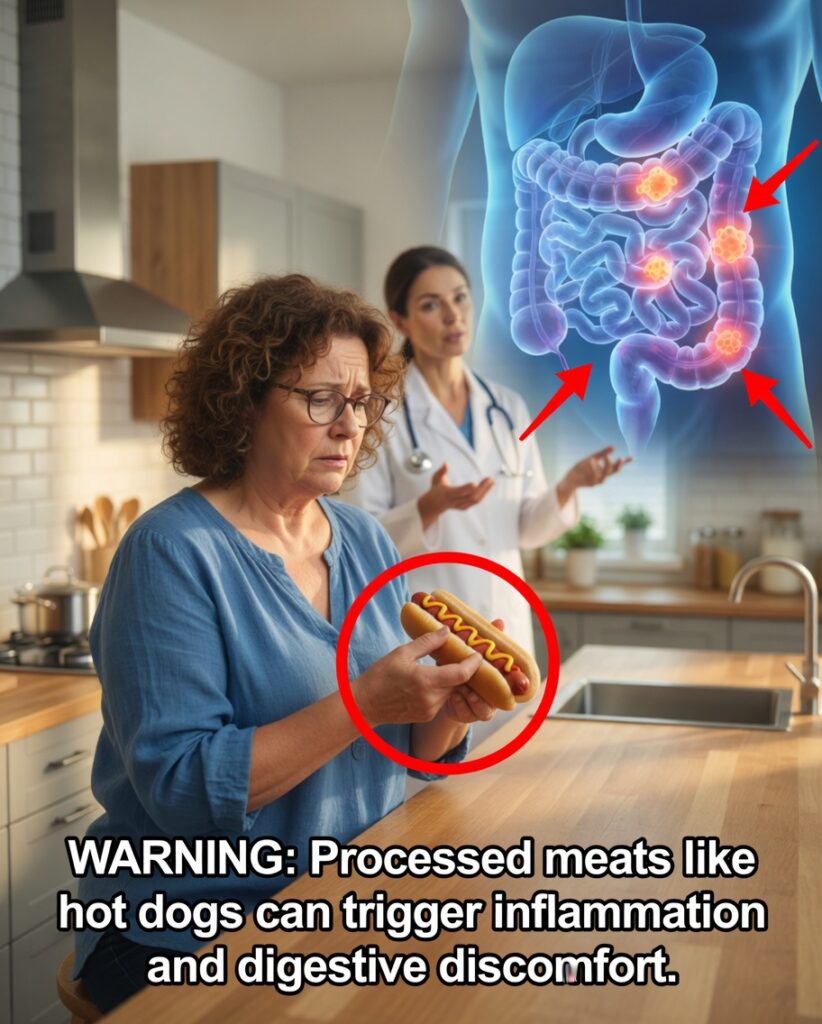
The link between processed meats and cancer—especially colorectal cancer—is so strong that the World Health Organization’s International Agency for Research on Cancer (IARC) classifies them as Group 1 carcinogens, the same category used for tobacco in terms of strength of evidence (not identical level of risk per unit, but equally solid data).
Why are they problematic?
- These meats frequently contain nitrites and nitrates, added to prolong shelf life, maintain an appealing pink color, and intensify flavor.
- Inside your body, these compounds can transform into nitrosamines, substances capable of damaging cells and their DNA, which may trigger or promote cancer development.
- High-temperature cooking methods (such as grilling, frying, or barbecuing) can further produce carcinogenic compounds like heterocyclic amines and polycyclic aromatic hydrocarbons.
What to do instead:
- Reserve processed meats for rare occasions, if at all.
- Base your protein intake on:
- Fresh, unprocessed meats and poultry
- Fish and seafood
- Eggs
- Legumes and other plant-based proteins (tofu, tempeh, lentils, beans)
- When cooking meat, avoid burning or heavily charring it; use moderate heat and gentler cooking methods where possible.
4. Alcohol: A Carcinogen with No Truly “Safe” Dose
Alcohol is socially accepted, widely consumed, and often associated with relaxation or celebration. Yet from a cancer perspective, alcohol is a direct carcinogen.
Once ingested, alcohol (ethanol) is metabolized into acetaldehyde, a toxic compound that can:
- Damage DNA
- Interfere with DNA repair mechanisms
- Promote oxidative stress and inflammation
These effects help explain why alcohol consumption is associated with an increased risk of several cancers, including:
- Mouth and throat cancer
- Esophageal cancer
- Breast cancer
- Liver cancer
- Colorectal cancer
Current evidence suggests there is no completely risk-free amount of alcohol. While some guidelines speak of “low-risk” consumption, this does not mean “safe”—only that the risk is lower compared to heavier drinking.
If you choose to drink:
- Reduce both the amount and frequency as much as possible.
- Avoid daily drinking; keep it occasional.
- Do not use alcohol as a stress-relief tool—look for alternatives like exercise, meditation, or social connection without drinking.
From a cancer-prevention standpoint, the closer you are to zero alcohol, the better.
5. Aflatoxins: Hidden Mold Toxins in Common Pantry Foods
The fifth threat is not a specific food, but a toxin that can contaminate certain foods when they are poorly stored. These are aflatoxins, substances produced by certain types of mold (Aspergillus species).
Aflatoxins are among the most potent natural carcinogens known, strongly linked to liver cancer and potentially harmful even at low, chronic exposure levels.
Foods most at risk of aflatoxin contamination include:
- Peanuts and peanut products
- Tree nuts (such as pistachios, almonds, walnuts)
- Corn and corn-based products
- Grains and cereals
- Seeds (e.g., sunflower seeds)
- Spices stored for long periods in humid conditions
Risk increases when foods are:
- Stored in warm, humid environments
- Kept for long periods in poorly sealed containers
- Visibly moldy or have an off smell or taste
How to reduce your exposure:
- Buy nuts, grains, and seeds from reputable sources with good turnover.
- Store them in airtight containers, in a cool, dry place—refrigeration or freezing is ideal for nuts.
- Avoid eating foods that look moldy, discolored, or have an unusual taste.
- Do not consume peanut products or nut mixes that taste bitter or “off,” even if they look normal.
- Regularly rotate pantry items to avoid keeping them for many months in warm conditions.
By paying attention to storage conditions, you can drastically lower your exposure to these dangerous toxins.
Final Thoughts: Use Food as an Ally, Not an Enemy
Your body constantly works to repair damage, eliminate abnormal cells, and maintain balance. Your diet can either support that work—or make it much harder.
To reduce your cancer risk and promote overall health:
- Minimize refined vegetable oils, especially in ultra-processed foods.
- Reduce added sugars and refined carbohydrates to avoid constant glucose and insulin surges.
- Limit or avoid processed meats and cold cuts, choosing fresh and minimally processed proteins instead.
- Cut down alcohol as much as possible; no amount is completely without risk.
- Protect your pantry from mold and aflatoxins by buying and storing nuts, grains, and seeds wisely.
You cannot control every risk factor in life. But you have significant influence over what you eat, day after day. Using that power intentionally can help shift your internal environment away from one that feeds cancer and toward one that supports resilience and long-term health.