Dark Spots on Your Skin Are a Warning From Within
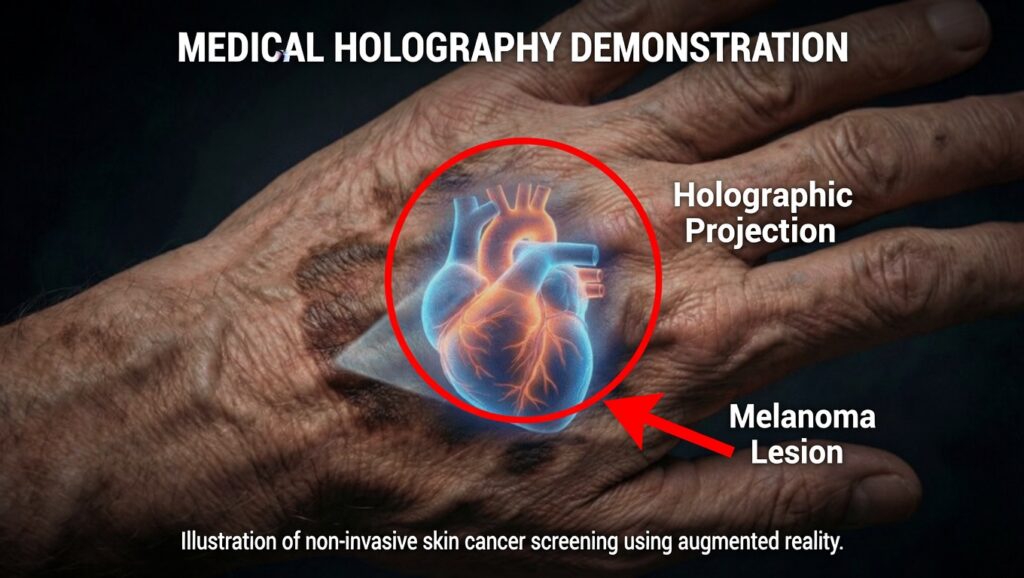
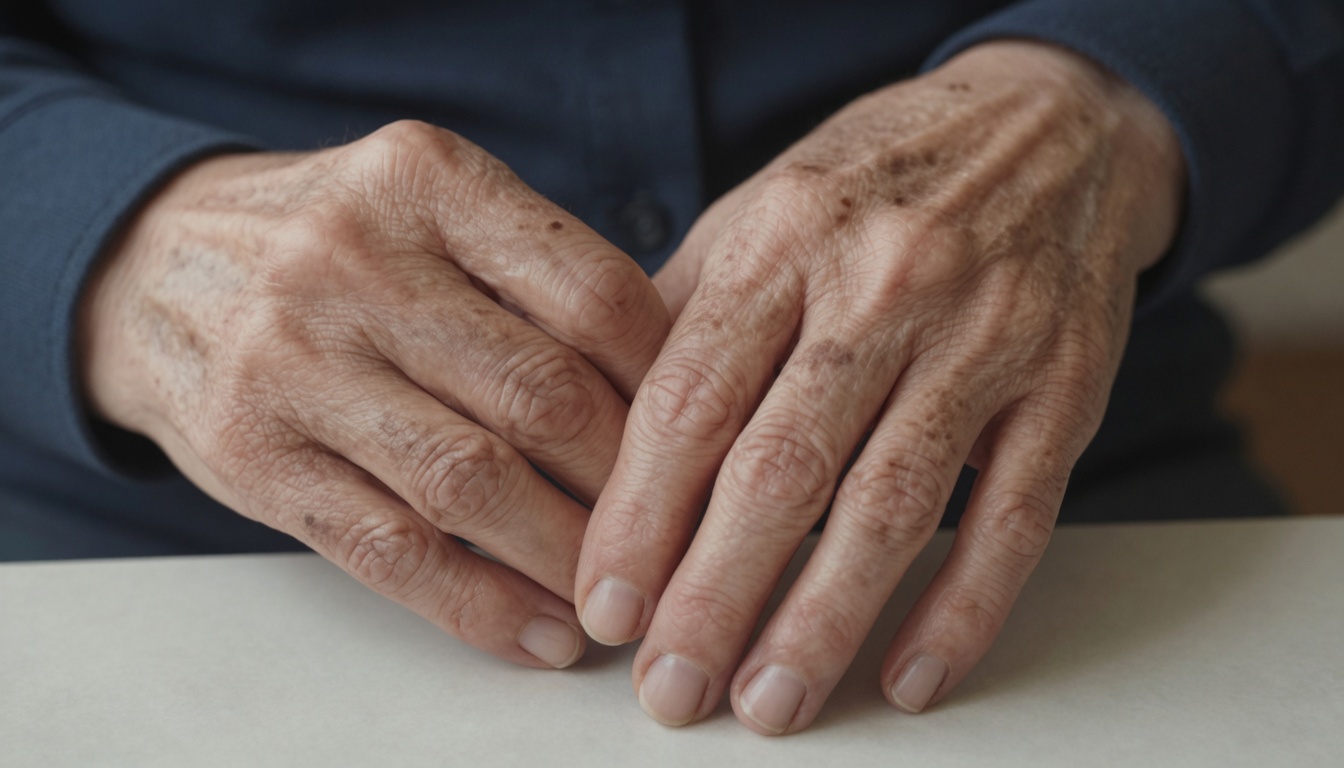
If you’ve started to see dark patches on your hands, face, or arms, don’t brush them off as “just cosmetic” or “just getting older.” Those marks are often an external clue that similar damage could be occurring deep inside your body—affecting your brain, heart, blood vessels, and lungs. When these spots show up on the surface, there’s a strong chance the same process is playing out internally.
Despite the name “age spots,” they are not an inevitable part of aging. They’re a signal—your body’s way of alerting you that something is going wrong at a cellular level.
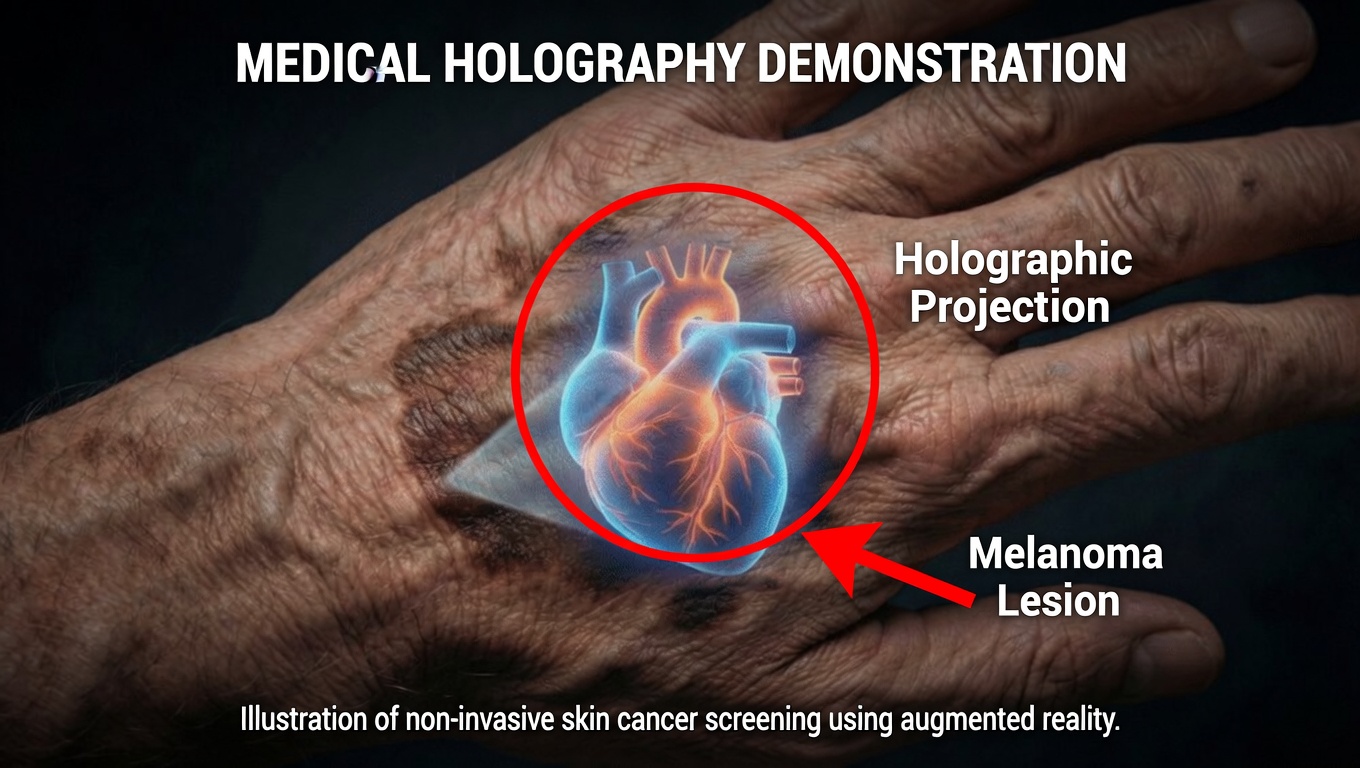
Drawing on insights popularized by Dr. Steven Gundry, this guide explains what those dark spots really mean, how they tie into internal aging, and practical steps you can take to reduce them naturally while supporting your long-term health.
Key Takeaways
- Dark spots (age spots) are more than a cosmetic issue. They are an outward sign of internal tissue damage and stiffening, a process known as fibrosis.
- The main driver is glycation, a chemical reaction where sugar attaches to proteins and forms harmful compounds called Advanced Glycation End-products (AGEs).
- High-heat cooking and diets high in both sugar and protein (even from “healthy” sources) dramatically increase AGE formation.
- Reducing animal protein—especially overcooked and charred sources—and emphasizing plant proteins can lower IGF-1, a growth factor closely linked to faster aging.
- You can help fade and prevent dark spots by changing your diet, choosing gentler cooking methods, and improving your gut health.
1. The Hidden Cause: Glycation and Fibrosis
Most people blame the sun for age spots. While UV exposure can worsen them, it’s usually not the primary cause. The deeper story begins with fibrosis—a process where tissues throughout your body gradually become stiff and scarred.
Fibrosis can affect:
- The heart: When the heart muscle stiffens, it doesn’t relax properly between beats. This condition, called diastolic dysfunction, becomes increasingly common with age and can lead to serious cardiovascular problems.
- The lungs: Fibrosis in lung tissue (pulmonary fibrosis) makes it harder to take full, deep breaths and can progress silently before noticeable symptoms appear.
- The skin: The same stiffening process that affects internal organs also impacts the skin, showing up as dark spots, rough texture, and loss of elasticity.
The major driver behind this stiffening is glycation—a chemical reaction where sugar molecules circulating in your bloodstream stick to proteins. Over time, this reaction forms sticky, damaging compounds called Advanced Glycation End-products (AGEs).
AGEs:
- Break down collagen and elastin
- Make tissues rigid and less flexible
- Speed up visible signs of aging like wrinkles, sagging, and dark spots
- Are found in scarred heart tissue and damaged lungs as well as aged skin
So when you see dark spots on your skin, you’re often looking at a visible marker of the same glycation and fibrosis taking place inside your body.
2. How Your “Healthy” Diet May Be Speeding Up Aging
People usually think sugar alone is the problem. But glycation needs both sugar and protein. That means even meals you consider healthy can quietly fuel AGE formation.
Examples include:
- Grilled chicken glazed with a sweet marinade
- Protein bars or shakes loaded with sweeteners or sugar alcohols
- High-protein snacks paired with refined carbs
The danger escalates when high-heat cooking enters the picture. Methods like grilling, frying, broiling, toasting, and roasting generate large amounts of AGEs in the food itself.
Some of the worst offenders are:
- Charred or heavily browned meat: That tasty crust on steak, burgers, or chicken is packed with AGEs.
- Toast and grilled sandwiches: Browning bread produces AGEs, especially when combined with cheese or processed meats.
- Barbecue and sweet sauces: Sugary sauces on high-heat grilled meat are a double hit—sugar plus char.
- Processed high-protein products and excess protein powder: These can flood your system with quickly absorbed protein.
In traditional diets, protein came wrapped in whole foods, requiring your body to work to digest it. Today, pre-digested protein powders and bars hit the bloodstream rapidly. This can overwhelm your mitochondria—your cells’ energy powerhouses.
When mitochondria can’t keep up:
- Excess protein is stored as fat
- Inflammation rises
- AGE formation and oxidative stress increase
All of this accelerates both internal aging and the outward signs you see on your skin.
3. Cut Back on Animal Protein and Favor Plant-Based Sources
The type of protein you eat matters for how fast you age.
In clinical practice and longevity research, people who rely more on plant-based proteins (such as lentils, beans, nuts, seeds, and hemp) tend to have lower levels of Insulin-like Growth Factor 1 (IGF-1).
Why IGF-1 matters:
- Low IGF-1 is consistently associated with longer, healthier lifespans in “super-agers” who live into their 90s and beyond.
- High IGF-1 is linked to accelerated aging, increased risk of certain cancers, tissue overgrowth, and more age spots.
Plant proteins:
- Have a different amino acid profile that does not spike IGF-1 as strongly as animal proteins
- Are less likely to drive glycation and fibrosis, especially when cooked gently (steaming, simmering, or low-heat methods)
- Come packaged with fiber and phytonutrients that support gut health and reduce inflammation
You don’t necessarily have to go fully vegetarian or vegan. However, if you’re concerned about dark spots and the internal aging they signal, it’s wise to:
- Reduce portions of animal protein, especially red meat and charred or overcooked meats
- Use low-heat cooking methods when you do eat fish, poultry, or meat
- Increase plant-based proteins like lentils, chickpeas, black beans, tofu (if tolerated), nuts, and seeds
This shift can lower IGF-1, reduce AGE formation, and support healthier skin from within.
4. Eat Polyphenol-Rich Foods Every Day
Polyphenols are powerful plant compounds with strong antioxidant and anti-inflammatory properties. They help neutralize free radicals and counteract the damage caused by both glycation and oxidative stress.
Regularly eating polyphenol-rich foods is one of the most effective, enjoyable ways to support youthful skin and overall health.
Great sources of polyphenols include:
- Colorful berries: blueberries, blackberries, raspberries, strawberries
- Pomegranate: especially when in season, fresh seeds or pure juice in moderation
- Extra virgin olive oil: use it as your main cooking fat at low to medium heat and for salad dressings
- Dark leafy greens and deeply colored vegetables: such as kale, spinach, red cabbage, and purple carrots
- Herbs and spices: oregano, rosemary, turmeric, ginger
- High-quality extra dark chocolate: look for 70% cacao or higher and enjoy in small amounts
By making these foods a daily habit, you equip your body with the nutrients it needs to:
- Defend against AGE-related damage
- Support collagen and elastin
- Protect your heart, brain, and blood vessels
- Help your skin look clearer, brighter, and more resilient
5. Heal Your Gut and Protect Your Skin
Healthy, vibrant skin starts in the gut. Your gut microbiome helps regulate inflammation, nutrient absorption, and immune function—all of which influence how your skin ages.
To support your gut:
- Feed beneficial bacteria with prebiotics, such as:
- Chicory root
- Asparagus
- Onions, leeks, and garlic
- Jerusalem artichokes
- Add fermented foods (if tolerated):
- Kimchi
- Sauerkraut
- Kefir or unsweetened yogurt
- Other traditionally fermented vegetables
At the same time, try to avoid or limit:
- Highly processed grains and refined flours
- Foods with added nitrates and nitrites (commonly found in processed meats)
- Ultra-processed snacks and ready-made meals that disrupt gut balance and drive inflammation
Smart Protection From the Outside
While diet and gut health do the heavy lifting, smart topical protection also matters:
- Use a clean, mineral-based sunscreen (zinc oxide or titanium dioxide) daily to protect against UV rays that can worsen dark spots and damage collagen.
- Consider time-released Vitamin C supplements taken twice a day (if appropriate for you), as Vitamin C supports collagen production and provides antioxidant protection for the skin.
By addressing the root causes—glycation, fibrosis, excess AGEs, high IGF-1, and poor gut health—you can do far more than fade dark spots. You’re also taking meaningful steps to support your heart, lungs, brain, and overall longevity from the inside out.