Waking Up With a Super Dry Mouth Is Not “Normal”
If you open your eyes in the morning and your tongue feels glued to the roof of your mouth, your body is trying to tell you something important. It’s easy to brush it off with, “I’ll just drink some water and that’s it.” But chronic morning dry mouth is more than simple thirst.
That parched, sticky feeling you notice day after day is a sign of an imbalance in your body. In a moment, you’ll learn a simple way to use warm water and a small pinch of salt that can begin to ease that dryness from the very first morning.
Stay through to the end, because there’s also a very common nighttime habit—most people don’t even know they do it—that is one of the main reasons your mouth feels like a desert when you wake up. This goes beyond just “not drinking enough water”; it’s about understanding how your body hydrates and what it truly needs to wake up balanced and refreshed.
(Based on the insights of Oswaldo Restrepo RSC)
Key Takeaways
- Morning dry mouth is a warning sign: It often reflects mineral imbalance and nighttime mouth breathing, not just lack of water.
- A simple morning drink can help: One glass of warm water with a pinch of unrefined sea salt can support deep, cellular hydration much better than plain water alone.
- Avoid three common errors: Ice-cold water on an empty stomach, using regular table salt, and ignoring the root causes can all sabotage your results.
- Mouth breathing is a major hidden cause: Breathing through your mouth while you sleep can severely dry out your mouth, even if you drank plenty of water the day before.
1. The Morning Hydration Ritual That Changes Everything
Before reaching for coffee, checking your phone, or starting your routine, do this one simple ritual.
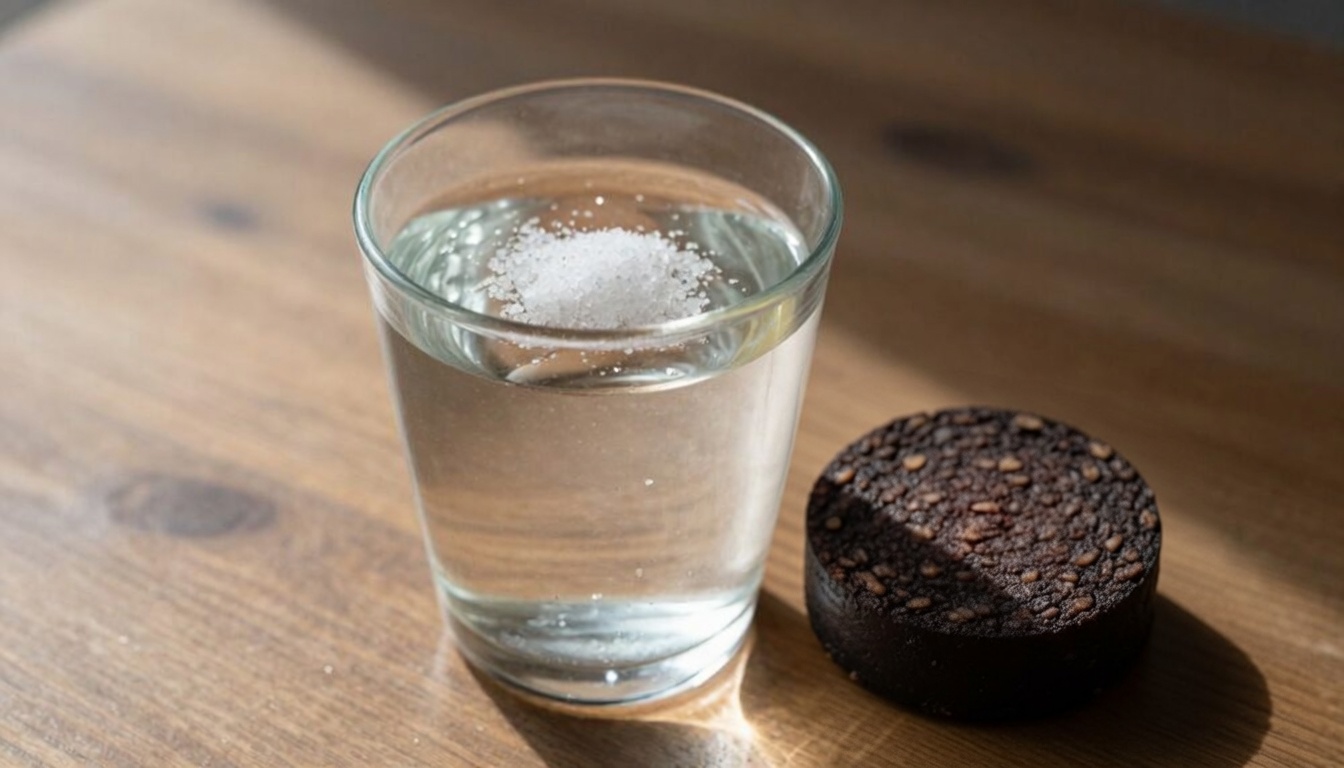
- Fill a glass with warm water—not hot, not cold, but pleasantly warm, like a comfortable bath.
- Add a small pinch of sea salt (just what you can pick up between your thumb and index finger).
- Stir well until the salt dissolves.
- Drink the entire glass within the first 5 minutes after waking.
- Optionally, squeeze in the juice of half a lemon for taste and extra benefits.
That’s all: one glass, one pinch, first thing in the morning.
Why this simple drink works
This isn’t magic—it’s physiology.
While you sleep, your body loses water through breathing and mild sweating. But you’re not only losing water; you’re also losing electrolytes—essential minerals such as sodium, potassium, and magnesium.
Plain water alone doesn’t always rehydrate you effectively. Without enough minerals, your cells can’t properly pull water inside and hold onto it. Think of electrolytes as the “keys” that open the door so water can move into your cells where it’s truly needed.
- Sea salt (and other unrefined salts) naturally contain a variety of minerals, not just sodium.
- These minerals support fluid balance and help your body absorb and retain the water you drink.
- With only plain water, much of it can pass through you quickly without deeply hydrating your tissues.
By combining warm water with a tiny amount of mineral-rich salt, you’re giving your body what it needs to restore fluid and mineral balance after a night’s sleep—right when you need it most.
2. Three Common Mistakes That Keep Your Mouth Dry
Many people try to fix morning dry mouth and fail because of a few frequent mistakes. Understanding these can make all the difference.
Mistake #1: Drinking Ice-Cold Water First Thing in the Morning
Starting your day with very cold water can create a mild stress response in your body:
- Your stomach muscles tighten.
- Blood vessels constrict.
- Your digestive system becomes less receptive.
This defensive reaction can interfere with how well your body absorbs the fluid. Instead of soothing your system, you’re giving it a shock.
Warm water, on the other hand:
- Relaxes the stomach.
- Encourages better circulation.
- Supports smoother, more efficient absorption of water and minerals.
Just changing the temperature of your morning water can significantly improve how hydrated you feel.
Mistake #2: Using Regular Table Salt
This detail is crucial.
- Table salt is heavily processed and mostly just sodium chloride, sometimes with added iodine.
- Sea salt and other unrefined salts (like Himalayan pink salt) contain sodium plus many trace minerals, including potassium, magnesium, and calcium.
These minerals work together to:
- Balance fluids inside and outside your cells.
- Support nerve and muscle function.
- Help regulate hydration and saliva production.
If you swap sea salt for standard table salt, you lose the broad spectrum of electrolytes that make this ritual so effective. The unrefined salt is a key part of the remedy—not just any salt will do.
Mistake #3: Assuming You Just Didn’t Drink Enough Yesterday
Yes, drinking enough fluids during the day is important. But if you wake up every morning with a dry mouth, the problem usually isn’t just daytime water intake.
You could drink large amounts of water all day and still:
- Wake up with a sticky, cotton-like feeling in your mouth.
- Have bad taste or bad breath in the morning.
- Feel like you’ve been breathing in desert air all night.
That’s because something often happens while you sleep that daytime hydration alone can’t fix. To solve the problem, you have to address what’s going on during the night.
3. The Two Main Reasons You Wake Up With a Dry Mouth
Your body naturally slows several processes during sleep—including saliva production. A slight decrease is normal. But in some people, saliva drops too much, and the mouth dries out.
Two main factors typically drive this:
Reason #1: Mineral Deficiency and Electrolyte Imbalance
Saliva is not just water; it’s a sophisticated mixture of:
- Water
- Electrolytes (sodium, potassium, calcium, magnesium)
- Enzymes and other components
When you lack enough key minerals, your body struggles to maintain proper saliva flow. It’s like turning on a tap when there’s barely any water in the tank—there’s a signal, but not much comes out.
The warm salt-water ritual you do first thing in the morning:
- Replenishes important minerals after a night of loss.
- Supports the mechanisms that produce saliva.
- Helps your body hydrate as a whole, not just quench surface-level thirst.
Over time, better mineral balance can reduce that extreme dryness you feel upon waking.
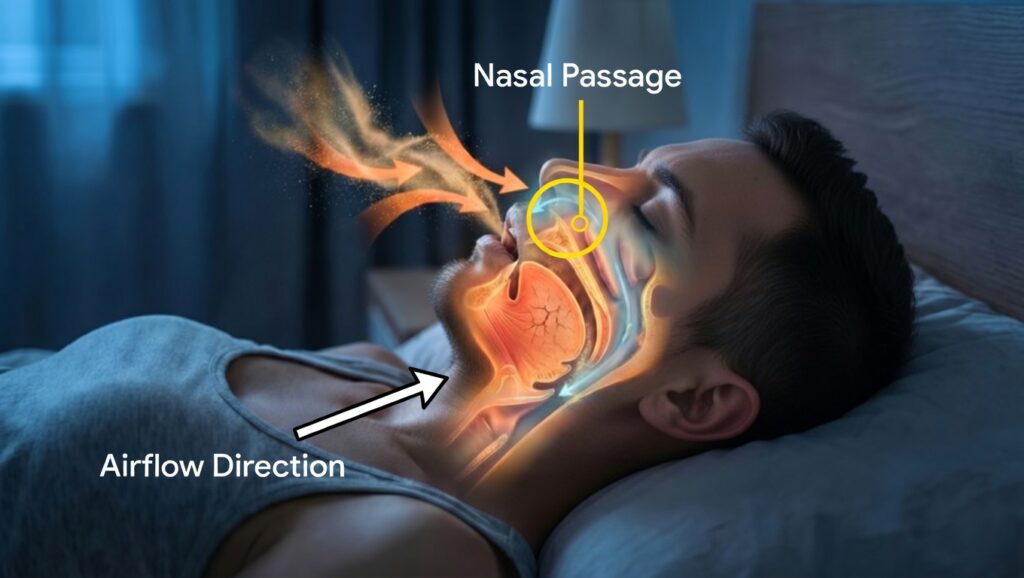
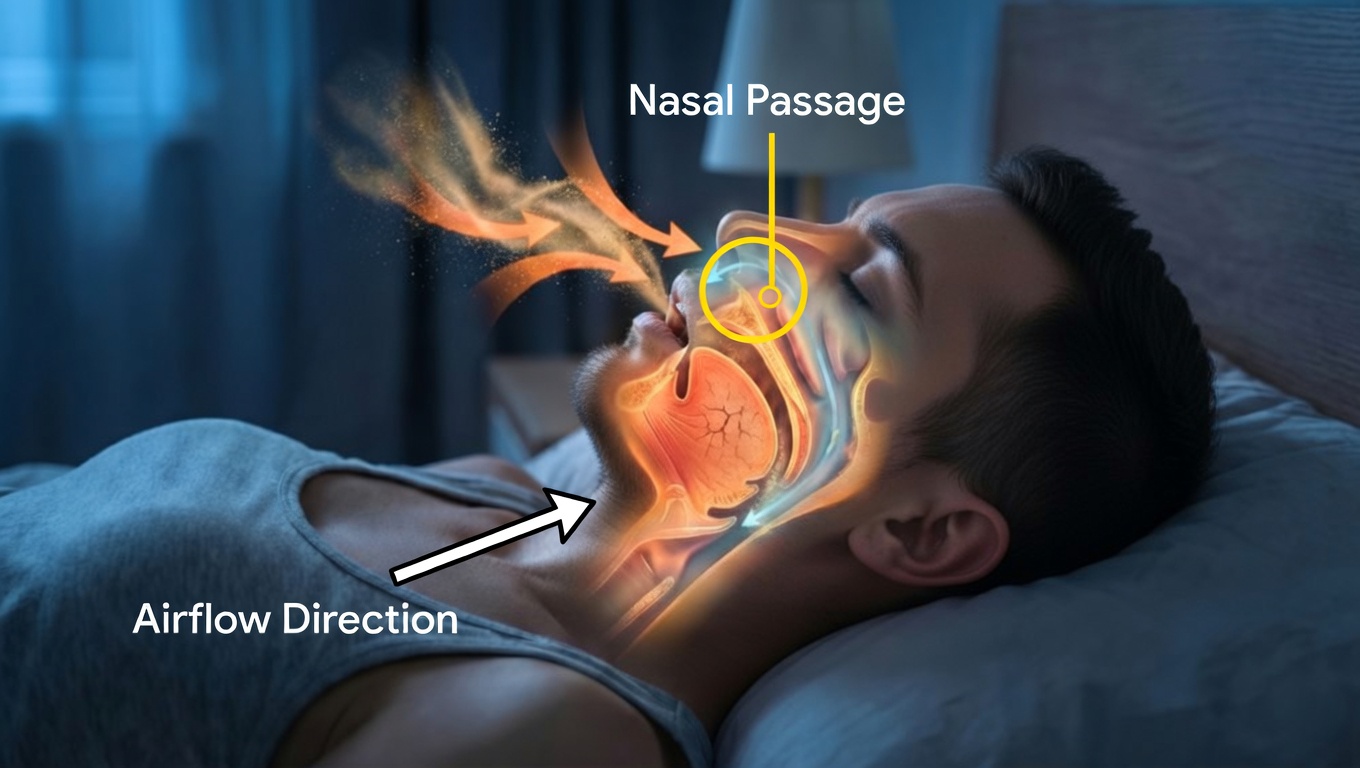
Reason #2: The Hidden Culprit – Mouth Breathing at Night
This is the cause most people never consider.
Many individuals sleep with their mouth slightly open without realizing it. When that happens:
- Air continuously passes over your tongue, gums, and palate for hours.
- Moisture evaporates from your mouth all night long.
- Your oral tissues become dry, irritated, and uncomfortable by morning.
Even if you’re well hydrated, mouth breathing can:
- Leave your mouth painfully dry when you wake up.
- Increase your risk of bad breath.
- Contribute to dental and gum issues over time.
The salt-water drink helps rehydrate the tissues in the morning, but for a long-lasting solution, it’s important to identify and address mouth breathing—sometimes with help from a dentist, ENT specialist, or sleep expert, especially if snoring or sleep apnea is involved.
4. A 10-Day Plan to Reduce Morning Dry Mouth
Use this simple 10-day protocol to test how much your morning dry mouth can improve.
Days 1–3: Start With the Morning Ritual
Every morning:
- Before coffee, food, or checking your phone:
- Drink one full glass of warm water with a pinch of sea salt.
- Optionally, add the juice of half a lemon.
- Finish the whole glass—don’t leave it half-drunk.
Focus on consistency during these first three days. This is the foundation.
Days 4–5: Add a Nighttime Step
If you notice even a slight improvement—less dryness, better taste in your mouth—add the next step:
- Right before bed:
- Drink half a glass of warm water (this time without salt).
This supports gentle hydration before sleep without overloading your system.
Days 6–10: Combine Morning and Night
Continue both steps:
- Morning:
- 1 glass warm water + pinch of sea salt (lemon optional).
- Night:
- ½ glass warm plain water before going to sleep.
During these days, pay attention to:
- Is your mouth less dry when you wake up?
- Does the taste in your mouth improve?
- Do you feel more refreshed or less “dehydrated” in the morning?
If you follow this consistently, many people notice a clear difference within this 10-day window.
5. When Dry Mouth Is a Warning Sign: See a Doctor
While morning dry mouth often improves with better hydration, minerals, and addressing mouth breathing, it’s important to recognize when it might signal something more serious.
You should talk to a healthcare professional if:
- Your mouth feels dry all day long, not just in the morning.
- The dryness does not improve after 2–3 weeks of following this protocol.
- You have:
- Difficulty swallowing or chewing dry foods.
- Burning sensations in your mouth or tongue.
- Frequent cavities, gum problems, or bad breath despite good oral hygiene.
- Other symptoms such as fatigue, joint pain, or eye dryness.
Persistent dry mouth (known medically as xerostomia) can be linked to:
- Certain systemic diseases (e.g., autoimmune conditions).
- Salivary gland problems.
- Hormonal or metabolic disorders.
Medications that often cause dry mouth
Many commonly prescribed drugs list dry mouth as a side effect, for example:
- Blood pressure medications, especially diuretics (“water pills”).
- Antidepressants.
- Antihistamines for allergies.
- Some anxiety medications, muscle relaxants, and others.
If you suspect your medication may be contributing to your dry mouth, do not stop taking it on your own. Instead:
- Discuss your symptoms with your doctor or pharmacist.
- Ask whether an alternative drug or adjusted dosage might help.
- Explore additional ways to protect your oral health and comfort.
By understanding the real reasons behind waking up with a dry mouth—mineral imbalance and mouth breathing—and adopting a simple warm salt-water ritual, you can often reduce that unpleasant sensation significantly. Combine this with awareness of medications and when to seek medical advice, and you’ll be giving your body what it truly needs to wake up more hydrated, balanced, and comfortable.