A Science-Backed Morning Routine to Support Longevity
Most of us roll out of bed and immediately slip into habits that quietly undermine our health and lifespan. You might grab your phone, skip breakfast, or dive straight into work without giving your body what it actually needs to perform and repair. Yet with a few intentional, science-based changes, your mornings can become a powerful tool for living not just longer, but better.
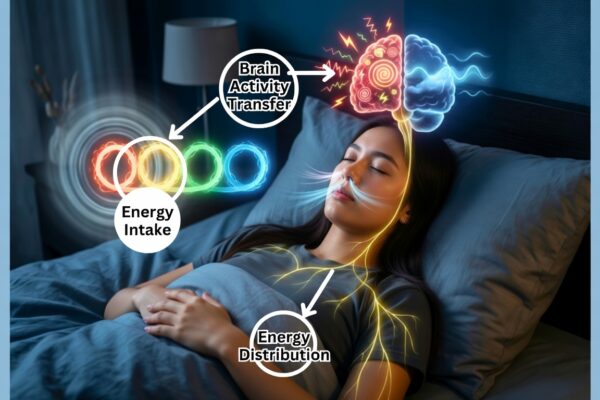
Your body runs on circadian rhythms—internal clocks that coordinate hormone release, energy production, cellular repair, and even gene expression. When your morning routine works with these rhythms instead of against them, you’re essentially syncing up with your biology. You’re telling your body when to wake up, when to generate energy, and when to start repairing damage. This is not wellness folklore; it’s physiology.
The five practices below, drawn from research and insights shared by Dr. Alex Wibberley, form a practical, longevity-focused morning routine. They are designed to improve both lifespan and healthspan—the years in which you feel strong, clear-headed, and fully functional.
Key Takeaways
- Cold Exposure: Creates a beneficial hormetic stress that lowers inflammation, activates protective proteins, and may support brain and metabolic health.
- Morning Light: Sets your master circadian clock, tuning hormones like cortisol and melatonin for better daytime energy and nighttime sleep.
- Protein-Rich Breakfast: Counters age-related muscle loss (sarcopenia), stabilizes blood sugar, and supports metabolic health.
- Gentle Movement: Boosts circulation, enhances insulin sensitivity, and benefits cardiovascular and cognitive function.
- Smart Hydration: Replacing fluids with electrolytes supports cellular function, hormone balance, and mental performance.
1. Embrace the Cold: Deliberate Cold Exposure
The first habit is the most uncomfortable—and one of the most powerful: intentional cold exposure. This isn’t a mildly cool rinse; it’s water cold enough to make you want to step away. Think approximately 10–15°C (50–60°F) for a total of about 2–11 minutes per session, built up gradually over time.
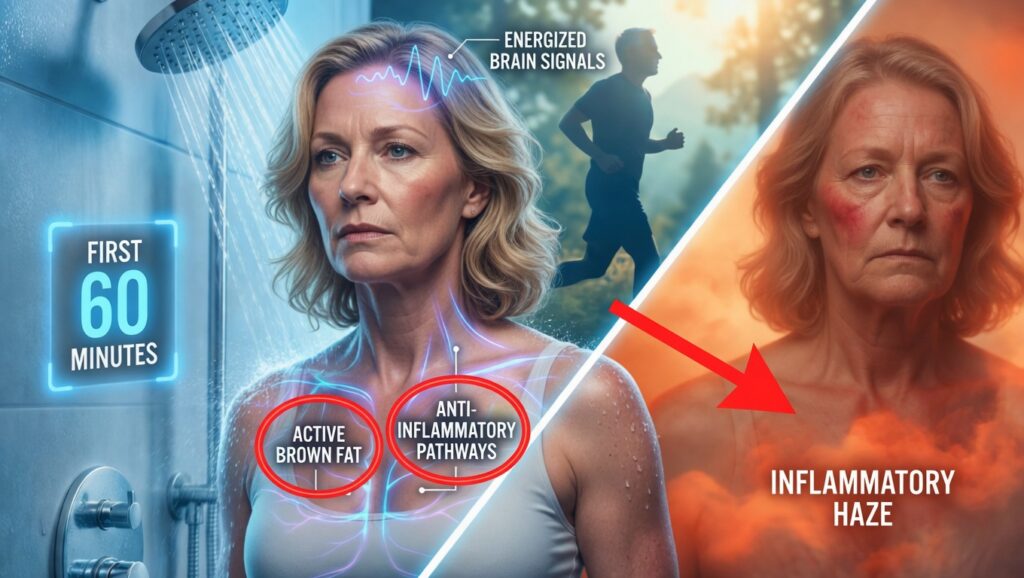
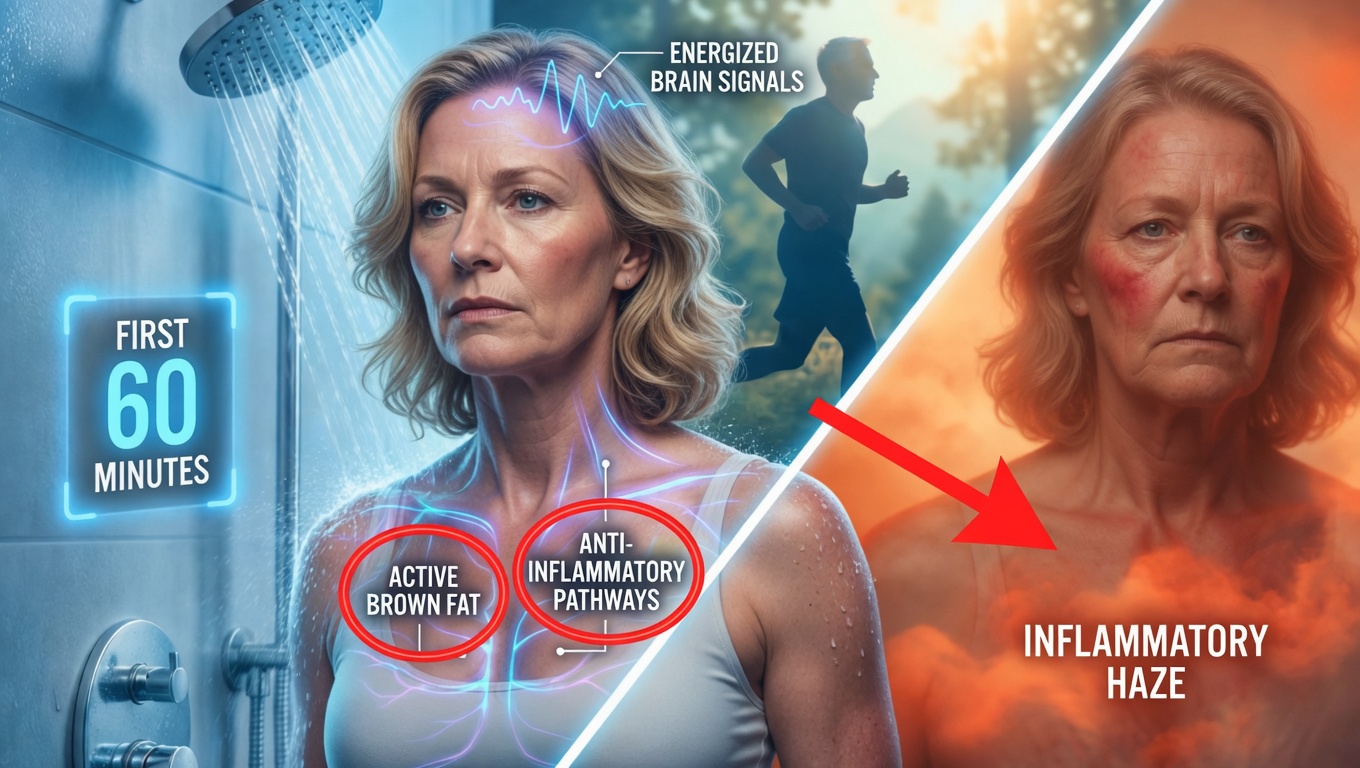
Cold exposure triggers hormesis, a process where mild, controlled stress makes your body more resilient. Much like lifting weights creates micro-tears that lead to stronger muscles, cold stress nudges your body to upgrade its defense systems.
When you expose yourself to cold:
- Your sympathetic nervous system switches on, causing a surge in noradrenaline (norepinephrine)—research has shown spikes of 200–300%.
- Noradrenaline boosts alertness and has strong anti-inflammatory effects.
- Lower chronic inflammation is tightly linked to lower risk of many age-related conditions, including:
- Cardiovascular disease
- Alzheimer’s and other dementias
- Type 2 diabetes
- Several forms of cancer
Cold also activates cold shock proteins, such as RBM3, which early research suggests may protect neurons and reduce the risk of neurodegeneration. In addition, cold exposure stimulates brown adipose tissue (brown fat)—a metabolically active type of fat that burns calories to generate heat. More active brown fat is associated with better insulin sensitivity and improved metabolic health, both strongly connected to longevity.
You don’t need to start with ice baths. Begin with:
- The last 20–30 seconds of your normal shower on cold.
- Gradually extend to 1–2 minutes as you adapt.
- Aim for consistency—several times per week is more beneficial than a heroic session once a month.
The goal is repeated, manageable stress that trains your body’s protective systems to stay active and robust.
2. Let There Be Light: Get Morning Sunlight
Once you’ve woken your system with cold, the next step is to align it with the outside world: get bright light in your eyes soon after waking.
Within the first hour of getting up—ideally within 30 minutes—seek out direct exposure to morning light. This is less about vitamin D and more about setting your master circadian clock in the brain.
Your eyes contain specialized light-sensing cells that send information straight to the suprachiasmatic nucleus (SCN)—your body’s central clock. When bright morning light hits these cells, it sends a clear message:
“It’s daytime. Wake up, be alert, and start metabolism.”
This light exposure:
- Triggers a healthy cortisol awakening response, giving you a natural rise in cortisol to increase alertness and readiness.
- Helps keep cortisol high in the morning and lower at night, which is the ideal pattern for health.
- Suppresses melatonin (your sleep hormone) in the morning and schedules its release roughly 12–14 hours later, improving your ability to fall and stay asleep.
Stable circadian rhythms are linked to:
- Better metabolic health
- Lower levels of systemic inflammation
- Improved mood and cognitive function
- Proper timing of DNA repair and cellular cleanup processes
To put this into practice:
- On a sunny day, aim for 5–10 minutes outside.
- On cloudy or overcast days, aim for 20–30 minutes.
- Don’t rely on indoor lighting; typical indoor light is far too dim to give a strong circadian signal.
- In dark winters, a 10,000-lux light therapy box can be a useful alternative—just use it in the morning, not at night.
Your sleep quality tonight starts with what your eyes see this morning.
3. Fuel Your Foundation: Prioritize Protein at Breakfast
With your body awake and synchronized to the day, the next question is: What should you eat first? For longevity, the evidence points clearly toward a protein-focused breakfast.
After 8–12 hours of fasting overnight, your body is in a catabolic (breakdown) state. Eating enough protein early in the day switches you into an anabolic (building and repair) state by stimulating muscle protein synthesis.
This becomes increasingly critical with age due to sarcopenia, the gradual loss of muscle mass and strength. Low muscle mass later in life is strongly linked to:
- Greater risk of falls and fractures
- Loss of independence
- Higher overall mortality
Muscle is also a key organ for glucose disposal. It’s where a large share of blood sugar is taken up and stored or used. Losing muscle mass makes it easier to develop insulin resistance, which is at the core of many chronic diseases.
Research indicates that:
- Distributing protein evenly across meals, especially including breakfast, supports muscle maintenance better than back-loading protein later in the day.
- Muscles may be more responsive to amino acids in the morning, likely due to circadian influences on metabolism.
Aim for 25–35 grams of high-quality protein at breakfast. Examples include:
- 3 whole eggs plus a side of Greek yogurt
- A protein smoothie with whey or plant protein powder, nuts, and seeds
- Cottage cheese with berries and a handful of nuts
Benefits of a protein-rich breakfast:
- Stable blood sugar: Avoids the spike-and-crash pattern from pastries, white bread, or sugary cereals.
- Sustained energy and focus: Fewer mid-morning slumps.
- Better appetite control: Protein is highly satiating, which can naturally reduce total calorie intake and help maintain a healthy body composition.
In the context of longevity, maintaining muscle and metabolic health is more than cosmetic—it’s one of the strongest predictors of how well you’ll function as you age.
4. Get Moving: Incorporate Gentle Morning Movement
Next, layer in light movement. This doesn’t have to be a demanding workout; the goal is to gently wake up your cardiovascular, muscular, and lymphatic systems after hours of lying still.
Overnight, circulation slows and metabolic byproducts accumulate. By moving shortly after waking, you:
- Increase blood flow, delivering oxygen and nutrients to tissues.
- Stimulate the lymphatic system, which helps clear waste products.
- Enhance insulin sensitivity, improving how your body handles blood glucose throughout the day.
Even a 10–15 minute walk can make a measurable difference in your:
- Post-meal blood sugar levels
- Daily energy and mood
- Long-term risk of insulin resistance and type 2 diabetes
On the cardiovascular side, gentle morning movement:
- Modestly raises your heart rate, training your heart and blood vessels without excessive strain.
- Improves circulation to the brain, which supports cognitive performance, memory, and focus.
- Contributes over time to lower risk of heart disease and stroke.
You don’t need to overcomplicate it. Options include:
- A brisk walk outdoors (which also doubles as morning light exposure)
- Light mobility work or stretching routine
- Easy cycling, yoga, or bodyweight exercises
If you already have a structured exercise program, you can save intense training for later in the day and treat morning movement as a low-intensity “activation” session. The key is consistency: a small amount of daily movement beats sporadic intense efforts.
5. Hydrate Smart: Start Your Day with Electrolytes
The final piece of a longevity-focused morning routine is intentional hydration. After a night of breathing and sweating, you wake up partially dehydrated, even if you don’t feel parched. Replenishing both water and electrolytes first thing in the morning supports nearly every system in your body.
Hydration is fundamental for:
- Maintaining blood volume and healthy blood pressure
- Transporting hormones such as cortisol and thyroid hormones
- Optimal brain function, including attention, reaction time, and mood
- Efficient cellular metabolism and detoxification
Instead of chugging plain water alone, consider combining fluids with electrolytes—especially sodium, potassium, and magnesium. This helps your body absorb and retain the water you drink, rather than quickly flushing it out.
A simple approach:
- Within 30–60 minutes of waking, drink 500–750 ml (about 17–25 oz) of water.
- Add:
- A pinch of high-quality salt or an electrolyte mix
- Optional: a squeeze of lemon for flavor
- Sip steadily rather than gulping it all at once.
Benefits of smart morning hydration:
- Counteracts overnight fluid loss, helping you feel more awake.
- Supports a smoother cortisol rhythm, as adequate hydration assists normal hormone signaling.
- Improves mental clarity, as even mild dehydration can impair cognitive performance.
- Helps regulate body temperature and circulation, especially if combined with movement or cold exposure.
Proper hydration is one of the simplest, most overlooked longevity tools—and it sets the stage for every other habit in your morning routine to work more effectively.
Bringing It All Together
A longevity-focused morning routine doesn’t require hours of effort or complex biohacks. By stacking these five science-backed habits, you’re aligning your daily actions with the way your body is designed to function:
- Cold exposure to trigger hormesis and reduce inflammation.
- Morning light to set your circadian clock and improve sleep.
- Protein-rich breakfast to preserve muscle and stabilize metabolism.
- Gentle movement to boost circulation, insulin sensitivity, and brain health.
- Smart hydration with electrolytes to support cellular and hormonal balance.
Start with one or two habits, make them consistent, and build from there. Over time, these small, intentional choices compound—helping you not just add years to your life, but more life to your years.