Can a “Miracle” Enzyme Really Clear Your Arteries?
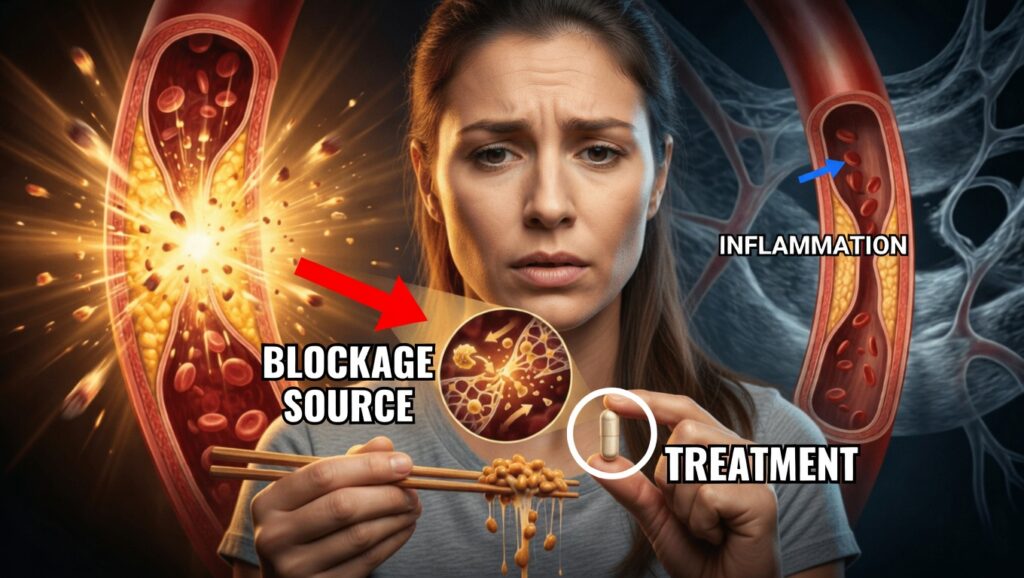
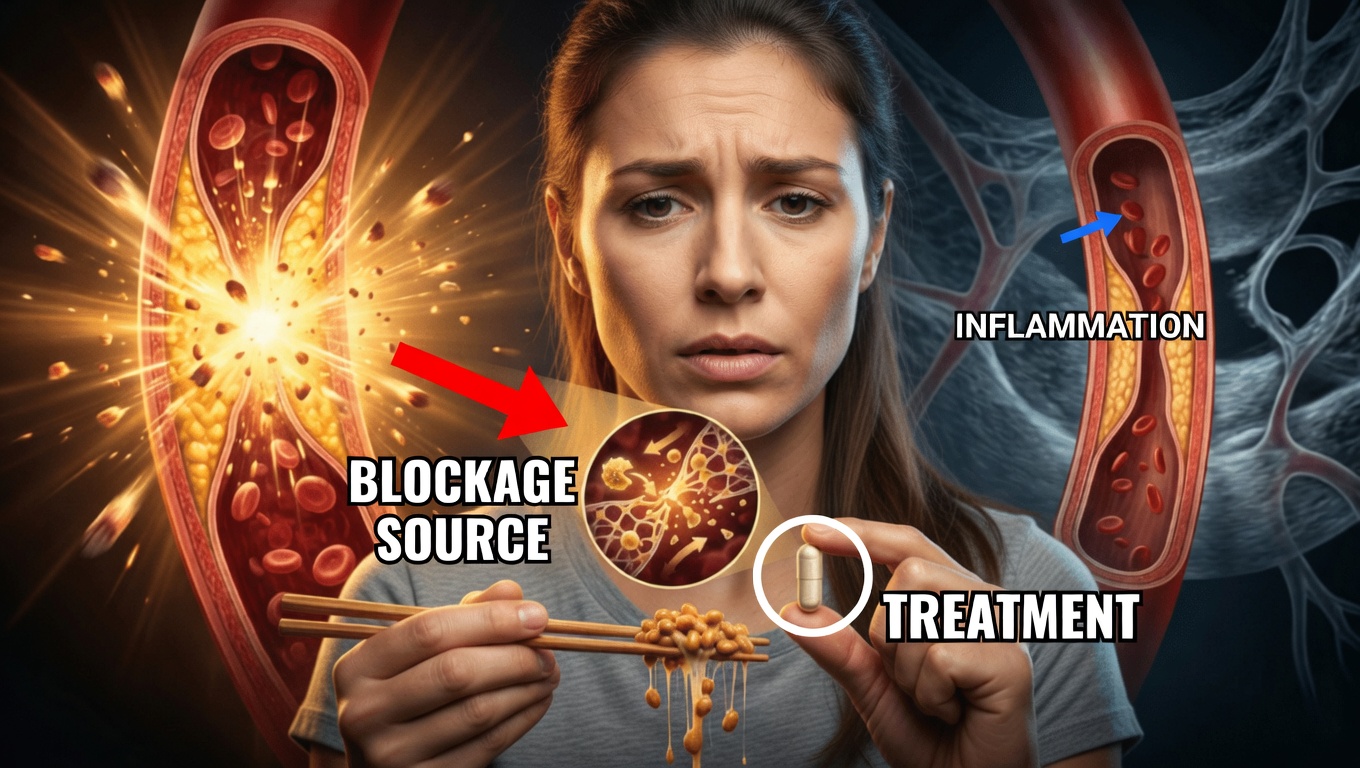
There’s a lot of buzz around a supplement that supposedly cuts arterial blockages by as much as 95%. With cardiovascular disease still the world’s leading killer, a promise like that is hard to ignore. The product in the spotlight is nattokinase, an enzyme extracted from a traditional Japanese food.
But in a market where a new “breakthrough” pill appears every few months, it’s important to ask: Is nattokinase genuinely effective, or just clever marketing?
Interest in nattokinase exploded after a large study of more than 1,000 people appeared to show dramatic benefits. Based on the work and analysis of Dr. Brad Standfield, this article breaks down:
- What nattokinase is and how it’s supposed to work
- Why one widely shared “miracle” study is deeply flawed
- What high-quality clinical trials actually show
- Whether combining nattokinase with serrapeptase makes sense
- The genuinely proven ways to lower your risk of heart attack
Key Takeaways
-
What is Nattokinase?
Nattokinase is an enzyme derived from natto, a traditional Japanese food made from fermented soybeans. Natto is often linked to the long life expectancy seen in Japan, possibly due to its nutrient profile and frequent consumption in some regions. -
The Hype Study (2022):
A large 2022 paper claimed that nattokinase dramatically lowered cholesterol and shrank arterial plaque. However, it was a retrospective study—an inherently weak design that cannot prove nattokinase caused the improvements. -
The Gold-Standard Evidence (2021):
A three-year randomized, double-blind, placebo-controlled trial—the highest-quality type of study—found no difference in artery blockages between people taking nattokinase and those taking a placebo. -
Food vs Supplement:
While the supplement evidence is unconvincing, natto as a food is highly nutritious, providing protein, fiber, and high levels of vitamin K2, all of which support overall health. -
The Real Fix for Heart Disease:
No supplement can replace a heart-healthy lifestyle. Long-term protection comes from diet, physical activity, weight management, and controlling factors such as blood pressure, cholesterol, and smoking.
1. What Is Nattokinase and Why the Sudden Interest?
Nattokinase is an enzyme naturally produced during the fermentation of soybeans to make natto, a traditional Japanese dish. Natto has a strong smell and a sticky, stringy consistency that many people find challenging at first. Despite that, it’s been a dietary staple in parts of Japan for centuries.
Researchers noticed that regions with higher natto consumption tend to have lower rates of cardiovascular disease, which led to the idea that nattokinase might play a role in heart health and longevity.
The proposed mechanism is that nattokinase:
- Breaks down fibrin, a key protein involved in blood clot formation
- Reduces the tendency of red blood cells to clump together
- May help prevent or dissolve small blood clots
- Might influence atherosclerotic plaque, the fatty buildup in arteries that contributes to heart attacks and strokes
Early small-scale studies suggested nattokinase could:
- Reduce blood clotting markers
- Lower the risk of clot formation on long flights
- Improve certain blood flow parameters
These preliminary findings were enough to spark hope. But the real explosion in popularity arrived with a single, heavily publicized study in 2022.
2. The “Miracle” Nattokinase Study: Why It Doesn’t Prove What You Think
The study that fueled much of the hype was titled:
“Effective management of atherosclerosis progress and hypolipidemia with nattokinase.”
It followed over 1,000 participants and reported that 12 months of nattokinase supplementation led to:
- Significant reductions in total cholesterol
- A decrease in the size of arterial plaque by up to 36%
At first glance, these results seem astonishing. If accurate and causally proven, they would be a revolution in cardiovascular prevention. However, there’s a crucial issue: this was a retrospective study.
What is a Retrospective Study?
Instead of randomly assigning people to take nattokinase or a placebo, the researchers:
- Looked back at medical records
- Identified people who had chosen to start nattokinase on their own
- Measured changes in their cholesterol and plaque over time
This design is inherently weak for determining cause and effect because:
- There was no control group for comparison
- Participants may have made other health changes at the same time, such as:
- Starting statins or other medications
- Improving their diet
- Exercising more
- Quitting smoking or reducing alcohol
Any of these changes—or a combination of them—could explain the improvements. Since we don’t know what else was happening in their lives, we cannot reasonably conclude that nattokinase alone caused the benefits.
In other words, the study can generate hypotheses, but it cannot prove nattokinase is responsible for plaque reduction or better cholesterol.
3. The Gold Standard: What a High-Quality Trial Actually Found
To understand if a supplement truly works, we look to randomized controlled trials (RCTs). These are considered the gold standard in clinical research.
In 2021, researchers published a double-blind, randomized, placebo-controlled trial on nattokinase. Here’s how it worked:
- Participants: 265 people
- Groups: Randomly assigned to:
- Nattokinase: 2,000 fibrinolytic units (FU) per day
- Placebo: identical-looking capsule with no active ingredient
- Blinding: Neither participants nor researchers knew who was in which group
- Duration: 3 years
- Measurements:
- Arterial plaque using carotid ultrasound (same method as the 2022 study)
- Blood pressure
- Various blood markers
The Results
After three years:
- No difference in the progression or regression of arterial blockages between the nattokinase and placebo groups
- No meaningful effect on blood pressure
- No significant improvements in other cardiovascular markers
This trial is:
- Larger and longer than most previous nattokinase studies
- Rigorously designed to minimize bias
Its conclusion is clear: at a dose of 2,000 FU per day, nattokinase supplements did not reduce arterial plaque or improve major cardiovascular risk markers.
Critics sometimes argue that this dose is lower than the 10,800 FU used in the retrospective 2022 study. A high-dose RCT would indeed be interesting, but until such trials exist, the best available evidence indicates that nattokinase supplementation does not clear blocked arteries.
4. What About Serrapeptase?
Serrapeptase is another enzyme supplement often marketed alongside nattokinase. It’s claimed to:
- Reduce inflammation
- Dissolve scar tissue and plaque
- Improve blood flow
However, when you examine the scientific literature:
- The data on serrapeptase is limited and inconsistent
- Some trials show no clear benefit
- Others raise concerns about side effects, including mild to moderate gastrointestinal or immune-related reactions
Overall, the evidence for serrapeptase is weaker than for nattokinase, and there is no robust proof that it safely and effectively removes arterial plaque.
Given the uncertainties and potential adverse effects, relying on serrapeptase for heart protection is not supported by strong science at this time.
5. Natto: A Healthy Food, Even If the Supplement Disappoints
While nattokinase supplements don’t live up to the bold claims, natto itself is a highly nutritious food.
Natto typically provides:
- High-quality plant protein
- Dietary fiber
- Vitamin K2 (MK-7), which plays a critical role in calcium metabolism and may support bone and cardiovascular health
- Beneficial compounds produced during fermentation
Including natto as part of a varied, whole-food diet can be a smart choice—if you can tolerate the taste and texture. However, it’s important not to assume that eating natto or taking nattokinase supplements will magically clear existing artery blockages.
6. Seven Proven Strategies to Dramatically Lower Your Heart Attack Risk
If nattokinase isn’t a magic solution, what actually works? The encouraging news is that you have enormous control over your heart health through well-established, evidence-based strategies.
Here are seven powerful steps that can dramatically reduce your risk of heart attack:
1. Build Your Diet Around Whole Foods
Make a whole-food, minimally processed diet your foundation:
-
Emphasize:
- Lean proteins (fish, poultry, legumes, tofu)
- Healthy fats from avocado, extra-virgin olive oil, nuts, seeds
- High-fiber fruits, vegetables, and whole grains
- Fermented foods, including natto if you enjoy it
-
Cut back on:
- Sugary drinks and sweets
- Highly processed snacks and fast food
- Fatty, processed meats
- Large amounts of butter and trans fats
- Excess salt, especially if you have high blood pressure
This style of eating improves cholesterol, supports a healthy weight, and benefits blood pressure and blood sugar.
2. Move Regularly: Combine Strength and Cardio
Aim for a mix of:
- Cardiovascular exercise: brisk walking, running, cycling, swimming
- Resistance training: weights, resistance bands, or bodyweight exercises
Regular physical activity helps:
- Strengthen your heart and blood vessels
- Improve circulation
- Lower blood pressure
- Raise HDL (“good”) cholesterol and lower triglycerides
- Support weight management and mental health
3. Maintain a Healthy Weight
Excess body fat—particularly around the abdomen—raises your risk of heart disease, diabetes, and high blood pressure.
Key strategies include:
- Consistent, balanced nutrition
- Regular exercise
- Adequate sleep and stress management
If you’re struggling to lose weight despite genuine effort, it’s reasonable to:
- Speak with a healthcare professional
- Discuss modern medical tools, including GLP-1 medications and other evidence-based weight-loss treatments
The goal is not perfection but moving toward a weight range that supports cardiovascular health.
4. Control Blood Pressure
High blood pressure silently damages arteries over time and is a major driver of heart attacks and strokes.
To manage it:
- Monitor your blood pressure regularly
- Reduce sodium intake and ultra-processed foods
- Stay active and maintain a healthy weight
- Limit alcohol and avoid smoking
- Use prescribed medications consistently if your doctor recommends them
Lifestyle measures plus appropriate medication can bring blood pressure into a safe range for most people.
5. Optimize Cholesterol and Other Blood Lipids
High LDL (“bad”) cholesterol and high triglycerides contribute to plaque buildup in your arteries.
Steps to improve your lipid profile:
- Eat more fiber, especially from plants
- Use unsaturated fats (olive oil, nuts, seeds) instead of saturated fats
- Reduce intake of trans fats and heavily processed foods
- Consider medications like statins or other lipid-lowering drugs if your doctor advises them
Unlike nattokinase supplements, these approaches have decades of strong evidence showing they reduce heart attacks and strokes.
6. Don’t Smoke—and Avoid Secondhand Smoke
Smoking is one of the most powerful and preventable causes of heart disease.
If you smoke:
- Seek help to quit—counseling, nicotine replacement, prescription medications, and support programs can dramatically increase your chances of success
- Avoid environments where you’re regularly exposed to secondhand smoke
Quitting smoking rapidly lowers your cardiovascular risk, with benefits beginning within weeks and accumulating over years.
7. Get Regular Check-Ups and Track Key Markers
Prevention works best when you catch problems early. Work with a healthcare professional to monitor:
- Blood pressure
- Cholesterol and triglycerides
- Blood sugar and HbA1c
- Weight and waist circumference
- Family history and other risk factors
Based on these results, your doctor can recommend:
- Lifestyle adjustments
- Medications when appropriate
- Further testing if needed
This proactive approach is far more reliable than hoping a supplement will undo years of arterial damage.
Final Thoughts: No Magic Pill, but Powerful Choices
Nattokinase has an interesting biological story and comes from a genuinely healthy traditional food. But when we look at high-quality clinical trials, nattokinase supplements do not live up to claims that they dramatically clear blocked arteries or prevent heart attacks.
The same is true—if not more so—for serrapeptase: bold marketing, but weak and inconsistent evidence.
Real, lasting protection from heart disease comes from daily habits, not miracle capsules:
- Eating a whole-food, heart-healthy diet
- Exercising regularly
- Maintaining a healthy weight
- Managing blood pressure and cholesterol
- Avoiding smoking
- Working with your doctor to monitor and treat key risk factors
Supplements can sometimes play a supporting role in health, but they are no substitute for evidence-based lifestyle and medical strategies. When it comes to your heart, the most powerful “treatment” is still the one you practice every day.