A Healthier Coffee Upgrade: Why Cocoa Powder Is Better Than Processed Creamer
For many people, the highlight of the morning is a warm cup of coffee. But what goes into that cup can make a big difference to your overall health. If you regularly use flavored coffee creamer, it may be working against your nutrition and weight-loss goals.
Many store-bought creamers are packed with empty calories and highly processed ingredients. These often include hydrogenated oils, artificial sweeteners, synthetic flavors, and preservatives. They may improve taste, but they do little to support a healthy diet.
You might assume that a small splash of creamer is harmless. However, even a modest daily amount can add up quickly in calories and sugar.
A typical sweetened coffee creamer contains about 35 calories and 5 grams of added sugar per tablespoon. If you use 2 tablespoons per cup and drink 2 cups of coffee a day, that equals:
- 140 extra calories daily
- 20 grams of added sugar daily
Over time, that seemingly minor habit can have a noticeable impact.
The good news is that there are better options. One simple and flavorful alternative is adding cocoa powder to your coffee. It delivers rich taste without added sugar and may even offer benefits for metabolism, mood, and body composition.
If you want a less processed option, choose cacao powder instead. Cacao comes from cacao beans and is minimally processed, which helps preserve more of its natural nutrients. Whether you use cocoa or cacao, a small amount can give your coffee a deep chocolate flavor.
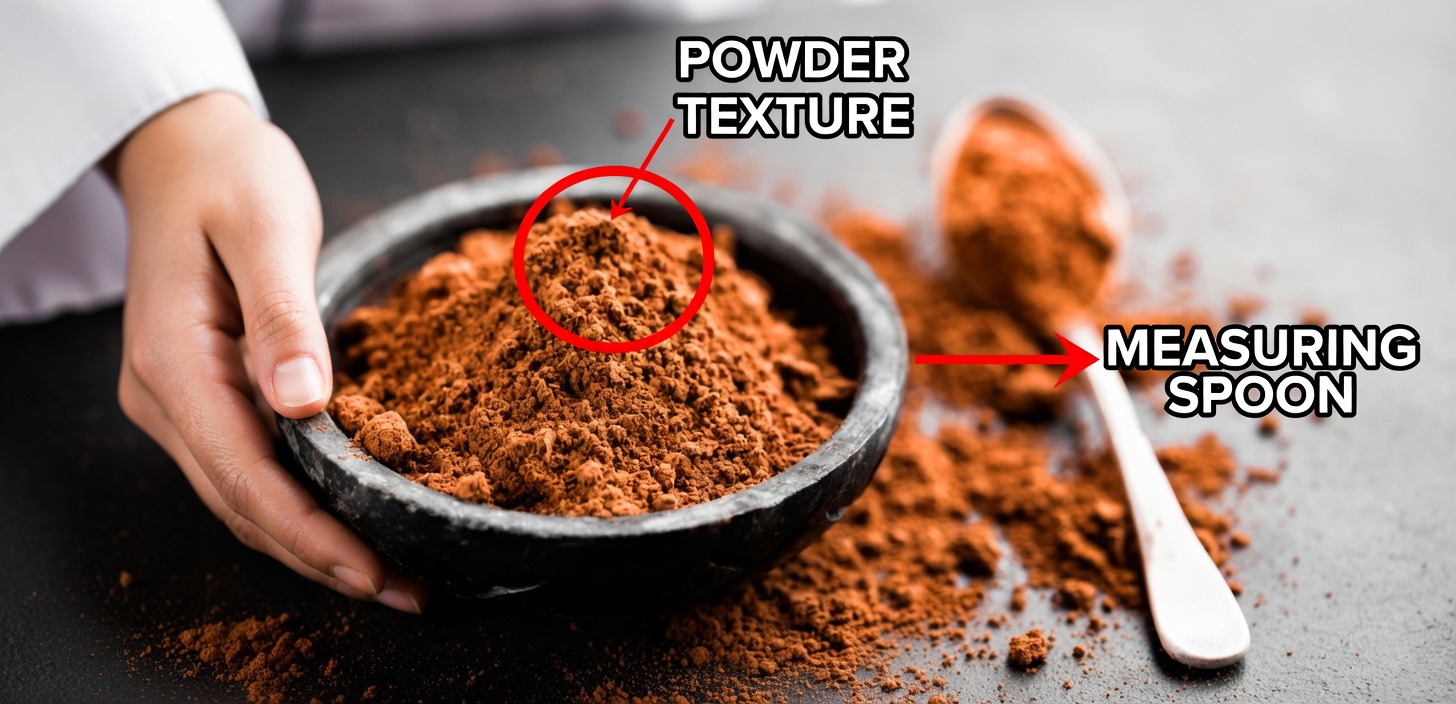
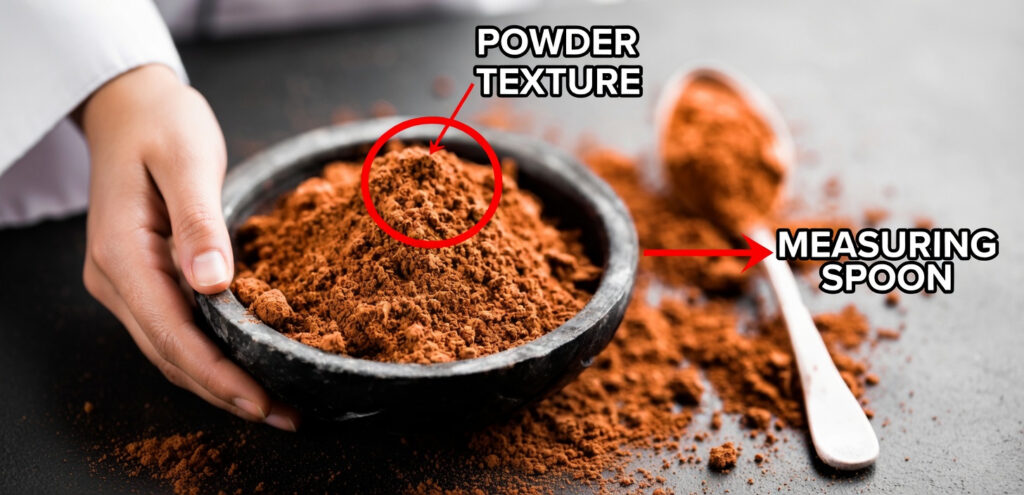
Cocoa Powder vs. Cacao Powder
Both cocoa powder and cacao powder come from the same plant, but they are processed differently.
- Cocoa powder is more refined and usually exposed to higher heat, which can reduce some nutrients.
- Cacao powder is less processed and considered a raw product, helping it retain more of its natural compounds.
Both can work well in coffee, especially if you choose unsweetened varieties.
Cocoa Powder Nutrition
One tablespoon of unsweetened natural cocoa powder provides approximately:
- 12 calories
- 0.5 grams of fat
- 3 grams of carbohydrates
- 0 grams of added sugar
- 2 grams of fiber
Compared with sweetened coffee creamer, cocoa powder is a much lighter and more nutritious choice.
Health Benefits of Cocoa in Coffee
Cocoa is more than just a tasty addition. It is naturally rich in nutrients and plant compounds that may support overall wellness.
Key benefits of cocoa powder
- Rich in minerals, antioxidants, phytonutrients, and fiber
- A good source of calcium, copper, iron, manganese, magnesium, phosphorus, potassium, and zinc
- Contains flavonoids and other antioxidants that may help reduce inflammation
- May support better mood and energy through positive effects on neurotransmitters
- May help boost metabolism and support weight management
- May contribute to lower body fat and improved body composition
Research has suggested that cocoa may play a helpful role in energy use and body-weight regulation. One recent study found that dark chocolate supplementation increased resting energy expenditure in exercise-trained women.
Another study in mice found that cocoa supplementation was linked to less weight gain and reduced inflammation. Researchers suggested that compounds in cocoa may help limit the digestion and absorption of dietary fat.
How to Add Cocoa Powder to Coffee
To keep cocoa powder from forming lumps, use this simple method:
- Put the cocoa powder into your mug first.
- Pour in a small amount of hot coffee.
- Stir until a smooth paste forms.
- Add the remaining coffee and stir again.
Because cocoa has a bold and rich taste, it is best to begin with 1 teaspoon and add more if you want a stronger chocolate flavor.
When buying cocoa or cacao powder, look for:
- Unsweetened
- Natural
- High-quality
- Organic, if possible
Choosing a clean product can help reduce exposure to pesticides and unnecessary additives.
Easy Coffee With Cocoa Powder Recipe
This simple recipe is a delicious way to start the day with a healthier coffee option.
Ingredients
- 4 oz. strong coffee
- 1 tsp. cocoa powder or cacao powder
- 4 oz. unsweetened almond milk or coconut milk
- A dash of cinnamon
- Stevia or another no-calorie sweetener, optional
Instructions
- Pour the coffee into a small saucepan.
- Heat over medium-low heat.
- Whisk in the cocoa powder until fully blended.
- Add the almond milk or coconut milk.
- Stir in the cinnamon.
- If you prefer a sweeter taste, add a few drops of stevia.
- Pour into your mug and enjoy.
Who Should Be Careful With Cocoa Coffee?
If you are trying to reduce your caffeine intake, this drink may not be the best fit. Even if you use decaffeinated coffee, cocoa still contains a small amount of naturally occurring caffeine.
If needed, switching to decaf coffee can lower the total caffeine content significantly.
Final Thoughts
A small dietary change can create meaningful long-term results. Swapping sugary coffee creamer for cocoa powder is one of those simple upgrades that can save a significant number of calories over time.
In addition to reducing added sugar, cocoa may provide extra health benefits related to:
- Metabolism
- Weight management
- Body composition
- Mood
- Energy
- Inflammation
For the best results, choose unsweetened, high-quality cocoa or cacao powder and enjoy a more nutritious cup of coffee every morning.
References
-
Latif R. Health benefits of cocoa. Curr Opin Clin Nutr Metab Care. 2013 Nov;16(6):669-74. doi: 10.1097/MCO.0b013e328365a235. PMID: 24100674.
https://pubmed.ncbi.nlm.nih.gov/24100674/ -
Garcia-Merino JA, et al. Chronic flavanol-rich cocoa powder supplementation reduces body fat mass in endurance athletes by modifying the follistatin/myostatin ratio and leptin levels. Food and Function. 2020 Mar;11:3441-3450.
https://pubs.rsc.org/en/content/articlelanding/2020/FO/D0FO00246A#!divAbstract -
Presler KM, Webster MJ. Dark Chocolate Supplementation Elevates Resting Energy Expenditure in Exercise Trained Females. Int J Exerc Sci. 2021 Apr 1;14(2):250-259. PMID: 34055151; PMCID: PMC8136603.
https://digitalcommons.wku.edu/cgi/viewcontent.cgi?article=2929&context=ijes -
Scholey A, Owen L. Effects of chocolate on cognitive function and mood: a systematic review. Nutr Rev. 2013 Oct;71(10):665-81. doi: 10.1111/nure.12065. PMID: 24117885.
https://pubmed.ncbi.nlm.nih.gov/24117885/ -
Sun M, Gu Y, Glisan SL, Lambert JD. Dietary cocoa ameliorates non-alcoholic fatty liver disease and increases markers of antioxidant response and mitochondrial biogenesis in high fat-fed mice. J Nutr Biochem. 2021 Jun;92:108618. doi: 10.1016/j.jnutbio.2021.108618. Epub 2021 Mar 9. PMID: 33711421.
https://www.sciencedirect.com/science/article/abs/pii/S0955286321000383?via=ihub