Garlic for Pain and Inflammation: A Traditional Remedy Worth Knowing
For hundreds of years, garlic has been valued not only for its bold flavor in cooking, but also for its role in traditional home remedies. Long before modern painkillers, many families relied on garlic-based preparations to ease discomfort and calm inflammation—using simple, natural ingredients.
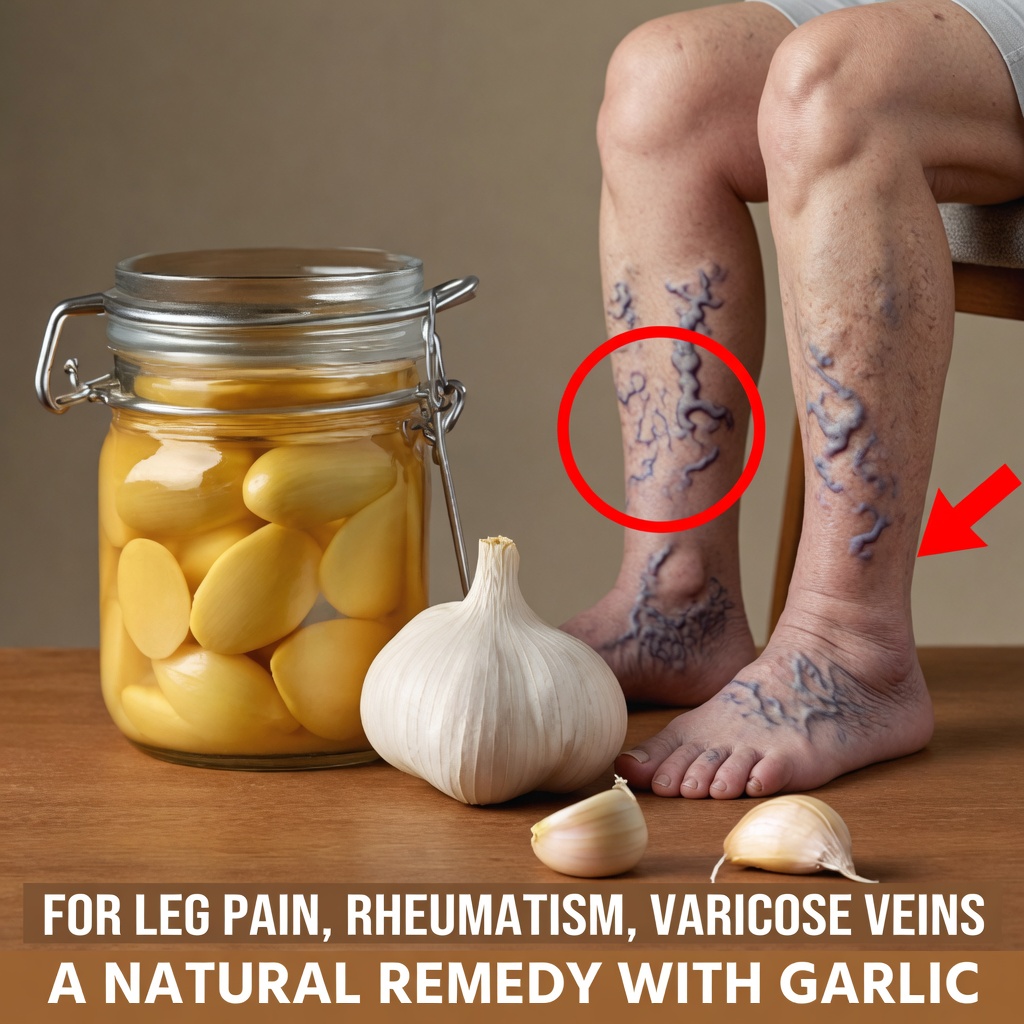
Why Garlic May Help with Pain Relief
Garlic is rich in allicin, a well-known plant compound linked to several supportive effects that can be useful for sore joints and tired muscles:
- Anti-inflammatory support: may help reduce swelling and stiffness in muscles and joints
- Natural soothing effect: traditionally used to ease discomfort without relying on harsh chemicals
- Antioxidant protection: helps defend cells and tissues from oxidative stress associated with aging
- Circulation support: may promote better blood flow, helping deliver oxygen and nutrients to tender areas
Traditional Garlic Pain-Relief Oil (Balm-Style Massage Recipe)
Ingredients
- 6 garlic cloves, peeled and crushed
- 1/4 cup olive oil or coconut oil
- Optional: a pinch of turmeric or ginger for extra warming, anti-inflammatory support
Instructions
- In a small saucepan, gently warm the oil on low heat.
- Add the crushed garlic and let it infuse for 10–15 minutes. Keep the heat low—do not fry or brown the garlic.
- Remove from heat and allow the oil to cool.
- Strain out the garlic pieces.
- Pour the infused oil into a clean glass jar.
- Massage a small amount into the affected area (such as knees, joints, back, or neck).
Tip: Many people prefer applying it at night and covering the area with a warm cloth for comfort.
How Garlic Oil Was Traditionally Used
Across many cultures, this type of garlic infusion was part of everyday care, especially after physical work:
- Older family members often rubbed garlic-infused oil onto aching knees, shoulders, and lower backs
- It was commonly used for discomfort linked to rheumatism, sprains, and nerve-related pain
- Some traditions included applying it to the soles of the feet, believing it supported whole-body relief and “cleansing”
Safety Notes Before You Try It
To use this remedy responsibly, keep these precautions in mind:
- Do a patch test first, especially if you have sensitive skin (garlic can be strong)
- Do not apply to broken, irritated, or inflamed skin
- Speak with a healthcare professional if you are pregnant, have a medical condition, or take blood-thinning medication
More Than a Remedy: A Tradition of Care
This garlic preparation is often remembered as more than a home treatment—it represents the kind of practical, comforting care passed down through generations. It’s a simple routine rooted in connection, patience, and the belief that nature can support everyday well-being.