The Truth About Nuts: Superfood or Hidden Calorie Trap?
Have you ever questioned whether nuts are genuinely as healthy as their reputation suggests, or if they’re actually sneaky calorie bombs masquerading as a “healthy snack”? You’re not the only one. Nuts are often praised for boosting heart and brain health and even helping with weight management. But what about serving sizes, raw vs. roasted, salted vs. unsalted, and which nuts are best for your specific health needs?
You don’t need to give up your beloved handful of walnuts. Instead, let’s unpack what nuts really do for your body, which varieties deserve a starring role in your diet, which are better in small doses, and how to choose, combine, and prepare them so you get maximum benefits with minimal downsides. You’ll also find answers to common questions that rarely get addressed in health videos—like whether eating nuts at night makes you gain weight, or if they’re safe when you have thyroid issues.
By the end of this guide, you’ll understand nuts far better than most people—and clear up some stubborn myths along the way. (Inspired by the work of Dr. Alberto Sanagustín)
Key Takeaways
- Not all nuts offer the same benefits; some are clearly healthier or better suited to specific people and conditions.
- Nuts are extremely calorie-dense, so large portions can easily sabotage weight goals.
- How you prepare and store nuts can significantly affect their nutritional value.
- Allergies, digestive problems, and thyroid conditions may require a more selective approach to nut consumption.
- Smart combinations and preparation techniques can enhance the positive effects of nuts.
1. Why Are Nuts So Popular—and What’s the Real Story?
When someone says, “Eat more nuts, they’re good for you,” what comes to mind? Probably heart protection, sharper brain function, and a better alternative to junk food snacks. Research largely supports this image: people who regularly eat nuts have a lower risk of heart attacks, reduced “bad” LDL cholesterol, and even lower rates of early death. In some cases, a daily handful of nuts can be more effective than certain supplements.
However, there are some important caveats:
- Not all nuts are equal. A serving of raw almonds is not nutritionally comparable to a handful of salted, roasted peanuts. It’s like equating a fresh salad with a fast-food burger that happens to have a slice of lettuce—technically they both have vegetables, but the overall impact is completely different.
- Nuts are calorie-dense. For instance, 100 grams of walnuts contain roughly 650 calories—similar to a large plate of pasta. Because they’re so easy to snack on mindlessly, you can finish a bag without realizing how many calories you’ve consumed.
Nuts can absolutely be part of a healthy diet—but only when type, portion, and preparation are taken into account.
2. The 7 Best Nuts for Health—and Who They’re Best For
Here’s a closer look at some of the most beneficial nuts and how they can support specific health goals.
1) Almonds: The Versatile All-Rounder
Think of almonds as the dependable all-purpose nut. They provide:
- Plant-based protein
- Fiber
- Healthy monounsaturated fats
- Vitamin E
- Magnesium
These nutrients support heart health, help stabilize blood sugar, promote satiety, and even benefit your skin. For most people, a portion of about 20–25 almonds (ideally with the skin on) is a good daily amount. Eating them as a snack 10–15 minutes before a meal can help reduce hunger and prevent overeating.
2) Walnuts: Powerful Support for Brain and Heart
Walnuts resemble tiny brains, and they’re rich in omega-3 fatty acids—particularly alpha-linolenic acid (ALA), a plant-based form of omega-3 similar to the kind found in fatty fish. These fats:
- Support cognitive function
- Help lower inflammation
- Contribute to improved cholesterol profiles
To enhance mineral absorption and reduce natural antinutrients, you can soak walnuts in water for a few hours before eating.
3) Pistachios: Allies for Gut Health and Mood
Pistachios are comparable to almonds in protein content and are among the best nuts for fiber. Their high fiber content:
- Feeds beneficial gut bacteria
- Supports healthy digestion
- Positively influences immune function and mood via the gut–brain axis
Choosing pistachios in the shell is a clever strategy—they take more time to eat, which encourages slower, more mindful snacking and can naturally limit portions.
4) Brazil Nuts: Concentrated Selenium Source
Brazil nuts are famous for their extremely high selenium content, an essential mineral for:
- Thyroid function
- Antioxidant defense
- Energy production
Just 1–2 Brazil nuts can cover your daily selenium needs. Because excess selenium can become toxic, it’s important not to overdo it. For most people, one or two nuts a day—or a few times a week—is enough, especially if you have thyroid concerns.
5) Hazelnuts: Small, Nutrient-Dense, and Eco-Friendlier
Hazelnuts often get less attention but are nutrition powerhouses. They contain even more vitamin E than almonds and are relatively water-efficient to grow, making them a more sustainable choice. Their nutrients support:
- Cardiovascular health
- Skin integrity
- Bone strength
- Energy metabolism
They’re a great option if you want a nut that’s good for your body and gentler on the environment.
6) Chestnuts: The Low-Fat Outlier with Fiber and Vitamin C
Chestnuts are quite different from most other nuts. They are:
- Low in fat
- Higher in complex carbohydrates and fiber
- A source of vitamin C
This makes them suitable for people watching their calorie intake, or those dealing with digestive or liver issues. Enjoy them roasted or boiled, especially during colder seasons when they’re traditionally in demand.
7) Pecans: Gentle Support for Bones and Prostate
Pecans have a naturally sweet, mild flavor and are packed with:
- Antioxidants
- Calcium
- Magnesium
- Potassium
Their fats can help maintain healthy arteries, and some of their compounds appear to specifically support prostate health. Even if they’re not as common in every region, they’re an excellent nut to include when available.
3. Nuts to Limit or Avoid—and the Reasons Behind It
Some nuts (and nut-like foods) come with more drawbacks than others, depending on your health and how they’re processed.
-
Peanuts
Technically a legume rather than a tree nut, peanuts are one of the most common food allergens worldwide. They are also prone to contamination with aflatoxins—mold-derived toxins that can stress the liver. Many peanut products are heavily salted, fried, or processed. Peanuts are also high in omega-6 fats, which, in excess, may promote inflammation. -
Macadamia Nuts
Delicious and rich in healthy fats, but extremely calorie-dense and very easy to overeat. If you’re managing your weight, keep portions small—just a few macadamias can be enough. -
Pine Nuts
Great in small amounts as a topping or in pesto, but very high in calories. Some people experience “pine mouth,” a temporary metallic taste after eating certain pine nuts. -
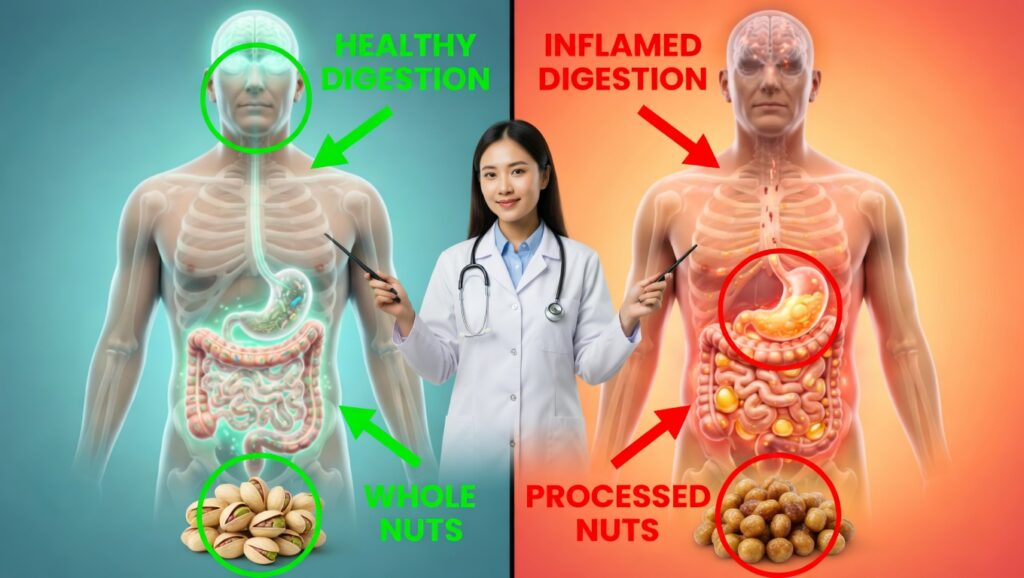
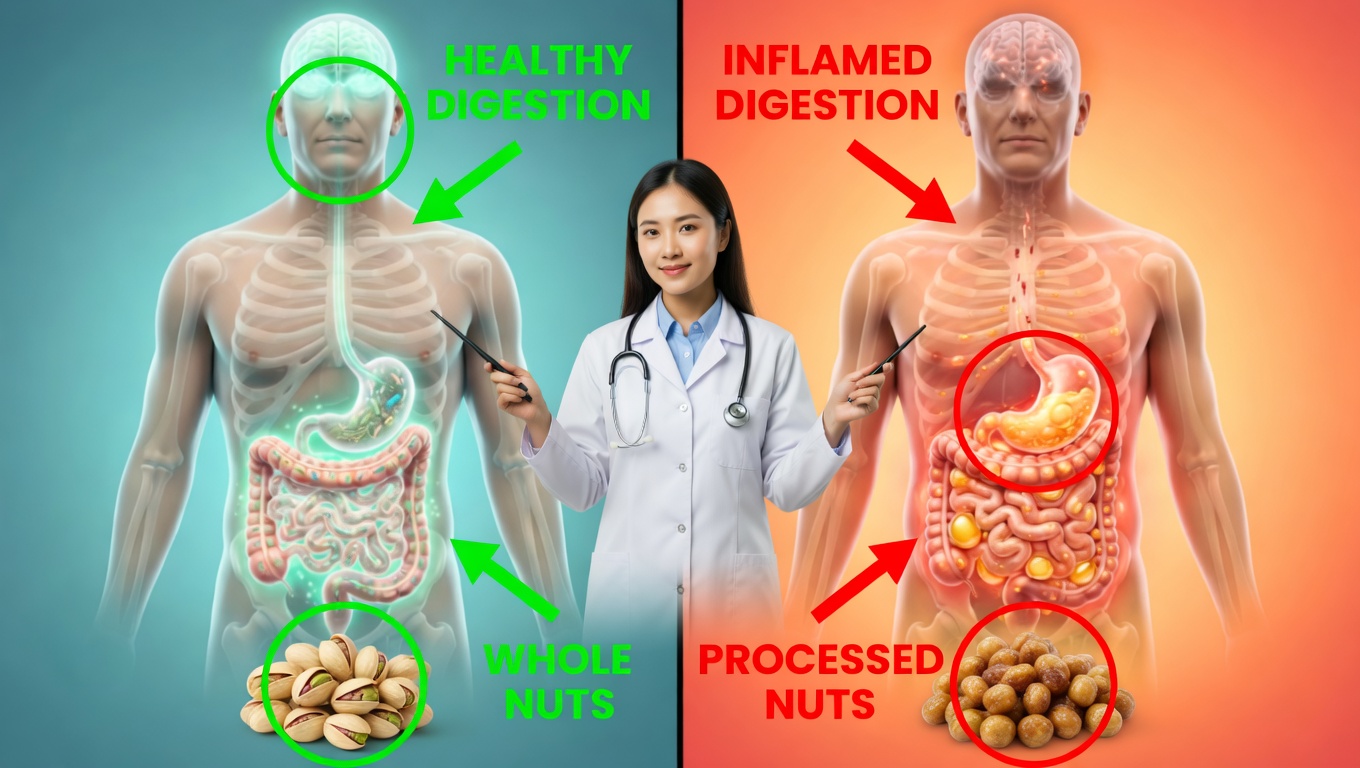
Highly Processed Nuts
Nuts that are fried, heavily salted, sugar-coated, or honey-roasted often lose much of their health value. Added sugars, refined oils, and excessive salt can undermine the natural benefits. Always check the ingredient list—ideally, it should contain just the nuts (and maybe a pinch of salt, if you tolerate it). -
Wild or Bitter Almonds & Horse Chestnuts
Some wild or bitter varieties contain toxic compounds and are not safe for consumption. Never eat wild nuts unless you are absolutely certain they are edible.
4. How to Eat, Store, and Prepare Nuts for Maximum Benefit
Portion Control
Because nuts are energy-dense, quantity matters. A sensible daily portion for most adults is around 25–30 grams:
- About 20–25 almonds
- 8–10 walnut halves
- 30–40 pistachios in their shells
You can split this amount into smaller snacks throughout the day or have it all at once.
Mix and Match
Combining different nuts gives you a wider variety of nutrients—different vitamins, minerals, and types of healthy fats. Just keep the total quantity in check. A small mixed handful is usually enough.
When to Eat Nuts
Nuts can fit into your day in several strategic ways:
- As a snack between meals to prevent energy crashes
- 10–15 minutes before meals to help control appetite
- After workouts (almonds or pistachios are good choices) to support recovery
- In the evening: their magnesium and tryptophan content may help with relaxation and better sleep
Remember, weight control hinges on total calorie intake, not the time of day you eat nuts.
Best Ways to Consume Them
- Raw and with skins: This is often the most nutrient-dense option, as the skins contain beneficial compounds like polyphenols.
- Soaked or lightly toasted: If you find raw nuts hard to digest, soak them for several hours or toast them gently at low temperatures, without added oils or salt.
- Ground or as nut butters: Ideal for children, older adults, or anyone with chewing difficulties. Choose natural nut butters without added sugars or hydrogenated oils.
Proper Storage
Nuts can go rancid because of their fat content, especially those rich in omega-3s like walnuts.
- Store them in airtight containers, away from heat and light.
- Refrigerate or freeze high-fat nuts (such as walnuts and pecans) after opening to maintain freshness.
- Discard nuts that smell off, taste bitter, or appear moldy.
Be Careful with “Healthy” Bars
Granola bars, protein bars, and energy bars that contain nuts are not automatically healthy. Many are loaded with:
- Added sugars or syrups
- Low-quality oils
- Artificial flavors or preservatives
Always read the label and treat these products as occasional treats rather than everyday staples.
5. Nuts and Specific Health Concerns: Common Questions Answered
Do nuts make you gain weight if eaten at night?
No. Weight gain is primarily related to total calorie surplus, not the time you eat. Eating a reasonable portion of nuts in the evening will not automatically lead to weight gain. In fact, a small handful at night may improve sleep quality due to their magnesium and tryptophan content.
Can I mix different nuts in one snack?
Yes, combining nuts is a great way to diversify nutrients. Just be mindful of the overall quantity so you don’t unintentionally double or triple your calorie intake.
What if I have digestive issues or IBS?
People with sensitive digestion or irritable bowel syndrome may need to be more cautious:
- Start with small amounts.
- Choose soaked, ground, or very well-chewed nuts to reduce mechanical irritation.
- During acute flare-ups, you might need to avoid whole or hard nuts temporarily and reintroduce them slowly once symptoms calm down.
Are nuts bad for the liver?
For most people, nuts are not harmful to the liver and can be part of a healthy diet. The main concerns are:
- Rancid or moldy nuts
- Peanuts contaminated with aflatoxins
Always discard nuts that seem spoiled and buy from trustworthy sources.
Which nuts are best for high cholesterol?
Walnuts, almonds, and pistachios stand out for improving cholesterol profiles. Regular, moderate consumption of these nuts has been associated with reductions in LDL (“bad”) cholesterol and improvements in overall cardiovascular health.
Are Brazil nuts safe if I have thyroid problems?
In moderate amounts, yes. Brazil nuts can be beneficial because of their selenium content, which is important for thyroid function. However:
- Limit yourself to about 1–2 Brazil nuts per day.
- If you already have a diagnosed thyroid condition or are on thyroid medication, it’s wise to discuss your intake with your healthcare provider.
What if I follow a low-carb or ketogenic diet?
Some nuts are more keto-friendly than others due to their lower carbohydrate content. Good options include:
- Walnuts
- Pecans
- Macadamias
- Almonds (in moderation)
Avoid large quantities of higher-carb nuts like cashews if you need to stay very low carb.
Nuts can be an excellent addition to a balanced diet: nutrient-dense, versatile, and satisfying. The key is choosing the right kinds, watching portion sizes, and preparing and storing them properly so you enjoy more benefits than drawbacks.