High Fructose Corn Syrup in Heinz Ketchup: What Consumers Should Know
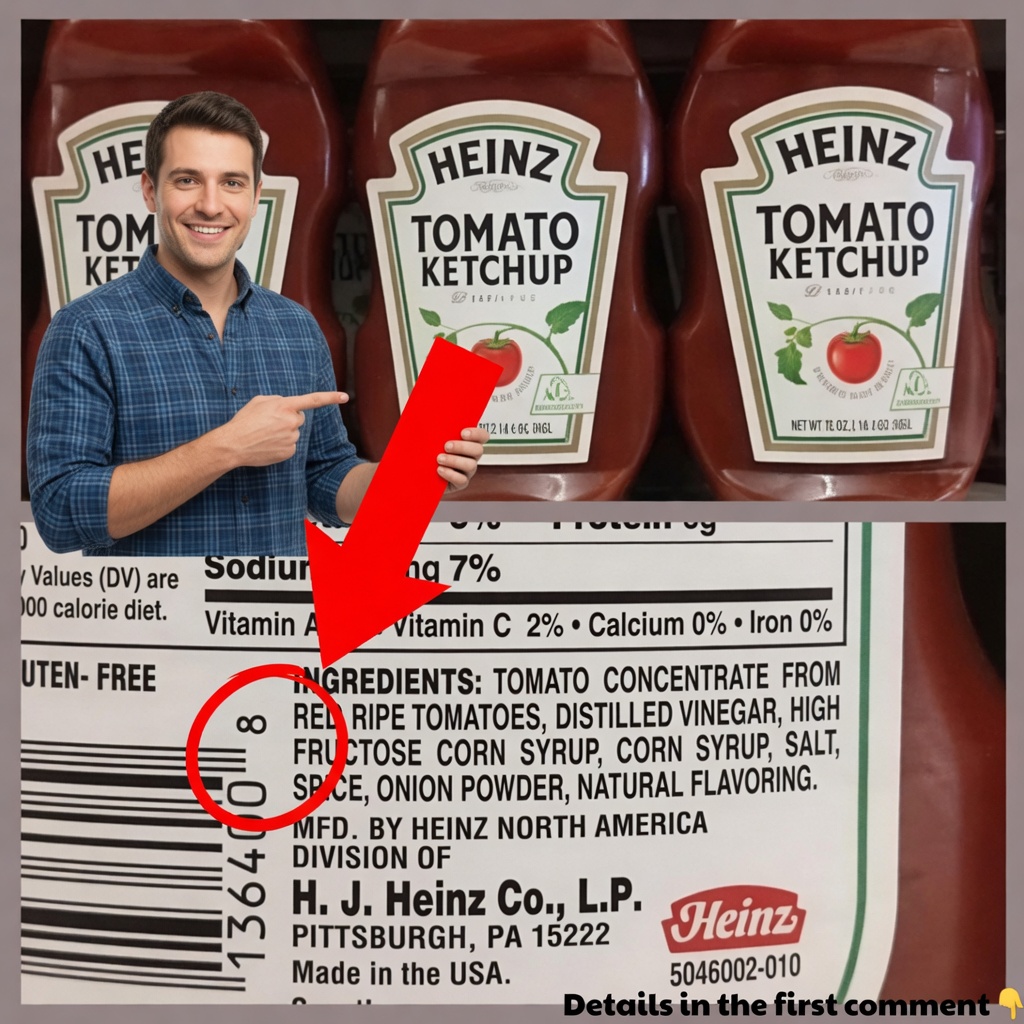
High fructose corn syrup (HFCS) has been a polarizing topic in modern nutrition, and Heinz Ketchup is frequently mentioned in discussions about whether this sweetener belongs in everyday foods. For consumers trying to make smarter dietary decisions, the most helpful approach is to rely on credible, varied sources and understand the broader context behind HFCS—rather than focusing on a single headline or claim.
HFCS is a sweetener made from corn starch that is processed so some of its glucose becomes fructose. This conversion creates a syrup that is highly sweet, widely available, and often less expensive than cane sugar. At the same time, HFCS has been linked in public debate to possible health concerns, including potential roles in weight gain, obesity, and metabolic syndrome. These concerns continue to fuel strong opinions among researchers and health-focused consumers, even as scientific conclusions remain debated.
Moderation Matters More Than the Sweetener Label
One of the most important points in the HFCS conversation is portion size and overall intake. Eating too much added sugar—whether it comes from HFCS, table sugar, honey, or other sweeteners—can negatively affect health. What often matters most is:
- Total calories consumed
- Overall added sugar intake
- Diet quality across the day
- Lifestyle factors, such as activity level
In other words, HFCS is not usually consumed in isolation; it’s part of a larger dietary pattern. Maintaining balance and limiting excessive sweetness in general is a practical step toward better long-term health.
The GMO Connection: Another Layer of Consumer Concern
Another reason HFCS draws attention is that it is often produced from genetically modified (GMO) corn. GMO foods are still the subject of ongoing scientific research and public discussion, particularly about potential long-term effects. While the evidence base continues to evolve, consumers who prefer to avoid GMOs may consider this issue when evaluating products that contain HFCS.
Looking at Heinz Ketchup’s Full Nutrition Profile
When assessing Heinz Ketchup and HFCS, it helps to evaluate the entire label, not just the sweetener. A more complete review includes:
- Calories per serving
- Total sugar and added sugar
- Sodium content
- Other additives, preservatives, or flavoring ingredients
Taking a holistic look at the nutritional profile offers a clearer picture of how ketchup may fit into an individual’s diet—especially for people managing conditions such as high blood pressure or blood sugar concerns.
What Research Says (and Doesn’t Say) About HFCS
Some research has suggested that HFCS might be metabolized differently than other sugars. For example, a Princeton study involving rats reported differences in weight gain and metabolic effects when HFCS was compared with other sweeteners. However, such studies have also faced criticism because animal metabolism does not perfectly represent human biology, and study designs may not mirror real-world eating patterns.
Overall, the scientific evidence about HFCS causing unique harm compared to other added sugars remains inconclusive, and debate continues.
Conclusion: Informed Choices Over Simple Answers
The discussion around high fructose corn syrup is complex. Yes, Heinz Ketchup contains HFCS, but it is far from the only widely consumed product that uses it. For most people, the more meaningful question is how often and how much added sugar they consume across their entire diet.
To make informed choices:
- Read ingredient lists and nutrition labels carefully
- Consider your personal health needs and dietary goals
- Seek information from reliable, science-based sources
- For medical concerns, consult a qualified healthcare provider
As nutrition research and food manufacturing continue to evolve, the HFCS debate highlights the value of critical thinking, open dialogue, and evidence-based decision-making. By staying informed and mindful, consumers can choose foods that better support their overall well-being.