Sitting All Day Can Quietly Wear Down Your Body
Hours spent scrolling, studying, or working can make it easy to ignore what your body is feeling. Your mind stays busy and entertained, but your physical health can pay the price. For many people, sitting for long stretches has become a normal part of daily life.
Over time, this habit can lead to muscle tightness, stiff joints, and general discomfort. Staying in a chair for too long can even shorten your lifespan. What feels harmless in the moment can slowly create bigger problems.
Why Too Much Sitting Causes Pain and Stiffness
When your body stays in one position for hours, muscles tighten and joints stop getting the movement they need. Blood flow can decrease, posture can suffer, and certain areas of the body begin to carry more strain than they should.
Common trouble spots include:
- The neck from staring at a screen
- The shoulders from slouching
- The back from pressure on the spine
- The hips from staying locked in place
- The legs and ankles from reduced circulation
- The core from lack of movement
- The hands and wrists from constant typing, scrolling, and mouse use

The good news is that you do not need a standing desk or a gym membership to start feeling better. Small exercises done regularly throughout the day can help counter the effects of too much sitting.
Simple Exercises to Undo the Effects of Sitting
1. Neck Stretches
Keeping your head in the same position while looking at a screen can make your neck muscles feel tight and sore. After hours of staying still, you may notice tension, headaches, or even trouble sleeping.
Gentle neck stretches can help ease that tension and support better blood flow. Easy options include:
- Rotating your head slowly
- Tilting your head from side to side
These movements are simple, require very little effort, and can be done right at your desk. They also help support better posture.

2. Shoulder Stretches
Long work hours often lead to rounded or slouched shoulders. Tightness in this area can make everyday movements harder, especially when lifting something or reaching overhead. In some cases, it may even cause sharp pain.
A few basic shoulder movements can help relieve stiffness, such as:
- Rolling your shoulders forward and backward
- Pulling your shoulders back to release upper back tension
You may feel relief quickly, and doing these regularly can greatly improve flexibility.
3. Back Stretches
Back pain is one of the most common complaints today. Long periods of sitting place pressure on the spine, and that discomfort can spread to other areas of the body. Since the back contains some of the largest muscles in the body, stretching it regularly can help reduce fatigue and stiffness.
Helpful back stretches include:
- Twisting gently from side to side
- Bending forward
- Touching your toes when you stand up
These movements can support spinal health and may help you avoid long-term discomfort when practiced daily.

4. Hip Stretches
If your lower back hurts after sitting too long, tight hips and tension around the pelvis may be part of the problem. Muscles and joints need movement, and too much inactivity can lead to ongoing pain. When the hips feel locked, even walking can become uncomfortable.
Two easy seated stretches are:
- Placing one ankle over the opposite knee and gently pressing the raised knee down
- Pulling one knee toward your chest to ease soreness in the glutes
These exercises are simple, effective, and easy to do while seated.
5. Leg and Ankle Movements
Many people who work at a desk notice swelling in their ankles after long hours. Sitting too long can reduce blood flow to the lower body, which may make standing and walking feel harder.
Try these easy movements while sitting:
- Lift your heels while keeping your toes on the floor
- Rotate your ankles slowly
- Straighten one leg at a time
These small actions can loosen tight muscles, support circulation, and reduce discomfort in your legs.

6. Core Exercises
Your core helps with balance and stability, which makes everyday movement easier. When you spend too much time sitting, those muscles can weaken. Over time, that may affect your spine health and contribute to other complications.
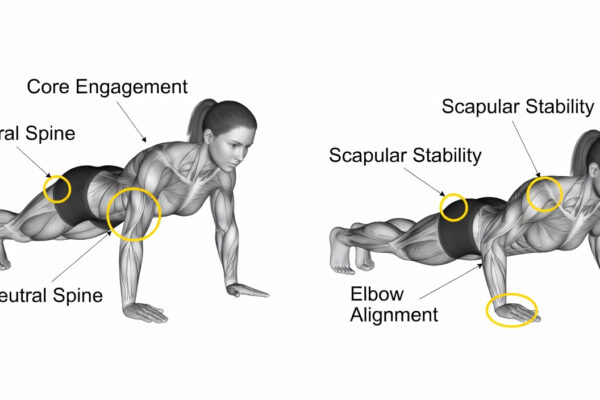
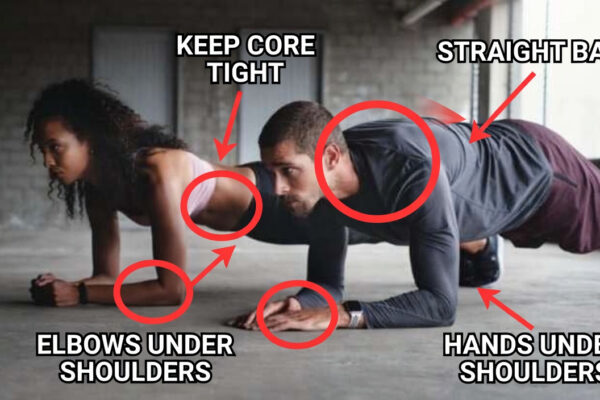
A simple way to activate your core is to tighten your midsection the same way you would before coughing. Hold that gentle contraction for 10–15 seconds. This can help strengthen your abdominal muscles. Some back exercises can also work your core.
7. Hand and Wrist Exercises
Typing, scrolling, and using a mouse all day can put repeated stress on your hands and wrists. As time goes on, pain can increase, movement may feel limited, and grip strength can weaken. This is a common problem for office workers and gamers, and it can affect daily life. If ignored, it can become more serious.
To reduce built-up tension, try:
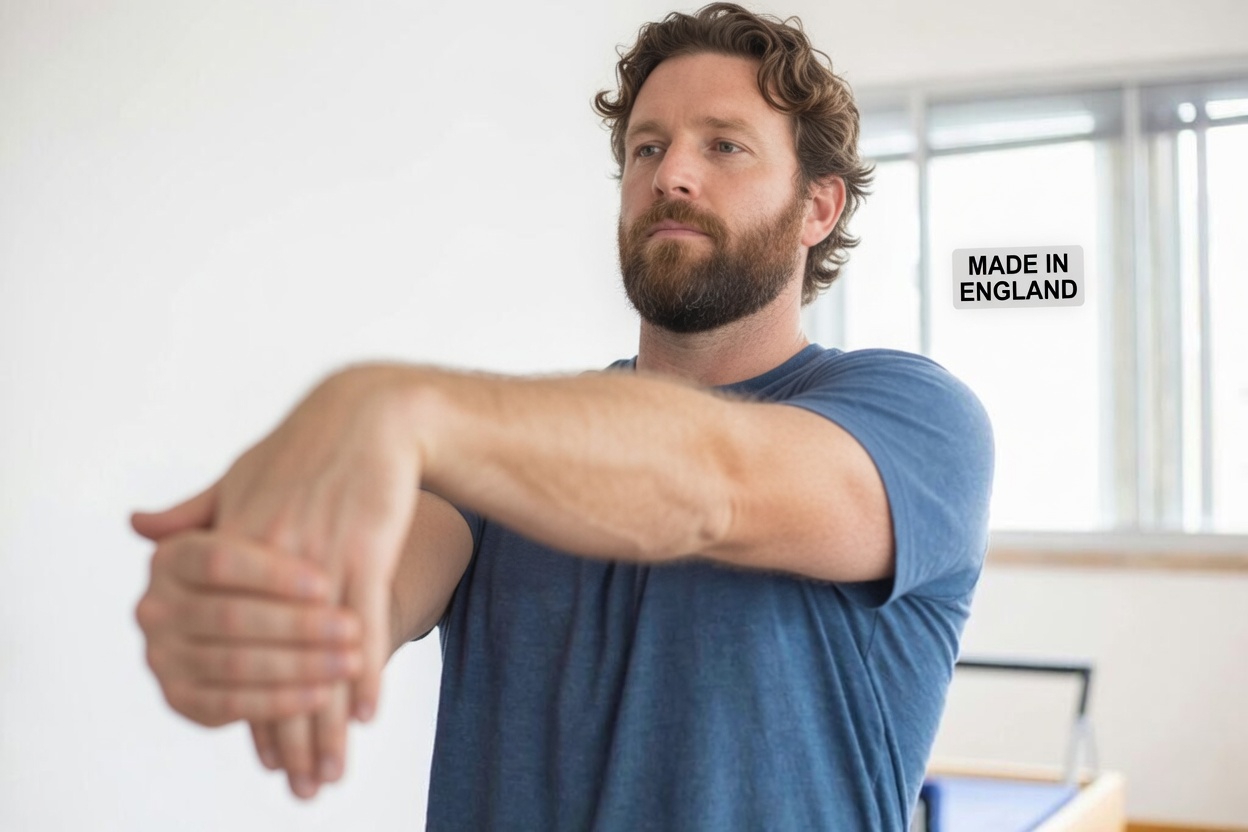
- Clasping your hands together and extending them outward with your palms facing away
- Rotating your wrists slowly throughout the day
These easy stretches can help reduce strain while you work.
8. Quick Movement Breaks
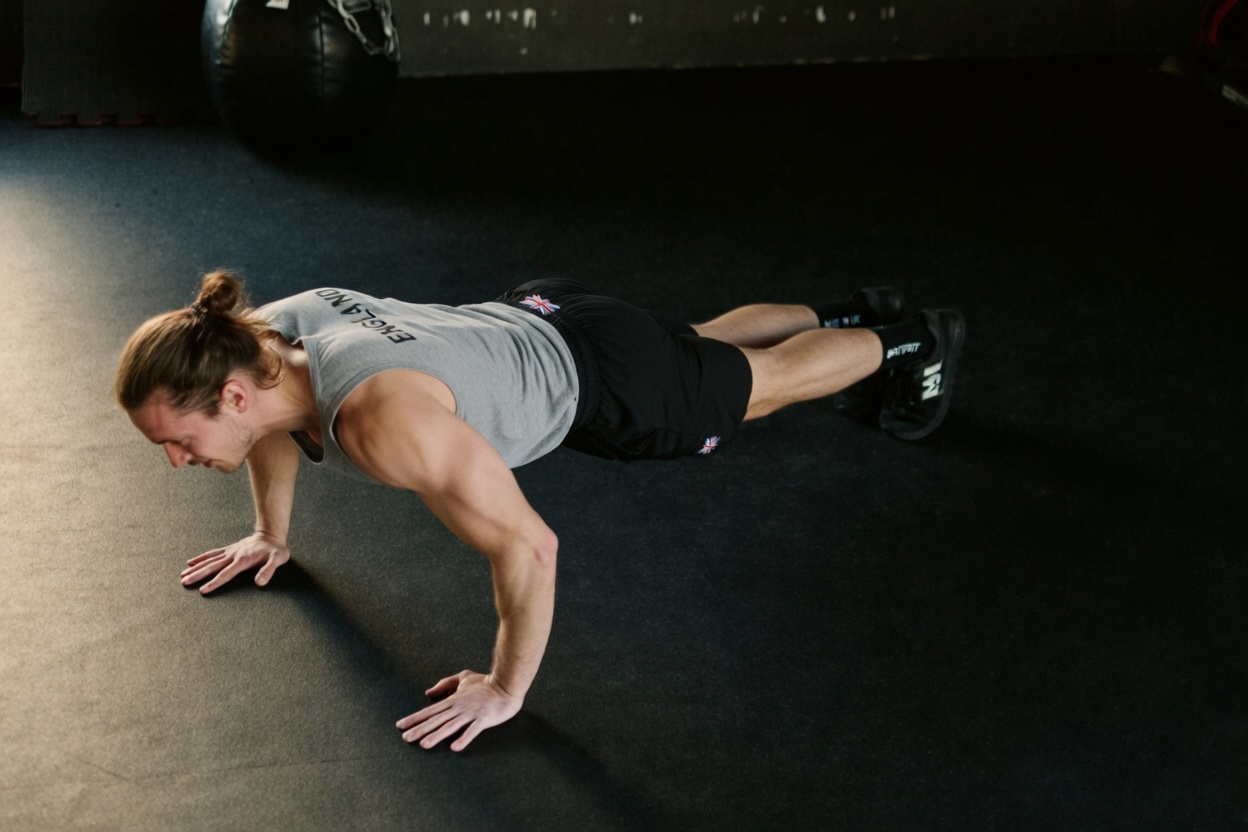
When your body stays in one position for too long, it starts to feel sluggish. Joints may stiffen, muscles can tighten, and your focus and energy may drop. Over time, this can contribute to chronic pain and lethargy.
Short movement breaks can make a real difference. You can try:
- Stretching your arms overhead
- Touching your toes
- Taking a quick walk
- Doing light yoga
- Using wall stretches
These brief breaks can refresh your body, help you refocus, and support better long-term comfort.
Make Small Movements a Daily Habit
Your body was not meant to remain still for hours at a time. Work and entertainment may keep you seated, but adding small movements to your day can help you feel better without changing everything at once.
You do not need intense workouts or major lifestyle changes. What matters most is being consistent. Simple exercises done regularly can help reduce pain, improve mobility, and make daily life more comfortable over time.

Final Thoughts
If you spend most of your day sitting, your body may already be showing signs of strain. The cause is often prolonged stillness, poor posture, and lack of movement. The solution can be much simpler than many people think: gentle, regular exercises built into your routine.
By stretching your neck, shoulders, back, hips, legs, core, hands, and wrists—and by taking quick movement breaks—you can help offset the effects of too much sitting and support your overall comfort.
Consult a healthcare professional before making changes.