Biden Issues Late Pardons to Protect Allies, but Legal Risks Remain
In a series of last-minute presidential pardons intended to protect political allies from potential retaliation by President-elect Donald Trump, President Joe Biden granted clemency to a small group of high-profile figures. Even so, the decision may create new legal and political complications for those who received the pardons.
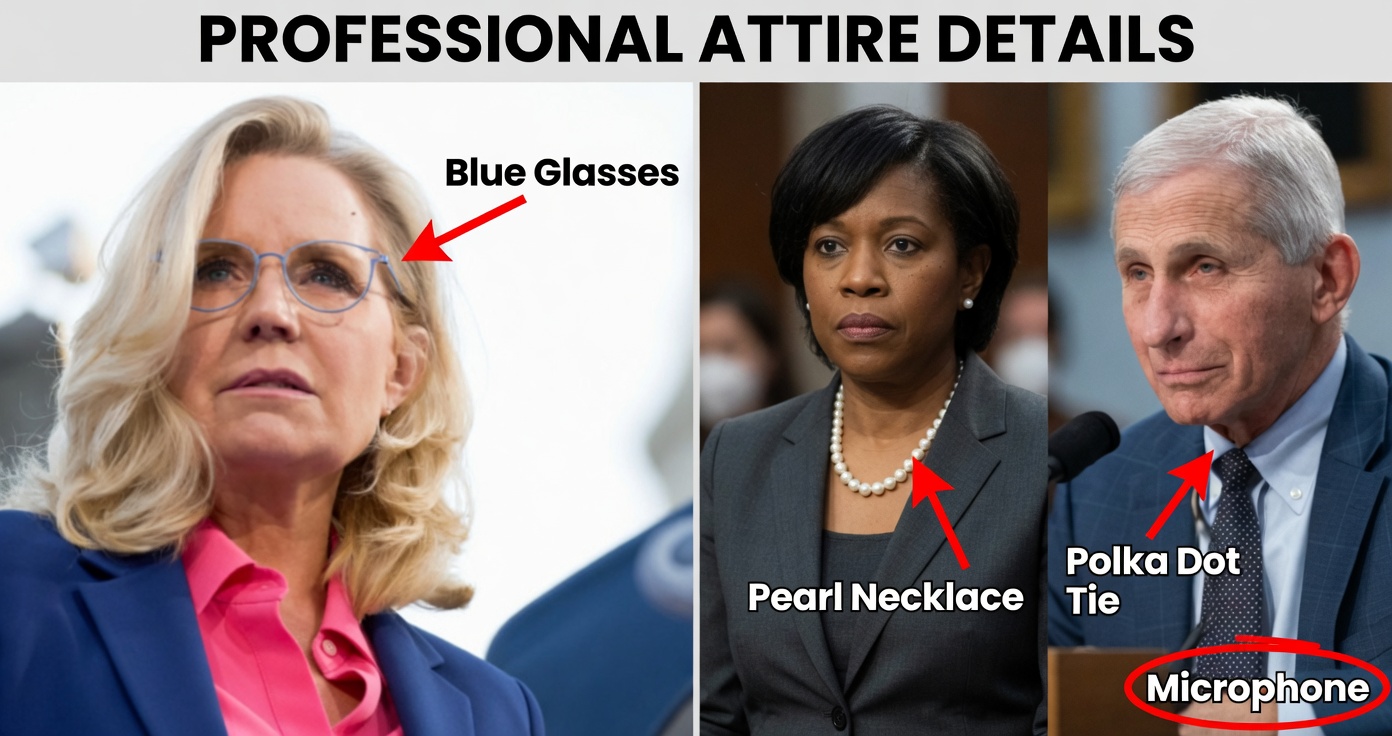
Among the recipients were former Wyoming Republican Representative Liz Cheney, a co-chair of the Jan. 6 Committee, and Dr. Anthony Fauci. According to Biden’s aides, the pardons were designed to reduce the likelihood of punitive actions by Trump or his incoming administration.
Pardons Don’t Automatically Remove the Obligation to Testify
Legal analysts quickly noted an important limitation: a presidential pardon does not prevent someone from being required to testify under oath if they are subpoenaed. If Cheney or Fauci were called before a court or a GOP-led Congress, the pardons would not exempt them from appearing and answering questions.
Federal litigation attorney Jesse Binnall emphasized that clemency would not protect anyone from consequences related to false testimony. He argued that if Congress subpoenas the pardon recipients and they lie under oath, they could still face legal exposure for perjury or related offenses.
In a post on X, Binnall claimed the pardons could be beneficial for those seeking accountability because, in his view, recipients may no longer be able to rely on the Fifth Amendment in civil, criminal, or congressional proceedings to avoid answering questions.
He also raised concerns about Washington, DC, as a venue for potential prosecutions, arguing it is unlikely to convict “partisan leftists,” and suggesting that this could affect outcomes in cases involving alleged perjury.
Calls to Move Testimony Outside Washington, DC
Some commentators on X proposed avoiding Washington, DC altogether for depositions and hearings. Retired U.S. Army officer, lawyer, and author Kurt Schlichter argued that testimony should be taken in jurisdictions outside the capital, describing DC as a biased venue that would not convict Democrats for perjury. He urged lawmakers to “take this show on the road.”
Other Notable Recipients: Mark Milley and Jan. 6 Committee Members
The list of Sunday night pardons reportedly also included former Joint Chiefs of Staff Chairman and U.S. Army Gen. Mark Milley, who later publicly criticized Trump during his first term, as well as other members of the Jan. 6 Committee.
Trump Criticizes the Pardons and Targets Cheney by Name
Trump addressed Biden’s pardon decisions while signing executive orders in the Oval Office on Monday between inauguration-related events. Speaking to reporters, he criticized the pardons for individuals he described as guilty of serious wrongdoing and referred to the Jan. 6 panel as an “unselect committee” driven by politics.
Trump specifically questioned why Biden would pardon Milley and Cheney, then launched into personal attacks against Cheney, calling her “a disaster” and using disparaging language to describe her demeanor.
A Pardon May Not Cover Future or Unspecified Crimes
Former Arizona state legislature candidate Josh Barnett (R) argued in a lengthy X post that broad presidential pardons do not necessarily protect someone from every possible offense. He said pardons generally apply to specific crimes committed before the pardon is issued, not to conduct uncovered later or to new offenses committed afterward.
Barnett suggested that if someone were later found guilty of treason after being pardoned for earlier conduct, the earlier pardon would not automatically apply to that new charge. He appeared to reference reports that Milley contacted his Chinese counterpart near the end of Trump’s first term and allegedly said he would warn China of any pending U.S. attack.
Barnett’s central point was that pardons typically cover only offenses explicitly included—or clearly understood to be included—at the time clemency is granted, meaning later-discovered or later-committed acts would not necessarily be shielded.