20-Minute Dumbbell Arm Workout for Size, Strength, and a Great Pump
Are you searching for effective arm workouts that deliver a serious muscle pump? If yes, this guide is for you.
Well-defined, powerful arms are not only visually impressive, but strong muscles also play an important role in overall health and long-term function. The challenge is that online fitness advice is often confusing, inconsistent, or simply unreliable.
To make things easier, this guide breaks down the essentials of arm training and gives you a simple, effective routine to help build the arms you want.
Even better, the workout takes just 20 minutes, so it can fit into almost any schedule.
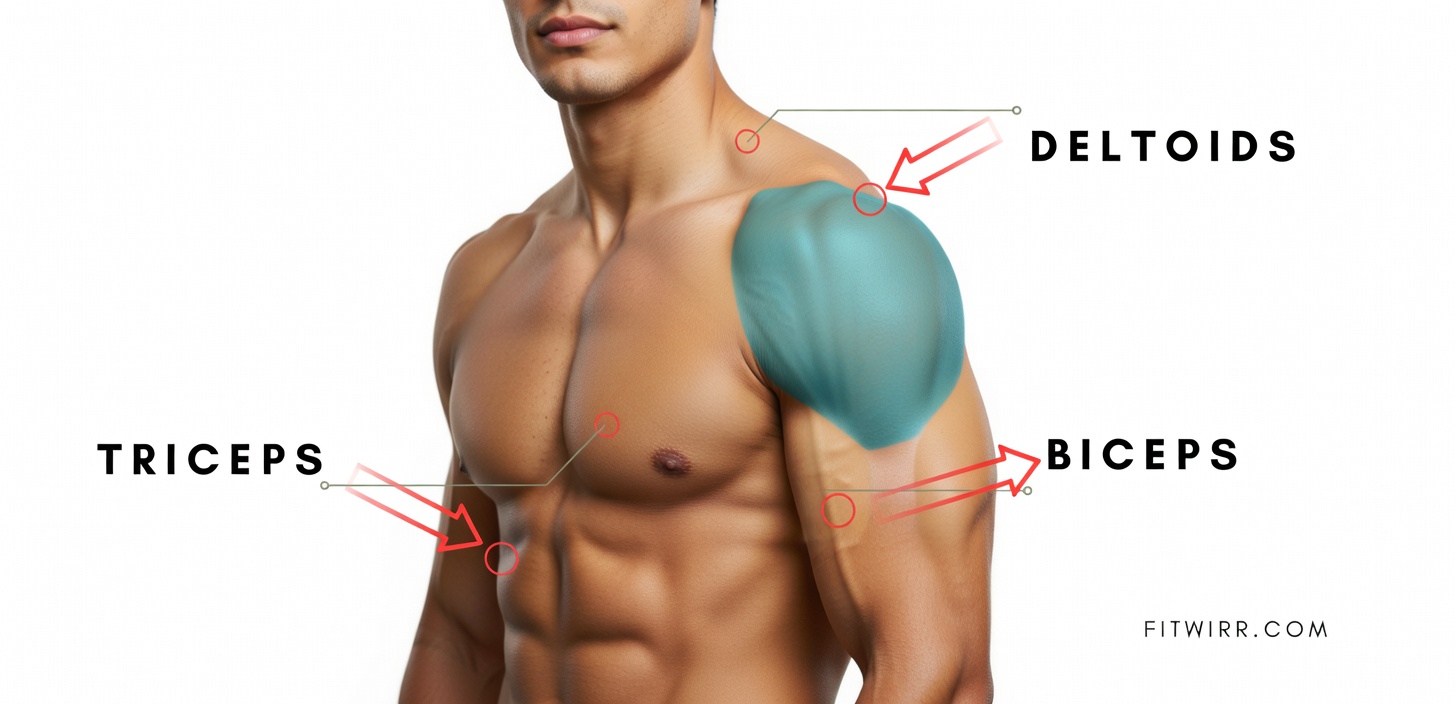
Basic Arm Anatomy You Should Know
Before jumping into training, it helps to understand the main muscles involved. You do not need expert-level anatomy knowledge, but knowing the primary arm muscles can make your workouts more effective.
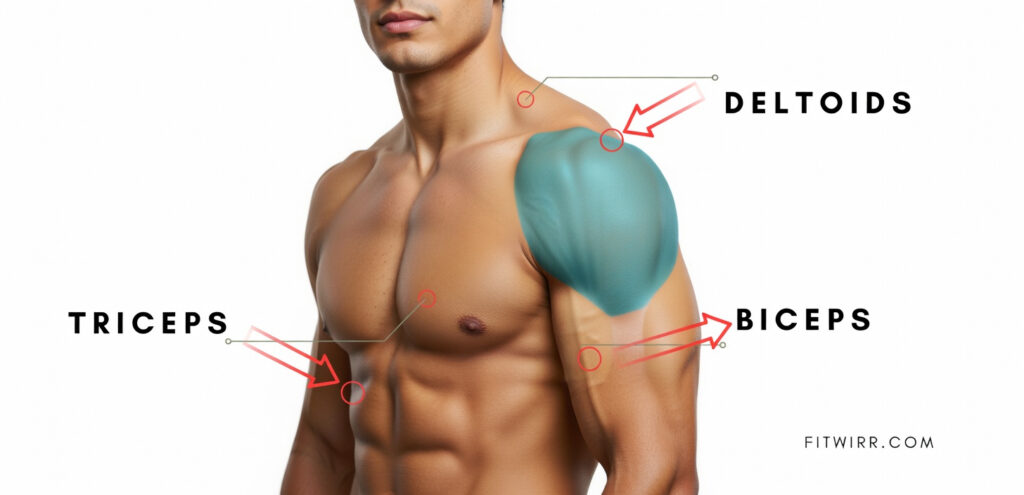
Deltoids
The deltoids are the rounded muscles covering the shoulders. They have three heads and are among the most visible upper-body muscles when developed properly. Strong delts help create broader shoulders and support many pressing and lifting movements.
Biceps
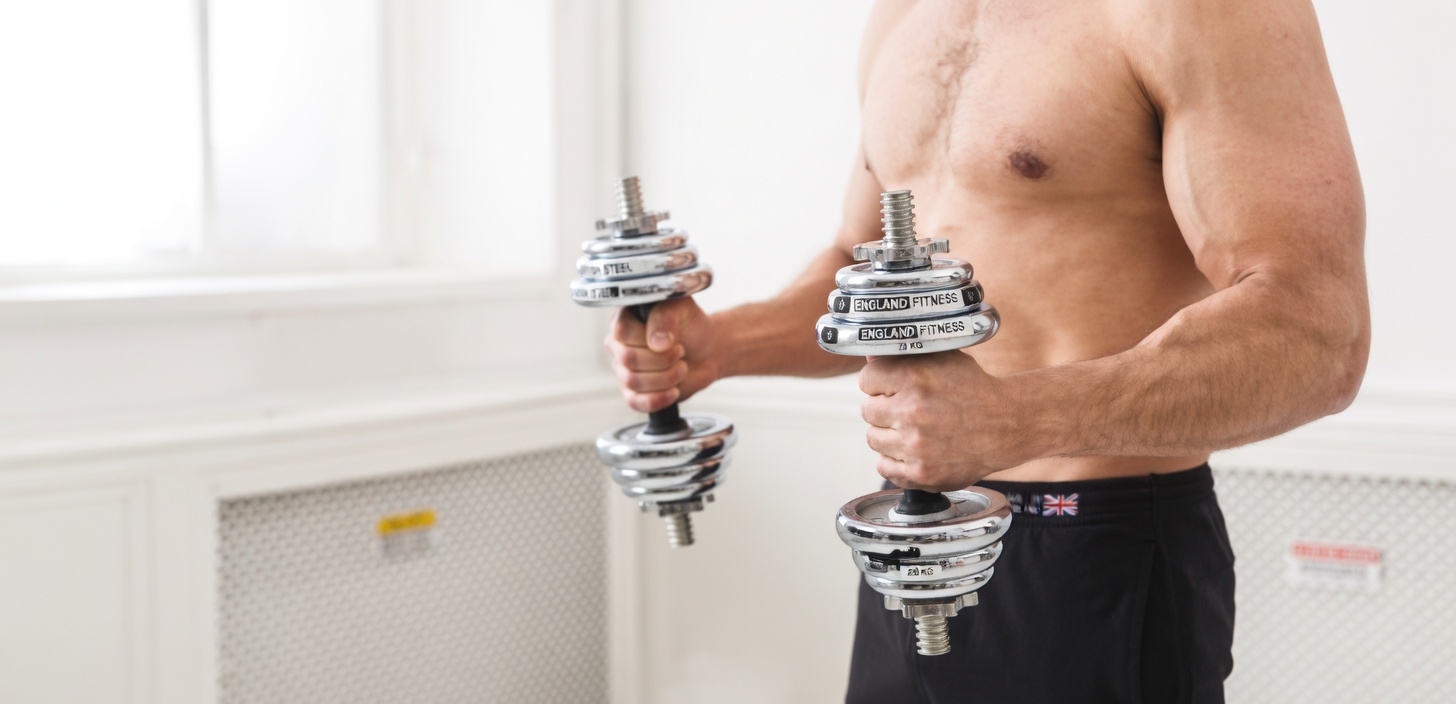
The biceps brachii, usually called the biceps, sit on the front of the upper arm. This muscle helps with pulling actions and elbow flexion, which means bending the arm.
It is often one of the first muscles people focus on when they begin lifting. Classic bodybuilding poses have made the biceps a symbol of upper-body strength for decades.
Triceps
On the back of the upper arm are the triceps brachii, a large muscle with three heads. The triceps are heavily involved in pressing and pushing movements.
If your goal is to build bigger arms, do not ignore this muscle. The triceps actually make up a large portion of the upper arm’s total size.
How to Build Bigger and Stronger Arms
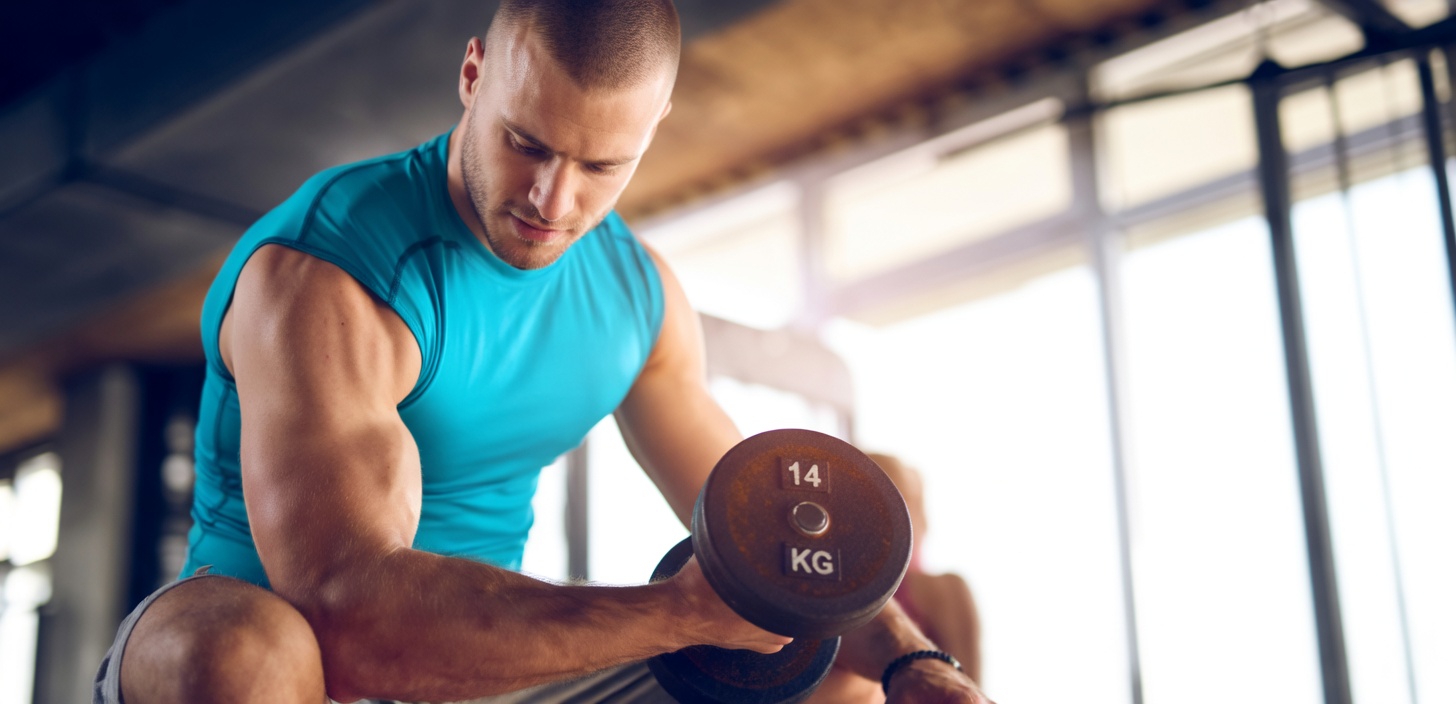
The scientific term for muscle growth is hypertrophy. To increase muscle size, you need a training plan that applies progressive overload, meaning you gradually ask your muscles to do more over time.
That could include:
- Increasing weight
- Doing more reps
- Improving control and technique
- Adding training volume gradually
Nutrition also matters if you want to maximize muscle growth, but diet is beyond the scope of this article.
How Often Should You Train Arms?
Research suggests that training a muscle group around 2 to 3 times per week may be ideal for hypertrophy. Still, not everyone has enough time for that kind of schedule.
The good news is simple: any amount of resistance training is better than none. Even if you can train only once a week, you can still make progress.
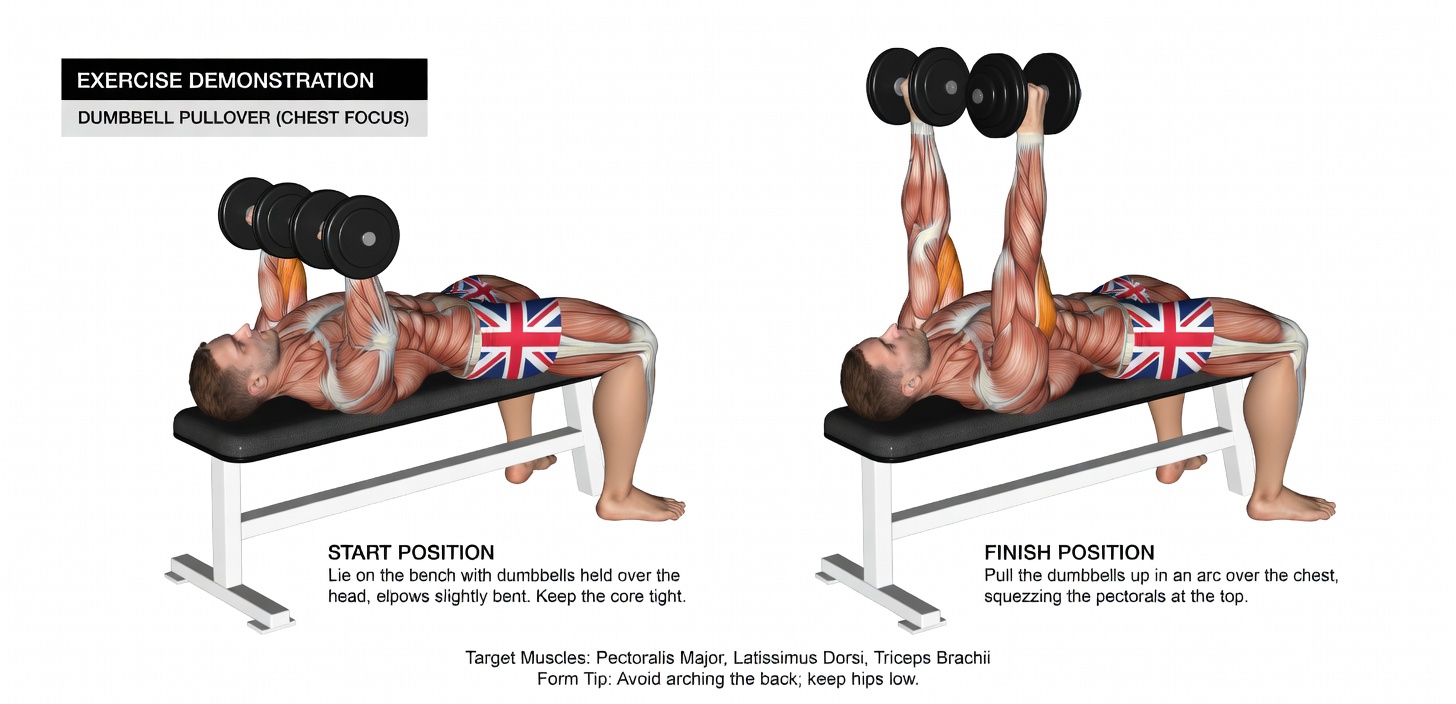
Below is a sample 3-day workout split for arm development. This is for educational purposes only, and you should speak with a qualified healthcare professional before starting a new exercise program.
Sample Weekly Arm Workout Schedule
Monday
Chest, triceps, biceps
- Many chest exercises also recruit the triceps and parts of the shoulders.
Wednesday
Back, triceps, biceps
- Back workouts often involve the biceps and additional shoulder support.
Friday
Legs, triceps, biceps, shoulders
- Leg day can also be a good time to include shoulder accessory work that may not fit well on chest or back days.
20-Minute Dumbbell Arm Workout
Now let’s get into a fast and effective dumbbell arm workout designed to leave your arms tired, full, and pumped.
This routine is done as a circuit.
How the Circuit Works
Follow this sequence:
- Perform Exercise 1
- Rest for 30 seconds
- Perform Exercise 2
- Rest for 30 seconds
- Continue the same pattern through Exercises 1 to 5
Completing all five exercises once is one round. You will perform 3 total rounds.
Weight and Reps
Choose a weight that causes fatigue or a noticeable drop in form at around 10 to 12 reps.
Workout Goal
This routine is designed to improve:
- Muscle hypertrophy
- Muscular endurance
Equipment Needed
- Dumbbells
- Bench
1. Skull Crushers
This move primarily targets the triceps and is excellent for building arm strength, stability, and size.
How to Do It
- Lie flat on a bench.
- Hold one dumbbell with both hands and extend your arms toward the ceiling.
- Slowly lower the weight toward or just behind your head by bending your elbows.
- Extend your elbows to return to the starting position.
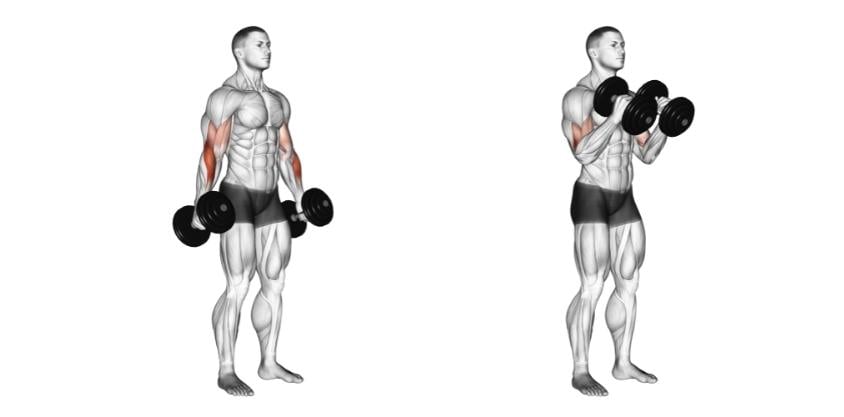
2. Hammer Curls
Hammer curls are a highly effective variation of the standard curl. They train the biceps, brachialis, and brachioradialis.
How to Do It
- Stand with a dumbbell in each hand using a neutral grip, with palms facing each other.
- Start with the weights at your sides.
- Curl one dumbbell upward by bending the elbow.
- Lower it slowly and repeat on the other side.
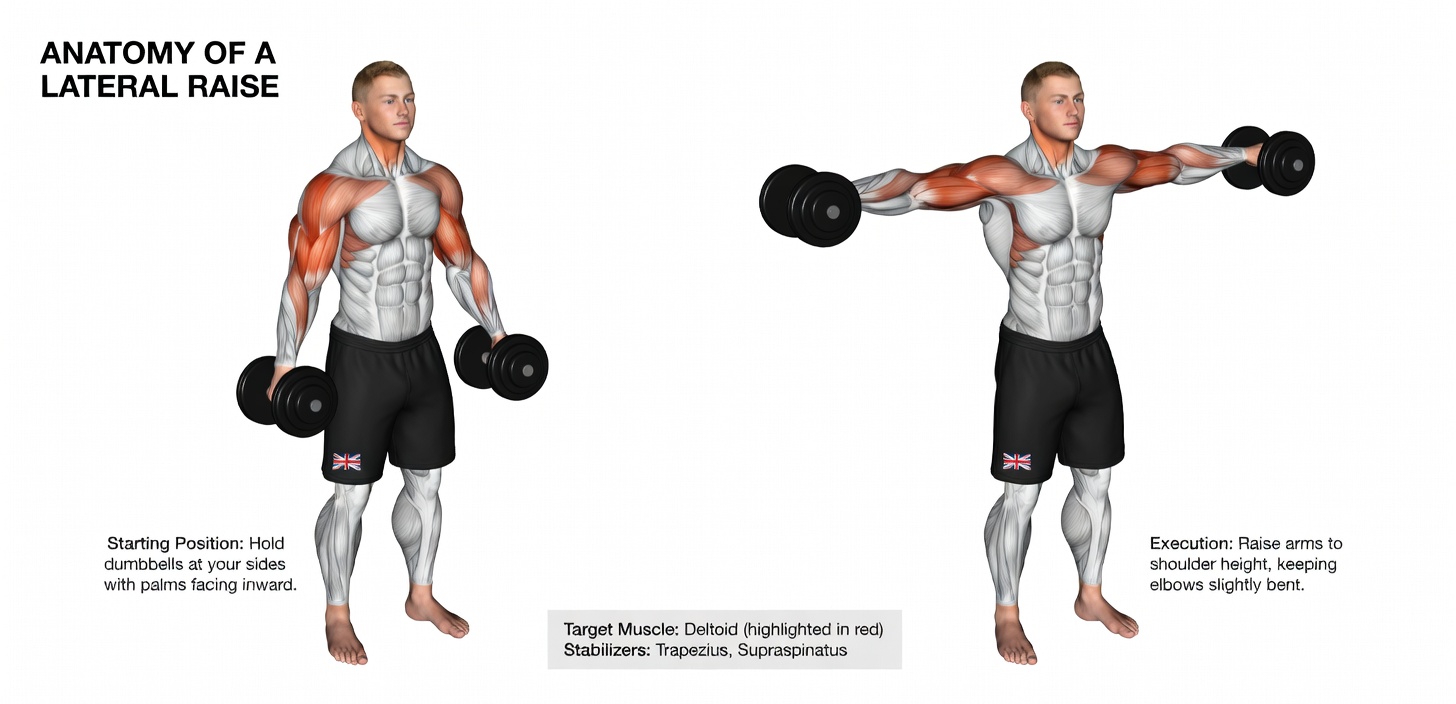
3. Lateral Raises
Lateral raises are a classic shoulder-building exercise and one of the best ways to isolate the deltoids.
How to Do It
- Stand upright with dumbbells at your sides.
- Raise both arms out to the sides until the weights reach shoulder height.
- Lower the weights slowly back to the starting position.
- Repeat for the desired reps.
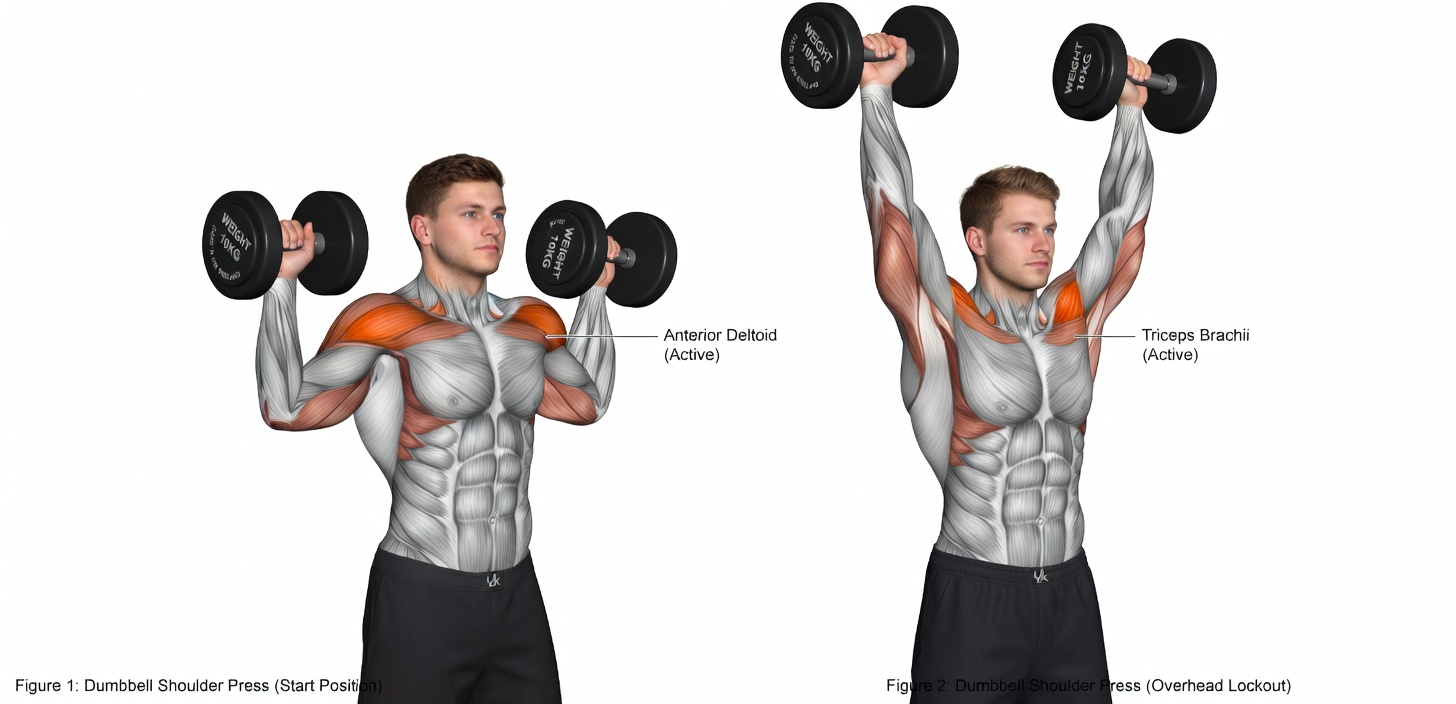
4. Shoulder Press
The shoulder press is a compound exercise that works the deltoids, triceps, and traps.
How to Do It
- Sit or stand with dumbbells held at shoulder level.
- Press both weights overhead until your arms are extended.
- Lower them under control back to shoulder height.
- Continue until the set is finished.
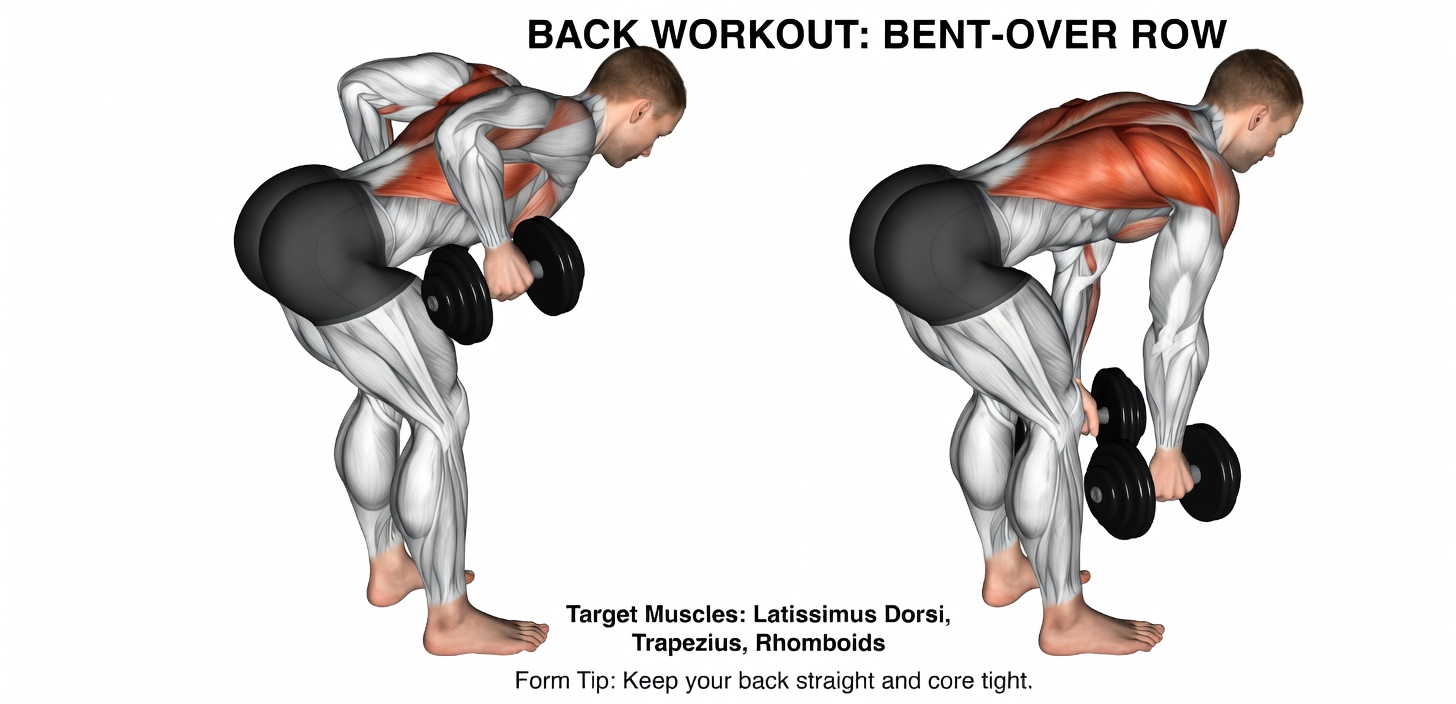
5. Bent-Over Row
The bent-over row is another compound movement that targets muscles such as the rhomboids and biceps, making it a valuable addition to an arm-focused routine.
How to Do It
- Hinge slightly at the waist and let the dumbbells hang toward the floor.
- Pull the weights up toward your chest.
- Lower them slowly back down.
- Repeat until the set is complete.
Final Thoughts on This Dumbbell Arm Workout
You now have a practical, science-informed dumbbell arm workout that can help improve arm size, strength, and endurance in just 20 minutes.
If all the information feels overwhelming, keep these key ideas in mind:
- A short workout is always better than no workout
- Small improvements over time lead to real progress
- If you need guidance, ask a coach, trainer, or qualified professional
Stay consistent, train with good form, and enjoy the process.
Related Arm Training Articles
- How to Do a Lying Tricep Extension With Dumbbell and Barbell
- 15 Best Arm Workouts for Women
- 7 Best Exercises for Flabby Arms (Bat Wings) – Arm Jiggles
References
-
McLeod, M., Breen, L., Hamilton, D. L., & Philp, A. (2016). Live strong and prosper: the importance of skeletal muscle strength for healthy ageing. Biogerontology, 17(3), 497–510. https://doi.org/10.1007/s10522-015-9631-7
-
Krzysztofik, M., Wilk, M., Wojdała, G., & Gołaś, A. (2019). Maximizing muscle hypertrophy: a systematic review of advanced resistance training techniques and methods. International Journal of Environmental Research and Public Health, 16(24), 4897. https://doi.org/10.3390/ijerph16244897
-
Peterson, M. D., Pistilli, E., Haff, G. G., Hoffman, E. P., & Gordon, P. M. (2011). Progression of volume load and muscular adaptation during resistance exercise. European Journal of Applied Physiology, 111(6), 1063–1071. https://doi.org/10.1007/s00421-010-1735-9
-
Slater, G. J., Dieter, B. P., Marsh, D. J., Helms, E. R., Shaw, G., & Iraki, J. (2019). Is an energy surplus required to maximize skeletal muscle hypertrophy?