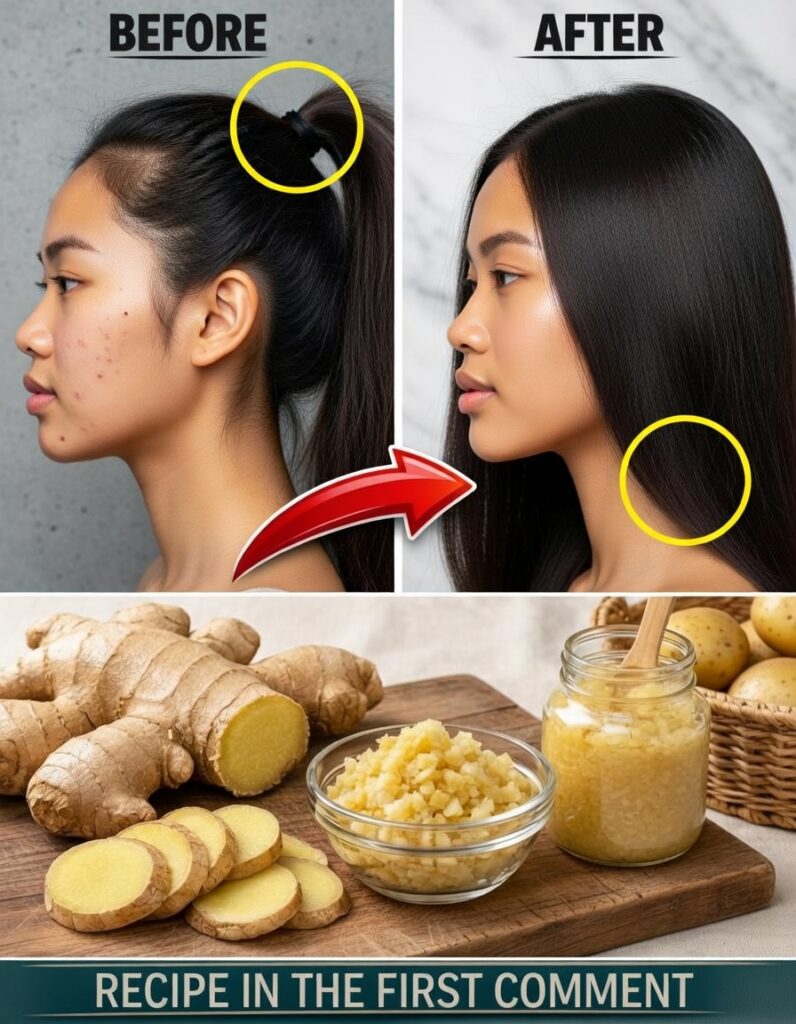
Potato and Ginger for Skin Brightening: What Really Works?
Many people look for natural ways to deal with dull skin, dark spots, and uneven tone, often turning to simple kitchen ingredients like potato and ginger for homemade masks and juices.
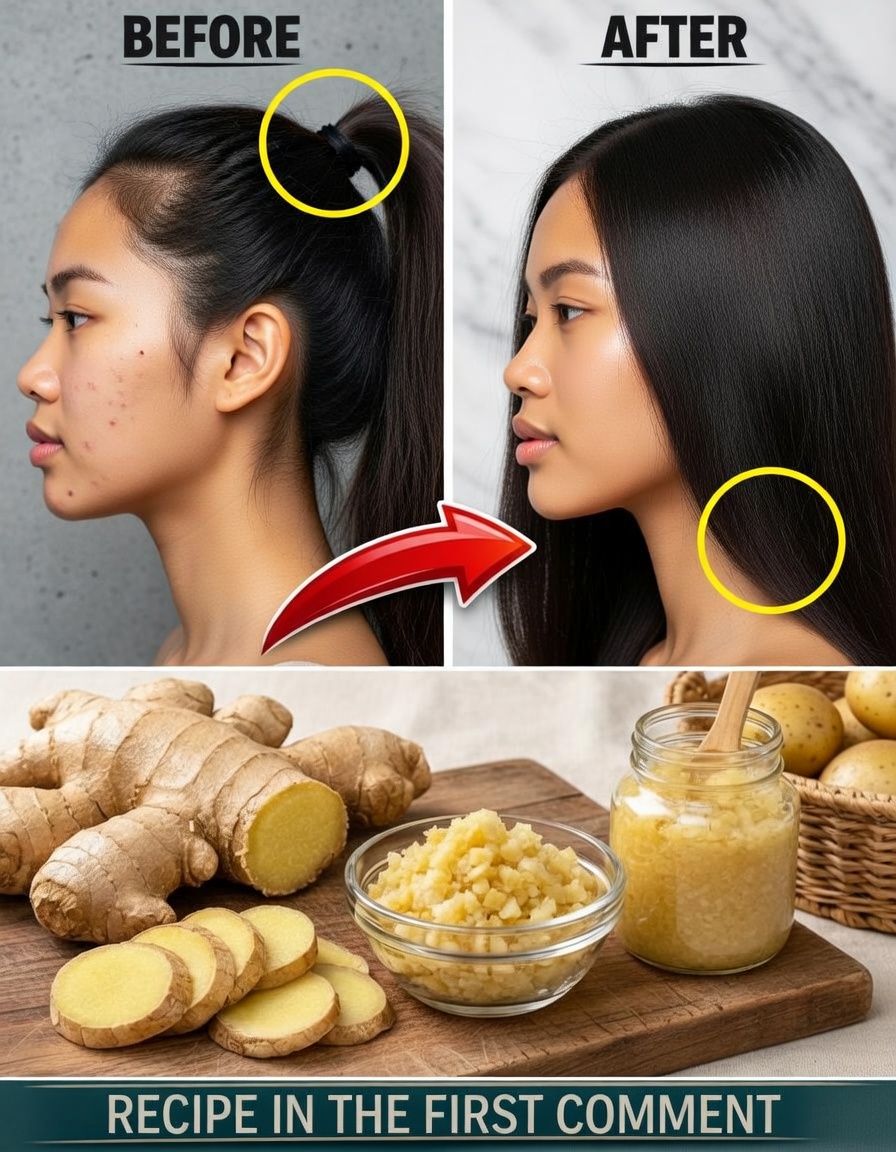
Viral beauty trends frequently claim that these ingredients can “whiten” or “brighten” the skin quickly thanks to their enzymes and antioxidants. However, current scientific evidence is limited and mostly anecdotal, meaning results are not guaranteed and are usually modest.
Potatoes contain an enzyme called catecholase, which is sometimes described as mildly brightening, along with vitamin C. Ginger is rich in gingerol, a compound with anti-inflammatory properties. Used together in skincare, they may help soothe and lightly hydrate the skin, giving it a fresher look over time. Still, there are no strong clinical studies proving fast or dramatic effects on hyperpigmentation or overall skin tone.
In practice, any improvements tend to be subtle, vary from person to person, and should be combined with daily sun protection and dermatologist-approved treatments for best results.
Mild Potential Skin Benefits of Potato and Ginger
Potato for Skin
- Contains catecholase and vitamin C
- May slightly help fade dark spots or uneven pigmentation over time
- Vitamin C can support collagen production and overall skin health
Level of evidence: Limited / anecdotal. Potato is mentioned in traditional skincare, but strong clinical proof of a brightening effect is lacking.
Ginger for Skin
- Rich in gingerol, a natural anti-inflammatory compound
- May help reduce redness and soothe irritated areas
- Can temporarily boost radiance by supporting microcirculation at the skin’s surface
Level of evidence: Preliminary. Most data come from lab and early-stage studies, not large human trials.
Combined Potato & Ginger Mask
When used together in a mask or toner, potato and ginger may offer:
- A soothing and lightly hydrating effect
- Mild antioxidant action that helps protect the skin from oxidative stress
- A gentle, gradual brightening potential rather than a strong bleaching effect
Summary Table: Potato vs. Ginger for Skin
| Ingredient | Key Compound(s) | Potential Skin Support | Level of Evidence |
|---|---|---|---|
| Potato | Catecholase, Vitamin C | Slight fading of pigmented spots, gentle brightening | Limited / Anecdotal |
| Ginger | Gingerol | Reduced inflammation, improved glow and radiance | Preliminary / In vitro |
Simple DIY Recipes to Try (Use 1–2 Times Per Week)
Important: Always perform a patch test on a small area of skin at least 24 hours before applying any new mixture to your face or larger areas.
1. Potato & Ginger Face Mask
- Grate 1 medium potato.
- Grate about 2–3 cm (1 inch) of fresh ginger.
- Mix them together. Optional: add a small amount of honey or plain yogurt for extra moisture.
- Apply a thin layer to clean skin.
- Leave on for 15–20 minutes.
- Rinse off with cool or lukewarm water and pat dry.
2. Potato Juice Toner with Ginger
- Blend or juice 1 potato and strain to collect the juice.
- Add a few drops of fresh ginger juice.
- Apply to the skin using a cotton pad.
- Leave on for around 10 minutes, then rinse thoroughly.
3. Chilled Potato Slices with Ginger
- Cut thin slices of potato and chill them in the refrigerator.
- Lightly rub a bit of freshly grated ginger over the slices.
- Place the prepared slices on the skin for a few minutes, then remove and rinse.
Key Tips for Using Potato and Ginger on Skin
- Always use fresh ingredients for best results.
- Avoid the eye area, which is more delicate and prone to irritation.
- Follow up with a gentle moisturizer after rinsing off any mask or toner.
- Use broad-spectrum sunscreen (SPF) every day, especially when targeting dark spots or uneven tone.
- Seek advice from a dermatologist if you have persistent pigmentation, melasma, or other skin concerns.
Precautions and Possible Risks
- Potato is generally well tolerated but can irritate sensitive or reactive skin in some people.
- Ginger is quite potent and may cause stinging or redness if used undiluted; always dilute it in another ingredient (like potato, honey, yogurt, or water).
- Do not apply these mixtures on broken skin, cuts, or active rashes.
- Avoid adding lemon juice, as it can increase photosensitivity and risk of irritation or post-inflammatory hyperpigmentation when exposed to the sun.
Conclusion: What to Expect from Potato and Ginger for Skin
Potato and ginger can be part of a gentle, traditional DIY skincare routine that may help the skin look a bit brighter, calmer, and more refreshed over time. Their effects, however, are mild and gradual, not dramatic or instant.
For more visible results on dark spots, acne marks, or significant discoloration, it is best to combine these natural remedies with evidence-based treatments such as:
- Vitamin C serums
- Retinoids (over-the-counter or prescription)
- Dermatologist-guided treatments, including chemical peels, laser, or prescription creams
Used wisely and with proper sun protection, potato and ginger can complement — but not replace — proven professional skincare options.