Crunches vs. Sit-Ups: What’s the Difference and Which Is Better?
If you have ever compared crunches vs. sit-ups, you are not alone. Both are well-known ab exercises used to strengthen the core, and many people treat them as if they are the same move.
They are not.
While both exercises train the abdominal area, they do so in different ways. Crunches focus more directly on the core, while sit-ups involve a wider range of motion and recruit additional muscles throughout the body.
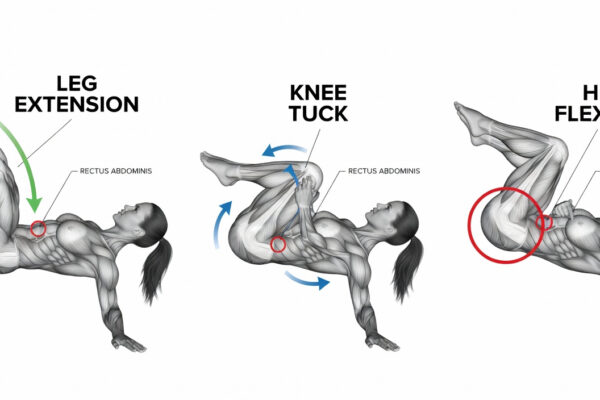
Sit-ups do more than challenge the abs. They also call on muscles such as the transverse abdominis, hip flexors, and lower back to complete the movement.
That does not mean one exercise is automatically better than the other. In fact, both crunches and sit-ups can be valuable additions to a balanced workout routine. They may also help support better posture when performed correctly.
Keep in mind, though, that if your goal is to lose belly fat or achieve a leaner stomach, ab exercises alone are not enough. You will also need:
- A healthy, calorie-aware diet
- Cardio training
- Strength training
- A consistent routine
In this guide, we will break down:
- What crunches are
- What sit-ups are
- Which muscles each exercise targets
- How to perform them with proper form
- Popular variations
- The real differences between sit-ups and crunches
You may also be interested in:
- The Best Exercises and Workouts to Lose Belly Fat
- 14 Best Ab Workouts for Men
- 25 Best Ab Workouts for Women
What Is a Crunch?
A crunch is a simple bodyweight core exercise that mainly targets the abdominal muscles. It is often recommended for beginners because it is easy to learn and does not require equipment.
Unlike a full sit-up, a crunch is an isolation movement. The idea is to contract the upper abdominal muscles to lift the head, neck, and shoulders slightly off the floor.
How to Do a Basic Crunch
Follow these steps for proper crunch form:
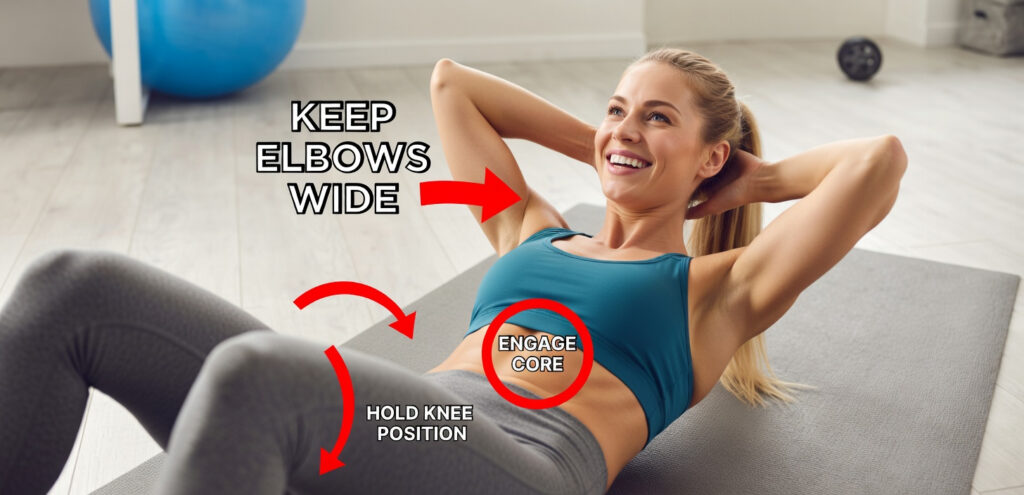
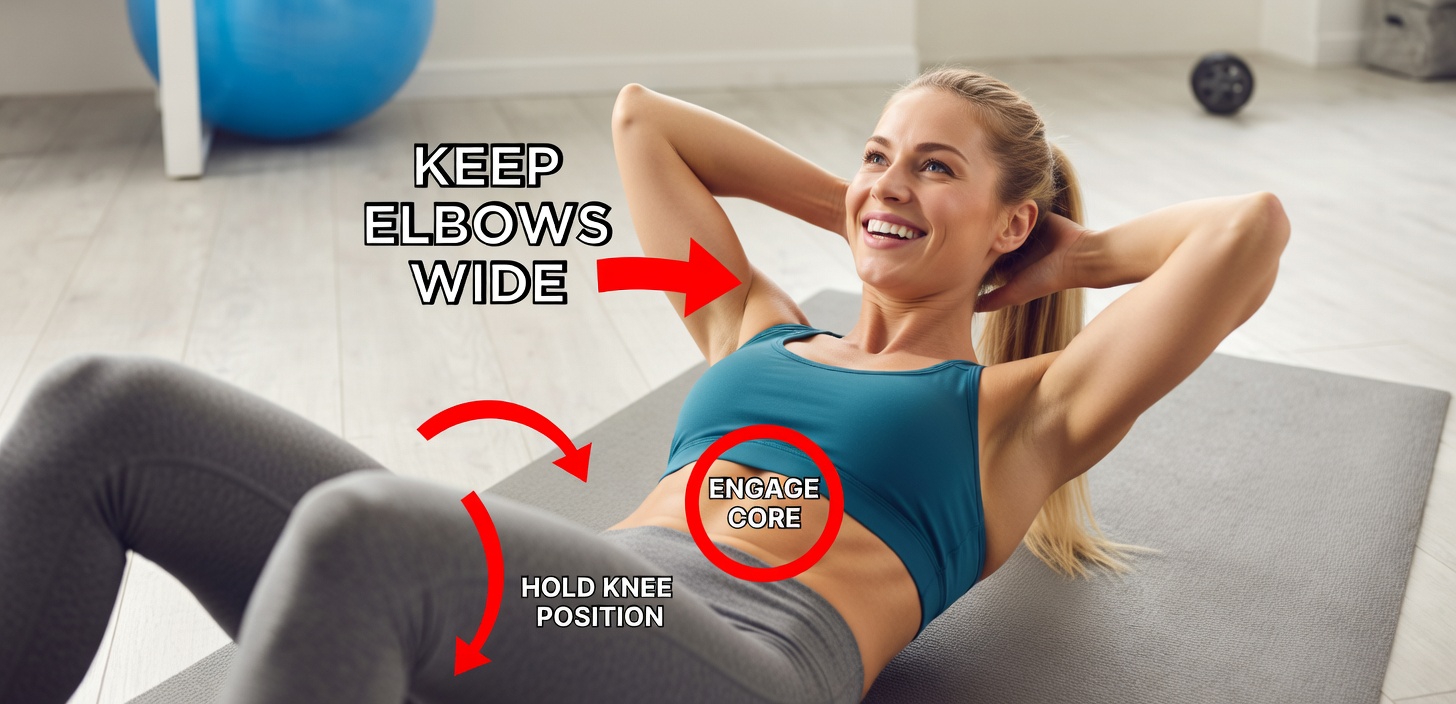
- Lie on your back.
- Bend your knees and place your feet flat on the floor, about shoulder-width apart.
- Put your hands behind your head, but do not interlace your fingers.
- Keep your elbows open and avoid pulling on your neck.
- Exhale as you engage your core and lift your head, neck, and shoulders off the ground.
- Focus on curling through your midsection rather than yanking upward.
- Inhale as you slowly lower back down.
Hand position matters. If placing your hands behind your head feels uncomfortable, you can place your arms across your chest instead.
Benefits of Crunches
Crunches are popular because they:
- Require no equipment
- Are beginner-friendly
- Help build abdominal awareness
- Emphasize the upper and middle abs
- Allow more control than sit-ups
Potential Drawbacks of Crunches
Crunches are effective, but they are not perfect. Because the movement is limited, they mainly target the upper portion of the abdominals. If you want to train the lower abs and obliques more fully, you should add other exercises such as:
- Planks
- Side planks
- Reverse crunches
- Bicycle crunches
Crunches can also create strain in the neck or back if done incorrectly.
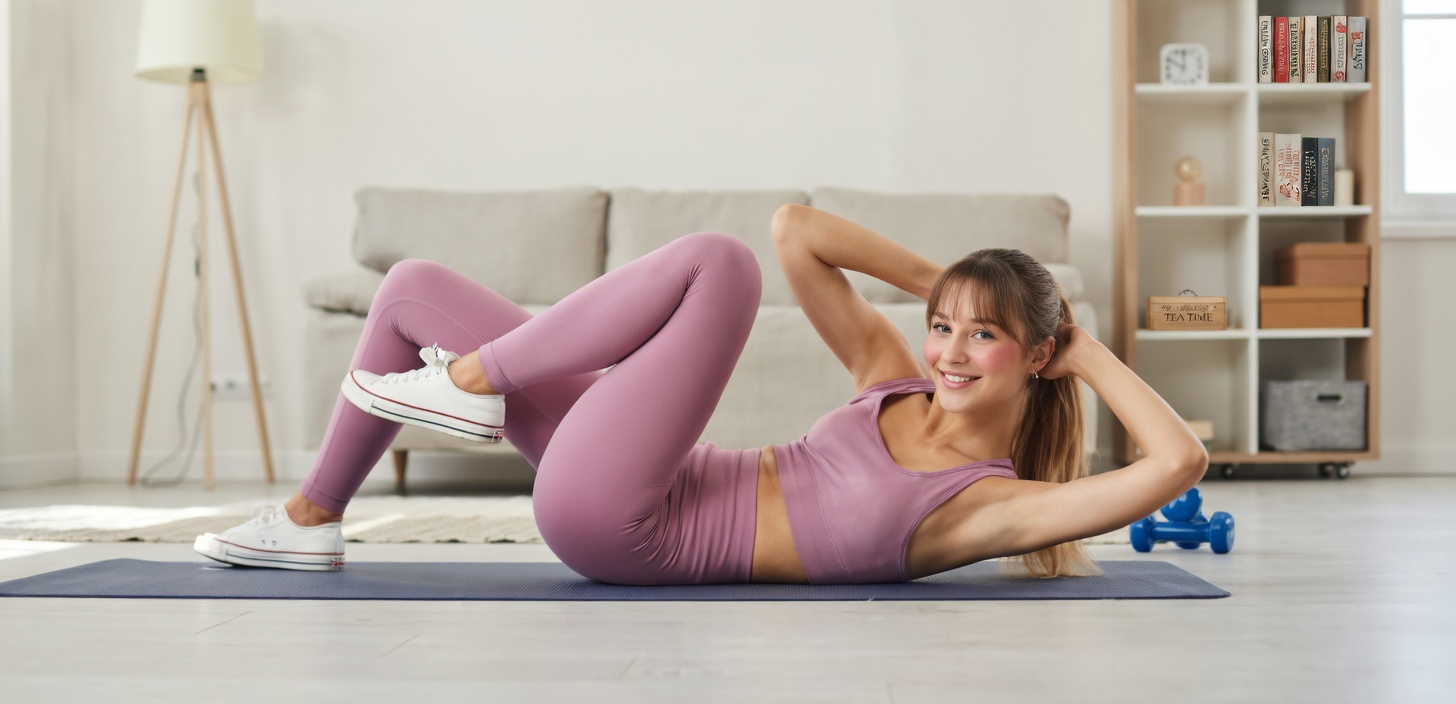
Types of Crunches
There are several ways to make crunches more varied and effective.
1. Basic Crunch
This is the standard version. You lift your upper back until your shoulder blades begin to come off the mat, then return with control.
2. Bicycle Crunch
The bicycle crunch adds rotation, making it useful for the obliques.
How to do it:
- Start in a crunch position
- Raise both legs to 90 degrees
- Keep your knees over your hips and your shins parallel to the floor
- Lift your head, neck, and shoulders
- Twist to bring your right elbow toward your left knee while straightening the right leg
- Return to center and repeat on the other side
3. Reverse Crunch
This variation shifts emphasis toward the lower abdominal area.
How to do it:
- Lie on your back with your arms by your sides
- Lift your legs so your knees are bent at 90 degrees
- Exhale and pull your knees toward your chest
- Lift your hips slightly off the floor
- Pause, then lower slowly
4. Stability Ball Crunch
You can also perform crunches on an exercise ball. This may feel easier on the back for some people while adding a balance challenge.
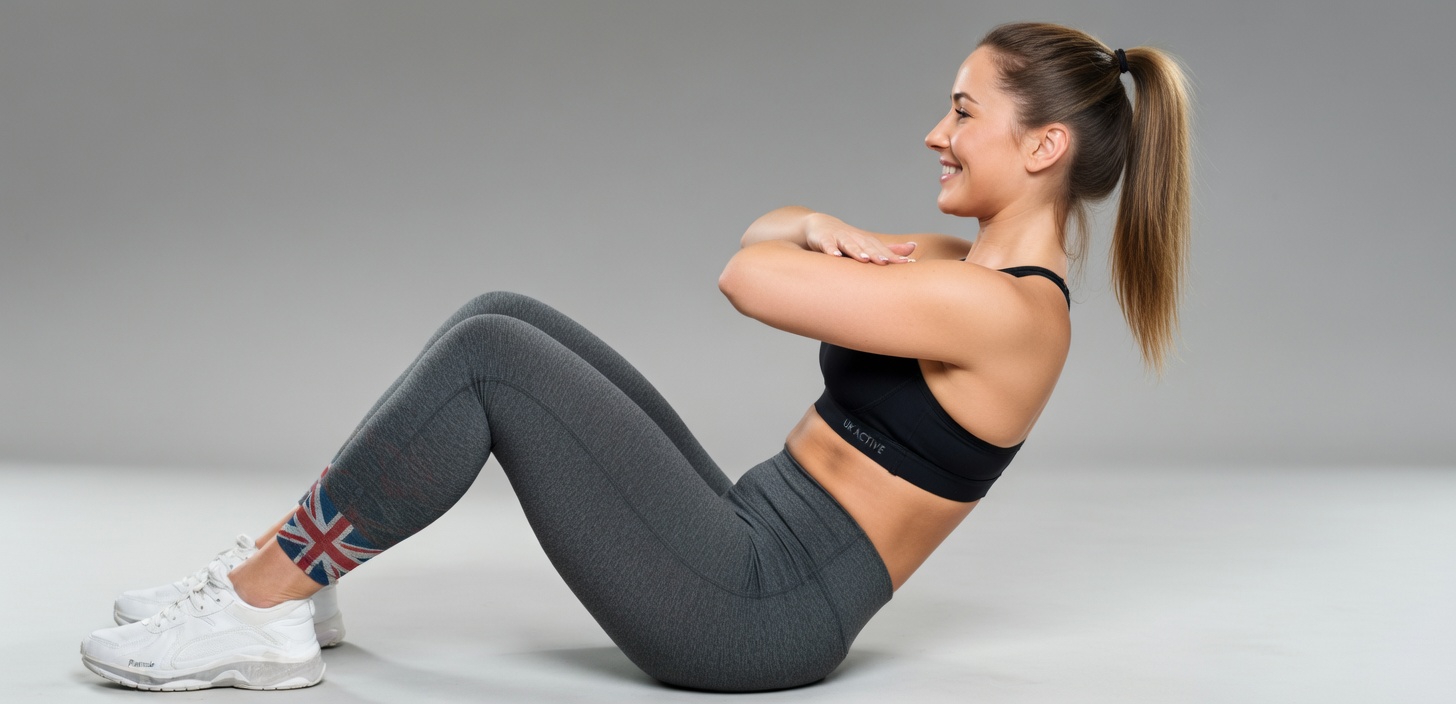
What Is a Sit-Up?
A sit-up is similar to a crunch, but the movement is much larger. Instead of lifting only your upper back, you raise your entire torso from the floor.
This added range of motion means sit-ups involve more muscles than crunches.
Muscles Worked During a Sit-Up
Sit-ups can activate:
- Rectus abdominis
- Internal obliques
- External obliques
- Hip flexors
- Iliopsoas
- Rectus femoris
- Lower back muscles
If your feet are anchored under a secure object, you may also involve parts of the lower legs.
Because more muscles contribute to the movement, sit-ups can be useful for building total trunk strength. However, they also come with a greater risk of strain, especially in the neck and lower back, if form is poor.
How to Do a Basic Sit-Up
Here is the correct setup:
- Lie flat on your back.
- Bend your knees and place your feet firmly on the floor.
- For added resistance, you can anchor your feet under a stable object.
- Place your hands behind your head.
- Exhale as you lift your torso off the floor.
- Continue curling upward until your full back leaves the mat.
- Move toward your knees in one smooth motion.
- Inhale as you slowly lower back down with control.
The key is to avoid jerking your body upward. Controlled movement helps reduce stress on the spine.
Types of Sit-Ups
There are several popular sit-up variations that can challenge your core in different ways.
1. Basic Sit-Up
This is the traditional version, where you lift your full torso from the ground and lower back down.
2. Frog-Leg Sit-Up
For this variation, bring the soles of your feet together and allow your knees to open out to the sides, forming a diamond shape with your legs.
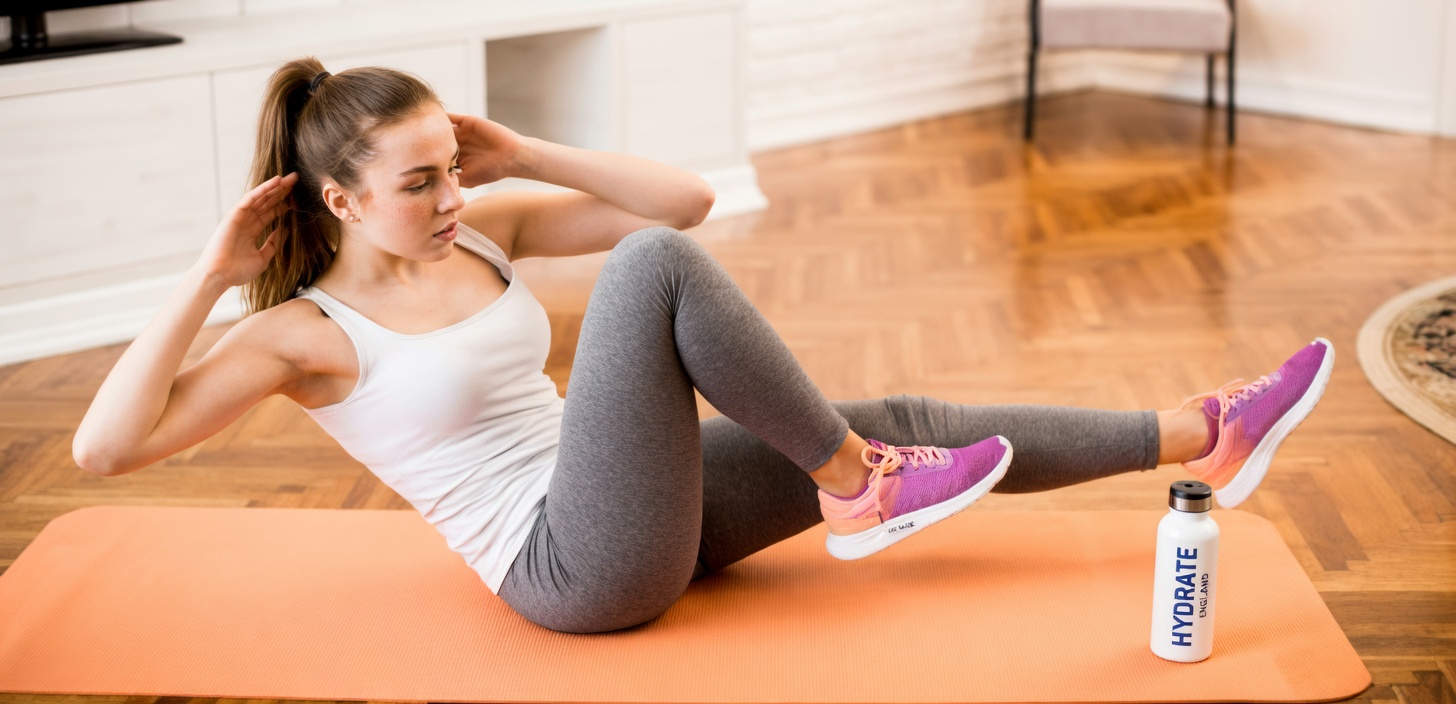
3. Running Man Sit-Up
This version adds a twisting, alternating pattern.
How to do it:
- Lie on your back with your legs extended
- As you sit up, bring your right elbow toward your left knee
- Return and repeat on the opposite side
4. V-Ups
V-ups are an advanced progression.
How to do it:
- Lie on your back with your legs straight
- Exhale and lift your upper body and legs at the same time
- Reach your fingertips toward your toes
- At the top, your body forms a V shape
Crunches vs. Sit-Ups: The Key Differences
Crunches and sit-ups may look similar, but they are not identical. The biggest distinction is how much of the body is involved.
1. Range of Motion
- Crunches: Only the upper portion of your spine lifts from the mat
- Sit-ups: Your entire torso rises, creating a much larger movement
2. Muscle Activation
- Crunches: Target the abdominal muscles more directly, especially the upper abs
- Sit-ups: Involve the abs, obliques, hip flexors, and lower back
3. Control
Crunches usually offer more control because the movement is smaller and easier to manage. That makes them a good choice for learning core engagement.
Sit-ups require greater coordination and body control, especially during the lowering phase.
4. Difficulty Level
- Crunches: Better suited for beginners
- Sit-ups: Often more appropriate for those wanting a bigger strength challenge
5. Stress on the Spine
Because crunches use a smaller range of motion, they generally place less pressure on the spine.
Sit-ups involve more spinal movement and may increase the risk of back discomfort or neck pain, particularly when performed too quickly or with poor technique.
6. Training Focus
Choose crunches if you want to:
- Focus on the upper abdominals
- Improve basic core strength
- Learn proper abdominal control
Choose sit-ups if you want to:
- Use a larger movement pattern
- Involve more muscle groups
- Build broader trunk strength
Sit-Ups vs. Crunches: Which Exercise Is Better?
So, which one wins in the crunches vs. sit-ups debate?
The honest answer is: it depends on your goals.
If your goal is to isolate the upper abs and develop core control, crunches are usually the better option.
If your goal is to use a larger range of motion and train the rectus abdominis, obliques, and supporting muscles, sit-ups may be the better fit.
For many people, the best strategy is not choosing one over the other. Instead, it makes sense to include both exercises in a well-rounded core workout.
This can be especially helpful if your goals include:
- Core strength
- Better posture
- Improved fitness
- A leaner midsection as part of a full training and nutrition plan
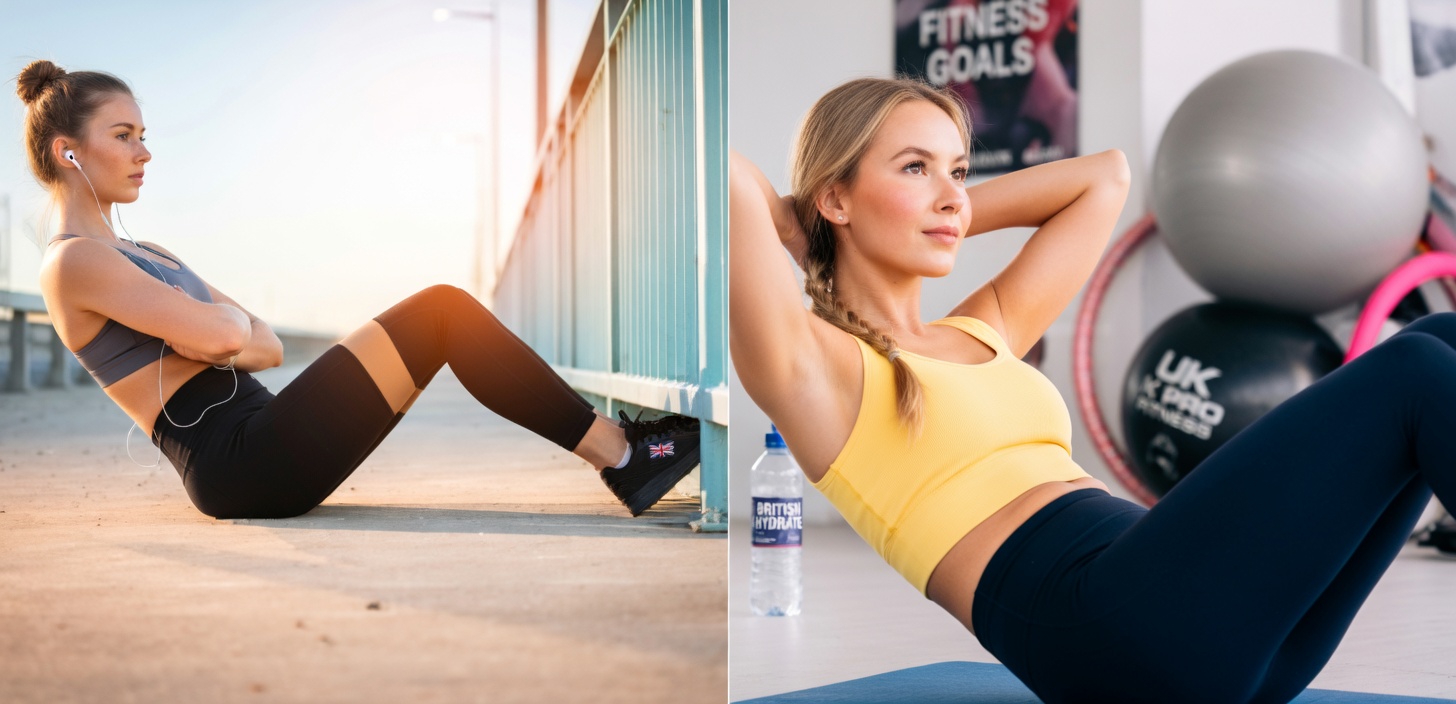
Final Thoughts on Crunches vs. Sit-Ups
When comparing sit-ups and crunches, the right choice depends on your fitness level, movement quality, and training goals.
If you are new to ab training, start with crunches. They are easier to control and can help you build a strong foundation while reducing the risk of injury.
If you want a more challenging exercise that works beyond the abdominals alone, sit-ups may be the better progression. Their greater range of motion and broader muscle recruitment can help increase overall trunk strength.
No matter which one you choose, do not forget to train your entire core. A balanced core workout should also include movements such as:
- Planks
- Side planks
- Rotational exercises
- Lower ab movements
As your strength and endurance improve, you can increase the challenge by adding:
- More repetitions
- Slower tempo
- Resistance
- Weights
A strong core is a common fitness goal, and for good reason. It supports movement, posture, and overall exercise performance. If you are unsure where to begin, working with a personal trainer can help you build a program tailored to your body and goals.
Resource
- Nunez, Kristen. “How to Do Crunches and Other Exercises for Toned Abs.” Healthline