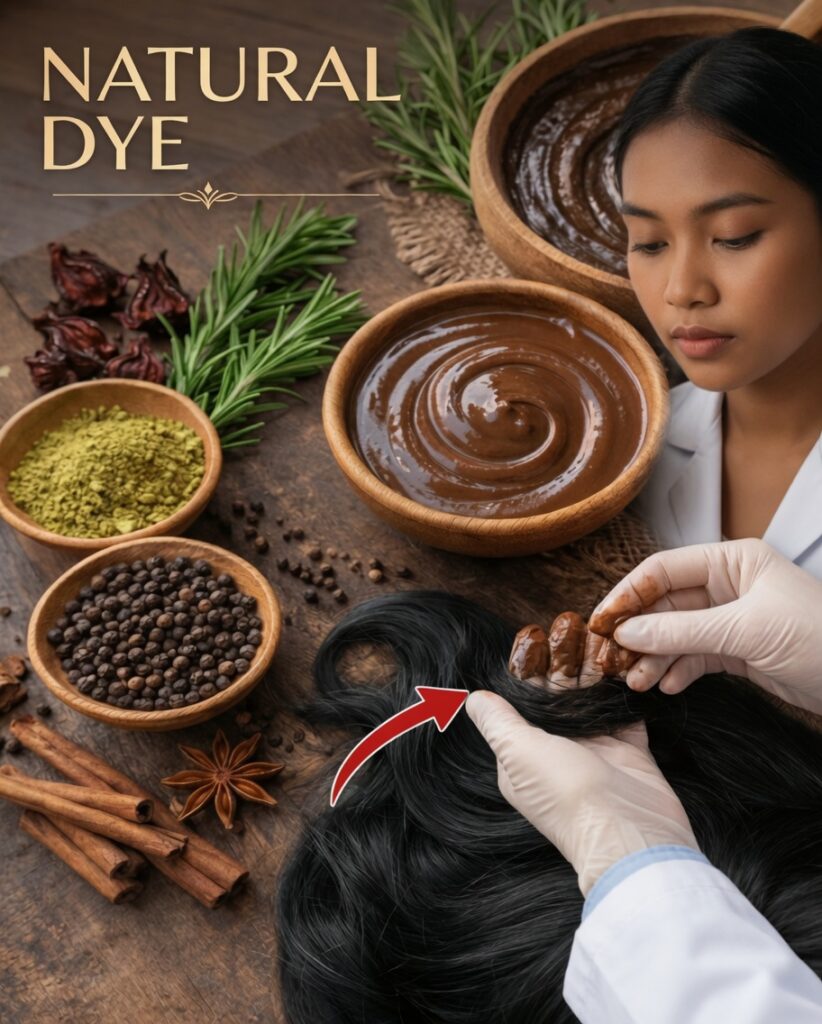
Grey, Dry, Lifeless Hair? This Natural Secret May Help Revive Your Strands from the Roots
Noticing grey hair over time is completely normal—but many people feel discouraged after relying on chemical dyes that, with repeated use, can leave hair dry, brittle, and dull. Add the strong smell, constant touch-ups, and concerns about long-term use, and coloring your hair can quickly become tiring and expensive.
What if there were a gentler, more natural, and even enjoyable way to care for your hair color? Keep reading—you may be surprised by a time-tested tradition that’s gaining popularity again.
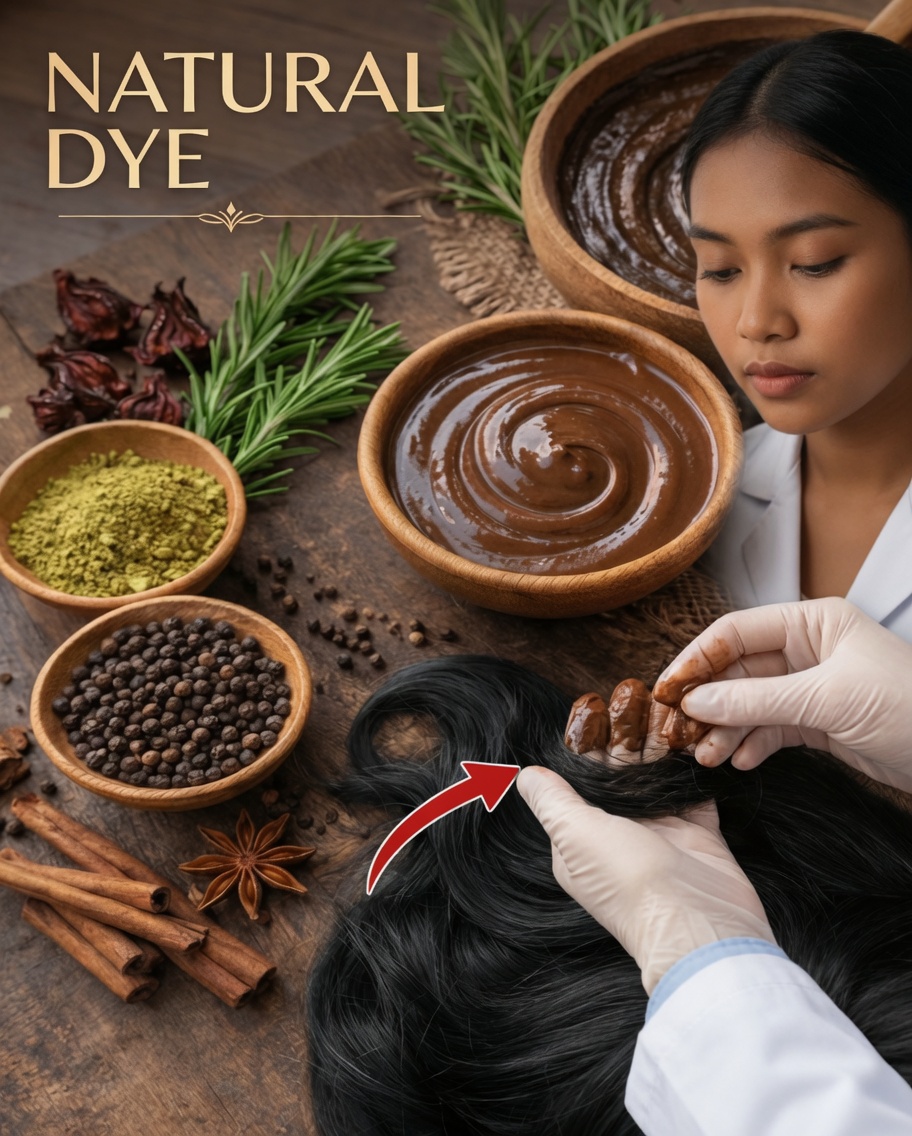
Why More People Are Switching from Chemical Hair Dye to Plant-Based Color
A growing number of people are stepping away from conventional products and exploring traditional plant-based methods, often inspired by Indian herbal practices. These approaches don’t just add color—they can also nourish and condition the hair.
Many chemical dyes contain ingredients such as ammonia and PPD, which can deliver fast, intense results but may also lead to scalp irritation and ongoing dryness. Natural alternatives rely on botanical pigments that coat the hair more gently, helping enhance color without the same harsh effect.
Popular Natural Ingredients Used for Grey Hair Coverage
These are some of the most common plant-based options people use to deepen or adjust hair color while supporting hair health:
- Henna: Known for warm reddish tones and for leaving hair softer and shinier.
- Amla (Indian gooseberry): Rich in vitamin C; often used to strengthen hair and help balance tone.
- Indigo: Frequently combined with henna to achieve darker shades, such as brown and black.
- Coffee or black tea: Helps intensify depth and enrich the final color.
- Rosemary: Adds a pleasant scent and may help soothe the scalp.
Most of these can be combined into a simple paste that’s easy to make at home.
Indian-Inspired Natural Hair Color Recipe
Basic Henna + Coffee Paste (Warm Brown Tones)
Ingredients:
- 3–4 tablespoons pure henna
- 2 tablespoons strong coffee or black tea
- 1 teaspoon amla powder (optional)
- Warm water, as needed
- A few drops of lemon juice or coconut oil
How to prepare and apply:
- In a non-metal bowl, mix the dry ingredients.
- Slowly add the liquid until you get a smooth, creamy paste.
- Let the mixture rest for 4–8 hours.
- Apply to clean, dry hair.
- Cover and leave it on for 2–4 hours, then rinse thoroughly.
The shade can continue to develop and deepen over the next 24–48 hours.
Benefits Many Users Report
While experiences vary, people often notice:
- Softer, shinier hair
- Less scalp discomfort
- More customizable color, depending on the blend
- A more budget-friendly, natural option
Keep in mind: results depend on your hair type, your base color, and how consistently you apply it. Natural coloring tends to be gradual, so patience is part of the process.
Practical Tips for Better Results
- Do a patch test before first use
- Use non-metal utensils only
- Protect clothing and surfaces from staining
- Reapply every 4–6 weeks
- Moisturize between applications using natural oils
With regular use, many people find that grey strands blend more smoothly into the rest of the hair, creating a look that feels more natural and healthier overall.
Final Thoughts
Choosing traditional, plant-based hair coloring can be a gentler way to care for your hair—combining beauty and well-being in one routine. With a few simple ingredients and a little consistency, your hair care can become a calming self-care ritual, not just another chore.