A Simple Exercise That Can Improve Bladder Control and Support Men’s Health
Many men start noticing changes in their urinary habits as they get older—more trips to the bathroom, especially at night, or the feeling that the urine stream isn’t as strong as it used to be. These shifts can disrupt sleep, reduce day-to-day comfort, and quietly raise concerns about overall health.
The encouraging news is that small, consistent lifestyle choices can have a meaningful impact. With a few natural adjustments to nutrition and movement, you can support prostate health in a practical, realistic way.
Why Prostate Health Matters After 50
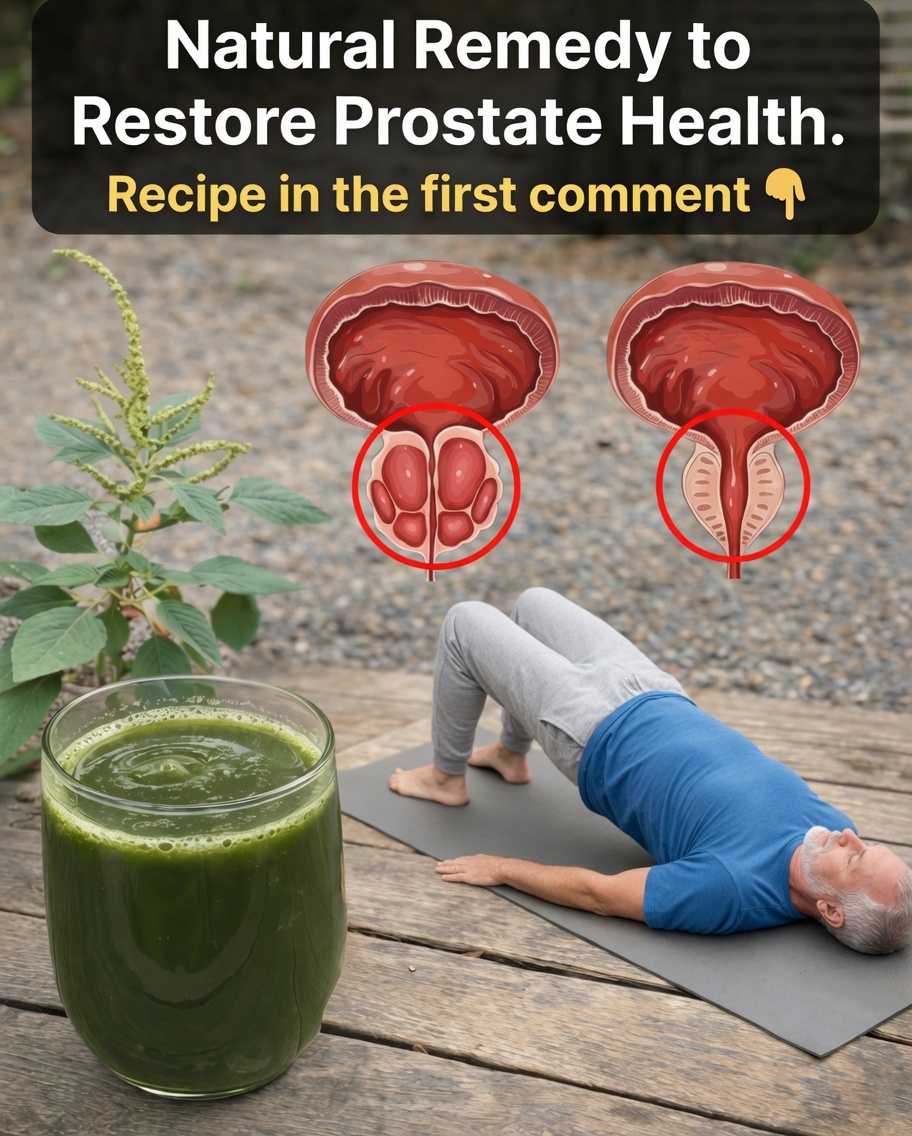
The prostate is a small gland located just below the bladder and plays an important role in male reproductive health. As men age, the prostate often becomes larger—a common, non-cancerous condition called benign prostatic hyperplasia (BPH). When this happens, the enlarged gland may press against the urethra, making urination more difficult or less comfortable.
Lifestyle factors such as diet, body weight, and physical activity influence how the body responds to these natural changes. Building balanced daily habits may help ease symptoms and support long-term well-being.
The Benefits of Leafy Greens and Nutrient-Dense Foods
Dark leafy greens are strong allies for overall health and are often included in prostate-friendly eating patterns. A notable example is amaranth leaves (sometimes compared to red spinach), which can provide fiber, zinc, and antioxidants.
Key nutrients and why they matter:
- Zinc: supports normal prostate function
- Antioxidants: help protect cells from oxidative stress
- Fiber: supports digestion and may contribute to better urinary comfort
In general, a diet that regularly includes dark green vegetables, tomatoes, fruits, and cruciferous vegetables (such as broccoli and cabbage) is often associated with better prostate health outcomes.
Don’t forget hydration
Staying hydrated supports normal body function. Aim to drink water steadily throughout the day, while avoiding large amounts close to bedtime if nighttime urination is an issue.
A Simple Daily Habit: Green Juice
Adding a daily green juice can be an easy way to boost nutrient intake and hydration in one step.
How to make it:
- Use a handful of amaranth leaves or spinach
- Add cucumber, celery, a green apple, and lemon juice
- Wash everything thoroughly
- Blend or juice (strain if you prefer)
- Drink it fresh, ideally in the morning
This simple drink delivers fluids, vitamins, and antioxidants in a convenient format.
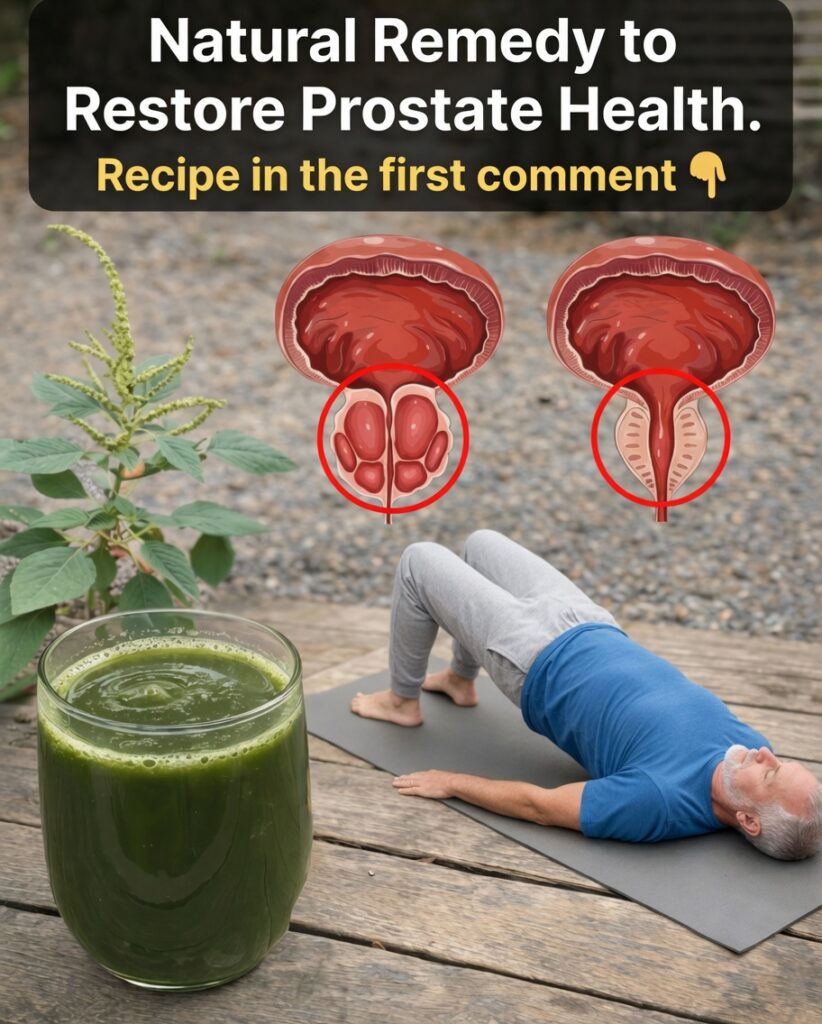
Strengthening Through Movement: The Bridge Exercise
Physical activity is also important—especially exercises that support the pelvic floor, which plays a role in bladder control.
Potential benefits include:
- Improved urinary control
- Less urgency or leakage
- Better daily comfort and confidence
How to do the bridge
- Lie on your back with your knees bent and feet flat on the floor.
- Gently engage your pelvic area.
- Lift your hips until your body forms a straight line from shoulders to knees.
- Hold for 3–5 seconds.
- Repeat 8–10 times, 2–3 times per day.
Kegel exercise (pelvic floor contraction)
- Tighten the muscles as if you were trying to stop urinating midstream.
- Hold for 5 seconds, then relax.
- Repeat 10–15 times.
More Simple Tips That Can Help
- Cut back on caffeine and alcohol, especially in the evening
- Maintain a healthy weight
- Drink more fluids earlier in the day rather than late at night
- Manage stress with breathing exercises or meditation
- Avoid sitting for long stretches—stand up and move regularly
Frequently Asked Questions
When will I notice results?
Some men feel improvements within a few weeks, but the most meaningful changes usually come from consistent habits over time.
Can green juice replace medical treatment?
No. Green juice can be a helpful natural addition, but it does not replace medical evaluation or professional care.
Are these exercises safe?
For most people, yes. If you have specific medical conditions or pain, consult a qualified health professional before starting.
Final Thoughts
Supporting prostate health doesn’t need to be complicated. Small steps—like eating more nutrient-rich vegetables, doing simple pelvic floor exercises, and following healthier daily habits—can lead to noticeable benefits over time.
Start with one change at a time, stay consistent, and give your body the chance to respond.
Disclaimer: This content is for informational purposes only and does not replace medical advice. Always consult a healthcare professional before making changes to your diet, exercise routine, or health plan.