Heat Flashes, Insomnia, and Fatigue? It Might Not Be “Just Stress”—How to Ease These Symptoms Naturally
Many women in their 30s and 40s start noticing subtle shifts in their bodies—like irregular periods or sudden hot flashes—and often blame them on stress, burnout, or a busy routine. Over time, these changes can become frustrating, disrupt sleep, affect daily life, and even strain relationships. But what if these signs point to something more than stress?
Recognizing the pattern early can be the first step toward feeling in control of your health again.
And here’s what matters most: by the end of this article, you’ll learn a simple strategy that can completely change how you manage these symptoms.
What Is Early Menopause?
Early menopause happens before age 45 and affects a significant number of women worldwide. Unlike natural menopause—most commonly occurring around age 50—early menopause may be influenced by:
- Genetics (family history)
- Autoimmune conditions
- Medical treatments (such as chemotherapy, radiation, or ovarian surgery)
- Lifestyle factors, including chronic stress and smoking
There’s also premature ovarian insufficiency (POI), which can occur before age 40. POI reduces estrogen levels, a key hormone involved in many essential functions in the female body.
10 Important Signs to Watch For
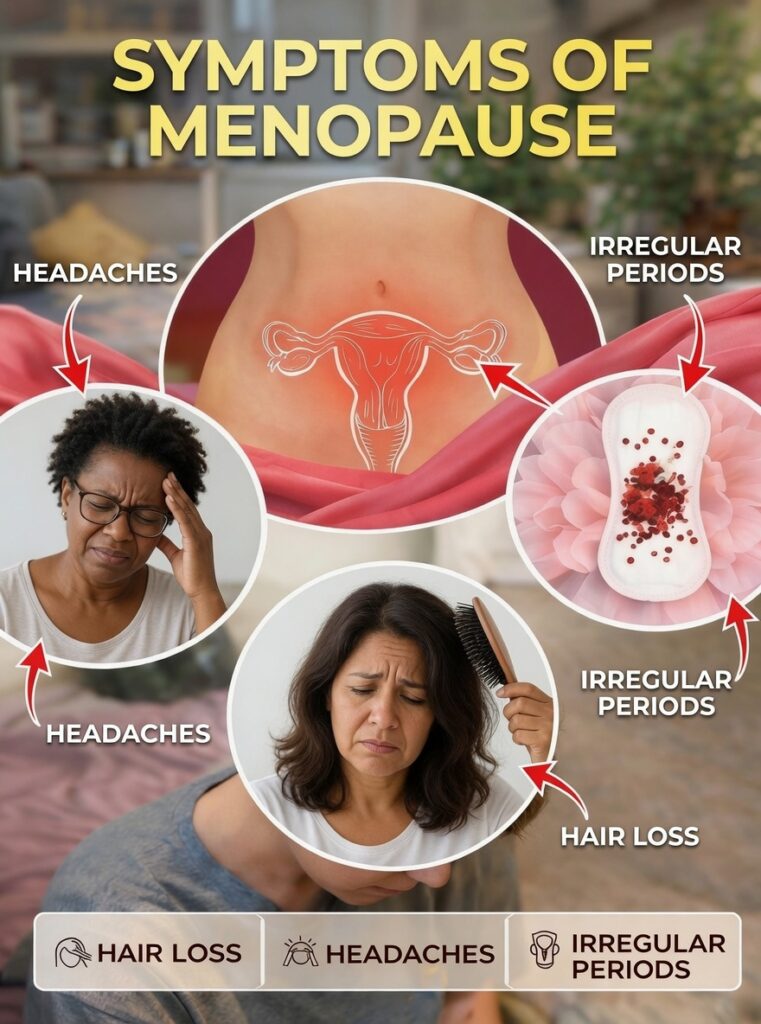
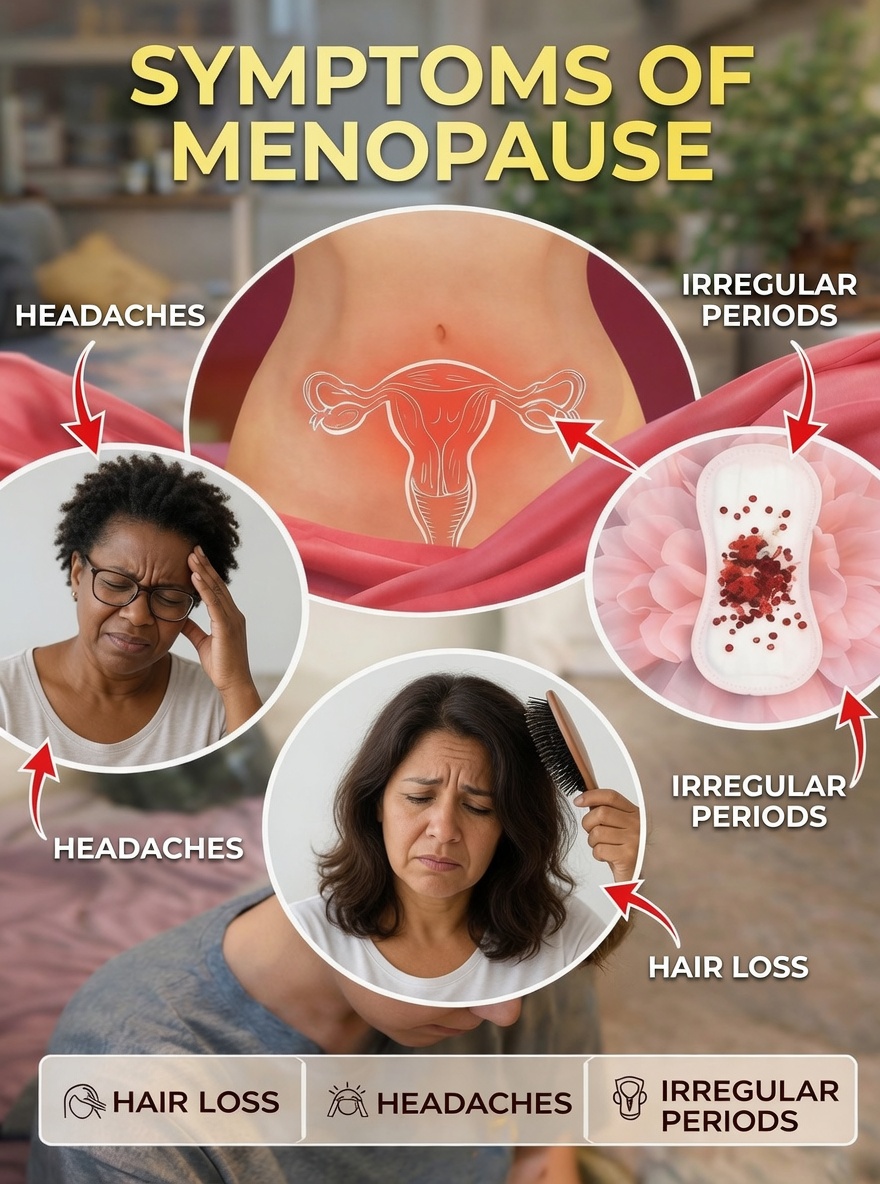
1. Irregular or Missing Periods
One of the earliest and most common signs is a change in your menstrual cycle—frequent delays, shorter cycles, or periods that stop altogether.
2. Hot Flashes and Night Sweats
Sudden waves of heat—sometimes even in cool environments—can be linked to hormonal fluctuations.
3. Sleep Problems
Trouble falling asleep, waking up multiple times, or poor-quality sleep can intensify as hormone levels shift.
4. Mood Changes
Irritability, anxiety, or unexplained sadness may appear as estrogen declines.
5. Vaginal Dryness
Dryness, discomfort, or pain during intimacy is common but often overlooked or left unspoken.
6. Persistent Fatigue
Feeling tired all the time—even after rest—may be more than a busy schedule.
7. Muscle and Joint Pain
Aches, stiffness, or soreness without a clear cause can be associated with inflammation and hormonal changes.
8. Memory Lapses and Trouble Focusing
“Brain fog” can interfere with work performance and everyday tasks.
9. Lower Bone Density
Bone loss is often silent at first, but it increases the long-term risk of osteoporosis.
10. Heart Palpitations
A racing, fluttering, or irregular heartbeat can occur more frequently when estrogen levels drop.
What to Do Next
Don’t brush these symptoms off. Start with practical, supportive habits:
- Track your symptoms: note cycle changes, sleep patterns, mood, and hot flashes.
- Support your nutrition: prioritize foods rich in calcium and vitamin D.
- Move your body regularly: walking and yoga can support bone health and overall balance.
- Lower stress naturally: meditation and mindful breathing can make a noticeable difference.
- Avoid common triggers: caffeine and alcohol may worsen hot flashes and sleep issues.
Just as important: see a healthcare professional to confirm what’s happening and get guidance tailored to your situation.
Conclusion
Early menopause doesn’t have to feel like an uncontrollable obstacle. By paying attention to the signs and making informed, consistent choices, you can protect your health, improve your quality of life, and feel more stable and energized.
Think about how different you could feel in just 30 days if you start taking better care of yourself today.
Frequently Asked Questions
What causes early menopause?
Common causes include genetics, autoimmune diseases, medical treatments, and lifestyle factors such as smoking and chronic stress.
Is early menopause reversible?
In most cases, it isn’t reversible—but symptoms can often be managed effectively with the right approach.
How can it be confirmed?
Diagnosis typically involves hormone tests and ongoing medical evaluation.
This article is for informational purposes only and does not replace professional medical advice. Always consult a qualified specialist for personalized evaluation and care.