Bay Leaves for Nail Fungus: A Natural, Chemical-Free Remedy
Bay leaves are widely valued for their antimicrobial and antifungal qualities, making them a helpful natural option for managing nail fungus. Rich in essential oils, tannins, and antioxidants, bay leaves may support the body’s fight against fungal overgrowth, ease irritation, and encourage healthier-looking nails. This approach is simple, budget-friendly, and a natural alternative to many over-the-counter products.
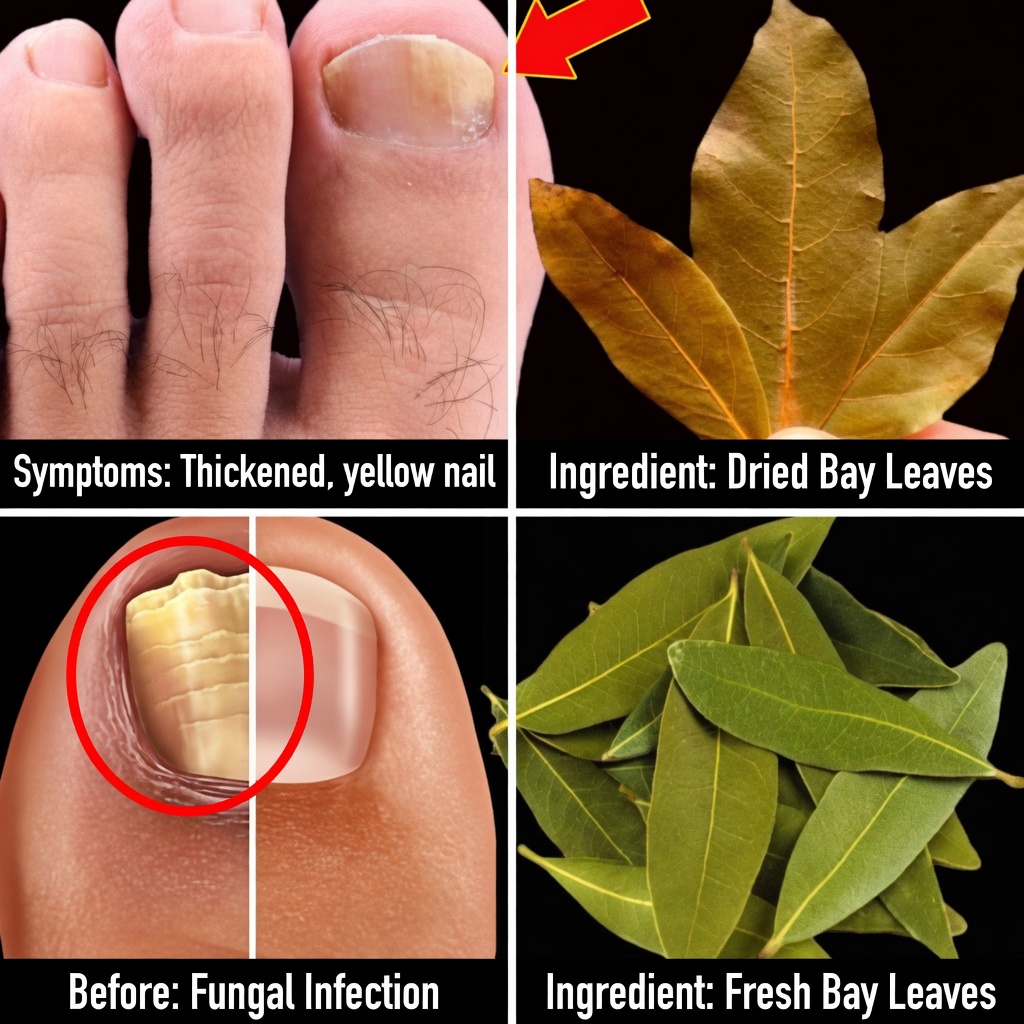
Why Bay Leaves May Help Fight Nail Fungus
-
Natural antifungal action
- Bay leaves contain plant compounds such as cineole and eugenol, which may help limit fungal growth and reduce the spread of infection.
-
Antioxidant support
- The antioxidants in bay leaves can help reduce oxidative stress, which may support the repair of weakened or damaged nail tissue.
-
Soothing, anti-inflammatory effects
- Bay leaf components may calm redness, swelling, and discomfort around the affected nail area.
-
Improved circulation to the nail bed
- Better blood flow may support stronger nail regrowth and overall nail health during recovery.
How to Use Bay Leaves for Nail Fungus
1) Bay Leaf Soak
Ingredients
- 5–6 fresh or dried bay leaves
- 2 cups water
Instructions
- Bring the water to a boil, then add the bay leaves.
- Reduce heat and simmer for about 10 minutes.
- Let it cool until it reaches a comfortably warm temperature.
- Soak the affected nails for 15–20 minutes.
- Repeat daily until symptoms improve.
2) Bay Leaf Paste
Ingredients
- 3–4 fresh bay leaves
- 1–2 tablespoons water (or olive oil for extra moisture and skin support)
Instructions
- Crush or blend the bay leaves into a smooth paste (using a blender or mortar and pestle).
- Spread the paste directly onto the infected nails.
- Cover with gauze or a bandage and leave in place for 30 minutes.
- Rinse with warm water and pat dry thoroughly.
- Apply 2–3 times per week for best results.
3) Bay Leaf and Vinegar Solution
Ingredients
- 5 bay leaves
- 1 cup apple cider vinegar
- 1 cup water
Instructions
- Boil the water, then steep the bay leaves for 10 minutes.
- Allow the mixture to cool.
- Combine the bay leaf water with apple cider vinegar.
- Soak a cotton ball in the solution and press it onto the affected nails.
- Secure with tape or a bandage and leave for 20–30 minutes.
- Rinse and dry the area well. Use daily.
Tips to Improve Results
- Keep nails clean and dry: Fungi thrive in damp conditions, so dryness is essential.
- Trim the affected nail carefully: Shorter nails can reduce fungal buildup and spread.
- Choose breathable footwear: Airflow helps prevent moisture from collecting around toes.
- Disinfect nail tools after each use: Clean clippers and files to reduce the risk of reinfection.
Precautions to Keep in Mind
- Do a patch test first: Apply a small amount to skin to check for irritation or allergy.
- Don’t ignore stubborn infections: If symptoms persist after several weeks, seek advice from a healthcare professional.
- External use only: These preparations are meant for topical use—do not drink bay leaf remedies.
Final Thoughts
Treating nail fungus with bay leaves can be a natural and gentle approach when used consistently. Over time, regular application may help reduce fungal activity, ease discomfort, and support healthier nail growth.