
How Three Everyday Seeds Can Help Protect Aging Eyes and Sharpen an Aging Mind
Did you know that after age 70, the odds of developing age-related macular degeneration—the top cause of vision loss in older adults—rise sharply, and up to one in three people over 85 experience some level of cognitive decline? Yet major studies from the National Eye Institute and the Alzheimer’s Association show that simple daily food choices can meaningfully support eye and brain health well into your 80s, 90s, and beyond.
Millions of older adults wake up each day with blurry vision, difficulty reading small print, slower recall, brain fog, or that heavy, “mentally tired” feeling—and many assume it’s just an unavoidable part of getting older.

Imagine instead that you’re 92, sitting down to breakfast, adding a spoonful of tiny seeds to your oatmeal or yogurt. Within a few weeks, colors seem more vivid, you reach for your reading glasses less often, words come more easily in conversation, and your mind feels more awake than people decades younger. No pricey eye drops, no special memory pills—just three simple seeds you can buy at any supermarket for pennies a day.
The Seed Superfood Blend for Eyes and Brain
Before we go further, do a quick self-check. On a scale of 1–10:
- How clear is your close-up vision for reading?
- How energetic and mentally sharp do you feel most days?
Keep that number in mind—we’ll come back to it later.
As we reach our 80s and 90s, both the eyes and brain face mounting challenges: higher oxidative stress, reduced blood flow, more inflammation, and less efficient nutrient absorption. Yet a large body of research shows that targeted nutrients—especially omega-3 fatty acids, antioxidants, zinc, magnesium, and lignans—can slow this decline, protect retinal cells, support neurons, and improve cognitive function even in very advanced age.
What if three of the most powerful, affordable, and convenient foods for these nutrients are already in your kitchen: chia seeds, flaxseeds, and pumpkin seeds?
Stay with this guide as we explore 15 science-backed ways a simple morning seed habit may help:
- Preserve sharper, clearer vision
- Support memory and focus
- Boost mental energy after 80
- Plus: real-life success stories, exact daily routines, safety considerations, and one timing trick that can amplify your results.
Why Eyes and Brain Decline Faster After 80 – And Where Seeds Fit In
After age 80, several changes accelerate in the eyes and brain:
- Retinal cells become more vulnerable to damage from free radicals.
- The macular pigment that protects central vision thins out.
- Blood flow to both the eyes and brain slows down.
- Neuroinflammation increases.
- Nutrient delivery and absorption become less efficient.
Major long-term studies—like AREDS2, the Rotterdam Study, and the Framingham Heart Study—have found that low intake of omega-3s, zinc, magnesium, lutein, zeaxanthin, and antioxidants is strongly linked with faster progression of:
- Age-related macular degeneration
- Cataracts
- Cognitive impairment
- Dementia and Alzheimer’s risk
The same research shows that regularly consuming these nutrients, particularly from whole foods such as seeds, can:
- Slow the progression of eye diseases
- Support healthier retinas
- Improve blood flow in the brain
- Aid neuron repair and communication
When “Just Aging” Is Not the Whole Story
It’s discouraging when:
- Reading glasses no longer seem to help enough
- Names disappear mid-sentence
- Mental exhaustion hits by early afternoon
Does this sound familiar?
These changes are common—but they are not completely unavoidable.
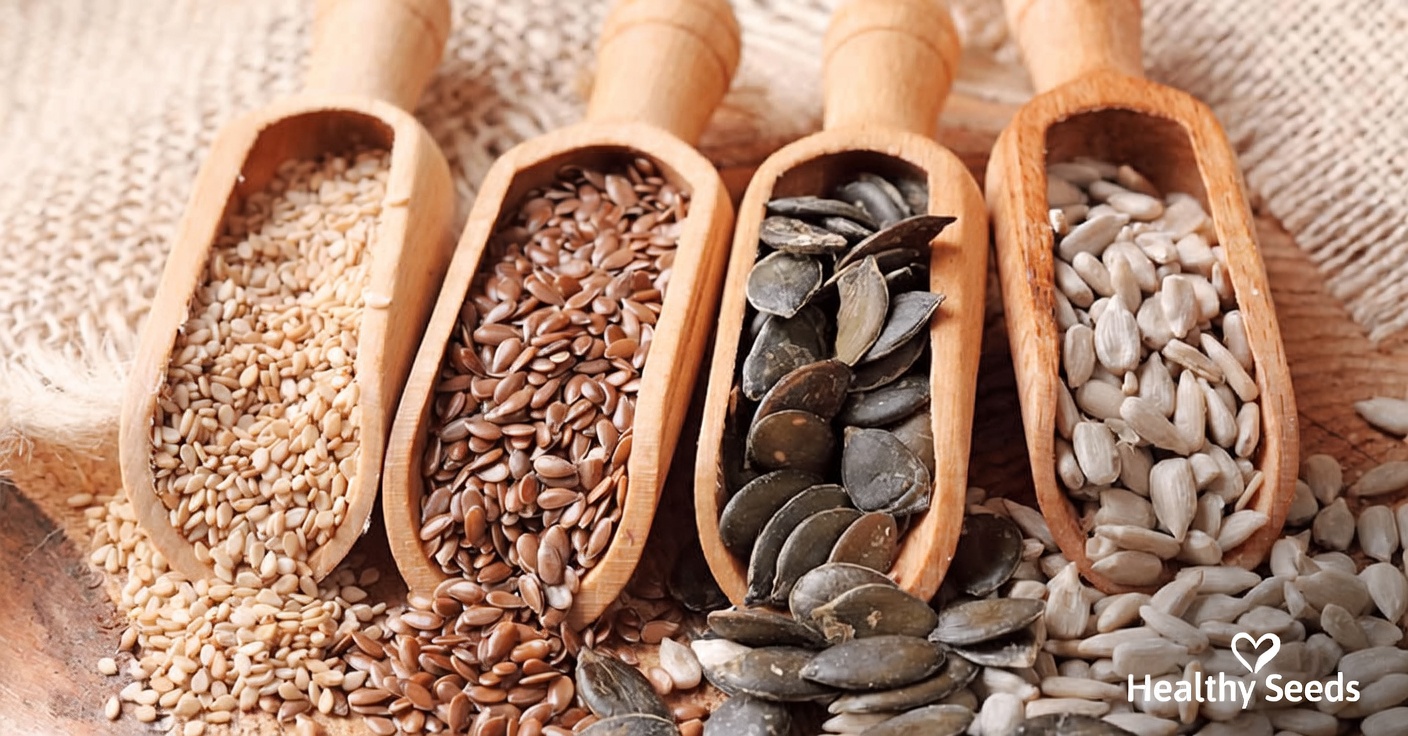
Seeds are dense in nutrients, easy to digest, and gentle on the system—perfect for older adults who may eat less or absorb nutrients less efficiently. Chia, flax, and pumpkin seeds supply:
- Plant-based omega-3s (ALA)
- Lignans
- Zinc
- Magnesium
- Vitamin E
- A variety of antioxidants
all in a form the body can put to work.
Ask yourself: On a 1–5 scale, how often does blurry vision or mental fog interfere with your day? If your answer is “often,” you’re not alone—and a small daily habit can often create a noticeable shift.
You may have already tried lutein tablets, fish oil capsules, or “brain-boosting” drinks. Some can help, but they’re often expensive and not always well absorbed in very old age. What if three simple seeds, eaten together every morning, could offer stronger, synergistic support for both vision and cognition?
Here’s where real change can begin.
Quick check-in: On a scale of 1–10, how often do eye strain or memory slips slow you down? Jot that number down—we’ll compare later.
The Overlooked Nutrient Synergy Most Seniors Never Use
Each of these seeds brings something unique to the table:
- Chia seeds: Provide a slow, steady release of omega-3s (a “time-release” effect), helping stabilize energy for the brain and support eye tissues throughout the day.
- Flaxseeds: Rich in lignans, which have anti-inflammatory and antioxidant properties that help protect both retinal cells and brain tissue.
- Pumpkin seeds: A concentrated source of zinc and magnesium—two minerals vital for macular pigment, nerve signaling, and healthy cerebral blood flow.
Research shows that when these nutrients are consumed together, they can:
- Increase macular pigment optical density (a key factor in protecting central vision)
- Slow cognitive decline
- Enhance blood circulation in the brain—even in adults in their 90s
In combination, chia, flax, and pumpkin seeds help:
- Combat oxidative stress
- Support retinal structure and function
- Reduce neuroinflammation
- Improve memory, focus, and mental clarity
You’re already about 20% of the way through these insights—putting you ahead of most readers. Next comes a real-world example and the most effective ways to use this seed trio.
Evelyn’s Story: From Blurred Reading and Brain Fog at 91 to Clearer Days
Evelyn is a 91-year-old retired schoolteacher from Minnesota who spent several years battling worsening eyesight and growing mental fog.
“Words on the page looked smeared, I’d lose my train of thought halfway through a sentence, and I was wiped out by midafternoon,” she recalls. “My doctor told me it was just ‘normal for your age.’”
Her daughter began looking into natural ways to support aging eyes and brain function. Together they decided to try a daily “three-seed ritual”:
- 1 tablespoon ground chia seeds
- 1 tablespoon ground flaxseeds
- 1 tablespoon pumpkin seeds
stirred into breakfast yogurt or oatmeal every morning.
Within about four weeks, Evelyn noticed she could read more comfortably without reaching for stronger glasses. After three months, she found her memory improving, conversations flowing more smoothly, and her energy staying steadier into the evening.
“I feel clearer than I have in years,” she says. “My family keeps telling me I seem like my old self again.”
Of course, everyone’s body is different, and results vary—but Evelyn’s experience is similar to what many older adults report when they consistently use these seeds. The next question is: how, practically, can you incorporate them?
7 Powerful Ways to Use Chia, Flax, and Pumpkin Seeds for Eye and Brain Support
1. Classic Morning 3-Seed Mix – Your Daily Nutrient Foundation
Stir together:
- 1 tablespoon ground chia
- 1 tablespoon ground flax
- 1 tablespoon pumpkin seeds
Then mix into yogurt, oatmeal, or a morning smoothie.
This simple combo delivers a steady supply of omega-3s, lignans, zinc, and magnesium. Many people report clearer vision and more consistent focus after several weeks of daily use.
2. Chia Pudding Power Bowl – Slow-Release Omega-3 Support
In the evening, combine:
- 2 tablespoons chia seeds
- Your choice of milk (e.g., almond, oat, dairy)
- 1 tablespoon ground flax
- 1 tablespoon pumpkin seeds
Let it sit overnight in the refrigerator. The chia forms a gel that slows digestion, creating a gentle, time-release effect for omega-3s and other nutrients. This can:
- Support retinal health
- Provide long-lasting mental energy throughout the day
3. Flax and Pumpkin Seed Sprinkle – Inflammation-Fighting Topping
Sprinkle:
- 1 tablespoon ground flax
- 1 tablespoon pumpkin seeds
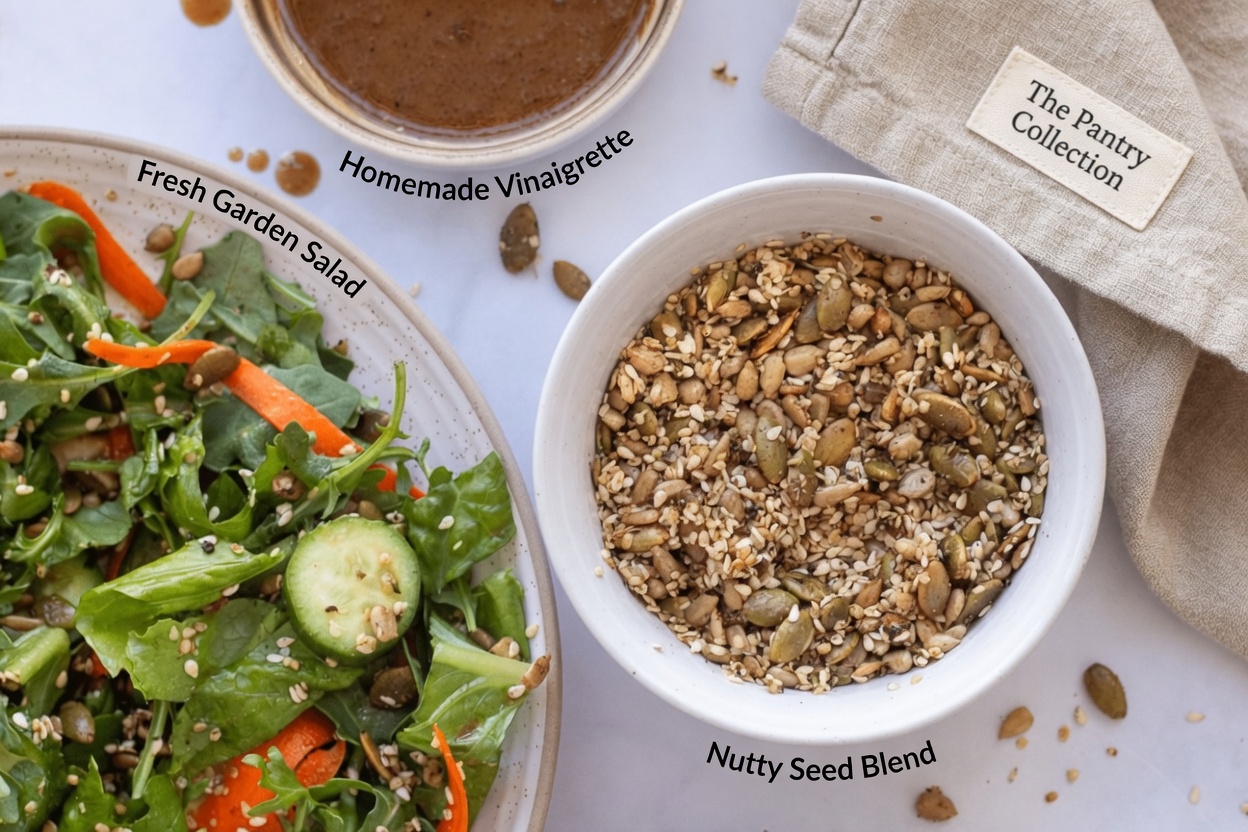
over salads, soups, steamed vegetables, or avocado toast.
The combination of lignans and zinc helps combat inflammation and supports retinal defense. Many people notice less eye strain and sharper recall when they use this regularly.
4. Ginger-Infused 3-Seed Tea – Circulation and Detox Support
Prepare a warm infusion by:
- Steeping fresh ginger slices in hot water
- Stirring in 1 teaspoon each of ground chia, ground flax, and ground pumpkin seeds
Ginger may help improve circulation to the eyes and brain, while the seeds supply critical nutrients. This can be an excellent midafternoon drink for mental clarity and gentle detox support.
5. Evening 3-Seed Snack – Nighttime Repair and Memory Support
About an hour before bed, have:
- 1 tablespoon of a mixed seed blend (chia, flax, pumpkin)
Taken in the evening, these nutrients may aid:
- Overnight neuron repair
- Memory consolidation during sleep
Many older adults report waking up feeling more mentally refreshed with this habit.
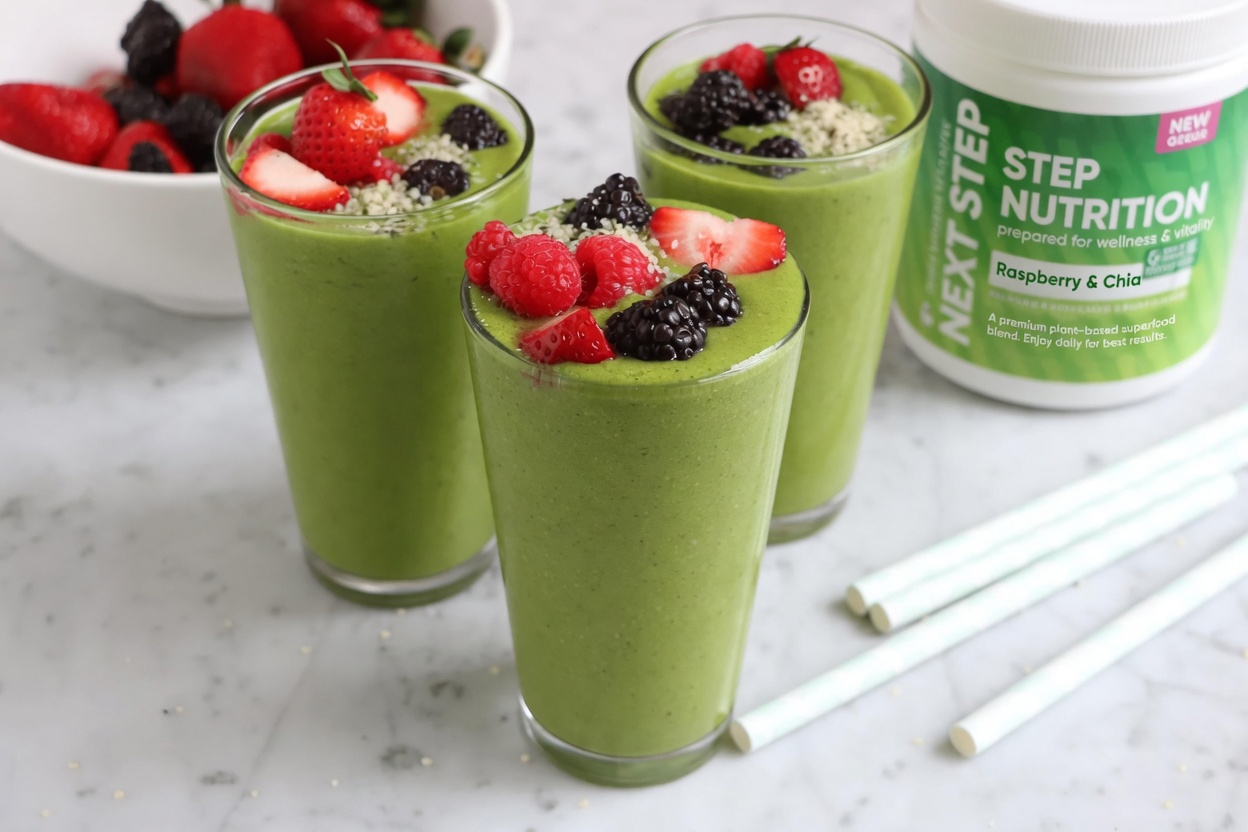
6. Smoothie Booster – High-Absorption Seed Blend
Add to a fruit-and-greens smoothie:
- 1 tablespoon chia
- 1 tablespoon ground flax
- 1 tablespoon pumpkin seeds
Pairing these seeds with berries and leafy greens creates a potent mix of antioxidants and omega-3s that can help protect retinal cells and nourish the brain. This is especially useful if you prefer drinking your nutrients rather than chewing them.
7. Full-Day Ritual – Maximum Seed Synergy
For more advanced support, try layering your intake:
- Morning: 3-seed mix with breakfast
- Midday: Flax and pumpkin seed sprinkle on lunch or snack
- Evening: Small 3-seed handful or bedtime snack
This “all-day” approach provides repeated nutrient delivery and may improve absorption. Many seniors following this pattern consistently for 6–12 weeks report noticeable improvements in:
- Visual sharpness
- Reading comfort
- Mental clarity and stamina
You’re about halfway through—which already places you in the top group of readers who follow through on health information. Here’s one key technique to remember:
Grinding chia and flax seeds can increase nutrient absorption by 3–5 times. Whole seeds often pass through the digestive system intact and are less effective.
Mid-Article Check-In: Quick Quiz to Lock In Your Learning
Take a moment to engage with what you’ve just read:
-
How many core ways to use these seeds have we covered?
- Answer: 7 methods.
-
What is your biggest current concern—eyes or brain?
- Write it down: blurred vision, reading strain, forgetfulness, slow recall, or something else.
-
What do you think will be the biggest “clarity boost” surprise as you keep using these seeds?
- Make a prediction—you’ll be able to compare later.
-
Re-rate yourself: On a scale of 1–10, where are your vision and mental sharpness now compared to when you started reading?
- Even noticing your baseline is a powerful first step.
-
Are you ready to build momentum with a small, consistent daily habit?
- A simple “yes” to yourself helps turn information into action.
You’re building momentum already. The next step is consistency—turning these three humble seeds into a daily ritual that supports your eyes and brain for years to come.