Betting on Yourself: How Chef Javon Used Food to Transform His Health
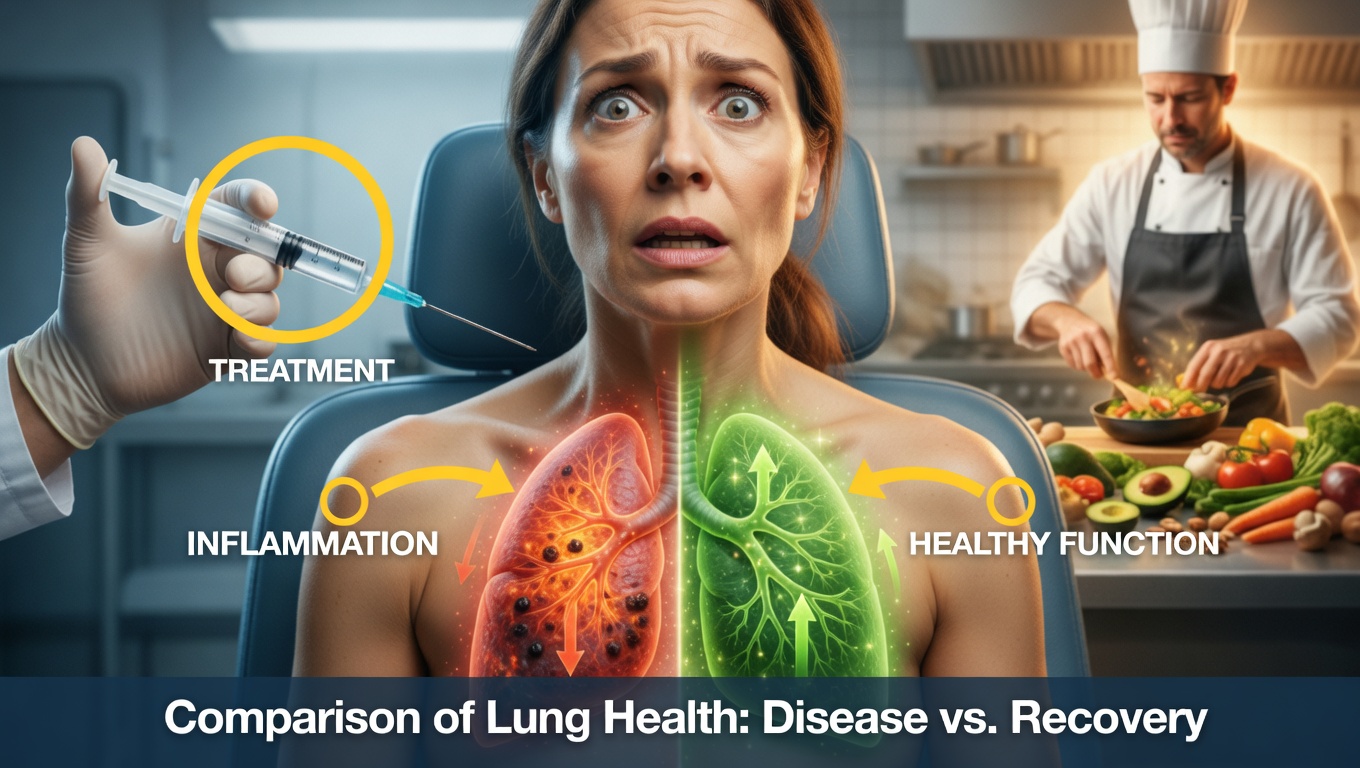
Imagine sitting in a hospital chair, a needle minutes away from entering your body to biopsy a lump your doctors think could be cancer—and deciding to get up and walk out. No movie script. No safety net. Just a choice to find another way.
That was the turning point for nutritarian chef Javon. Already living with pre-diabetes and pre-hypertension, he was suddenly facing a possible lymphoma diagnosis. Instead of going through with the biopsy, he stood up, went home, and walked into his kitchen. That decision set off a radical health transformation that not only changed his own life, but has inspired thousands of others to take control of their health with food.
Javon’s experience shows how powerfully the body can heal when it is given the right nutrition and lifestyle support. He had been eating the typical Standard American Diet (SAD) and, like so many people, was developing the standard American diseases that go with it. By completely rethinking what was on his plate, he completely changed his future.
In a frank conversation with renowned physician and nutritarian pioneer Dr. Joel Fuhrman, Javon shares a practical blueprint for anyone feeling stuck, scared, or discouraged about their health. You do not need to be a professional chef to benefit from these principles—you simply need the willingness to change your ingredients so you can change your outcome.
Key Lessons from Javon’s Story
- Your “Why” drives everything: A serious health scare can create powerful “fear pressure” that helps you finally override bad habits and social pressure.
- Food really can act like medicine: A nutrient-dense, whole-food, plant-rich way of eating can reverse or dramatically improve conditions such as pre-diabetes, high blood pressure, and inflammatory diseases.
- Healthy food can still be delicious: You can retrain your taste buds and learn to enjoy satisfying versions of familiar favorites like lasagna and burgers made with health-promoting ingredients.
- Think swaps, not sacrifice: Focus on “changing how you make it, not what you make.” Simple ingredient upgrades can turn comfort foods into superfood meals.
- Wellness is multi-dimensional: Long-term health comes from the synergy of food, movement, sleep, and mindset—not diet alone.
1. Face Your “Why”: Let Fear Become Your Fuel
Many people cycle through diets, cleanses, and programs, full of motivation on Monday and off track by Friday. What made Javon’s shift different was the intensity of his “why.”
He already had pre-diabetes and pre-hypertension—conditions so common in his family that he had almost accepted them as normal and unavoidable. Then doctors discovered enlarged lymph nodes and scheduled a biopsy, suspecting lymphoma. In that moment, the abstract idea of “I should be healthier” became a sharp, immediate fear of cancer and invasive procedures.
Javon calls this “fear pressure.” It outweighed every craving, every social expectation, and every excuse. That fear became the non-negotiable reason to change everything—from what he ate to how he lived.
You may not be facing a life-threatening diagnosis, but you can still use this principle. Ask yourself:
- What is the real reason I want to be healthy?
- Do I want to avoid the heart disease, diabetes, or strokes that run in my family?
- Do I want the energy to travel, to play with my children or grandchildren, or to stay active as I age?
- Do I want to prevent the chronic pain, fatigue, or medication dependence I see in people around me?
Identify a reason that feels deeply personal and urgent. Write it down. Put it somewhere you will see it every day. When cravings hit or old habits call you back, let that “why” be the reminder that your long-term life matters more than a short-term comfort.
As Javon puts it: “You bring the motivation, I’ll bring the education. But I can’t do both.” The decision to care enough is yours.
2. Embrace the Nutritarian Approach: Let Food Be Your Medicine
After his wake-up call, Javon became a student of nutrition. His search led him to Dr. Joel Fuhrman and the “nutritarian” way of eating—a science-based, nutrient-dense approach focused on using food to prevent and reverse disease.
The core idea of a nutritarian diet is simple but powerful:
- Maximize micronutrients (vitamins, minerals, phytochemicals) per calorie.
- Base your meals on whole plant foods: vegetables (especially greens), fruits, beans, lentils, nuts, seeds, and whole grains.
- Eliminate or greatly reduce: processed foods, refined sugars, white flour products, and oils—even those marketed as “healthy.”
One of the most important distinctions is between whole foods and their processed parts—especially oils. Dr. Fuhrman explains it this way:
- When you consume oil (including olive oil and other popular “healthy oils”), you are taking in calories stripped of fiber and most nutrients. This causes a rapid surge of fat and calories into the bloodstream.
- That quick “hit” can activate reward centers in the brain, much like an addictive substance, driving overeating and food cravings.
- By contrast, when you eat the whole food source of fat—such as olives, avocados, walnuts, or seeds—you get healthy fats surrounded by fiber, antioxidants, sterols, stanols, and other protective compounds. This combination is absorbed slowly, helps control appetite, and supports cardiovascular and metabolic health.
Javon used this knowledge in the kitchen. Instead of using oil, he created rich salad dressings and sauces from blended nuts and seeds. Every meal became an opportunity to flood his body with nutrients rather than empty calories.
The payoff was remarkable. Within months of living this way:
- An ultrasound revealed that his previously enlarged lymph nodes had returned to normal.
- His blood pressure moved into a healthy range.
- His blood sugar stabilized, and markers of pre-diabetes improved.
- His energy increased, and his overall health profile changed dramatically.
His body did what bodies are designed to do when given the right conditions: it began to heal.
3. Retrain Your Taste Buds: See It as a Journey, Not a Sprint
Switching from fast food, processed snacks, and restaurant meals to a diet built around vegetables, beans, fruits, and seeds is not always easy—especially at first.
Javon is completely honest about this. He did not glide smoothly into a whole-food, plant-rich lifestyle. “It wasn’t seamless,” he admits. “When you take away that hit of salt, sugar, and oil, it can feel like you’re losing something.”
That uncomfortable feeling is not a sign you cannot do it; it is a sign your taste buds have been trained—almost conditioned—to expect intense flavors. Highly processed foods are engineered to be “hyper-palatable,” meaning they are designed to light up your brain’s pleasure circuits.
The encouraging news, as Dr. Fuhrman explains, is that your taste buds are adaptable:
- As you consistently choose natural, unprocessed foods, your palate becomes more sensitive.
- You start to notice the sweetness in a carrot, the depth of flavor in a tomato, or the gentle saltiness of greens like kale or celery.
- Foods that once tasted “boring” can become satisfying, while ultra-processed items start to taste overly salty, sugary, or artificial.
Javon noticed that salt was particularly hard for many people to reduce. In his recipes, he often includes a small amount but encourages gradual reduction over time. The strategy is not all-or-nothing; it is step-by-step recalibration.
The goal is not to white-knuckle your way through bland meals forever. The goal is to allow your body time to reset so that real food becomes genuinely enjoyable—and your old processed favorites lose their grip.

4. Get Creative in the Kitchen: “Don’t Change What You Make, Change How You Make It”
One of the biggest fears people have about changing their diet is the idea of saying goodbye to beloved comfort foods. Javon’s most practical insight completely reframes this fear:
“Don’t change what you make. Change how you make it.”
Instead of thinking, “I can never have pizza, burgers, or lasagna again,” ask, “How can I recreate these dishes using ingredients that support my health instead of harm it?”
Here are some of the ways Javon does this:
- “Veggie ground” instead of meat: He blends ingredients like carrots, cauliflower, walnuts, and mushrooms into a savory, crumbly mixture. It works beautifully in tacos, spaghetti sauce, lasagna, and more.
- Whole-food wraps instead of refined tortillas: He makes wraps from lentils, oats, or almonds, turning the base of the meal into a source of fiber and protein rather than empty starch.
- Creamy dressings without oil or dairy: Cashews, sesame seeds, hemp seeds, and other nuts and seeds become the base for rich dressings and sauces, adding healthy fats and micronutrients instead of processed oils.
By preserving the familiar structure—tacos still look like tacos, burgers still feel like burgers—he makes the transition far less intimidating. You keep the emotional comfort and cultural connection to your favorite dishes, while dramatically upgrading what they do for your body.
This move from “deprivation” to “innovation” is a mindset shift that changes everything. Instead of asking, “What do I have to give up?” you begin asking, “How can I reimagine this so it loves me back?”
5. Build All Four Pillars of Health: Diet Is the Foundation, Not the Whole House
Although adopting a nutritarian, plant-rich diet was the centerpiece of Javon’s transformation, he is clear that food is only one part of the bigger picture. For lasting wellness, he focuses on what he calls the four pillars of health:
- Nutrition: Eating a nutrient-dense, whole-food, plant-forward diet.
- Movement: Engaging in regular physical activity to support heart health, muscle strength, and mental well-being.
- Sleep: Getting sufficient, high-quality rest each night.
- Mindset and emotional health: Cultivating a positive outlook and addressing unresolved stress or trauma.
These pillars work together. If one is seriously neglected, the others cannot fully compensate. For example:
- You can eat flawlessly, but if you consistently sleep only three or four hours per night, your hormones that regulate hunger and stress (like ghrelin, leptin, and cortisol) become imbalanced. This can increase cravings, raise blood pressure, and slow healing.
- You might follow a great diet but remain sedentary. Without movement, your cardiovascular system, joints, and mood all suffer.
- You can exercise and eat well, but if you carry chronic stress, anger, or unresolved emotional pain, your body stays in a fight-or-flight state. Chronic stress floods the body with stress hormones such as cortisol, which can raise blood sugar and blood pressure, weaken the immune system, and contribute to inflammation and disease.
Addressing mindset could involve practices like journaling, therapy, meditation, prayer, time in nature, or simply building a supportive community around you. The specific tools matter less than the commitment to reducing toxic stress and cultivating hope.
When these four pillars are aligned—nutritious food, regular movement, restorative sleep, and a resilient mindset—your body gains the best possible environment to repair, regenerate, and thrive.
Javon’s journey from a biopsy chair to a healing kitchen is not just an inspiring story; it is a practical roadmap. By clarifying your “why,” embracing a nutritarian approach, patiently retraining your taste buds, creatively reimagining your favorite foods, and strengthening all four pillars of health, you give yourself the opportunity to change your story too—one meal, one choice, and one day at a time.