
Sleeping Between 10 p.m. and 11 p.m. May Lower Heart Disease Risk
Research suggests that falling asleep within a specific time window may be linked to a lower risk of cardiovascular disease.
Did you know that more than 80% of heart disease cases may be preventable through healthy lifestyle choices?
While genetics still play a role in heart health, many risk factors are within our control. Avoiding smoking, staying physically active, and eating more fiber-rich foods are all well-known ways to support the heart. But there is another habit that may matter just as much: when you go to sleep.
A 2021 study published in the European Heart Journal found that people who usually fall asleep between 10 p.m. and 11 p.m. appear to have a lower risk of developing heart disease than those who go to sleep earlier or later.
Our bodies operate according to a 24-hour internal timing system called the circadian rhythm. This biological clock helps regulate many physical and mental processes, including sleep, hormone release, and overall body function.
According to study author David Plans and his research team, more evidence is still needed before they can confirm exactly why this link exists. However, the findings suggest that going to bed too early or too late may interfere with the body clock, which could negatively affect heart health over time.

Key Findings From the Study
Plans and his team examined data from more than 88,000 people in the UK Biobank. Around 60% of participants were women, and the average age was 61.
As part of the research, participants answered questions about their daily health habits and wore a sleep-tracking device so researchers could collect more reliable sleep data.
The results showed a clear pattern:
- People who fell asleep between 10 p.m. and 11 p.m. had the lowest heart disease risk
- Those who went to sleep between 11 p.m. and 11:59 p.m. had a 12% higher risk
- Falling asleep at midnight or later was linked to a 25% higher risk
- Going to bed before 10 p.m. was also associated with a 24% higher risk
To make the findings more accurate, the researchers adjusted for other major heart disease risk factors, including:
- Smoking
- High blood pressure
- Socioeconomic background
Even after accounting for these factors, the overall results remained the same.
Why Sleep Timing Might Matter
The idea is not entirely new. Many body systems are influenced by the circadian rhythm, so changes in sleep timing can affect overall health.
Earlier research has already suggested that people with irregular sleep schedules, such as shift workers, may face a greater risk of cardiovascular disease. In many cases, these schedules also make it harder to maintain other healthy habits like regular exercise, balanced eating, and consistent rest.
This helps explain why sleep timing and heart health are becoming increasingly important topics in medical research.
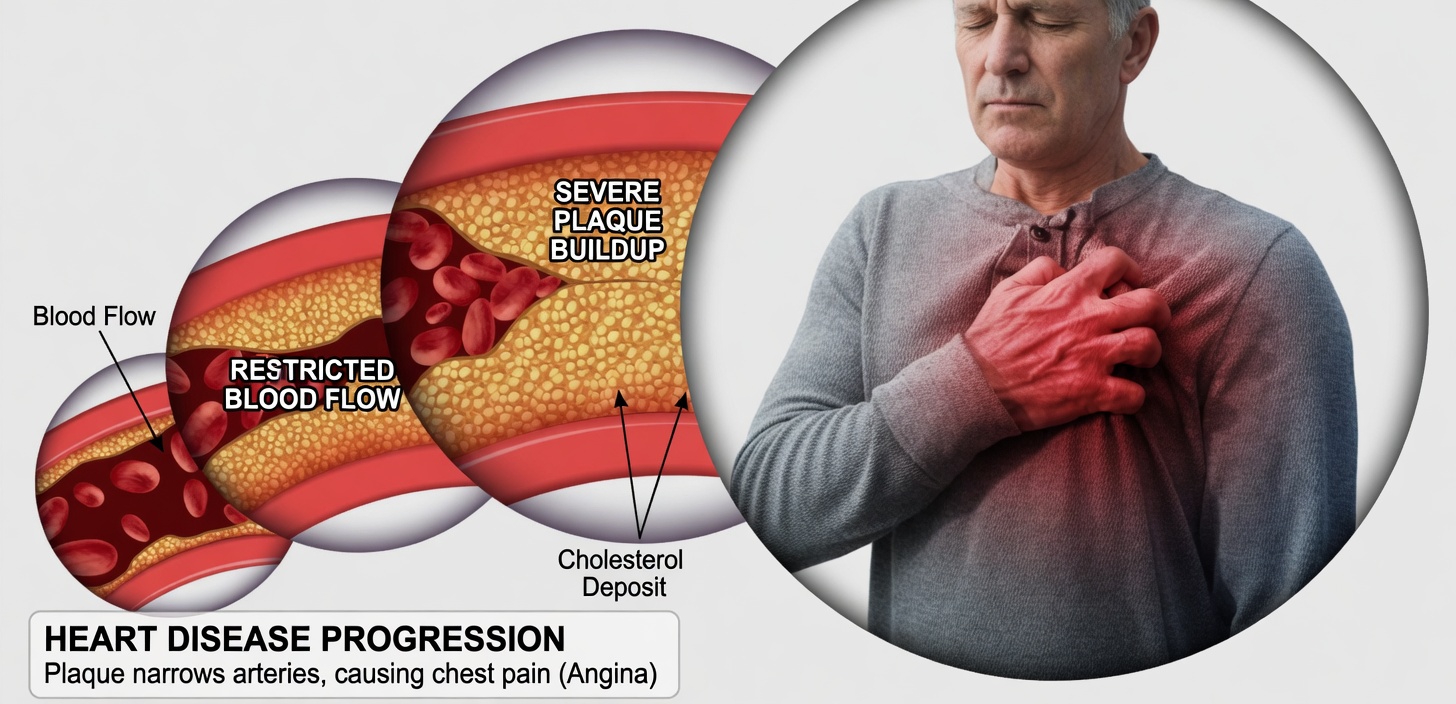
What This Means for Heart Health
Researchers believe the study points to a possible relationship between bedtime and cardiovascular health, but they also stress that more research is needed before drawing final conclusions.
If future studies confirm these findings, choosing the right sleep schedule could become a simple, affordable public health strategy to help reduce heart disease risk.
Of course, not everyone has full control over bedtime. Work schedules, family duties, and other responsibilities often make consistency difficult. Still, when possible, sleep experts recommend maintaining a regular sleep routine.
Tips for Better Sleep and Better Long-Term Health
To support both sleep quality and heart health, try these habits:
- Go to bed and wake up at consistent times
- Avoid large meals close to bedtime
- Limit caffeine later in the day
- Keep your bedroom dark and quiet
- Aim for 7 to 8 hours of sleep each night
Growing evidence shows that good sleep is not only important for feeling better the next day, but also for protecting long-term health. Prioritizing sleep may be one more powerful step toward a healthier heart.