17 Anti-Bloating Foods That Can Help You Feel Lighter Naturally
That swollen, uncomfortable feeling when your stomach suddenly seems bigger than usual can ruin your whole day. One moment you feel fine, and the next your clothes feel tight and your belly feels heavy. It is frustrating, but it is also very common.

The good news is that you do not have to rely on extreme diets or unusual supplements to get relief. Many foods that reduce bloating may already be sitting in your kitchen. With the right choices, you can support digestion, reduce water retention, and feel more comfortable naturally.
Bloating usually happens when gas builds up in the digestive system or when the body retains excess fluid. It can also appear after constipation or after eating something your stomach does not tolerate well. Fortunately, there are plenty of delicious anti-bloating foods that may help.
Why Does Bloating Happen?
A bloated stomach often has a few simple causes. In most cases, it is linked to one or more of the following:
- Trapped gas in the digestive tract
- Water retention
- Constipation
- Sensitivity to certain foods
Once you understand what may be triggering the problem, it becomes much easier to manage.
17 Best Foods for Bloating Relief
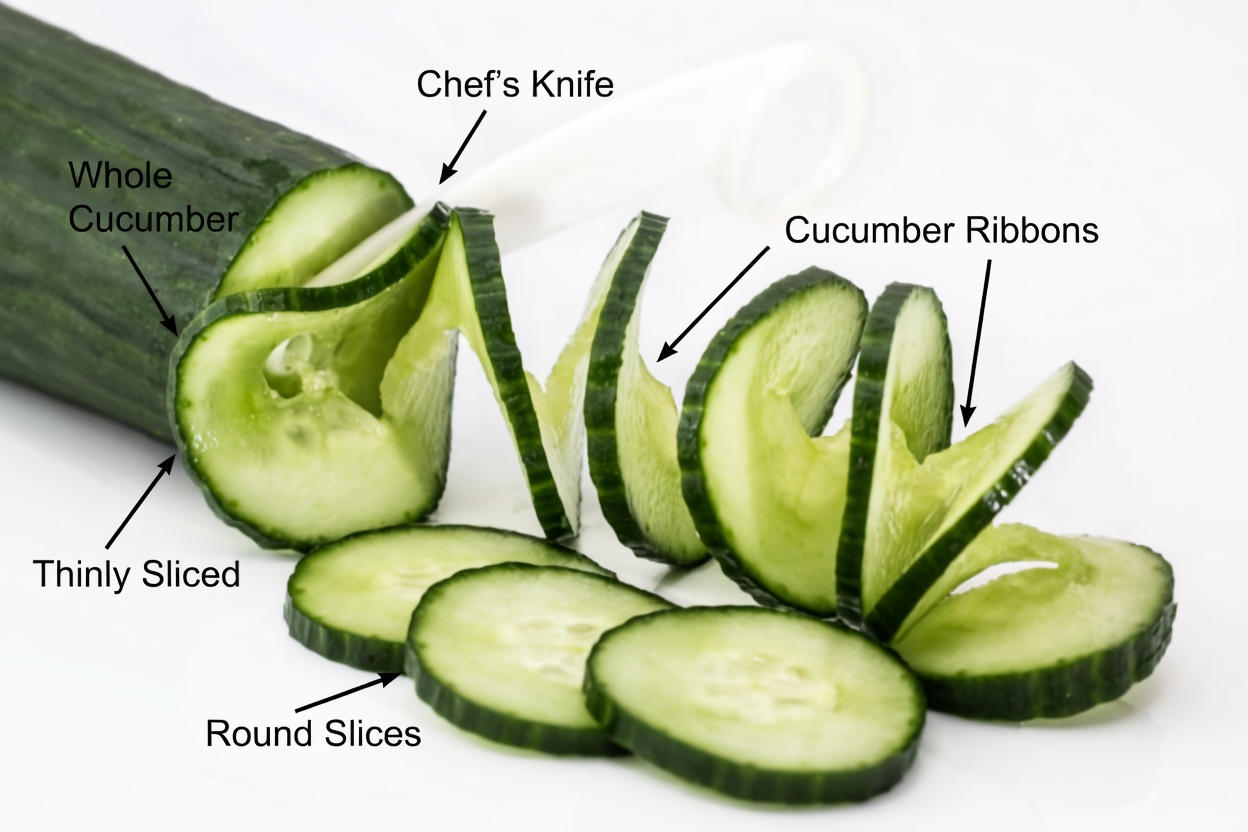
1. Cucumbers
Cucumbers are made up of about 95% water, making them excellent for hydration. When the body is dehydrated, it tends to hold onto extra water, which can make you feel puffier.
Their high water content may also help flush out excess sodium, one of the common reasons for water retention and bloating.
2. Bananas
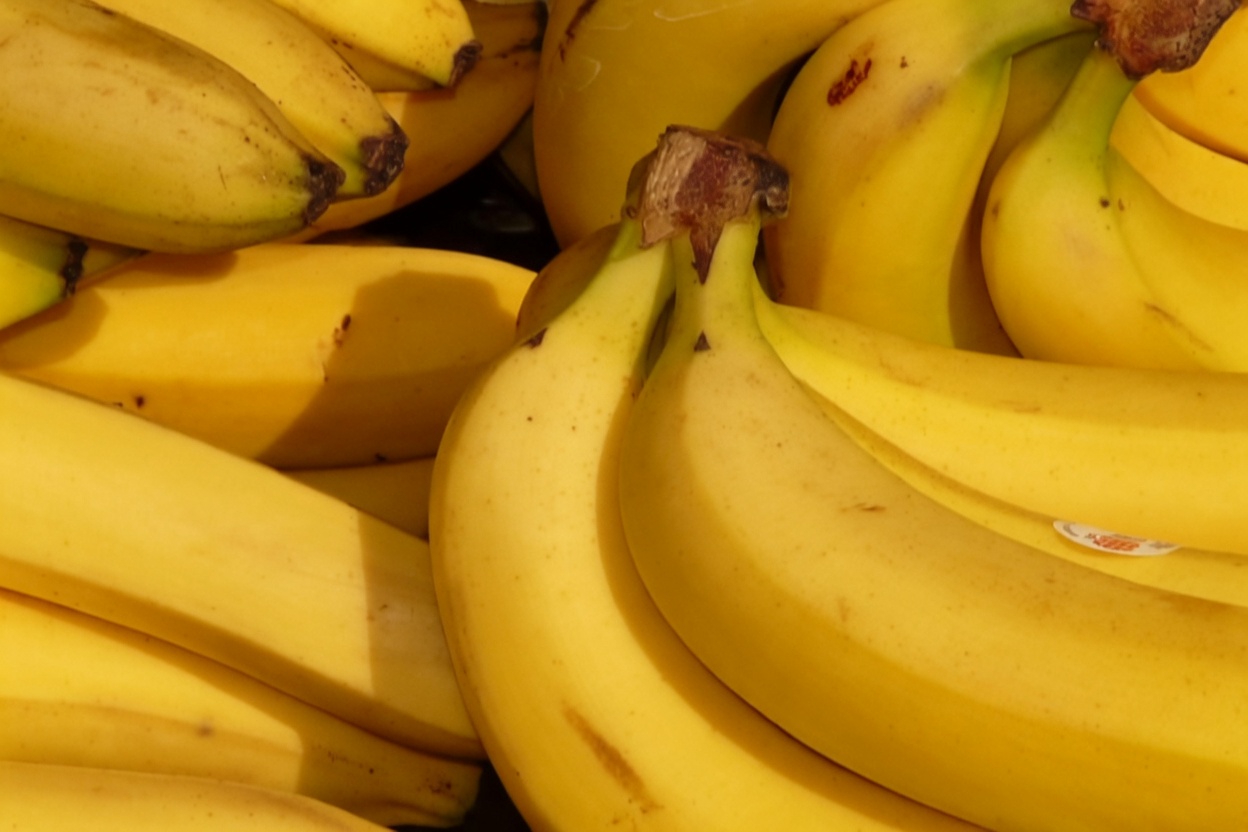
Bananas are rich in potassium, a mineral that helps balance sodium levels in the body. This can reduce fluid retention and help your stomach feel less swollen.
One medium banana contains around 358 mg of potassium, making it a simple and convenient anti-bloating snack.
3. Avocados
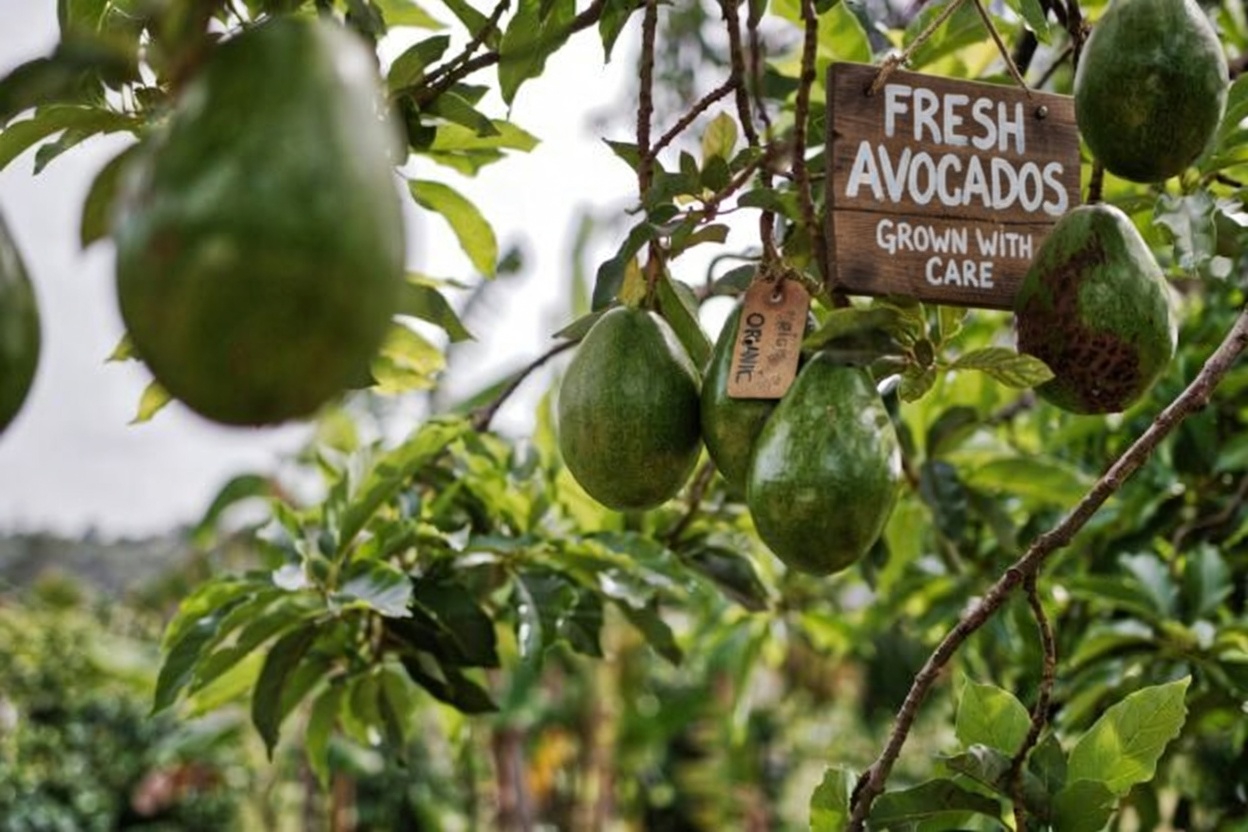
Avocados offer a powerful combination of potassium and fiber. One avocado provides about 975 mg of potassium and 10 g of fiber.
Potassium helps limit water retention, while fiber supports healthy digestion and keeps food moving smoothly through the intestines.

4. Yogurt
Plain yogurt with live active cultures contains probiotics, which are beneficial bacteria that support gut health. A healthy gut microbiome can help reduce gas, digestive discomfort, and bloating.
For the best results, choose plain yogurt with no added sugar and check the label for live cultures.
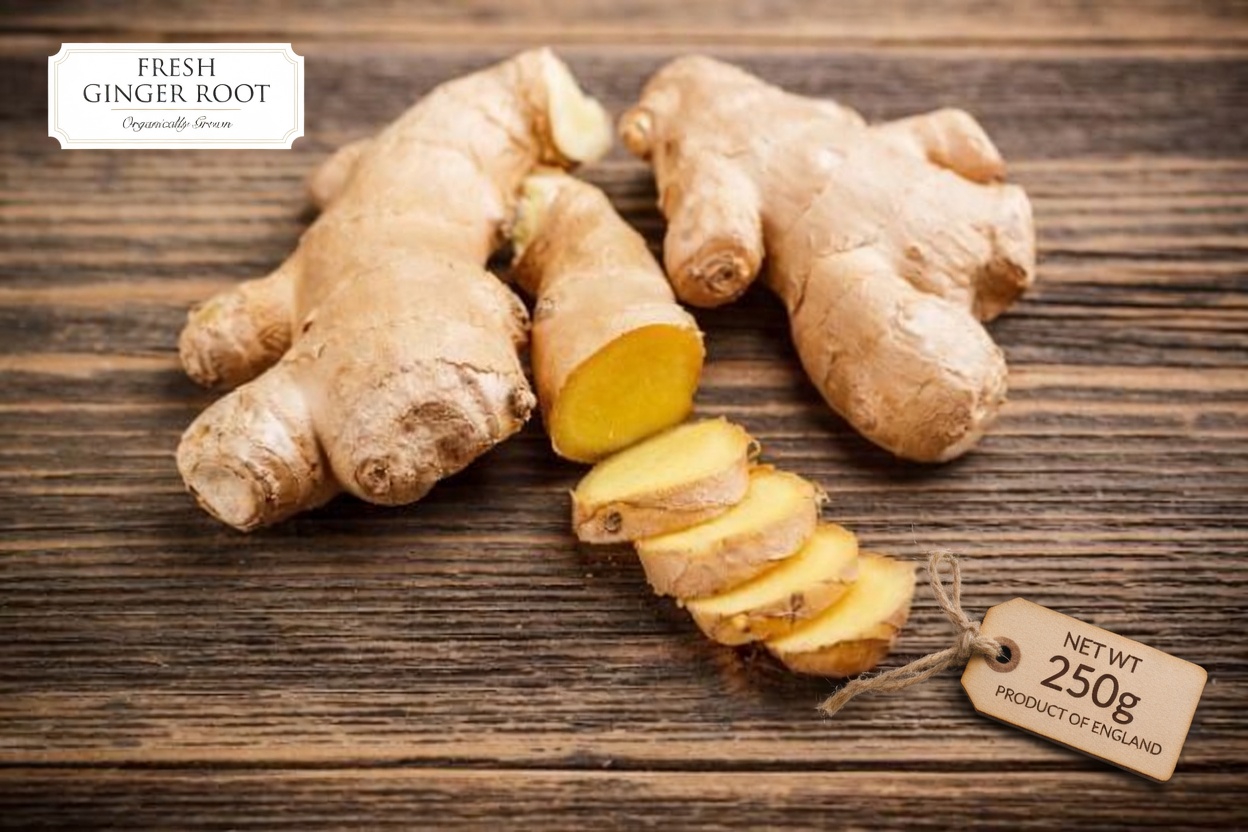
5. Ginger
Ginger is one of the most popular natural remedies for digestive discomfort. It may help the stomach empty faster, which can reduce gas buildup after meals.
It also has anti-inflammatory properties that may soothe the digestive tract. Fresh ginger, ginger tea, and ginger supplements can all be helpful.
6. Papaya
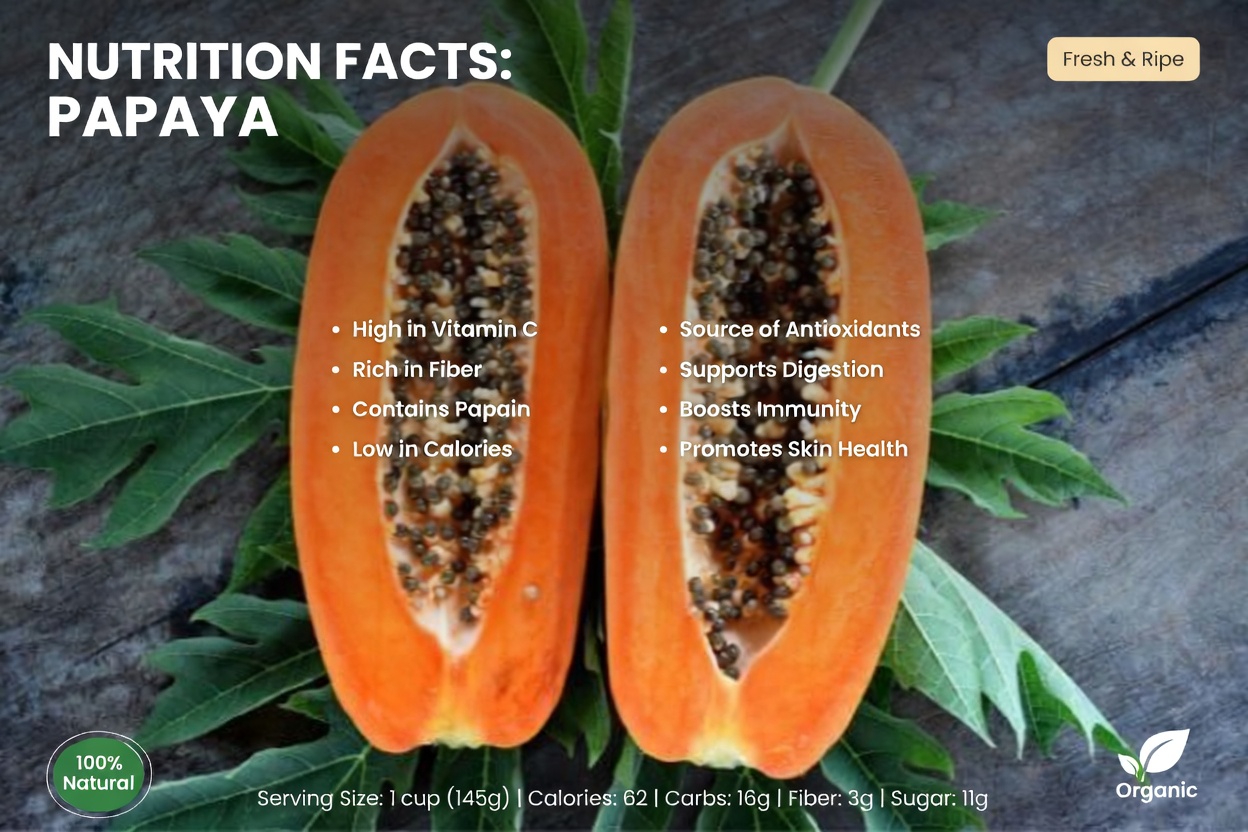
Papaya contains papain, a natural enzyme that helps break down protein. This can support digestion and reduce that heavy, overly full feeling after eating.
Fresh papaya is generally more effective than dried papaya when it comes to digestive support.
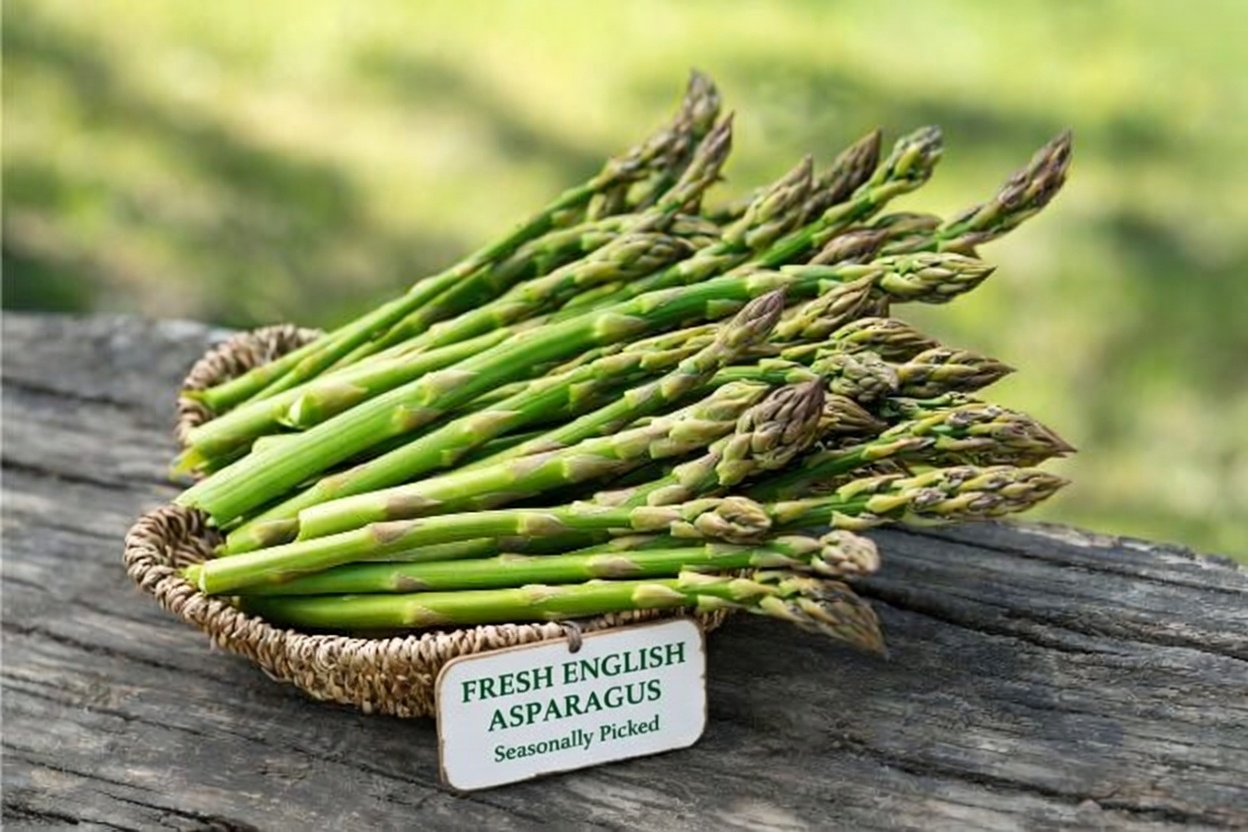
7. Asparagus
Asparagus works as a natural diuretic, which means it can help the body release excess water. It also contains prebiotics that feed healthy gut bacteria.
One cup provides about 3 g of fiber, making it a smart choice for digestion and regularity.
8. Pineapple
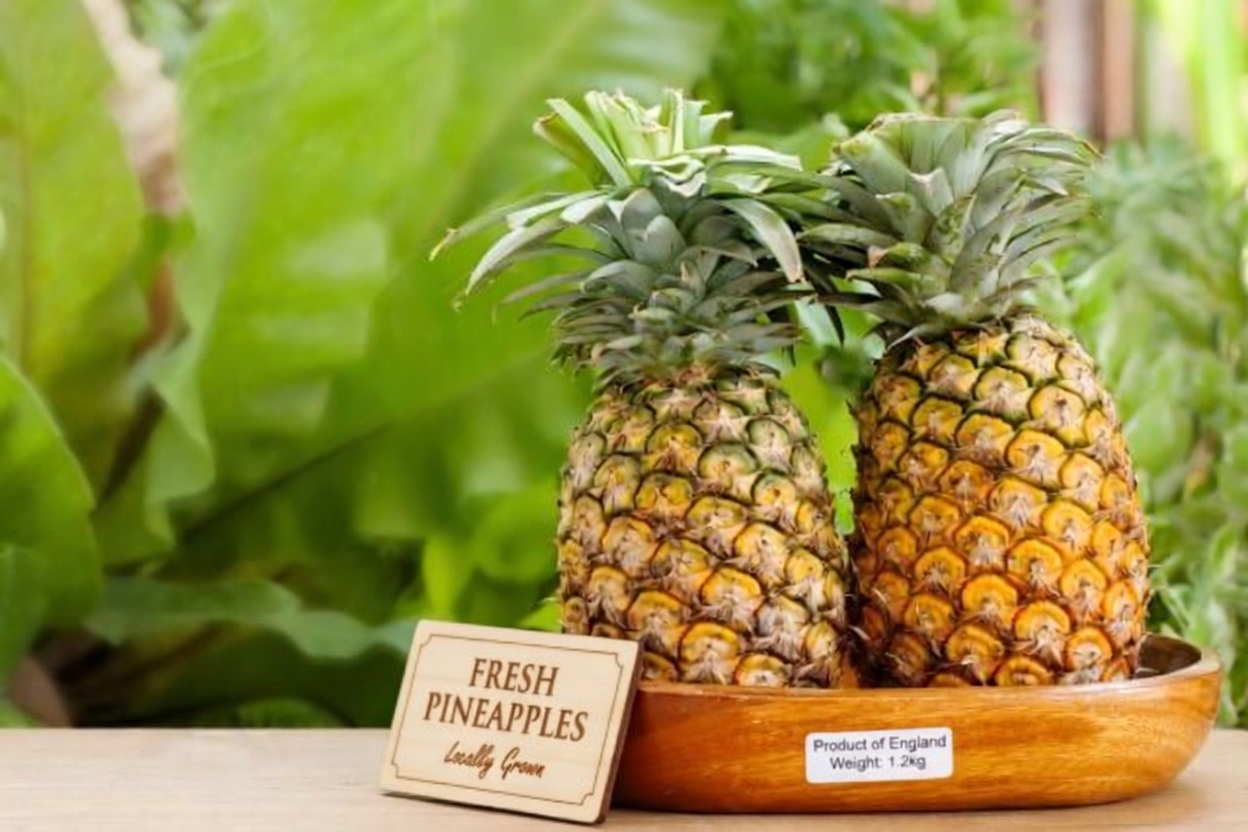
Fresh pineapple contains bromelain, an enzyme that helps digest protein and may reduce inflammation. This can be especially helpful after meals that are high in protein.
Fresh pineapple is usually a better option than canned pineapple because it contains more bromelain.
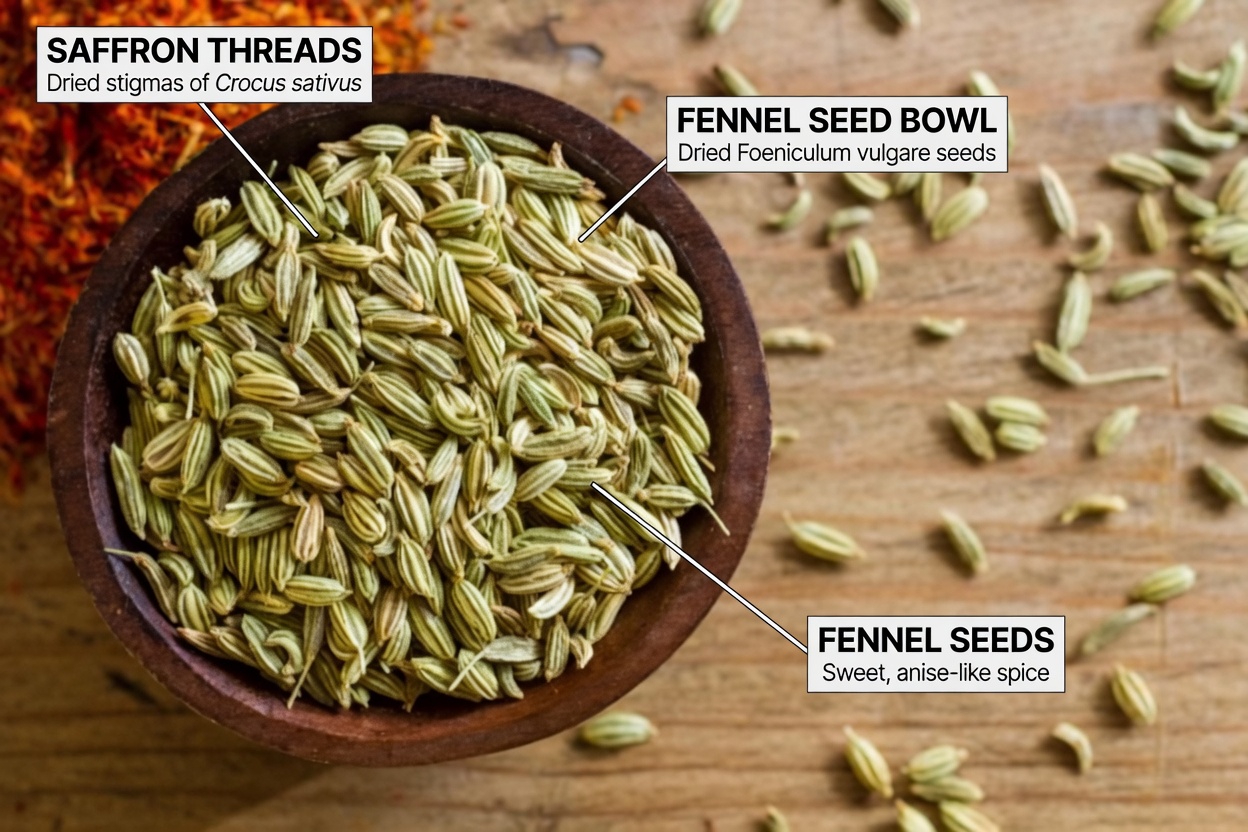
9. Fennel
Fennel has long been used as a traditional remedy for digestive discomfort. It may help relax the muscles in the digestive tract, allowing trapped gas to pass more easily.
You can eat the bulb raw or cooked, or drink fennel tea for a soothing option.
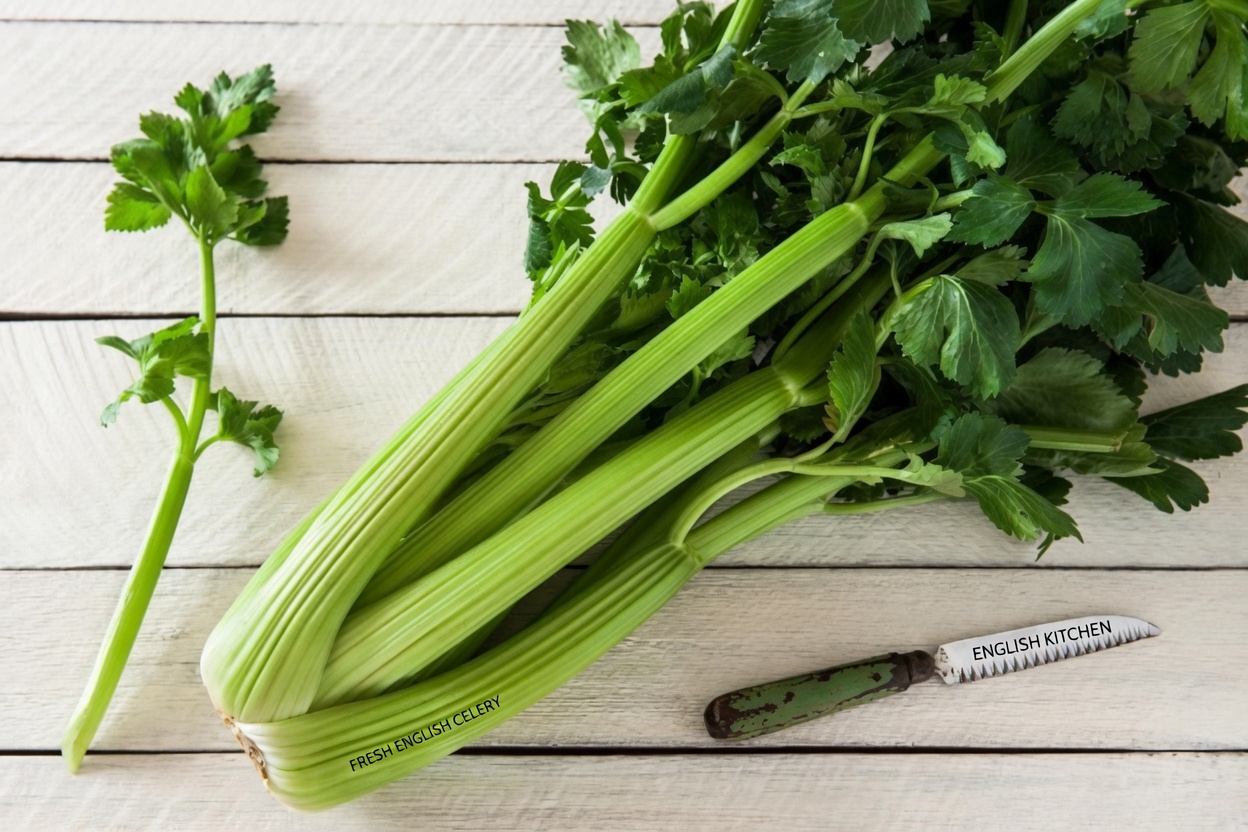
10. Celery
Celery is another hydrating vegetable made up of roughly 95% water. It also contains natural compounds that may act like mild diuretics.
This makes celery useful for reducing water retention while also adding fiber to support digestion. Each stalk contains about 1 g of fiber.
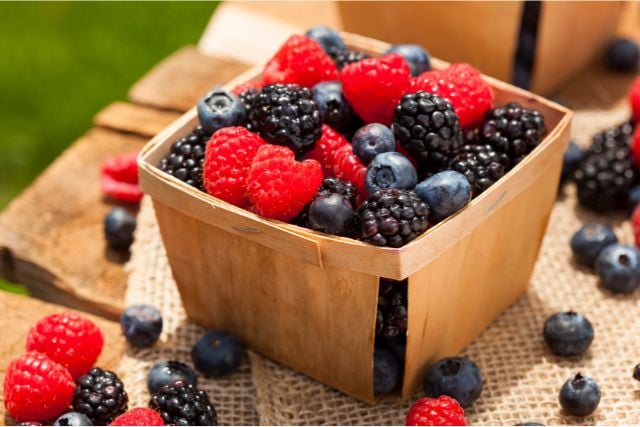
11. Berries
Strawberries, blueberries, raspberries, and other berries are packed with fiber and antioxidants. These nutrients can support gut health and help lower inflammation.
A single cup of berries provides around 6 to 8 g of fiber, which may help improve bowel regularity and reduce bloating over time.
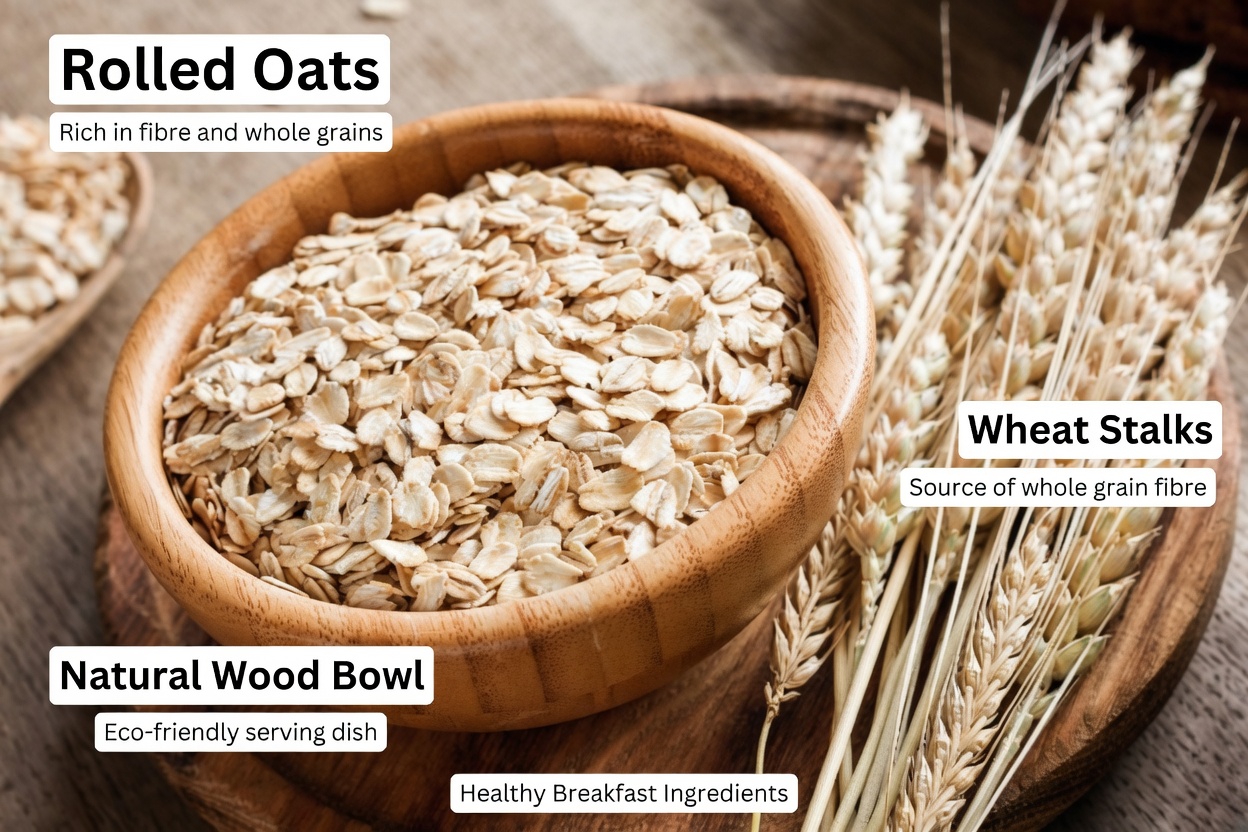
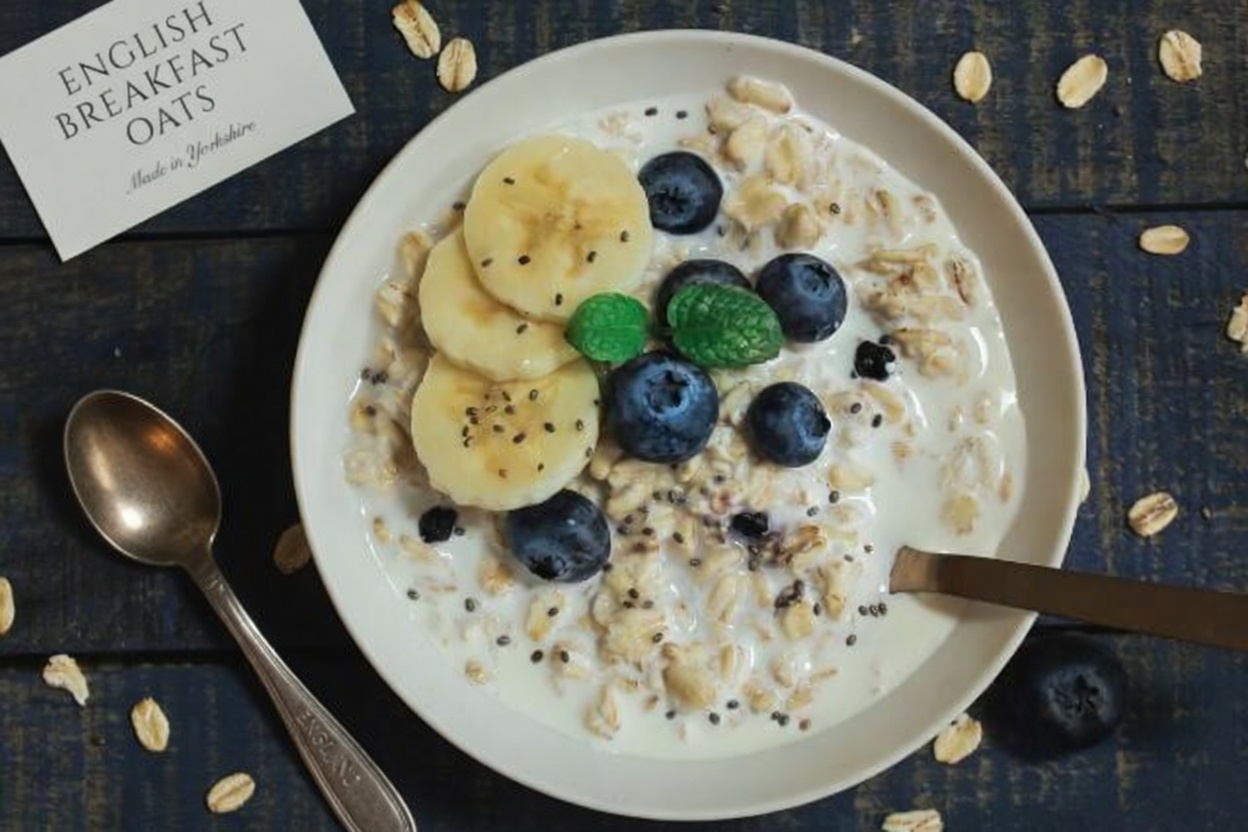
12. Oats
Oats are rich in soluble fiber, which helps regulate bowel movements and supports a healthy digestive system. They may also help reduce gas production in some people.
A half-cup serving contains about 4 g of fiber. For the healthiest option, choose plain oats without added sugars.
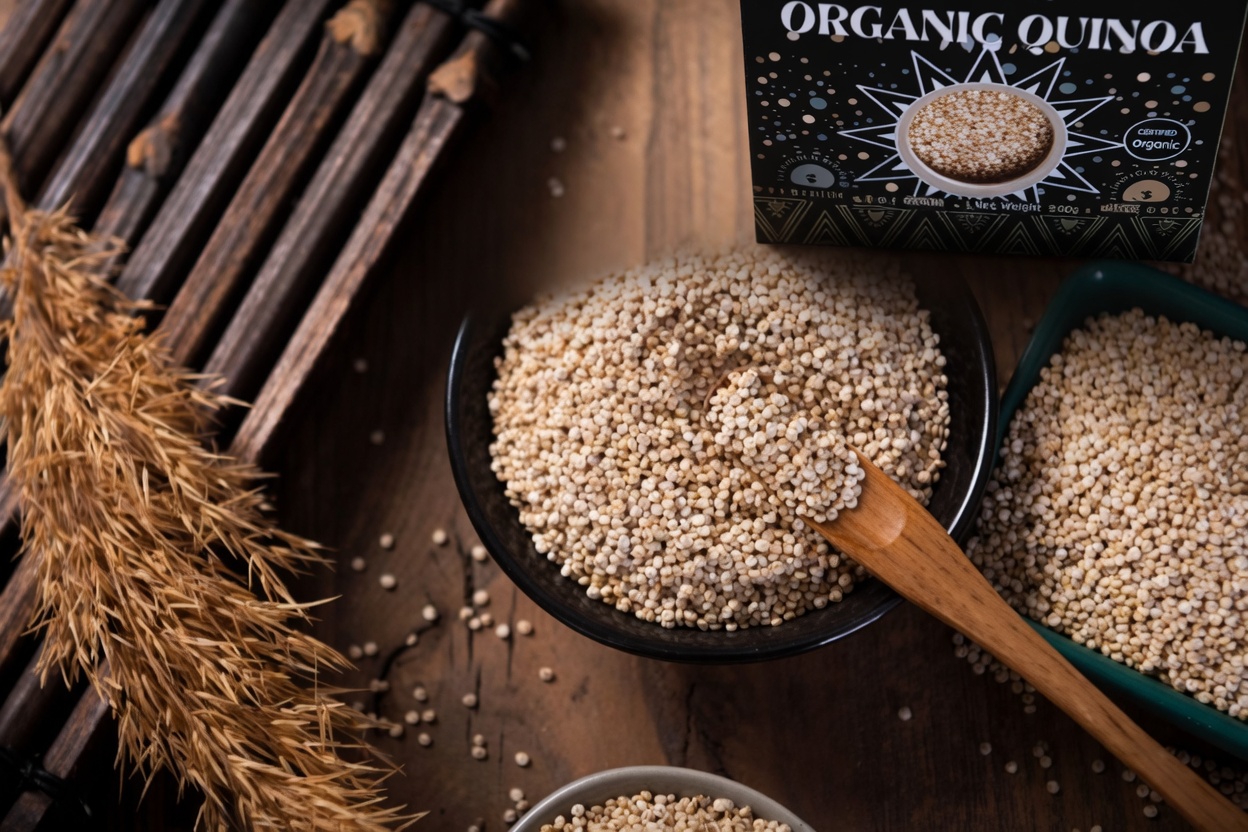
13. Quinoa
Quinoa is naturally gluten-free, so it can be easier to digest for people who are sensitive to gluten. It also delivers a good balance of protein and fiber.
One cooked cup provides about 8 g of protein and 5 g of fiber, both of which support steady digestion and fullness.
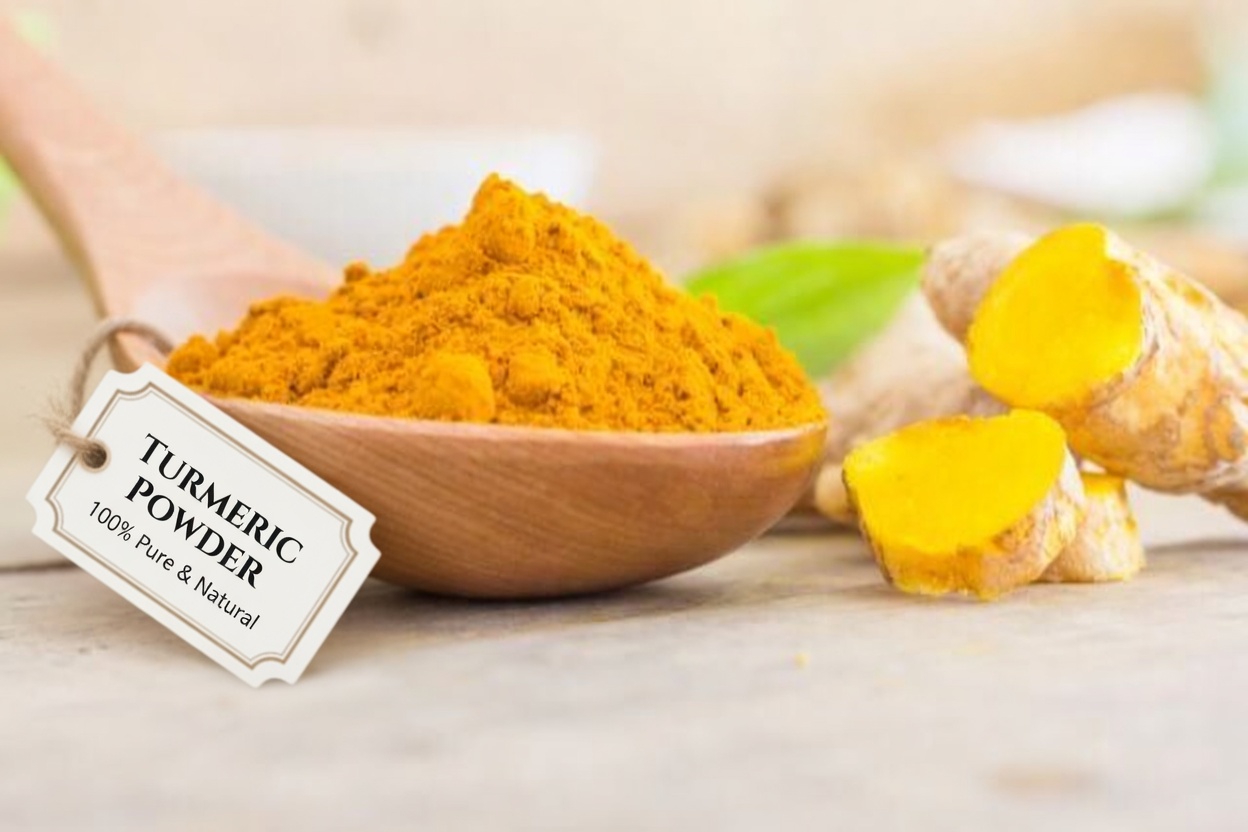
14. Turmeric
Turmeric contains curcumin, a compound known for its anti-inflammatory effects. Research suggests it may help reduce digestive inflammation and may even ease symptoms of irritable bowel syndrome, including bloating.
Adding 1 to 2 teaspoons to meals or warm drinks is a simple way to include it in your routine.
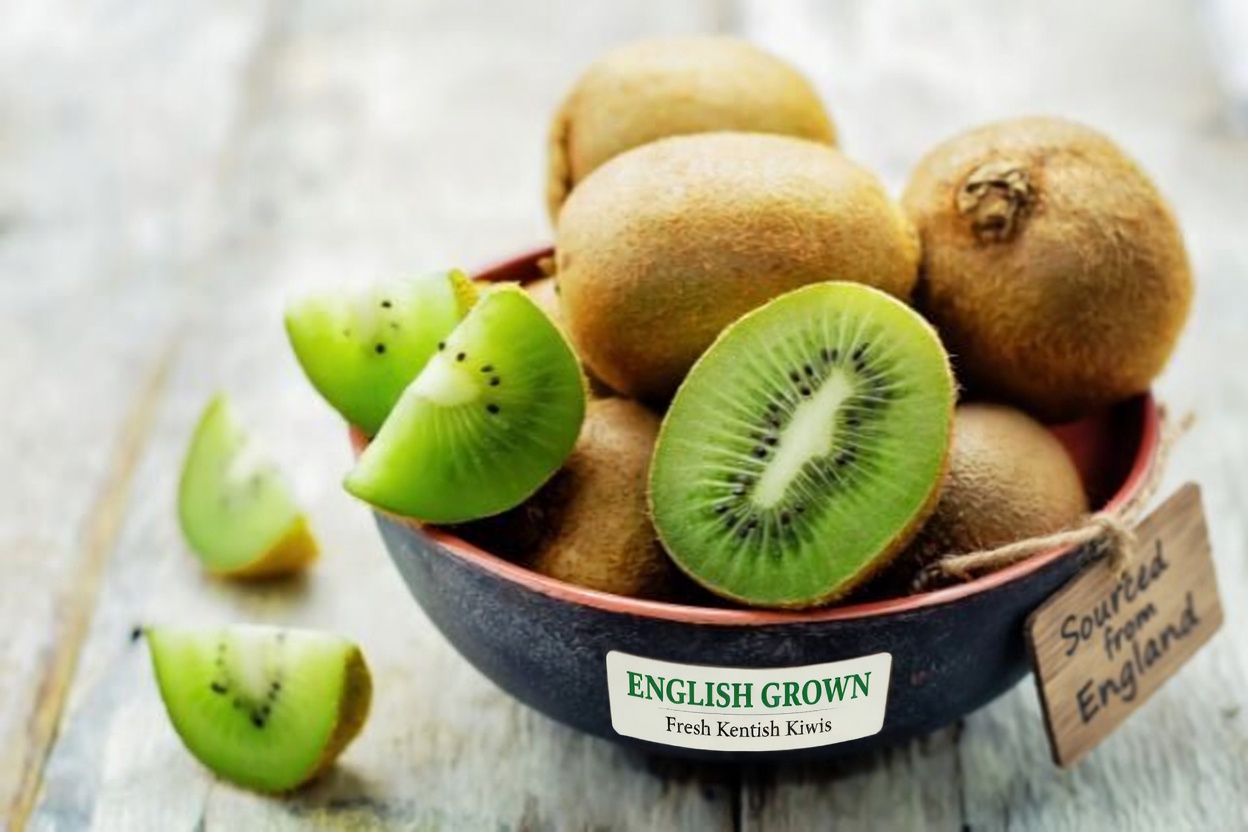
15. Kiwi
Kiwi contains an enzyme called actinidin, which helps break down proteins and may speed digestion. This can make meals feel easier on the stomach.
Two kiwis provide about 5 g of fiber along with a strong dose of vitamin C, both of which support digestive health.
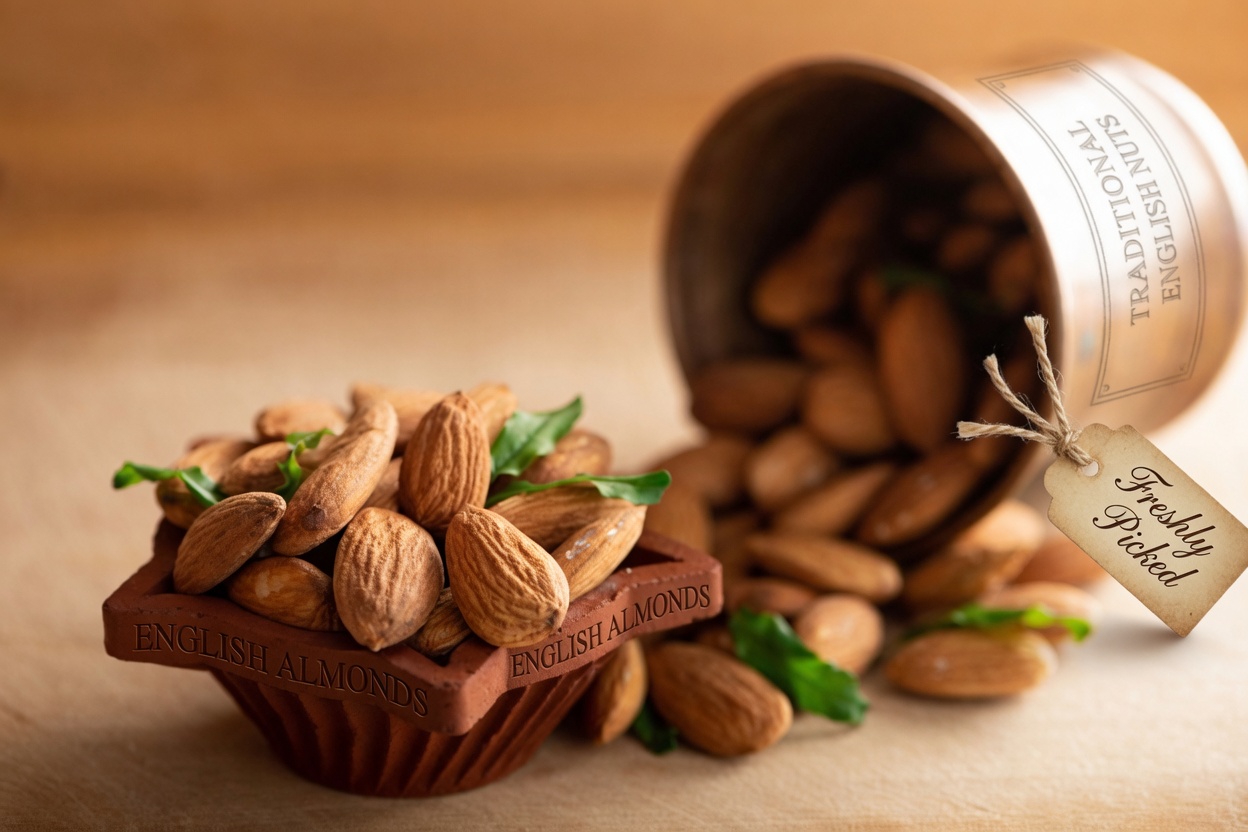
16. Almonds
Almonds offer healthy fats, protein, and fiber, which can help keep you full without leaving you feeling overly heavy.
A 1-ounce serving, or about 23 almonds, contains 3.5 g of fiber and may help control appetite between meals.
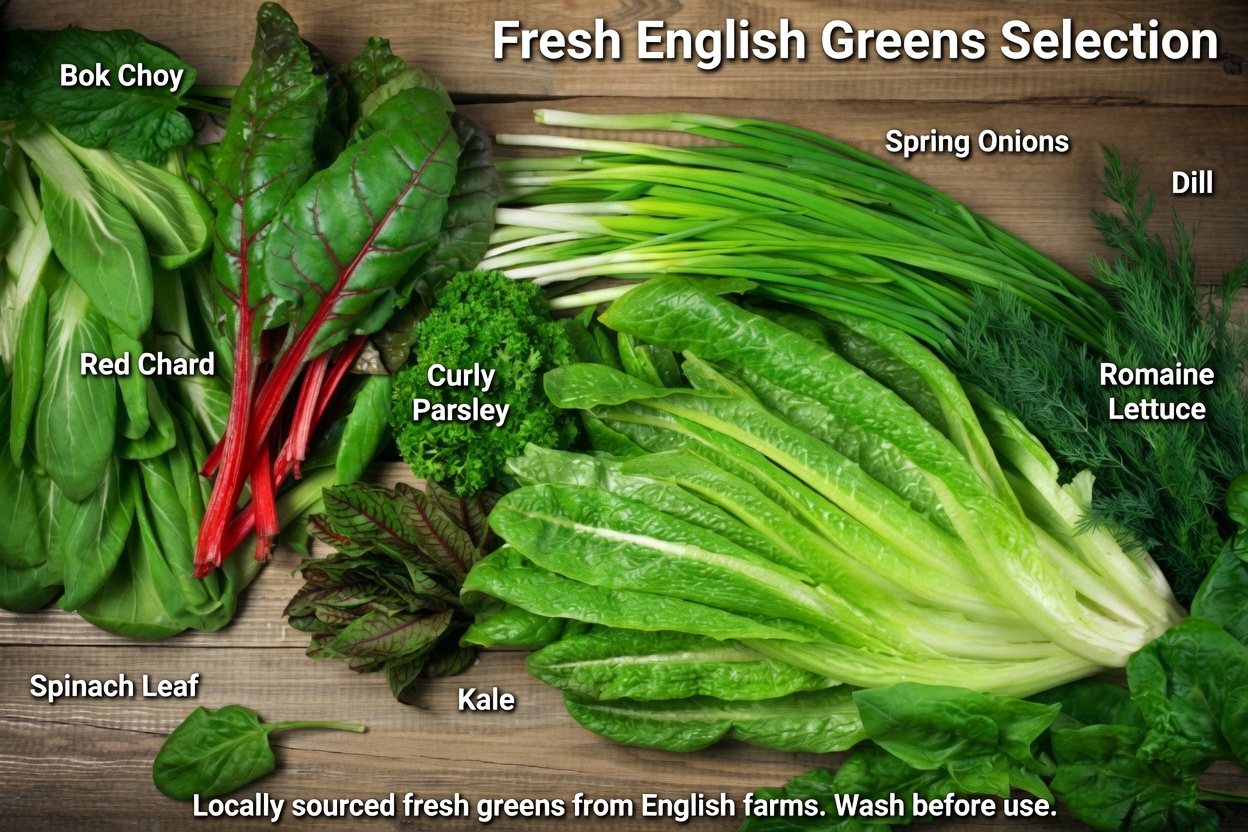
17. Spinach and Other Leafy Greens
Spinach, kale, and other leafy greens are nutrient-dense and generally easy to digest. They provide fiber, vitamins, and minerals that support digestive function.
They are low in calories but rich in nutrients, making them a smart choice for anyone trying to improve gut health and reduce bloating.
Drinks That Can Help Reduce Bloating
What you drink matters just as much as what you eat. Some beverages can help digestion and ease discomfort naturally.
- Green tea: Contains antioxidants and a small amount of caffeine, which may help keep digestion moving
- Peppermint tea: A classic choice for soothing the stomach and calming bloating
- Lemon water: Helps with hydration and may support digestion, especially in the morning
Foods That May Make Bloating Worse
While many foods can help, others may trigger or worsen bloating, especially if your digestive system is sensitive.
- Soda and carbonated drinks, because trapped bubbles can increase gas
- Beans, which are nutritious but can produce a lot of gas
- Broccoli and cauliflower, which are healthy but may be harder for some people to digest
- Milk and cheese, especially if you are sensitive to dairy
- Very salty foods, which can increase water retention
Learn about the causes, symptoms, and healing tips in our comprehensive guide to leaky gut syndrome.
How to Get Better Results From Anti-Bloating Foods
1. Start Small
There is no need to add all 17 foods at once. Begin with two or three that you already enjoy and build from there.
2. Drink Enough Water
Many anti-bloating foods work best when you stay hydrated throughout the day. Water helps fiber do its job and supports healthy digestion.
3. Eat More Slowly
Even healthy foods can lead to discomfort if you eat too quickly. Slowing down may help you swallow less air and digest food more comfortably.
4. Pay Attention to Your Body
Everyone responds differently to foods. Notice which foods help you feel lighter and which ones seem to make things worse.
5. Move After Meals
A short walk after eating can support digestion and reduce the chances of gas and heaviness.
Signs Your Diet Is Helping Your Bloating
As you include more anti-bloating foods in your meals, you may begin to notice positive changes.
Week 1 to 2
- Less gas
- Easier bowel movements
- A stomach that feels less tight after eating
Week 3 to 4
- Clothes may feel more comfortable around your waist
- Bloating episodes may happen less often
After 2 Months
- Better overall digestion
- More regular bowel movements
- Higher energy levels
Long-Term Benefits
- Less inflammation
- Improved gut health
- Greater comfort after meals on a regular basis
Easy Anti-Bloating Food Combinations
Pairing the right foods together can make them even more effective. Try these simple combinations:
- Morning support: Lemon water, ginger tea, and a banana with oats
- Before meals: Fennel tea with a small handful of almonds
- After meals: Fresh pineapple and peppermint tea
- Hydration combo: Cucumber water with a leafy green salad topped with avocado
- Evening option: Turmeric tea with a small serving of plain yogurt

Simple Tips for Everyday Bloating Relief
Building a daily routine around digestion-friendly habits can make a big difference.
- Keep meals balanced instead of overly large
- Choose whole foods more often
- Limit highly processed and salty snacks
- Stay active during the day
- Track foods if you suspect sensitivities

When to Pay Closer Attention
Occasional bloating is normal, but frequent or severe bloating may be a sign that something else is going on. If symptoms happen often, become painful, or are linked with other digestive issues, it may be worth speaking with a healthcare professional.
Getting to the root cause can help you choose the best foods and habits for long-term relief.

Final Thoughts
Bloating can feel miserable, but it does not have to be something you simply accept. These 17 anti-bloating foods can help reduce gas, support digestion, and ease water retention in a natural way.
You do not need to eat every single one every day. Start with the options you genuinely enjoy and add them into your routine little by little. With consistency, patience, and a bit of attention to how your body responds, you may notice a real difference.
Your kitchen may already hold some of the best natural remedies for bloating. Choose a few foods that support digestion, stay hydrated, and give your body time to adjust. A more comfortable stomach and a lighter feeling could be much closer than you think.