Experts Explain What Causes Visceral Fat and How to Reduce It
Most people dislike extra belly fat because of how it looks, but the bigger concern is what it can do to your health.
Belly fat is often linked to visceral fat, a type of fat stored deep in the abdominal area. It can create a bulge around the waist and make clothes feel tighter, but its effects go far beyond appearance.
Eating too much junk food, drinking excess alcohol, and falling out of balance with healthy habits can all contribute to more abdominal fat. And yes, that balance can be difficult to maintain while still enjoying life.
Body fat is completely normal, and everyone has it. The problem begins when fat levels become too high, increasing the risk of long-term health issues.
The encouraging part is that visceral fat can be reduced. With the right diet and lifestyle changes, you can lower belly fat and improve your overall health.
In this guide, you will learn what visceral fat is, why it is dangerous, what causes it, and how to get rid of it.
Related reading
- How to Lose Belly Fat for Men: 12 Simple Tips, Backed by Science
- Body Types: Are You an Ectomorph, Mesomorph, or Endomorph?
- 7-Day Diet to Lose Belly Fat
- 6 Simple Ways to Get a Smaller Waist
Why Visceral Fat Is More Dangerous Than Other Fat
Many people assume all body fat is the same, but that is not true.
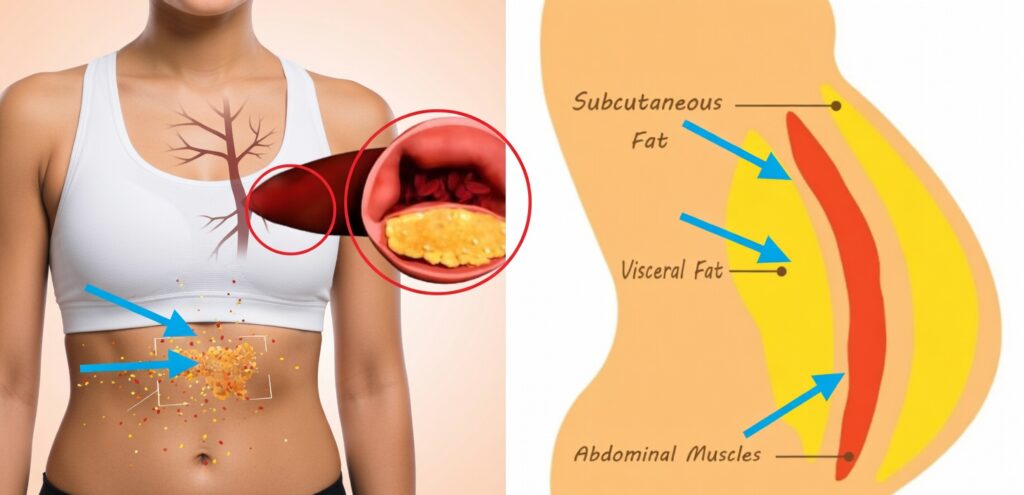
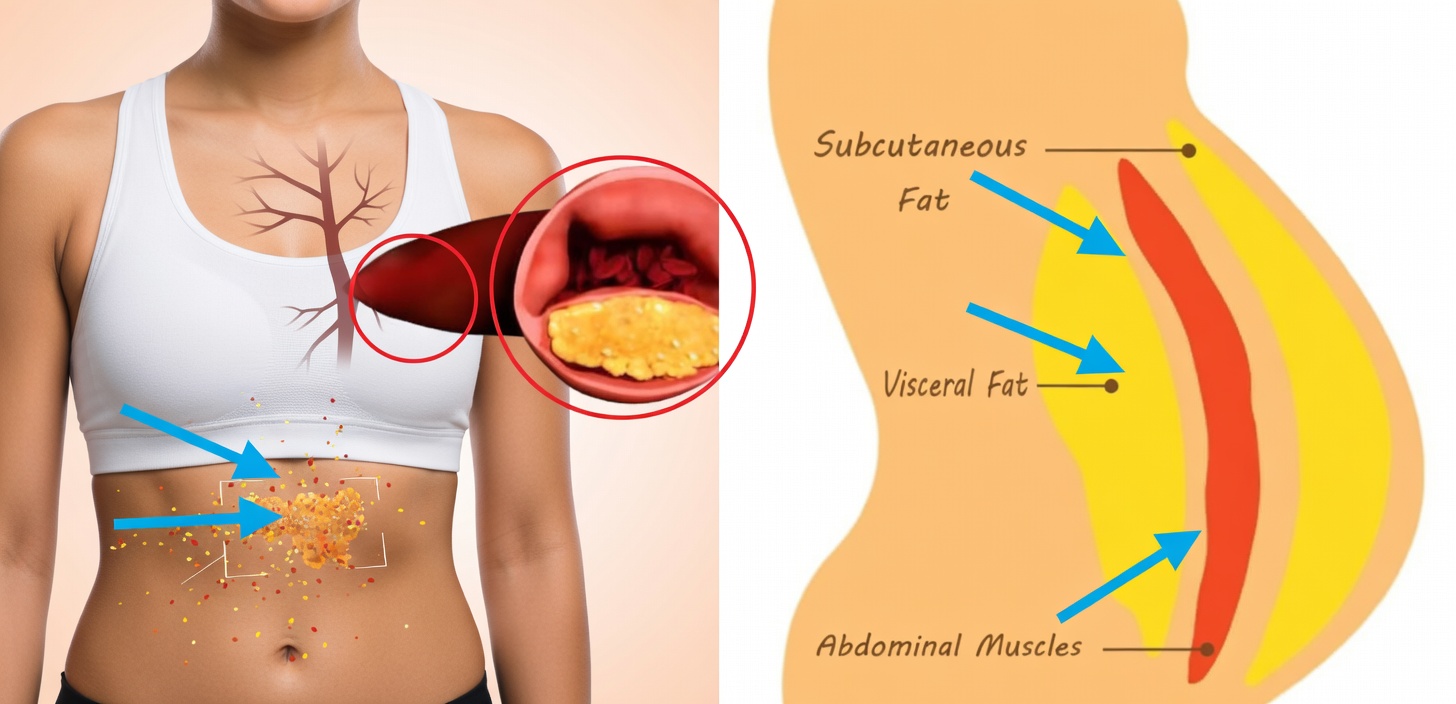
Subcutaneous fat sits just under the skin. It is the fat you can often see or pinch.
Visceral fat, on the other hand, is stored much deeper inside the abdomen. It surrounds and cushions vital organs such as the:
- intestines
- stomach
- liver
It can also collect around blood vessels and build up in the abdominal region, which contributes to belly fat.
A certain amount of visceral fat is necessary because it helps protect internal organs. However, when too much accumulates, it can seriously affect your health. Research suggests that roughly 10% of total body fat is visceral fat.
Excess visceral fat has been linked to major health problems, including:
- High blood pressure
- High cholesterol
- Insulin resistance
- Sleep apnea
- Heart disease
- Fatty liver disease
- Certain cancers
In women, elevated visceral fat levels have also been associated with breast cancer and may increase the likelihood of needing gallbladder surgery.
Am I at Risk for High Visceral Fat?
The most accurate way to measure visceral fat is with imaging tests such as:
- MRI scan
- CT scan
However, these tests are expensive and not commonly used just to check belly fat levels.
In most cases, healthcare professionals estimate risk by looking at several other indicators.
1. BMI (Body Mass Index)
Body Mass Index, or BMI, estimates body fat based on your height and weight.
If your BMI is over 30, you fall into the obesity category, which may suggest higher visceral fat levels.
There are many online BMI calculators that can give you a result within seconds. Still, BMI is not perfect. Some people with a “normal” BMI can still carry too much abdominal fat, while many adults with obesity also have abdominal obesity or insulin resistance.
2. Body Shape
Your natural body shape can offer clues about where you store fat.
If most of your extra weight gathers around your belly, you may be carrying more visceral fat.
The two most common body shape patterns are:
- Pear-shaped: more fat stored in the hips, thighs, and lower body
- Apple-shaped: more fat stored around the abdomen and upper body
Pear-shaped bodies are often considered lower risk than apple-shaped bodies. People with an apple shape tend to have more abdominal fat and face a higher risk of chronic disease.
Body shape can also change over time. For example, as women age and especially during menopause, fat often shifts from the thighs and hips toward the stomach.
Genetics matter too. Many people notice that their body shape is similar to that of close relatives.
3. Waist Circumference
A simple way to estimate abdominal fat is by measuring your waist.
To do this, place a tape measure around your waist at the level of your belly button.
Risk thresholds for waist size
- Men: more than 40 inches or 102 cm
- Women: more than 30 inches or 76 cm
If your waist measurement is above these ranges, your health risk may be higher. Still, it is best to discuss your personal situation with a healthcare provider, since age, genetics, and other factors can also influence risk.
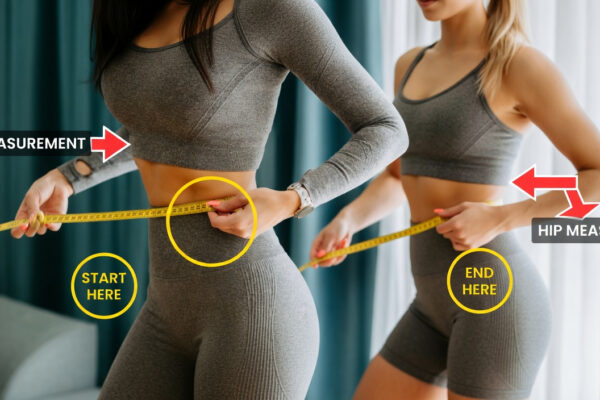
4. Waist-to-Hip Ratio
Research strongly supports the connection between waist-to-hip ratio (WHR) and increased visceral fat.
Here is how to calculate it:
- Measure your waist at its narrowest point, usually around the belly button.
- Measure your hips at the widest point.
- Divide your waist measurement by your hip measurement.
Healthy waist-to-hip ratio ranges
- Men: less than 0.99
- Women: less than 0.90
A higher number may indicate excess visceral fat storage.
Why Does Visceral Fat Increase Health Risks?
Visceral fat affects far more than your appearance. It is considered especially harmful because it can raise inflammation and increase the likelihood of chronic disease.
Scientists now understand that visceral fat is not just passive fat storage. It behaves like an active endocrine organ, meaning it can release hormones and inflammatory substances that may damage health over time.
This fat can promote the production of compounds called cytokines, which contribute to inflammation in body tissues. These processes may also narrow blood vessels and arteries, increasing the risk of high blood pressure and heart disease.
Because visceral fat sits close to major organs like the liver and pancreas, it can also interfere with normal fat metabolism. It may:
- raise LDL (“bad”) cholesterol
- make it harder for the body to break down fat
- increase the release of free fatty acids into the liver
- contribute to elevated cholesterol and insulin levels
What Causes Visceral Fat?
So what leads to visceral fat build-up?
Poor diet
One of the biggest causes of belly fat is eating more calories than your body needs. Excess calories are often stored around the midsection.
Diets high in the following are especially linked to abdominal weight gain:
- Fructose
- Trans fats
- Refined carbohydrates
- Highly processed foods
A poor diet does not just increase belly fat. It also raises the risk of:
- obesity
- heart disease
- high blood pressure
- other chronic illnesses
Stress and hormones
Hormones also play a major role.
The stress hormone cortisol is often associated with increased belly fat. Chronically high stress may encourage the body to store more fat around the abdomen.
Insulin is another factor. When insulin levels are poorly regulated, the body may be more likely to store fat around abdominal organs.
Alcohol and lifestyle habits
Drinking too much alcohol, being inactive, sleeping poorly, and following inconsistent daily habits can all contribute to higher visceral fat levels.
How to Get Rid of Visceral Fat
When people think about losing belly fat, they often imagine liposuction, weight-loss surgery, or miracle supplements.
But in many cases, the most effective approach is much simpler: healthy lifestyle changes.
A balanced diet, regular physical activity, good sleep, and stress management can all help reduce visceral fat. For many adults with obesity, losing even 10% of body weight may lead to visible waist reduction and meaningful fat loss.
Below are five healthy strategies to help reduce stubborn belly fat.
1. Cut Back on Sugar
Reducing added sugar, especially fructose-sweetened drinks, is one of the easiest ways to lower calorie intake.
For example, one bottle of soda can contain about 240 calories, mostly from sugar. It may take around 25 minutes of jogging to burn that off.
If you simply remove two sugary sodas a day without changing anything else, you could significantly reduce your weekly calorie intake.
Better drink choices
- water
- sparkling water without sugar
- unsweetened tea
- black coffee in moderation
Cutting down on sugary drinks is one of the fastest ways to support belly fat loss.
2. Eat More Whole, Nutrient-Dense Foods
A diet built around whole foods can help reduce visceral fat and improve long-term health.
Focus on foods such as:
- vegetables
- fruits
- lean protein
- eggs
- beans and legumes
- nuts and seeds
- whole grains
- healthy fats like olive oil and avocado
Protein is especially helpful because it can support muscle mass and keep you feeling full longer, making it easier to avoid overeating.
Try to limit:
- ultra-processed snacks
- fast food
- pastries
- white bread
- fried foods
- trans fats
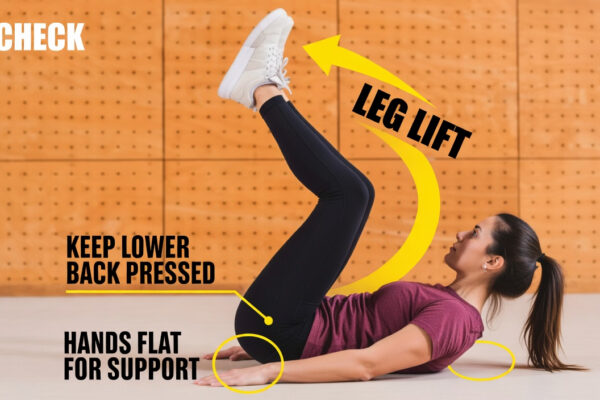
3. Exercise Regularly
Physical activity is one of the most effective tools for reducing belly fat.
The best results usually come from combining:
- cardio, such as walking, jogging, cycling, or swimming
- strength training, such as weightlifting or bodyweight exercises
You do not need an extreme workout plan to see progress. What matters most is consistency.
Good starting options
- brisk walking 30 minutes a day
- strength training 2 to 3 times per week
- taking more steps throughout the day
- choosing stairs when possible
Exercise helps burn calories, improve insulin sensitivity, and support fat loss around the abdomen.
4. Manage Stress
Stress can make belly fat harder to lose, especially when cortisol remains elevated for long periods.
Helpful stress-reducing habits include:
- meditation
- deep breathing
- yoga
- walking outdoors
- journaling
- talking to a therapist or trusted friend
Even a few minutes of stress relief each day can support better hormone balance and healthier weight management.
5. Prioritize Sleep
Poor sleep is strongly linked to weight gain and increased abdominal fat.
When you do not sleep enough, your body may experience changes in hunger hormones that make cravings and overeating more likely.
Better sleep habits include:
- keeping a regular bedtime
- limiting screens before bed
- avoiding heavy meals late at night
- reducing caffeine in the evening
- creating a cool, dark sleeping space
Aim for 7 to 9 hours of sleep per night whenever possible.
Final Thoughts
Visceral fat is more than a cosmetic issue. It is a type of deep abdominal fat that can increase the risk of serious health conditions, including heart disease, insulin resistance, fatty liver, and high blood pressure.
The main causes of visceral fat often include:
- poor diet
- too much sugar
- excess alcohol
- stress
- inactivity
- hormonal imbalance
- inadequate sleep
The good news is that visceral fat can be reduced. Small, sustainable changes in diet and lifestyle can make a real difference over time.
If you are concerned about your waist size, body shape, or overall health risk, speak with a healthcare professional. Taking action now can help you reduce belly fat, improve your health, and regain control of your life.