Why Canola, Corn, and Vegetable Oils May Not Be the Best for High-Heat Cooking
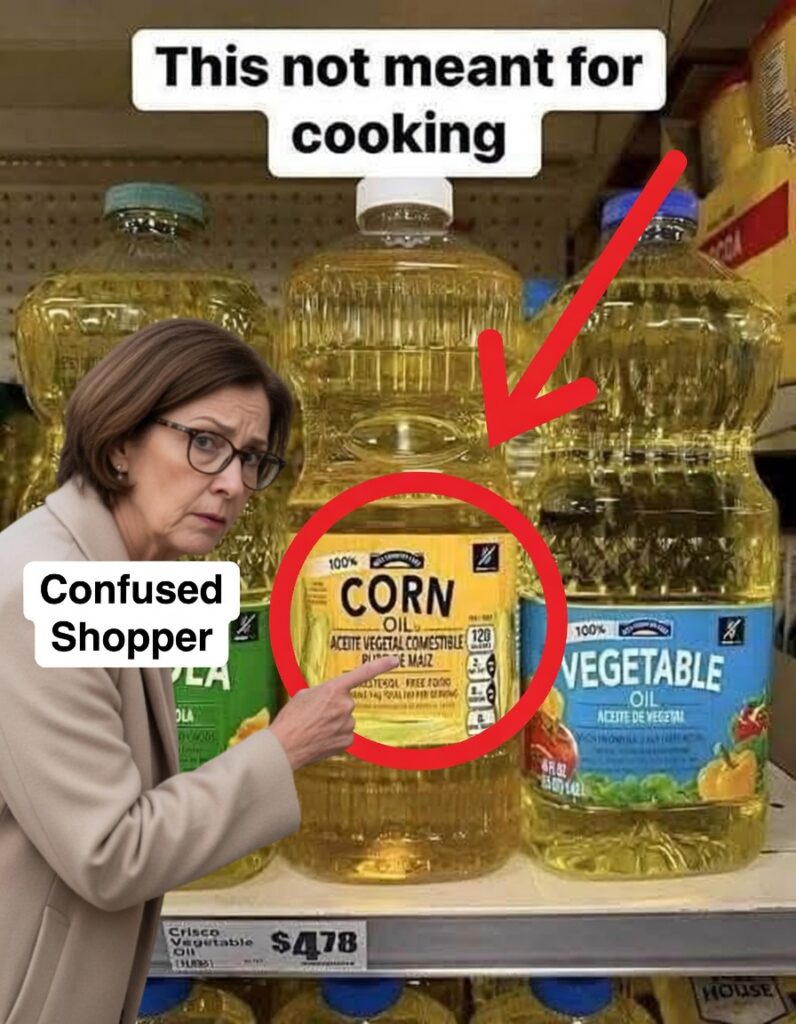
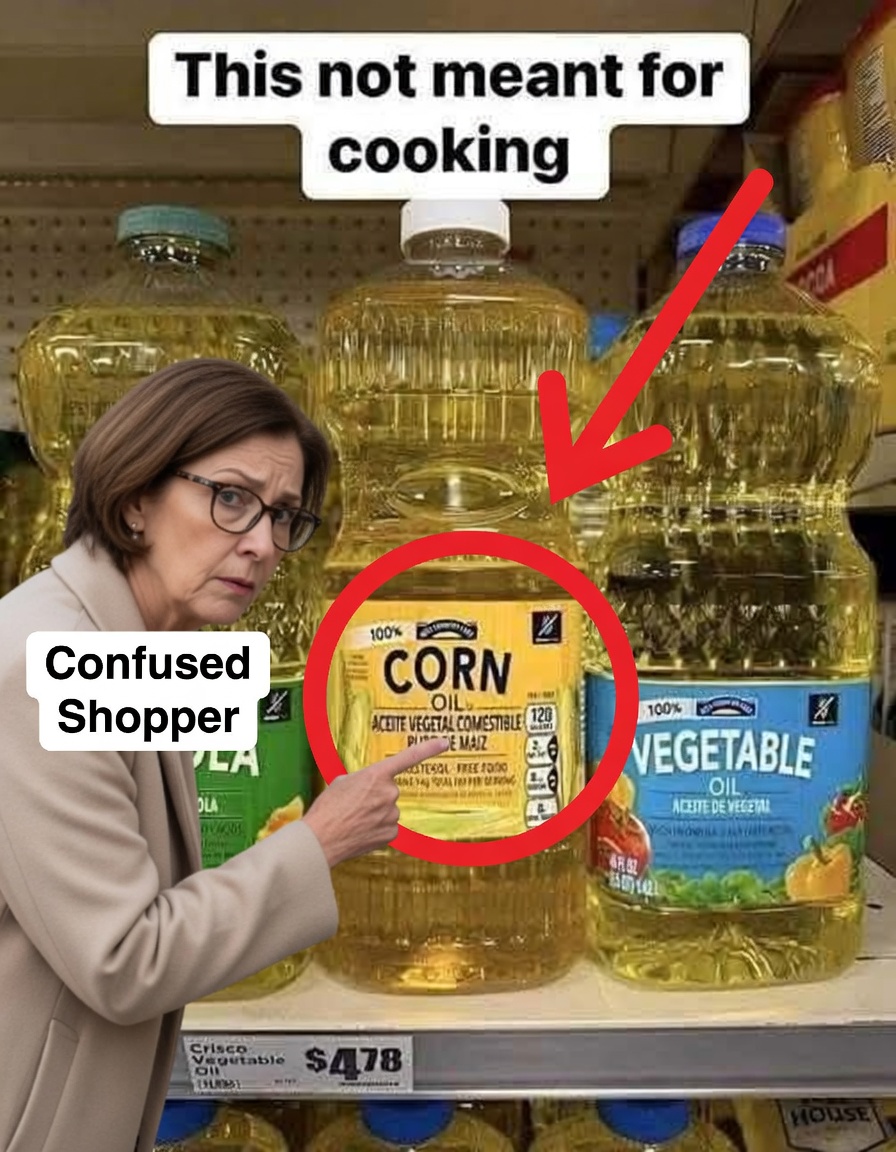
When you’re choosing a cooking oil, budget-friendly staples like canola, corn, and “vegetable” oil are easy to find and often feel like the default option. Yet despite their popularity, these oils aren’t always the best choice—especially when you cook with high temperatures. Here’s what to know and why many people choose more heat-stable, less processed alternatives.
1) High Omega-6 Content Can Throw Off Fatty Acid Balance
Canola, corn, and many blended vegetable oils tend to contain a large amount of omega-6 fatty acids. Omega-6 fats are necessary for health, but the typical Western diet already supplies plenty—often more than the body needs.
When omega-6 intake is consistently high, it can upset the omega-6 to omega-3 ratio, which may contribute to higher inflammation in the body. Chronic inflammation has been linked with a range of concerns, including heart disease, obesity, and other inflammatory conditions.
2) Heavy Refining Reduces Natural Nutrients
Many common seed oils (including corn, soy, and generic vegetable oils) are produced through intensive refining. This process often uses:
- High heat
- Chemical solvents such as hexane
While refining improves shelf life and neutralizes flavor, it can also remove naturally occurring antioxidants and beneficial compounds found in less processed oils. The result is a more industrial product with fewer naturally protective nutrients.
3) Heat Can Break These Oils Down and Create Harmful Compounds
Another key concern is how these oils behave during cooking. Many have low to moderate smoke points, which means they can start to degrade at temperatures commonly used for sautéing, roasting, or frying.
Once an oil reaches (or passes) its smoke point, it may produce harmful byproducts, including:
- Free radicals
- Acrolein and other irritating compounds
These substances can negatively affect both taste and health, and they become more likely when cooking methods involve high heat, such as deep-frying or pan-frying.
4) Refining Can Introduce Trace Trans Fats
During processing, small amounts of trans fats can form in some refined oils. Trans fats are widely known to:
- Increase LDL (bad) cholesterol
- Decrease HDL (good) cholesterol
Over time, even small exposures may contribute to a higher risk of heart disease, stroke, and type 2 diabetes.
Healthier Cooking Oil Alternatives to Consider
If you want oils that are generally less processed and/or more stable at higher temperatures, these options are commonly recommended:
-
Extra Virgin Olive Oil
High in antioxidants and monounsaturated fats, best for low to medium heat cooking. -
Coconut Oil
More heat-stable and often used for higher-heat cooking. -
Avocado Oil
Known for a high smoke point, making it a strong option for frying and high-heat methods. -
Ghee (Clarified Butter)
Has a high smoke point and a rich flavor, well-suited for high-temperature cooking.
Final Takeaway: A Simple Switch Can Support Better Health
Canola, corn, and vegetable oils are affordable and widely available, but frequent use—particularly at high temperatures—may come with downsides, from inflammation-related concerns to heat-driven breakdown products. Choosing more stable, nutrient-rich oils can be an easy step toward reducing exposure to unwanted compounds while supporting overall well-being.