Do You Have Hip Dips, Also Called Violin Hips?
The internet has become fascinated with the soft inward curve that appears just below the hips. In anatomical terms, this feature is called trochanteric depression, but most people know it as hip dips or violin hips.
Across social media, they are often debated as if they reveal something important about attractiveness, body shape, or health. Some people see them as beautiful. Others worry they somehow ruin the classic hourglass figure.
If you have searched for terms like hip dip exercises, how to reduce hip dips, or how to get rid of hip dips, you are far from alone. Many people want to change their shape to match beauty trends online.
Before you overhaul your lower-body routine or start chasing glute workouts in hopes of changing your hips, it helps to understand what hip dips really are.
What Are Hip Dips?
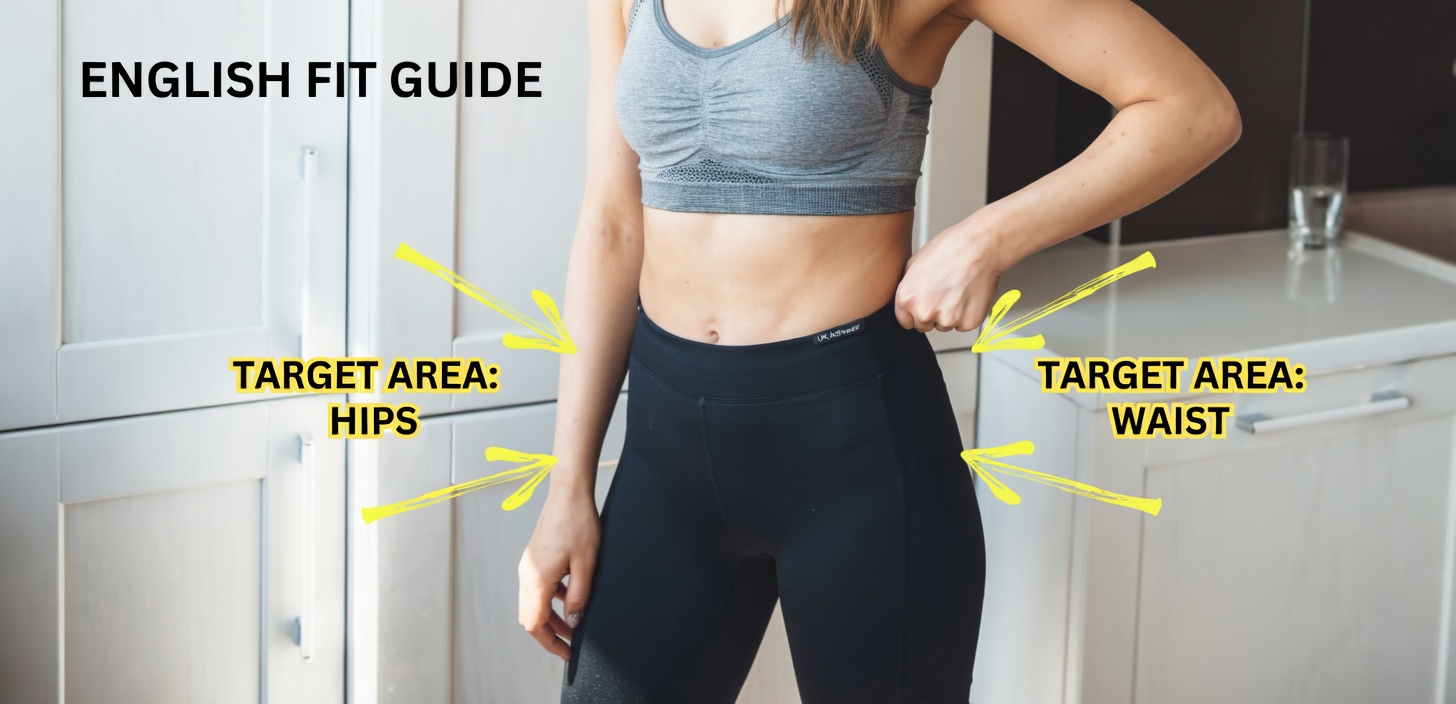
Hip dips are the natural inward indentations found on the outer sides of the body, just below the hip bones.
The important word here is natural. Hip dips are a normal part of human anatomy and are mostly influenced by your bone structure, especially the shape of your pelvis and the position of your femur.
Like visible abs, everyone technically has this body feature, but it is not equally noticeable on every person. Some people have deeper or more visible hip dips, while others have a smoother curve from waist to thighs.
What Causes Hip Dips?
The main reason hip dips appear is genetics. Your skeletal structure determines how your hips are shaped, and that is something exercise cannot completely change.
Muscle mass and body fat can influence how noticeable hip dips look, but they are not the primary cause. Unlike abdominal definition, which is heavily affected by body fat levels, hip dips are mostly about how your bones are built.
In other words:
- Pelvic structure plays the biggest role
- Fat distribution can slightly soften or highlight the area
- Muscle development can help create a fuller appearance around the hips and glutes
Are Hip Dips Normal or a Sign of a Problem?
Hip dips are completely normal. They are not a deformity, and they do not automatically mean you are too thin, too heavy, or unhealthy.
A lot of people assume that visible hip dips mean something is wrong with their body. That is simply not true. In most cases, they are just a result of natural anatomy.
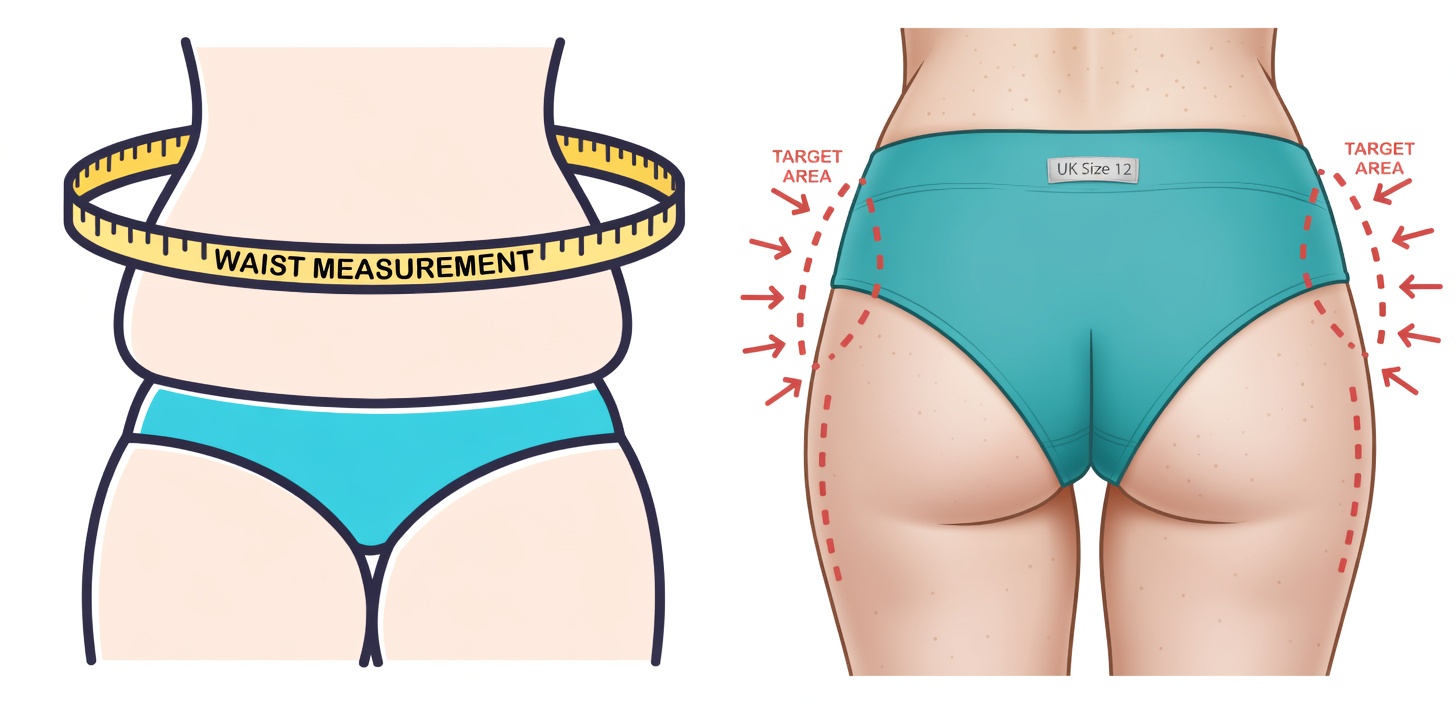
That said, if hip dips are less visible on someone else, it may be because they carry more fat or muscle in that area. Even so, that does not change the fact that the underlying shape is still determined by bone structure.
So yes, hip dips are normal, and no, they are not something you need to “fix.”
Hip Dips vs. Love Handles
Hip dips and love handles are not the same thing.
Hip dips are indentations located lower on the body, around the outer hip area. They are related mostly to bone structure.
Love handles, on the other hand, sit higher up around the waist and sides of the abdomen. They are caused by excess fat stored in that region and are sometimes referred to as a muffin top.
To keep it simple:
- Hip dips = natural inward curves below the hips
- Love handles = fat accumulation around the waistline
Understanding this difference is important, because many people confuse the two.
Can You Get Rid of Hip Dips?
You can reduce the appearance of hip dips to some extent, but you cannot fully erase them if they are caused by your natural bone structure.
Building the glutes and surrounding lower-body muscles may help create a rounder silhouette. Lowering overall body fat can also change how the area looks. However, neither approach can completely override genetics.
That is why it is best to think of hip dip workouts as a way to strengthen and shape your lower body, not as a guaranteed way to remove hip dips forever.
How to Reduce the Appearance of Hip Dips
You do not need a personal trainer or expensive gym membership to work on your lower body. A smart home workout routine can help you improve strength in your:
- Glutes
- Hips
- Thighs
- Core
The most effective approach includes a mix of:
- Compound exercises, such as squats and lunges
- Isolation exercises, such as clamshells and fire hydrants
Focus on training the entire lower body instead of obsessing over one small feature. Fitness should support your health, confidence, and strength, not revolve around unrealistic beauty standards.
8 Best Exercises for Hip Dips
If you want to strengthen your glutes and hips while making hip dips look less prominent, these exercises are a good place to start.
1. Squats
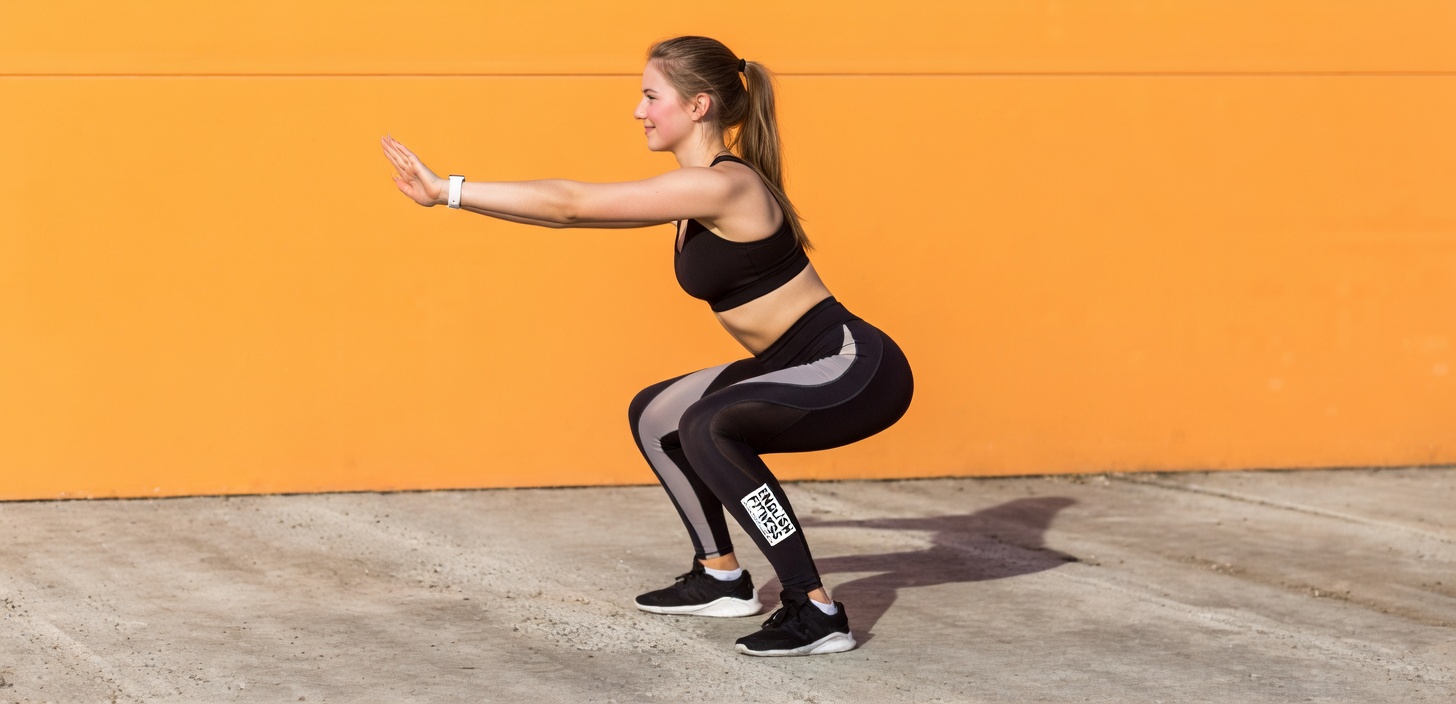
Squats are one of the best lower-body exercises because they target the glutes, hips, thighs, calves, and core all at once. They can help build the gluteus medius and other muscles that support a fuller hip area.
How to do squats:
- Stand with your feet about hip-width apart.
- Bend your knees and lower into a squat.
- Keep your knees aligned with your toes and avoid letting them move too far forward.
- Push through your heels to stand back up.
- Squeeze your glutes at the top.
2. Hip Abductions
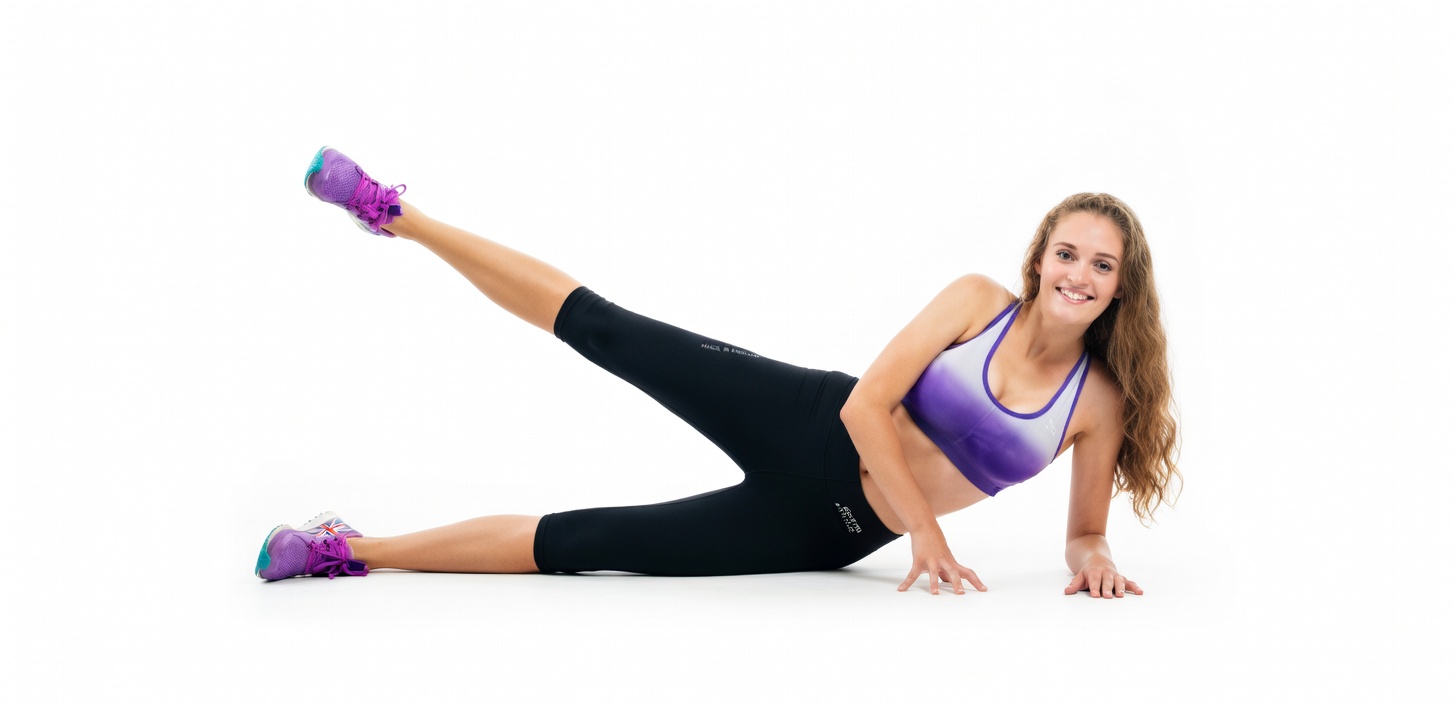
Hip abduction exercises strengthen the muscles that help you stand, walk, and rotate your legs. They are also helpful for supporting hip and knee health.
How to do hip abductions:
- Lie on your side.
- Place your top hand in front of your chest for balance.
- Keep your core tight and your upper body steady.
- Lift your top leg upward in a controlled motion.
- Lower it slowly and repeat.
3. Glute Bridges
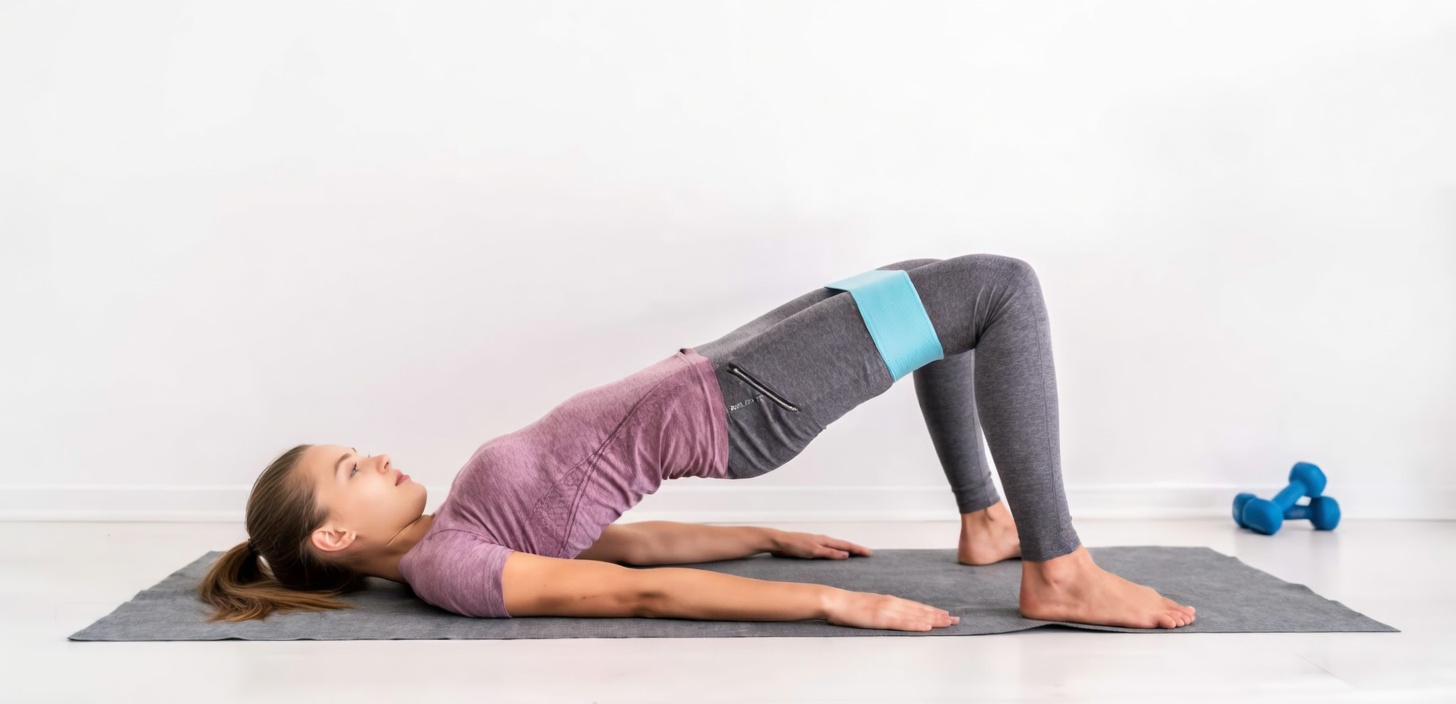
Glute bridges activate the glutes, core, and stabilizing muscles. They can help improve lower-body strength while also supporting the lower back and knees.
How to do glute bridges:
- Lie on your back with your knees bent and feet flat on the floor.
- Position your heels a few inches away from your glutes.
- Keep your feet slightly wider than shoulder-width apart and turn your toes out slightly.
- Drive through your feet and lift your hips toward the ceiling.
- Keep your upper back on the floor.
- Squeeze your glutes at the top, then lower with control.
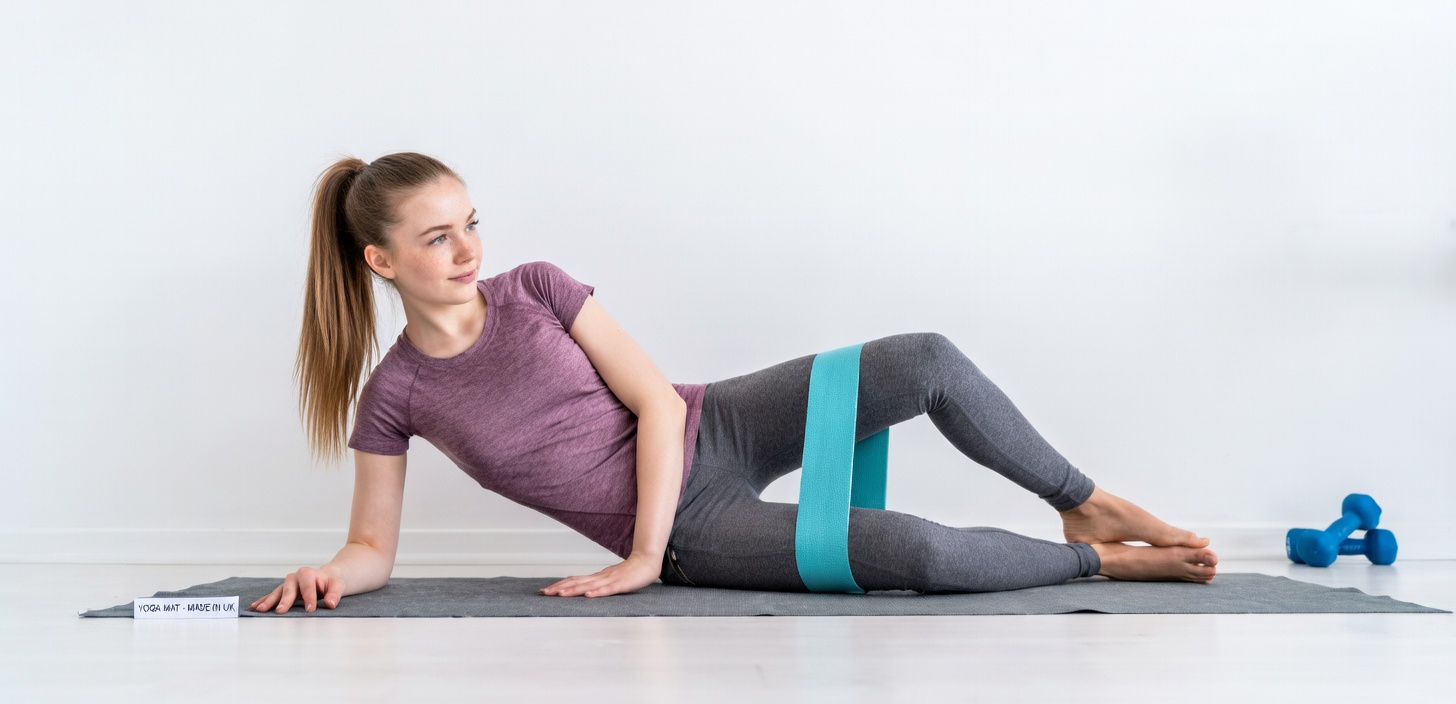
4. Banded Clamshells
Clamshells are especially effective for the gluteus medius, an important muscle for hip stability and pelvic support.
How to do banded clamshells:
- Place a light resistance band above your knees.
- Lie on your side with your knees bent and stacked.
- Keep your feet together.
- Open your top knee while keeping your hips stable.
- Pause at the top, squeezing your glutes and core.
- Lower back down and repeat.
5. Fire Hydrants
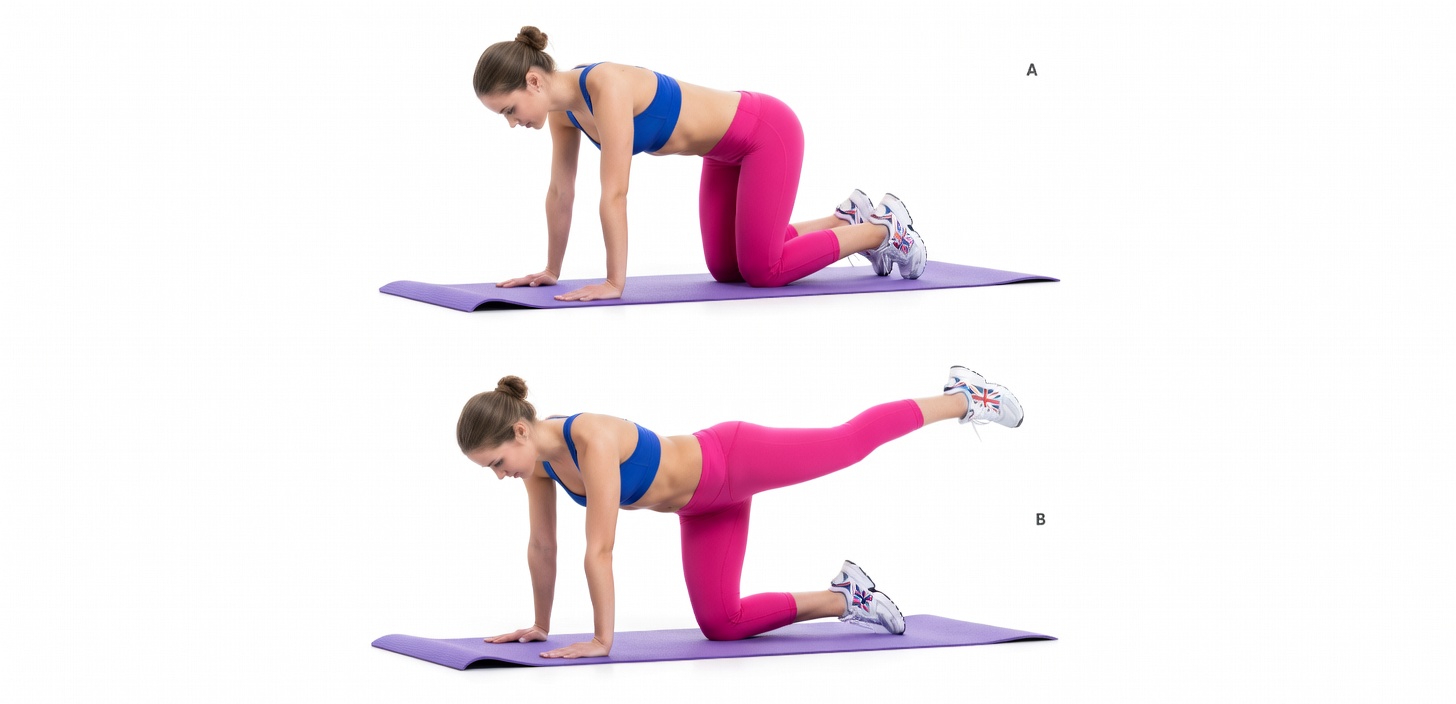
Fire hydrants are excellent for training the glutes through multiple planes of motion. They can help create a firmer, more sculpted look while also improving posture and stability.
How to do fire hydrants:
- Start on all fours in a tabletop position.
- Keep your back straight and your core engaged.
- Maintain a 90-degree bend in one leg.
- Lift that leg out to the side until the knee reaches hip height.
- Keep your hips square and avoid leaning.
- Lower slowly and repeat on both sides.
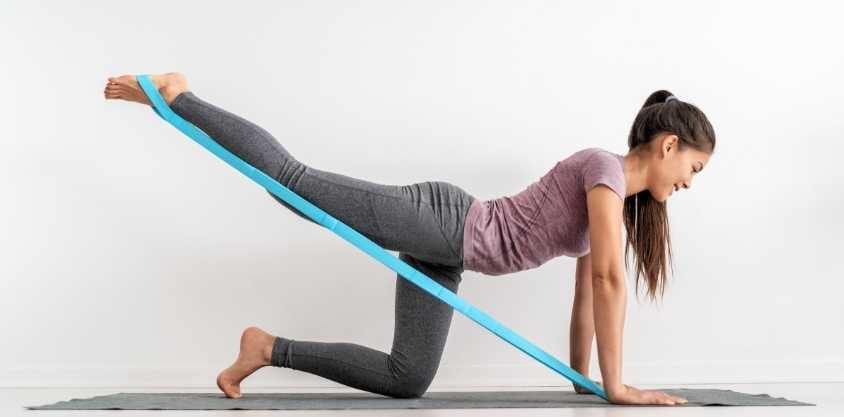
6. Leg Kickbacks With a Band or Ankle Weights
Kickbacks are useful for strengthening the glutes, hamstrings, and hips. Adding a resistance band or ankle weights increases the challenge.
How to do leg kickbacks:
- Begin on all fours on a mat.
- Extend one leg straight back behind you.
- Move the leg in a controlled arc behind and slightly across the body.
- Then sweep it back out to the side.
- Return to the center and repeat.
- Switch legs after completing your reps.
7. Side Lunges
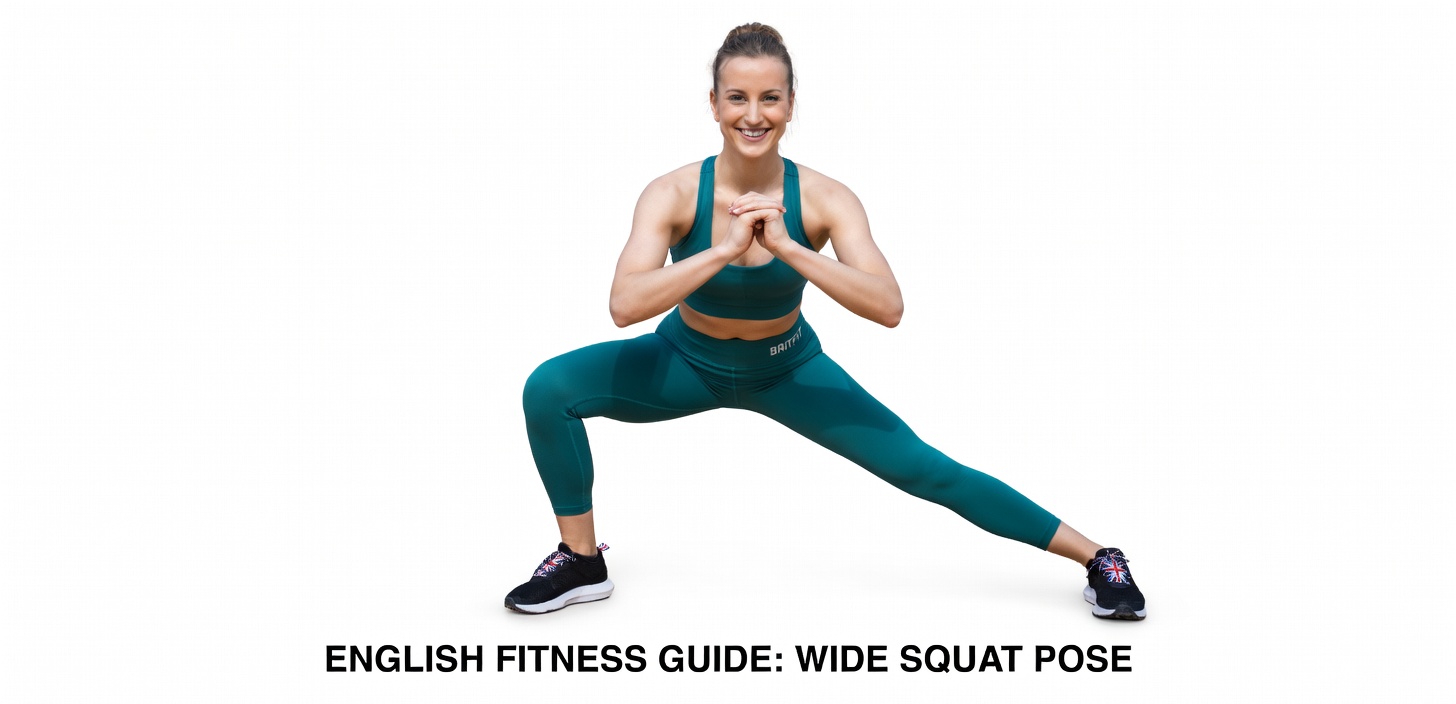
Side lunges help build strength, balance, and stability. They work the inner thighs, outer thighs, glutes, and hips, all of which support better lower-body shape and movement.
How to do side lunges:
- Stand tall with your core engaged.
- Step one foot out to the side.
- Bend that knee and push your hips back while keeping the other leg straight.
- Keep your chest lifted and your back flat.
- Push through the bent leg to return to standing.
- Repeat on the other side.
You can also hold a dumbbell for extra resistance.
8. Side Leg Raises
Side leg raises are a simple but effective move for the outer hips and glutes. They are easy to do at home and work well as part of a bodyweight lower-body routine.
How to do side leg raises:
- Lie on your side with your legs extended.
- Keep your body in a straight line and engage your core.
- Raise your top leg slowly without rotating your hips.
- Pause briefly at the top.
- Lower the leg with control.
- Repeat, then switch sides.
What to Expect From Hip Dip Exercises
These exercises can help:
- Improve lower-body strength
- Build muscle around the hips and glutes
- Support better balance and posture
- Make hip dips appear less noticeable over time
However, it is important to stay realistic. No workout can completely remove hip dips if they are part of your natural skeletal shape.
The real goal should be to become stronger, feel better, and build confidence in your body.
Final Thoughts on Hip Dips
Hip dips are a common and natural feature of the human body. They are mostly shaped by genetics and pelvis structure, not by a flaw in your appearance.
If you want to train your glutes and lower body, exercises like squats, glute bridges, clamshells, fire hydrants, and side lunges can help improve muscle tone and create a fuller look. But they are not a magic solution, and they do not need to be.
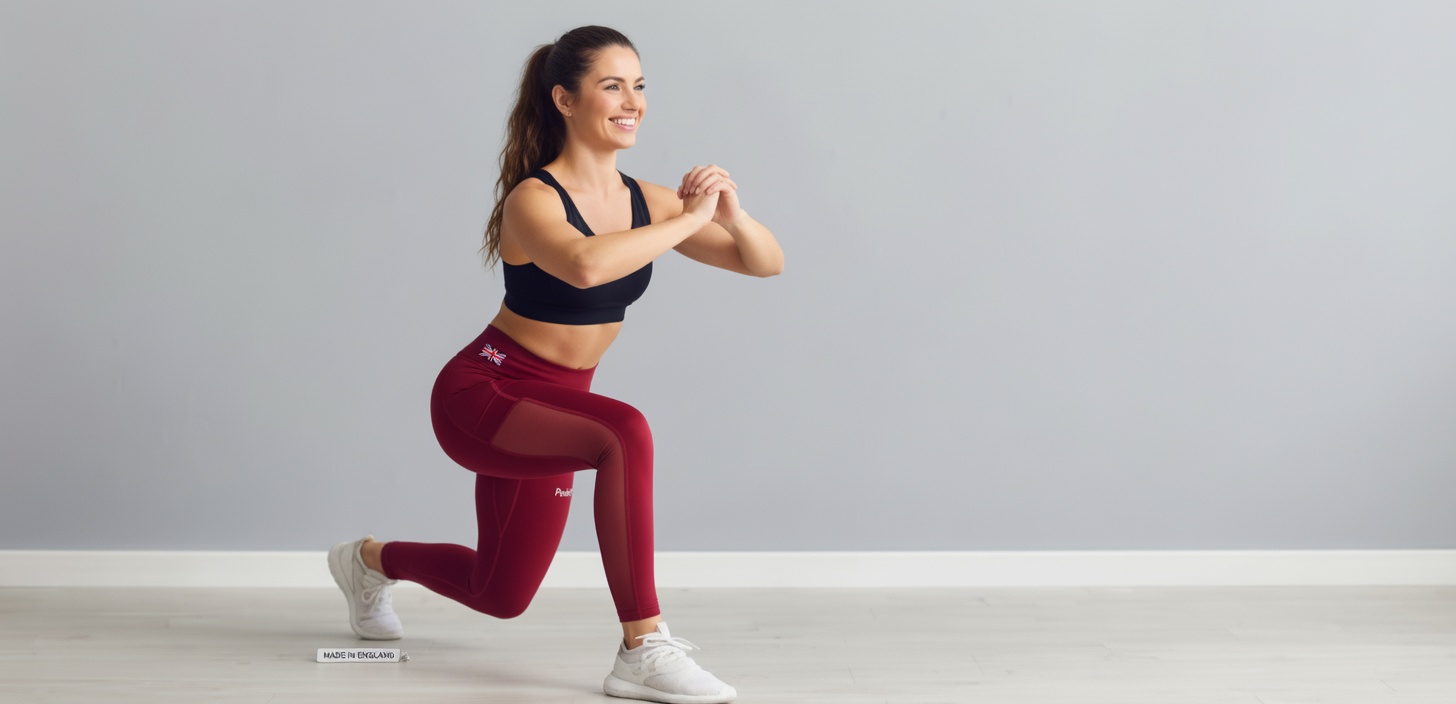
Your body does not need to match every online trend to be healthy, attractive, or strong. Hip dips are normal, and the best fitness plan is one that supports your overall well-being, not one that makes you feel like you have to correct a natural shape.